
Samsung Patents a System That Stores and Sends Cryptocurrency Without a Separate App
Samsung is patenting a way for two devices to set up a cryptocurrency wallet not by installing an app, but by creating a self-executing contract directly on a blockchain. It's a quiet but telling bet on where mobile crypto is heading.
What Samsung's smart-contract wallet system actually does
Imagine setting up a bank account, but instead of paperwork at a branch, the account itself lives as a piece of self-running code on a public network. That's basically what this patent describes.
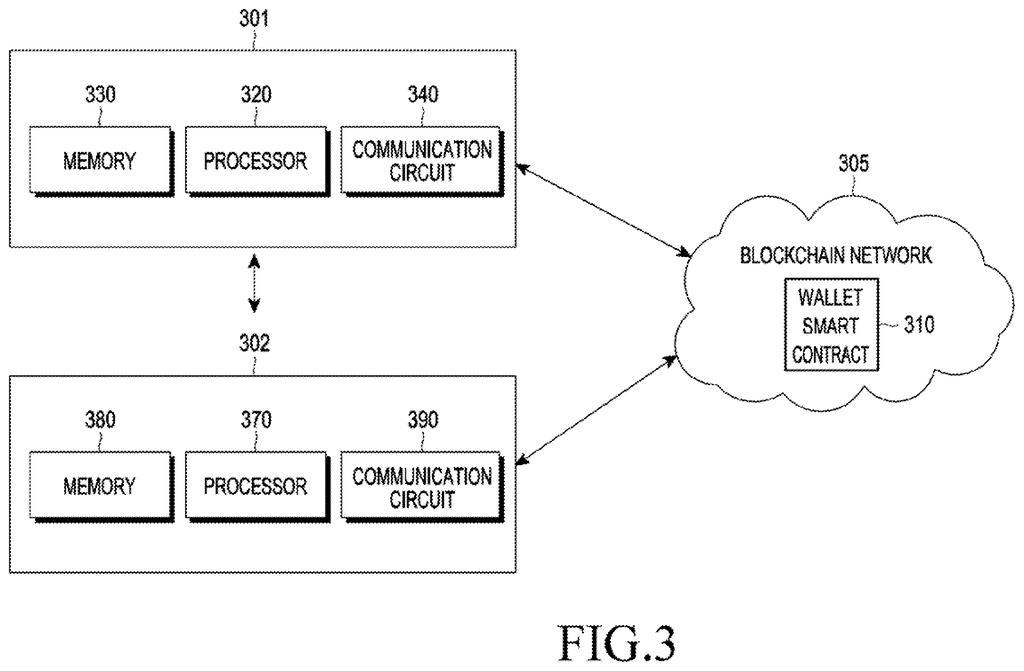
In Samsung's system, one device (say, a server or a trusted hub) acts as a coordinator. When a second device, like your phone, asks to start making cryptocurrency transactions, the coordinator generates a dedicated address for you, then writes a smart contract (a small self-enforcing program) onto a blockchain that will act as your wallet. Once that contract is live, your phone gets the address back and can start using it.
The key difference from a regular crypto app is that the wallet isn't just software on your phone that could be deleted or hacked. It's a record baked into the blockchain itself, tied to your device's authentication details. Think of it less like a banking app and more like having your account number engraved into the ledger permanently.
How two devices create and register a blockchain wallet
The patent describes a two-device architecture. A first electronic device (likely a server or trusted platform device) handles the coordination and blockchain communication. A second electronic device (likely a phone or wearable) initiates the process by sending a registration request along with authentication information, essentially proving who it is.
Once the first device receives that request, it:
- Generates a unique cryptocurrency address tied to the second device
- Broadcasts a transaction to a blockchain network containing that address, the authentication data, and its own identifying address
- Waits for a smart contract (a self-executing program stored on the blockchain) to be created from that transaction data
- Sends the second device the wallet address and the blockchain location of the newly created contract
The smart contract is configured to perform a wallet function, meaning it can hold, send, and receive cryptocurrency on behalf of the registered device. The authentication information baked into the contract ties the wallet to a specific device identity, which is meant to make unauthorized access harder than with a conventional software wallet.
What this means for Samsung devices and crypto payments
For Samsung, which already sells Galaxy phones with a built-in crypto wallet feature called Samsung Blockchain Keystore, this patent points toward a more infrastructure-level approach. Instead of relying on locally stored keys that can be lost if you wipe your phone, the wallet logic would live on the blockchain itself, potentially making recovery and device-switching easier.
For everyday users, the practical promise is a crypto wallet that is harder to lose and doesn't disappear when you change phones. Whether Samsung builds this into future Galaxy devices or positions it as a backend service for enterprise or fintech partners remains to be seen, but the filing signals the company is thinking about crypto wallets as a platform feature, not just a third-party app.
This is a real architectural idea, not just a patent land-grab. Moving wallet logic onto a blockchain rather than keeping it entirely on a device has genuine security and portability advantages. That said, smart-contract wallets have existed in the Ethereum ecosystem for years, so Samsung's claim to novelty will likely hinge on the specific device-authentication and two-device registration flow, not the concept itself.
There are more where this came from
We read every patent application Big Tech publishes and send you the ones worth knowing. Plain English, free, every week.
The drawings
10 drawing sheets from US 2026/0212355 A1 · click any drawing to enlarge


Want this weekly breakdown for a company we don't cover? Patentlyze Pro →
Be the first to weigh in