
Microsoft Patents Technology That Lets Remote Software Reach Protected Office Computers
Most big companies run software both in the cloud and on their own physical servers, and getting those two worlds to talk securely is a constant headache. Microsoft is patenting a way to automate part of that handshake.
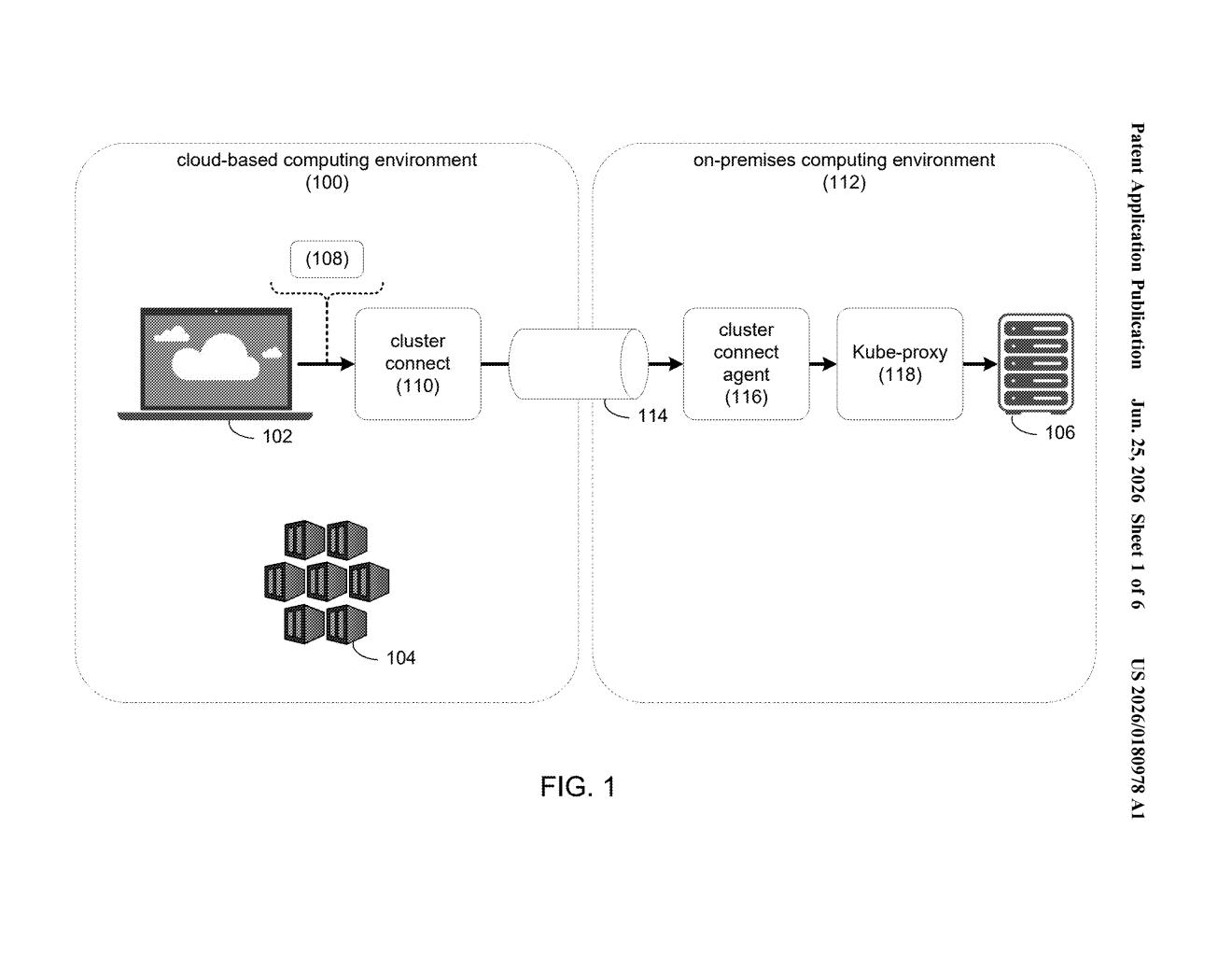
What Microsoft's cloud-to-office-server bridge actually does
Imagine your company stores sensitive customer data on its own servers in a locked data center, but it also uses cloud software to run day-to-day operations. At some point, the cloud software needs to ask the on-site servers for information, and that connection has to be handled carefully so nothing leaks and everything works.
Microsoft's patent describes a system that sits in the middle and acts as a translator. When a cloud service sends a request toward an on-premises server, the system figures out what type of communication is being used and then builds a custom relay channel (called a reverse proxy) on the fly to ferry that request through safely.
Instead of needing IT teams to manually configure each connection, the system handles it automatically based on the kind of request coming in. That is the core pitch: less manual plumbing, more automatic routing between cloud and office hardware.
How the reverse proxy routes requests by protocol type
The patent covers a method for bridging a cloud environment and an on-premises containerized cluster API server (think: a managed group of software services running inside isolated containers, like a Kubernetes cluster, sitting on a company's own hardware).
Here is the step-by-step flow the patent describes:
- A request arrives from a cloud-based system asking to reach the on-premises server.
- The system inspects the request and identifies its protocol type (the format or communication standard being used, such as HTTP or a streaming protocol).
- Based on that protocol, the system dynamically generates a reverse proxy (a relay that accepts traffic on behalf of the destination server and forwards it, keeping the server's direct address hidden).
- The request is then sent through that proxy to the on-premises API server.
The key design choice is that the proxy is generated per-request and tailored to the protocol, rather than being a single static gateway. This means different types of requests can be handled with the right routing behavior each time, without pre-configuring every possible scenario ahead of time.
What this means for hybrid IT infrastructure
For companies running hybrid infrastructure (some workloads in the cloud, some on physical servers they own), connecting those two environments without opening up security holes is genuinely difficult. Today it often requires manual network configuration, VPN tunnels, or static proxy setups that break when traffic patterns change. A system that generates the right relay channel automatically based on what is being asked could reduce that overhead meaningfully.
This kind of tooling fits squarely into Microsoft's Azure Arc product line, which is already aimed at letting Azure manage on-premises and multi-cloud infrastructure. Whether this specific patent shapes a future Arc feature or stays internal is unclear, but the problem it addresses is real and affects nearly every large enterprise customer Microsoft serves.
This is infrastructure plumbing, not a flashy product feature. But hybrid cloud connectivity is a genuine pain point for enterprise IT teams, and automating the reverse proxy setup is a practical improvement over manual configuration. It is the kind of quiet engineering work that shows up in Azure updates rather than keynote slides.
There are more where this came from
We read every patent application Big Tech publishes and send you the ones worth knowing. Plain English, free, every week.
Want this weekly breakdown for a company we don't cover? Patentlyze Pro →