
Samsung Files Patent for Satellites That Hold Messages Until Your Device Is Ready
Not every satellite is overhead all the time, and not every device can talk to one in real time. Samsung's new patent tackles the awkward gap in between.
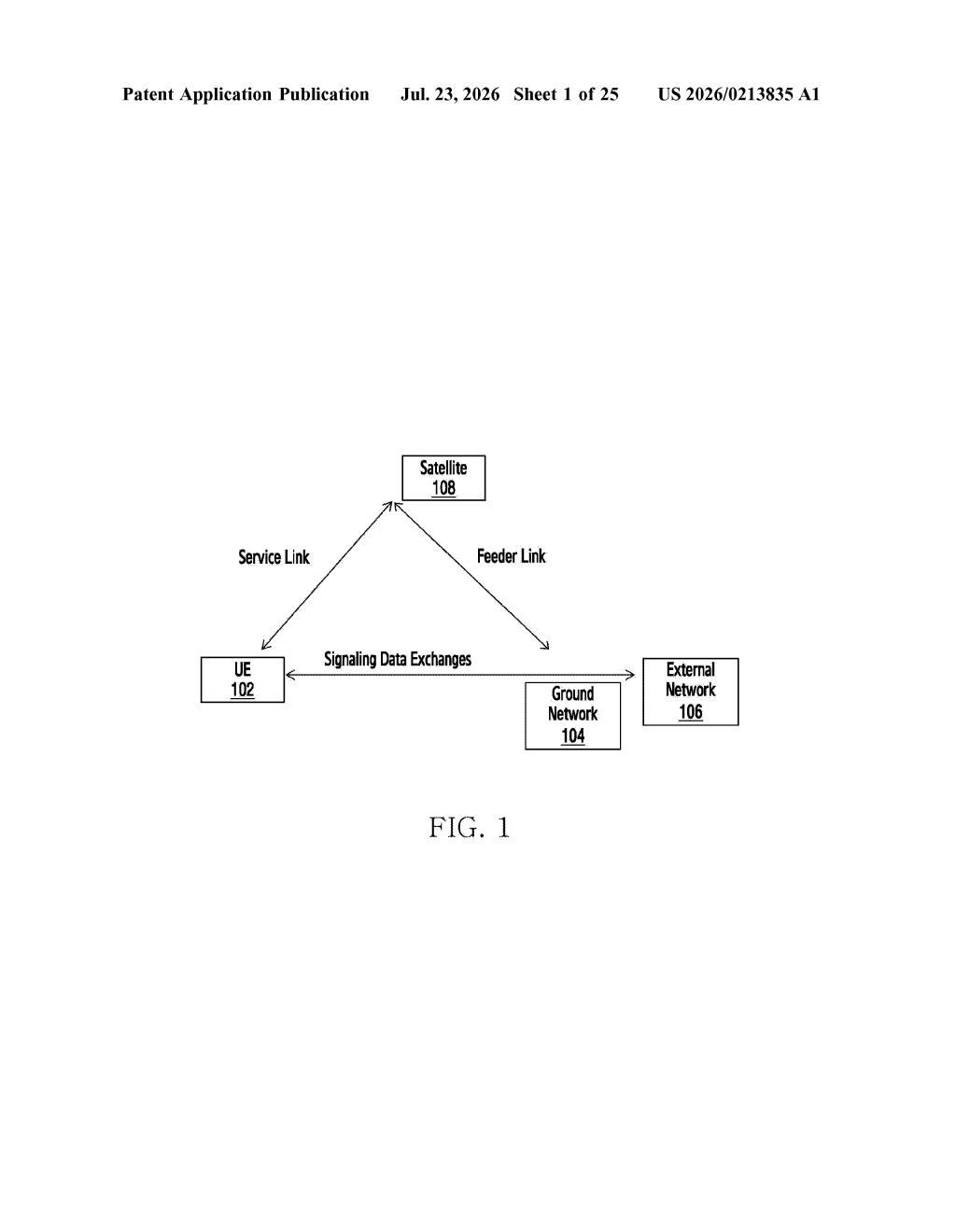
What Samsung's store-and-forward satellite mode actually does
Imagine sending a text from a remote area where there's no cell tower. Your phone might connect briefly to a passing satellite, but that satellite isn't always in range long enough for a proper back-and-forth conversation. So instead of dropping the message entirely, the system stores it and forwards it later when the connection is available again, like a very high-tech voicemail.
Samsung's patent describes a way for a satellite network to formally announce that it is operating in this store-and-forward mode, and for your device to respond by saying whether or not it can handle that kind of delayed communication. If both sides agree, they proceed accordingly. If your device doesn't support it, the network knows not to bother trying.
This kind of handshake is important because store-and-forward communication requires both the satellite and the device to behave differently than they would in a normal, live connection. Without a clear agreement upfront, messages could get lost, corrupted, or simply ignored.
How the satellite and device negotiate S&F compatibility
The patent covers a protocol for managing what engineers call store-and-forward (S&F) satellite operation, a mode where a satellite collects data from a device, holds it in memory, and delivers it later when it can reach the destination network. This is different from a live satellite call, where both ends of the connection must be active at the same time.
Here is how the system works step by step:
- The satellite network equipment (called a network apparatus) first checks whether it is currently operating in S&F mode.
- If it is, it broadcasts a System Information Block (SIB) message, a standardized announcement packet in cellular and satellite protocols, telling nearby devices that S&F mode is active.
- A device (called a UE, or user equipment, which is essentially your phone or IoT sensor) receives this announcement and replies with a UE capability message, declaring whether it supports S&F access.
- If the device confirms compatibility, the two sides proceed to exchange data under S&F rules.
The patent also references NAS (Non-Access Stratum) signaling, a layer of communication that carries higher-level control messages, like registration and session setup, independent of the radio connection itself. Including NAS in the S&F announcement gives the network more ways to inform devices about the mode.
What this means for satellite-connected phones and IoT
As satellite connectivity gets built into phones and IoT devices, the assumption that a satellite link is always live and symmetric breaks down fast. Low-Earth-orbit satellite constellations have coverage gaps, and some satellites in remote or specialized deployments may never have a real-time backhaul connection at all. Store-and-forward fills that gap, but only if both the device and the network agree on the rules upfront. Without a formal handshake like the one Samsung describes, devices waste power trying to maintain a live session that will never stabilize.
For you, this is most relevant if you use a satellite-connected phone or a rural IoT device, think weather sensors, tracking tags, or emergency beacons. A standardized S&F negotiation means your device spends less time struggling with a weak or intermittent satellite link and more time actually getting your data through.
This is a standards-infrastructure patent, not a consumer feature reveal. Samsung is staking out intellectual property in the protocol layer that governs how 5G Non-Terrestrial Networks handle delayed satellite links, which is an active area of 3GPP standardization. It won't make headlines, but it's the kind of filing that matters when Samsung negotiates technology licensing with satellite network operators.
There are more where this came from
We read every patent application Big Tech publishes and send you the ones worth knowing. Plain English, free, every week.
The drawings
25 drawing sheets from US 2026/0213835 A1 · click any drawing to enlarge


Want this weekly breakdown for a company we don't cover? Patentlyze Pro →
Be the first to weigh in