
Meta Patents Smart Lenses That Automatically Dim to Combat Outdoor Glare
One of the biggest unsolved problems in AR glasses is that bright sunlight makes digital overlays nearly invisible. Meta's latest patent attacks that problem with a camera-driven dimming system that watches for glare and adjusts the lens darkness in real time.
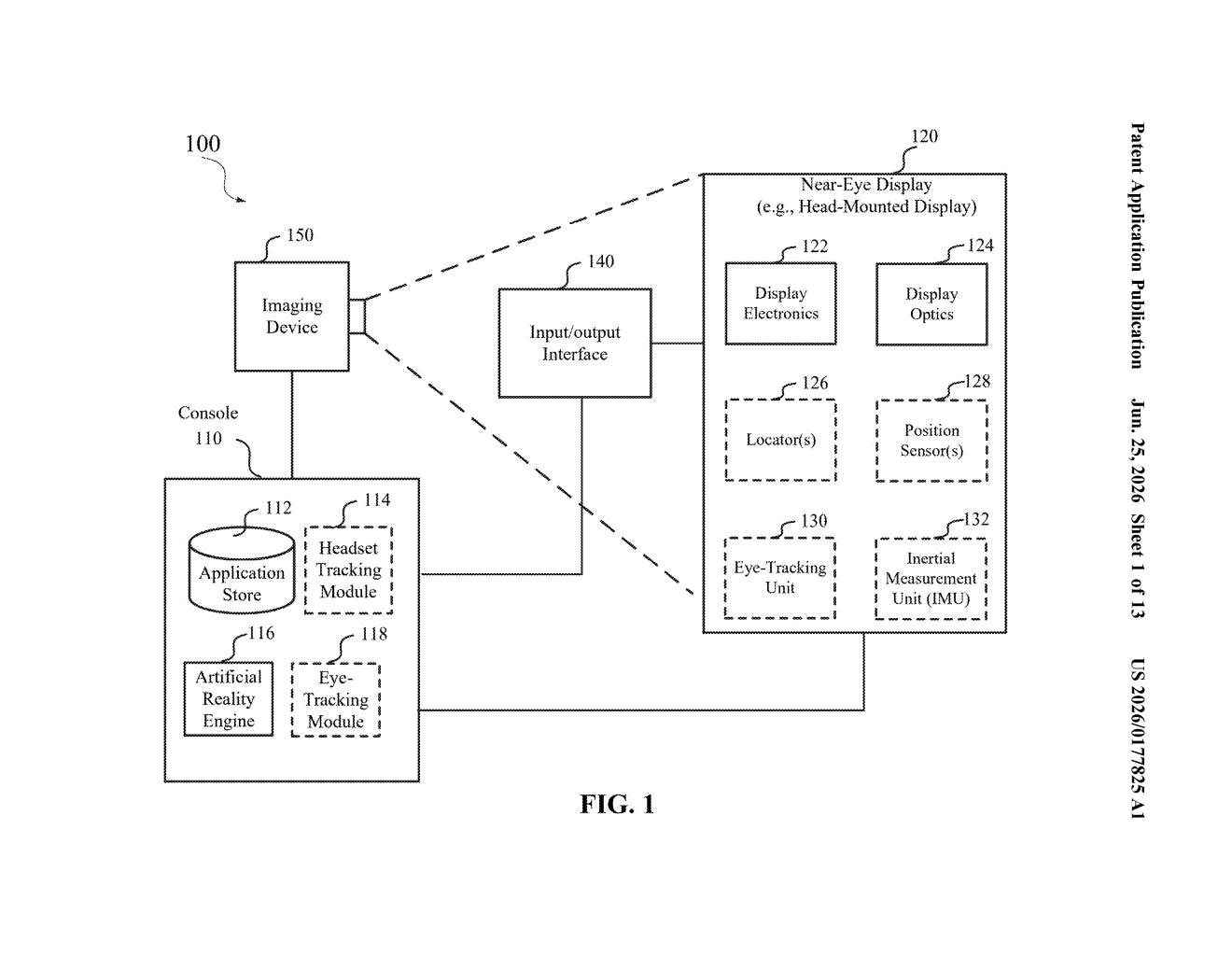
How Meta's auto-dimming AR lenses would actually work
Imagine wearing AR glasses outside on a sunny day and the virtual directions floating in front of you completely wash out. That's not a software bug; it's physics. Bright ambient light overpowers the dim projected images, and right now there's no good automatic fix.
Meta's patent describes glasses with electronically controllable lenses, similar to the kind that darken in sunlight, except these are much more precise. A small camera built into the frame monitors both what the glasses are projecting and what the outside world looks like at the same time. A controller then decides how much to dim the lens to keep your AR content visible without making the real world look like you're wearing sunglasses at midnight.
The clever part is that the camera looks out through a side section of the waveguide (the thin glass slab that carries the projected image to your eye), so it can see exactly what your eye sees. That means the system isn't guessing; it's measuring the actual contrast problem and correcting for it.
How the disparity camera measures glare to set dimming levels
The patent covers a near-eye display (think AR glasses) that pairs a waveguide display with an active dimming layer. A waveguide is a thin, transparent slab of optical material that carries a projected image across its surface and then redirects that image into your eye at the right angle.
The active dimming layer sits on the outer face of that waveguide. It works like an electronically controlled tint: send it a voltage signal and it gets darker, blocking some of the sunlight or indoor glare before it reaches your eye. The key innovation is how the system decides how dark to go.
Instead of relying on a simple light sensor, the patent describes a disparity camera that picks up two things at once:
- A replicated copy of the image the projector is displaying, routed out through the edge of the waveguide
- A view of the ambient environment seen through the dimming layer and the waveguide itself
A controller processes both feeds, compares the brightness of the projected content against the real-world background, and adjusts the dimming layer to maintain readable contrast. It can also adjust the projector's own brightness as a second lever. The result is a closed feedback loop: the camera observes the problem, and the system corrects it without any input from the wearer.
What this means for wearing AR glasses in bright daylight
AR glasses have been stuck in a catch-22: make the lenses clear enough to look normal, and your digital overlays vanish in sunlight; darken the lenses manually, and people look strange wearing what are essentially sunglasses indoors. This patent describes a path out of that trap by making the dimming automatic and scene-aware.
For Meta's Ray-Ban smart glasses line and any future AR headset the company ships, this kind of system would be a prerequisite for all-day outdoor use. It also has privacy implications worth noting: the camera in this design is continuously analyzing what you see, including the ambient environment. How that data is handled will matter as much as whether the dimming actually works.
This is a genuinely practical patent, not a moonshot. The waveguide glare problem is real and well-documented, and Meta's approach of using a camera to close the feedback loop is more elegant than the threshold-based light sensors competitors have tried. Whether the disparity camera can do this fast enough to avoid a visible flicker lag is the engineering question that will determine whether this ever feels natural in a real product.
There are more where this came from
We read every patent application Big Tech publishes and send you the ones worth knowing. Plain English, free, every week.
Want this weekly breakdown for a company we don't cover? Patentlyze Pro →