
Samsung Patents a Camera Chip That Captures Sharp Detail in Bright and Dark Areas Simultaneously
Taking a photo in a room where sunlight pours through a window while everything else is in shadow is one of the oldest problems in photography. Samsung's new patent describes a pixel design that tries to solve it at the hardware level, without software tricks.
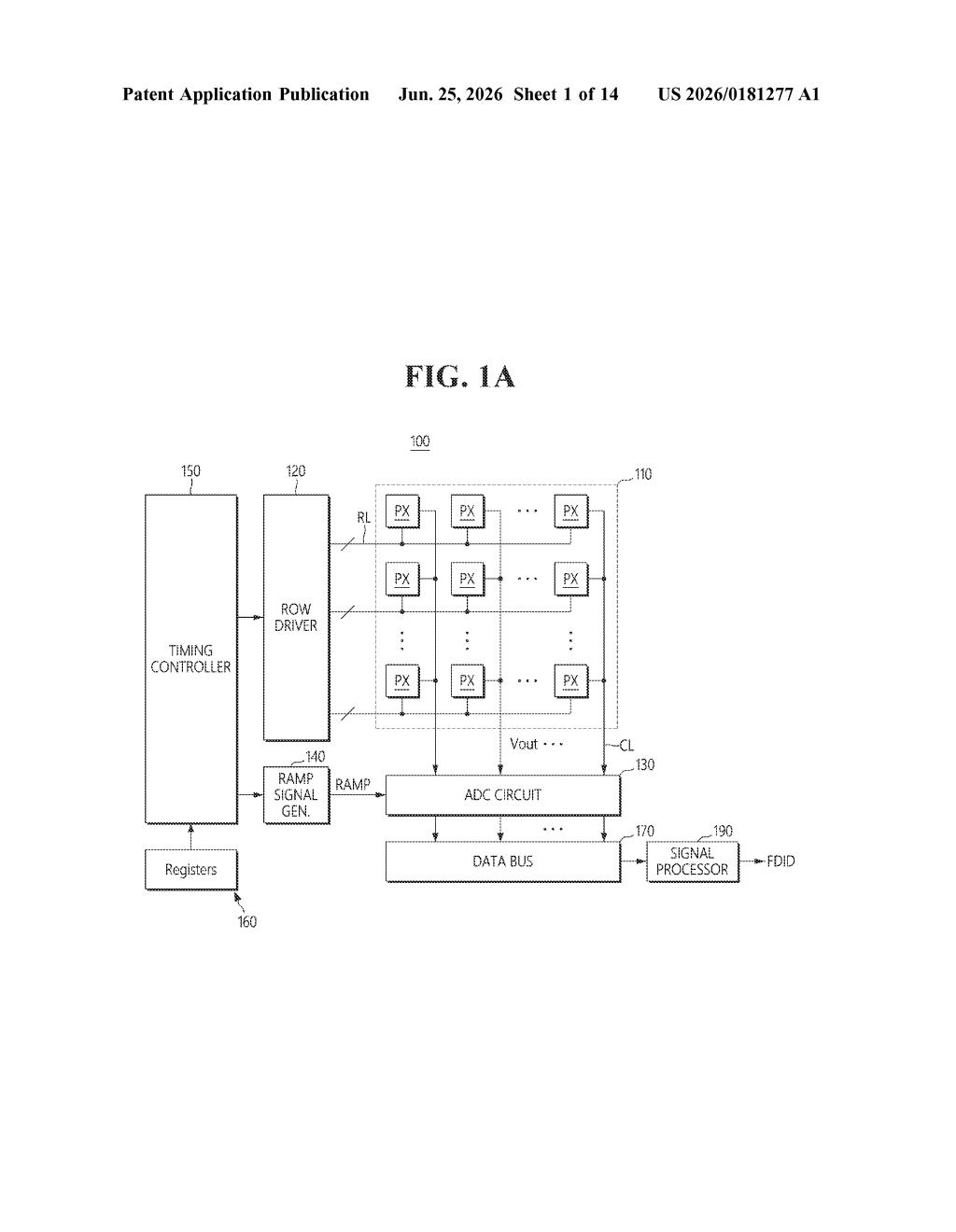
What Samsung's two-photodiode pixel design actually does
Imagine you're taking a photo of someone standing in front of a bright window. Either their face goes dark or the window blows out to pure white, because your camera can't capture the full range of light in one shot. That's the dynamic range problem, and it's been frustrating photographers for decades.
Samsung's patent describes an image sensor where each individual pixel contains two separate light-collecting units of different sizes. The larger one captures detail in dim areas; the smaller one handles the bright spots without getting overwhelmed. Both work together within a single pixel, so the camera gathers more light information in one exposure rather than stitching together multiple shots.
The design also includes a small storage component inside each pixel that holds charge from the smaller unit, giving the sensor a way to juggle both signals before they're read out. The result is a pixel that can report on both the bright and dark parts of a scene at the same time.
How the two photodiodes split and store light data
The patent describes an image sensor architecture where every pixel contains two photodiodes (the light-sensing elements) with deliberately different sizes. The first photodiode has a larger surface area and is better suited to collecting light in low-exposure conditions. The second photodiode is smaller, meaning it saturates (fills up) more slowly under intense light and can faithfully record bright regions.
A key component called the conversion gain transistor sits between two "floating nodes" (temporary charge-holding points) connected to each photodiode. This transistor controls how charge from both photodiodes is combined or kept separate before being sent to the readout circuit, allowing the sensor to be tuned for different lighting conditions.
The design also incorporates:
- An overflow transistor that drains excess charge from the smaller photodiode before it corrupts the reading
- A storage capacitor paired with a connection transistor that temporarily holds charge from the smaller photodiode, extending how much light it can measure before saturating
- A driving transistor and selection transistor that control when each pixel's data is read out by the rest of the chip
This all happens within the physical footprint of a single pixel, which is important because it avoids the resolution penalty you'd normally pay by using separate pixels for different exposures.
What this means for Samsung cameras and image quality
High dynamic range capture is increasingly a software battle across the phone industry, with Apple, Google, and Samsung all using multi-frame computational tricks to fake what the sensor can't do natively. A hardware approach that captures a wider range of light in a single exposure would reduce motion blur artifacts (the ghosting you sometimes see around moving subjects in HDR photos) and cut the processing overhead that drains battery during photography.
For Samsung, which makes image sensors both for its own Galaxy phones and as a major supplier to other manufacturers, an architectural improvement like this could matter across a wide range of products. If this design makes it into production, you'd likely notice it most in tricky mixed-light situations: indoor scenes with windows, concerts, or any shot where your phone currently has to choose between the highlights and the shadows.
This is a solid, specific imaging patent that addresses a real and well-understood hardware limitation. It's not flashy, but dual-photodiode pixel architectures are a legitimate engineering direction that the industry has been exploring seriously. Whether this particular circuit topology makes it into a shipping sensor is a different question, but this is the kind of foundational work that eventually shows up in a phone camera spec sheet.
There are more where this came from
We read every patent application Big Tech publishes and send you the ones worth knowing. Plain English, free, every week.
Want this weekly breakdown for a company we don't cover? Patentlyze Pro →