
Google Files Patent for a Display That Senses Touch on Its Curved Edges
Google is patenting a display assembly where the glass isn't just a flat window, it wraps around, and the whole surface, edges included, responds to your touch.
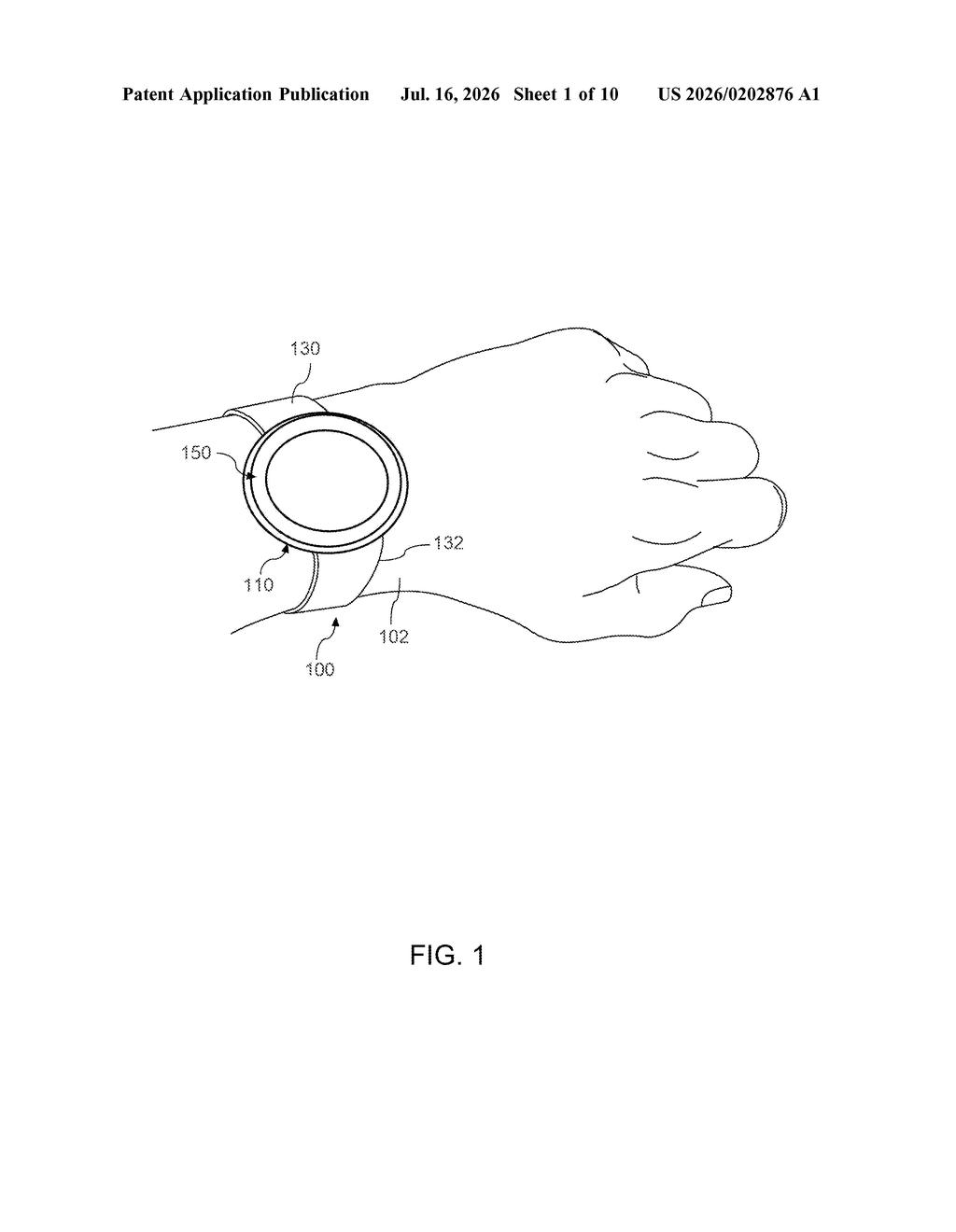
What Google's wraparound touch display actually does
Picture a phone or gadget where the screen doesn't stop at a sharp edge. Instead, the glass curves around the sides, almost like a dome or a bowl turned upside down. Google is patenting a way to make that entire surface, the flat center and the curved wraparound edges, responsive to your finger.
Right now, most touchscreens only reliably track taps and swipes on the flat front face. The edges are usually just decorative or structural. Google's design adds a dedicated layer of touch sensors specifically for those curved outer edges, separate from the sensors covering the main display area.
The practical result: you could tap, swipe, or squeeze the side of the device and the screen would respond, potentially opening up new ways to interact with a gadget without blocking what's on screen with your fingers.
How two sensor layers cover the flat and curved zones
The patent describes a touch sensitive display assembly built around a three-dimensional display cover, essentially a piece of glass or similar material that has a flat central face and a peripheral section that curves or wraps around the sides, enclosing an internal volume where the actual display panel sits.
Inside that assembly, there are two distinct sets of touch sensors:
- First sensor array: covers the central (flat) portion of the cover, handling standard on-screen touches.
- Second sensor array: covers the peripheral (curved, wraparound) portion, detecting input on the sides or edges of the cover.
By splitting the sensing job across two separate arrays, each set can be tuned independently. The curved geometry of the peripheral section creates different electrical and physical conditions for touch detection, so having a dedicated sensor group there is more reliable than trying to stretch a single flat sensor grid around a corner.
The patent focuses on the structural arrangement rather than one specific device form factor, which means the same approach could apply to phones, smartwatches, or other gadgets with non-flat screen covers.
What this means for phones and wearables with curved screens
Curved and wraparound displays have existed for years on high-end Android phones, but touch input on the edges has always been inconsistent or limited to a few gesture shortcuts. A properly instrumented edge-touch system could let device makers build meaningful controls into the sides of a device, reducing the need for physical buttons or requiring users to reach across the screen.
For Google, this could inform future Pixel phone designs or even wearables like the Pixel Watch, where a small curved screen makes every millimeter of interactive surface count. It's also the kind of foundational display patent that matters if Google wants to compete in form factors where the screen wraps around the body of the device.
This is a focused, structural patent rather than a flashy AI concept, it solves a real hardware problem that anyone who has owned a curved-screen phone will recognize. Whether Google actually ships a device with full edge-touch support depends on many factors beyond this filing, but the underlying problem is genuine and the approach is straightforward enough to be credible.
There are more where this came from
We read every patent application Big Tech publishes and send you the ones worth knowing. Plain English, free, every week.
Want this weekly breakdown for a company we don't cover? Patentlyze Pro →
Be the first to weigh in