
IBM Patents a System That Catches Cloned License Plates Using Location Data
If two cars are caught on camera with the same license plate 500 miles apart within an hour, one of them is almost certainly fake. IBM has patented a system that does exactly that math automatically.
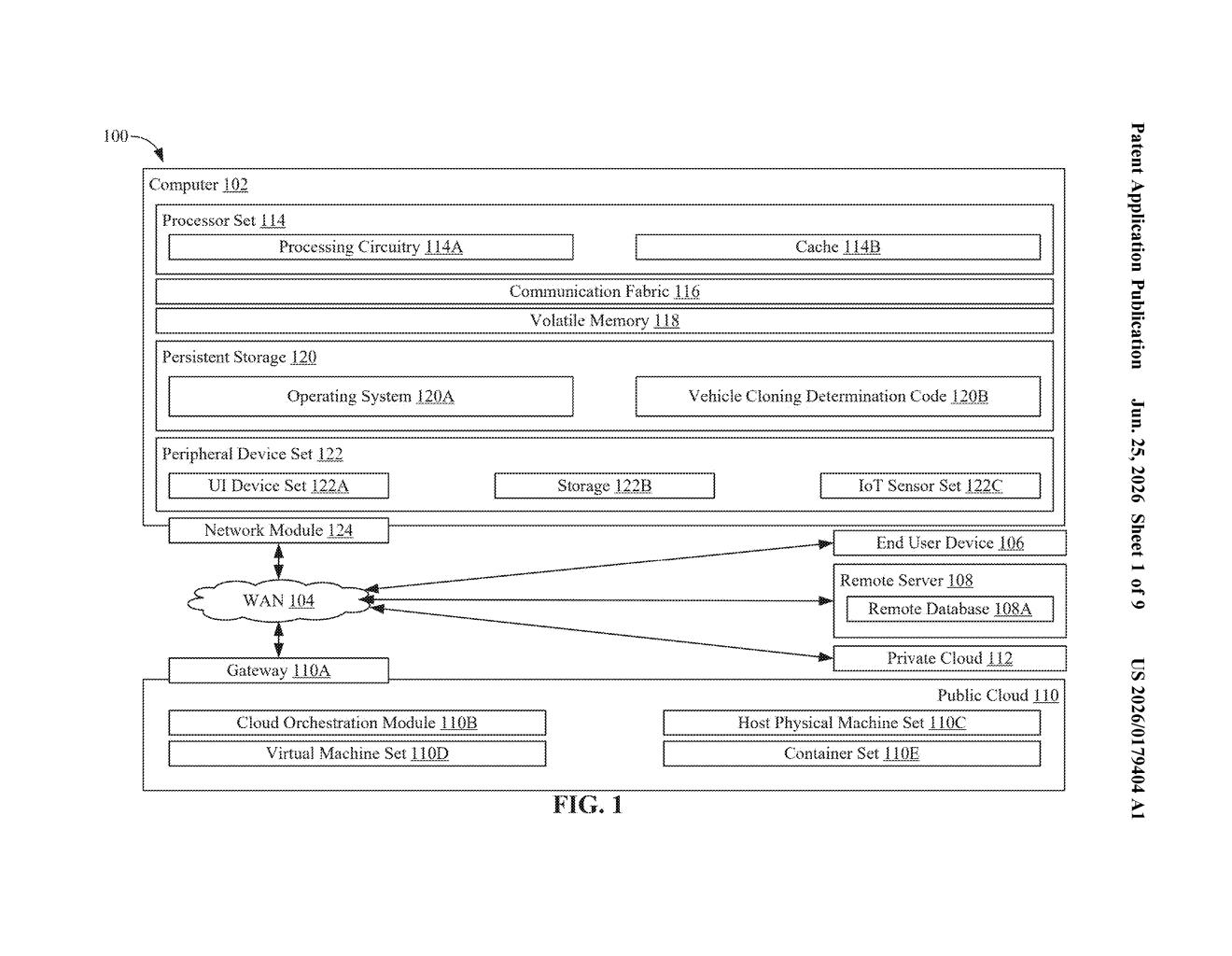
How IBM's plate-cloning detector actually works
Imagine a thief copies your car's license plate and puts it on their own vehicle. Now there are two cars on the road sharing the same plate number. Traffic cameras, toll booths, and speed-enforcement systems would treat both vehicles as yours, letting the thief rack up fines, commit crimes, or evade detection while you take the blame.
IBM's patent describes a system designed to catch this. It watches for two different vehicles showing up with the same plate number, then checks where each one was spotted and when. If the two sightings are so far apart that no single car could have made the trip between them in that time window, the system flags it as a likely case of plate cloning.
The system assigns a confidence score to each suspicious match, taking into account vehicle details, timestamps, and GPS coordinates. If that score crosses a set threshold, it fires off an alert to whoever needs to know, whether that's law enforcement, a toll authority, or a fleet operator.
How the geo-location disparity score is calculated
The patent describes a computer-implemented method for detecting vehicle cloning, which is when a criminal copies a real car's license plate onto another vehicle to avoid detection or accountability.
Here's the core logic the system follows:
- It monitors license plate readings from cameras or other sensors and looks for any two vehicles that share the same plate number.
- It collects timestamp data (when each vehicle was seen) and location coordinates (where each was spotted), then calculates a "geo-location disparity factor," essentially a measure of how impossible or suspicious it would be for one vehicle to appear at both locations in that time frame.
- It layers in additional vehicle information (things like make, model, or color if available) to sharpen its calculation.
- It generates a confidence score from all that data, compares it against a preset threshold, and triggers an alert if the score indicates cloning.
The threshold approach matters because not every duplicate plate sighting is fraud. Database errors, misreads, or delayed camera syncs can create false matches. The confidence-scoring model is designed to separate genuine cloning cases from noise, reducing false alarms while still catching real fraud.
What this means for traffic cameras and vehicle fraud
License plate cloning is an underreported but genuinely costly problem. Criminals use cloned plates to run toll roads, avoid parking tickets, and most seriously, to commit crimes in vehicles that trace back to innocent owners. Traditional camera networks can read plates at scale but have no built-in logic to detect when the same plate is showing up in physically impossible places at the same time.
A system like this could slot into existing traffic-camera infrastructure without replacing it, adding a fraud-detection layer on top of what cities and toll operators already have. For you as a driver, the practical upside is that someone cloning your plate would be flagged quickly rather than generating violations against your record for months before anyone notices.
This is a practical, well-scoped idea for a real problem that existing camera networks don't handle well. The underlying logic, checking whether two sightings of the same plate are physically possible for one vehicle, is straightforward, and the confidence-scoring approach is a sensible way to handle the noise that comes with large-scale plate-reading systems. It's not flashy work, but it's the kind of infrastructure patent that could actually show up in a government or insurance-tech contract.
There are more where this came from
We read every patent application Big Tech publishes and send you the ones worth knowing. Plain English, free, every week.
Want this weekly breakdown for a company we don't cover? Patentlyze Pro →