
Sony Patents Headphones That Filter Out Your Own Voice While You Talk
When you wear noise-canceling headphones and start talking, your own voice can sound oddly loud or hollow in your ears. Sony is patenting a system that detects when you speak and removes your voice from what the headphones feed back to you.
What Sony's self-voice filtering actually does for you
Imagine putting on a pair of Sony headphones to hear the world around you more clearly, but every time you start talking, your own voice gets piped back into your ears at the same time. It can feel unnatural, distracting, or just plain weird.
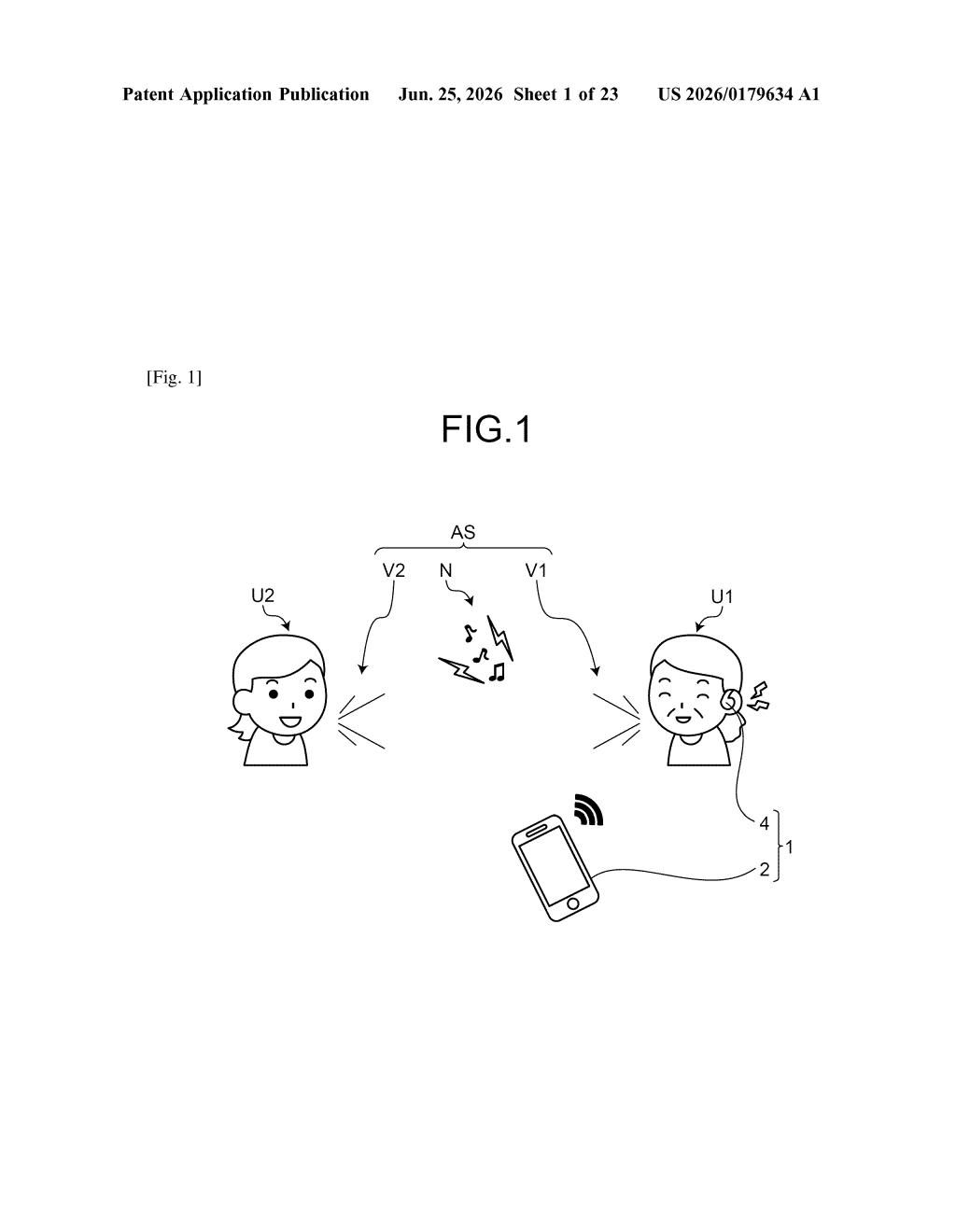
Sony's patent describes a wearable device that listens to the sound around you, including both your voice and the voices of other people nearby. When it detects that you are the one speaking, it automatically removes your voice from what it plays back to you, while keeping the other person's voice intact.
The result is that you hear the conversation from the outside the way it naturally sounds, without your own words echoing back at you. It's a small but meaningful fix for anyone who wears earbuds or headphones during real-world conversations.
How the device detects and strips the wearer's voice
The patent describes a wearable audio device with an output unit that processes ambient sound in real time. That ambient sound contains a mix of at least two voices: the person wearing the device (the "first user") and at least one other person nearby (the "second user").
The key step is utterance detection, where the device figures out, on the fly, when the wearer is actively speaking. Once it confirms the wearer has started talking, it applies voice suppression to remove that specific voice from the audio feed before playing it back through the earpiece.
The practical pipeline looks roughly like this:
- Microphones capture the full ambient soundscape around the wearer.
- An utterance detector identifies when the wearer's own voice is present.
- The output unit filters out the wearer's voice while preserving other speakers' voices.
- The cleaned audio is played back to the wearer in real time.
The patent keeps the implementation details broad, so the voice detection could work through a bone-conduction sensor, a close-talk microphone, or signal-processing software. The claim is technology-agnostic on that point.
What this means for Sony's next wireless headphones
For anyone who uses Sony's WH-1000XM or LinkBuds line in "ambient sound" or transparency mode, this addresses a genuine annoyance. Right now, when you speak with those modes active, you often hear your own voice amplified back at you. Sony's patent would let the headphones behave more like they aren't there at all during a conversation.
Beyond comfort, this kind of real-time voice separation is a building block for more sophisticated audio features: think automatic switching between conversation and music modes, or smarter AI assistants that only activate when someone else says the wake word. If Sony ships this, it could make wearable audio feel noticeably less intrusive in everyday use.
This is a focused, practical patent rather than a big conceptual swing. The problem it solves is real and well-known to anyone who has worn transparency-mode earbuds, and the approach is clean. Whether it produces genuinely better voice separation than existing methods depends entirely on implementation, which the patent doesn't specify.
There are more where this came from
We read every patent application Big Tech publishes and send you the ones worth knowing. Plain English, free, every week.
Want this weekly breakdown for a company we don't cover? Patentlyze Pro →