
Sony Patent Reveals Plans for a Customizable Shortcut Button on VR Headsets
Sony is patenting a VR headset with a dedicated button on the bottom of the visor that you can reprogram to do whatever you need most, including flipping on the see-through camera so you can check your surroundings without pulling the headset off.
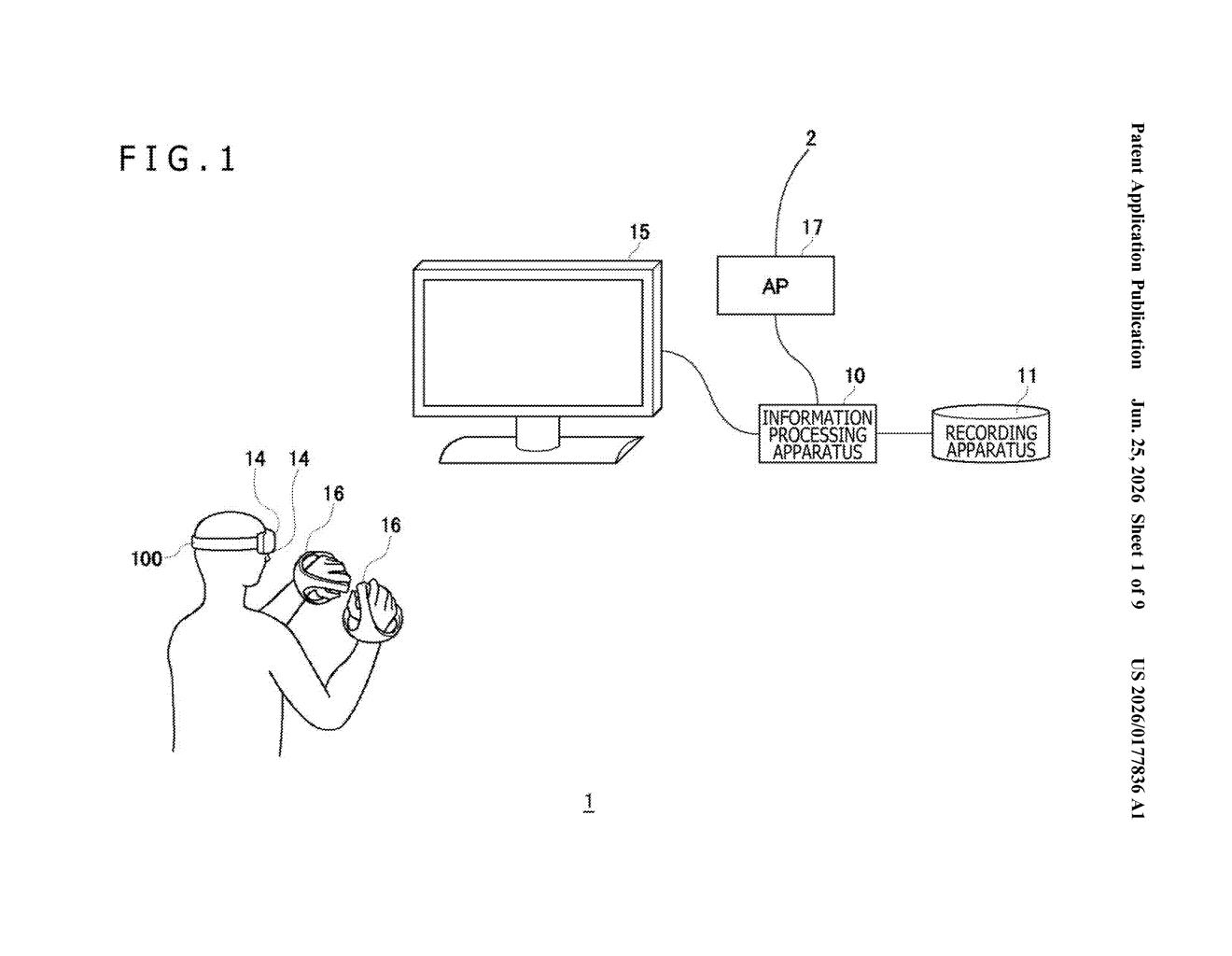
What Sony's programmable headset button actually does
Imagine you're deep in a VR game and someone walks into the room. Right now, you either pull the headset off your face or fumble through a menu to switch on the passthrough camera. Sony's patent describes a button on the underside of the headset that you could set up in advance to do exactly that with one press.
The idea is a customizable function button separate from the power button. Before you start using the headset, a screen walks you through picking what that button should do. One of the available options is turning on the front-facing camera so you can see the real world in front of you without removing the headset.
It's a small quality-of-life change, but VR headsets live or die by moments like these. The fewer times you have to take the headset off or dig through menus, the more comfortable the experience feels.
How the function button assignment system works
The patent describes a head-mounted display (HMD) with two physical buttons on the lower outer surface of the housing: a standard power button and a separate function button that can be reassigned by the user.
When the headset is set up, it displays a configuration screen prompting the user to choose which function to assign to that button. The patent lists several possible assignments, with one specifically called out: activating a passthrough view, meaning the headset captures a live image from a front-facing camera and displays it directly in front of the user's eyes, so they can see the real room around them.
The processing circuitry handles two tasks simultaneously:
- Displaying the assignment screen and storing the user's chosen function
- Running the front-facing camera and rendering its feed inside the headset display
The physical placement on the lower outer surface is intentional, making the button reachable by feel without removing the headset or looking away from whatever you're doing inside it.
What this means for PlayStation VR users
For anyone who has worn a VR headset for more than a few minutes, the awkwardness of getting back to the real world quickly is a genuine frustration. A physical button on the outside of the visor, reachable without taking the headset off, solves a problem that current headsets often handle through voice commands or buried menus.
The passthrough camera function specifically is worth noting. Competing headsets like Apple's Vision Pro and Meta Quest 3 already offer passthrough as a headline feature. This patent suggests Sony is thinking carefully about how PlayStation VR users access that feature fast, which could point toward a future headset revision where ease of switching between virtual and real worlds is a priority.
This is a modest but sensible patent. A reprogrammable shortcut button is exactly the kind of detail that separates a headset people tolerate from one they actually enjoy wearing. The passthrough camera use case alone justifies it. Don't expect this to generate headlines, but do expect it to matter when the next PlayStation VR hardware ships.
There are more where this came from
We read every patent application Big Tech publishes and send you the ones worth knowing. Plain English, free, every week.
Want this weekly breakdown for a company we don't cover? Patentlyze Pro →