
ATI Technologies Patents a Display System That Dims Each Screen Zone Separately
Most screens light up as one big slab, even when three-quarters of the image is pitch black. ATI Technologies has filed a patent for a system that lets the graphics processor individually tune the backlight for each zone of the screen, frame by frame.
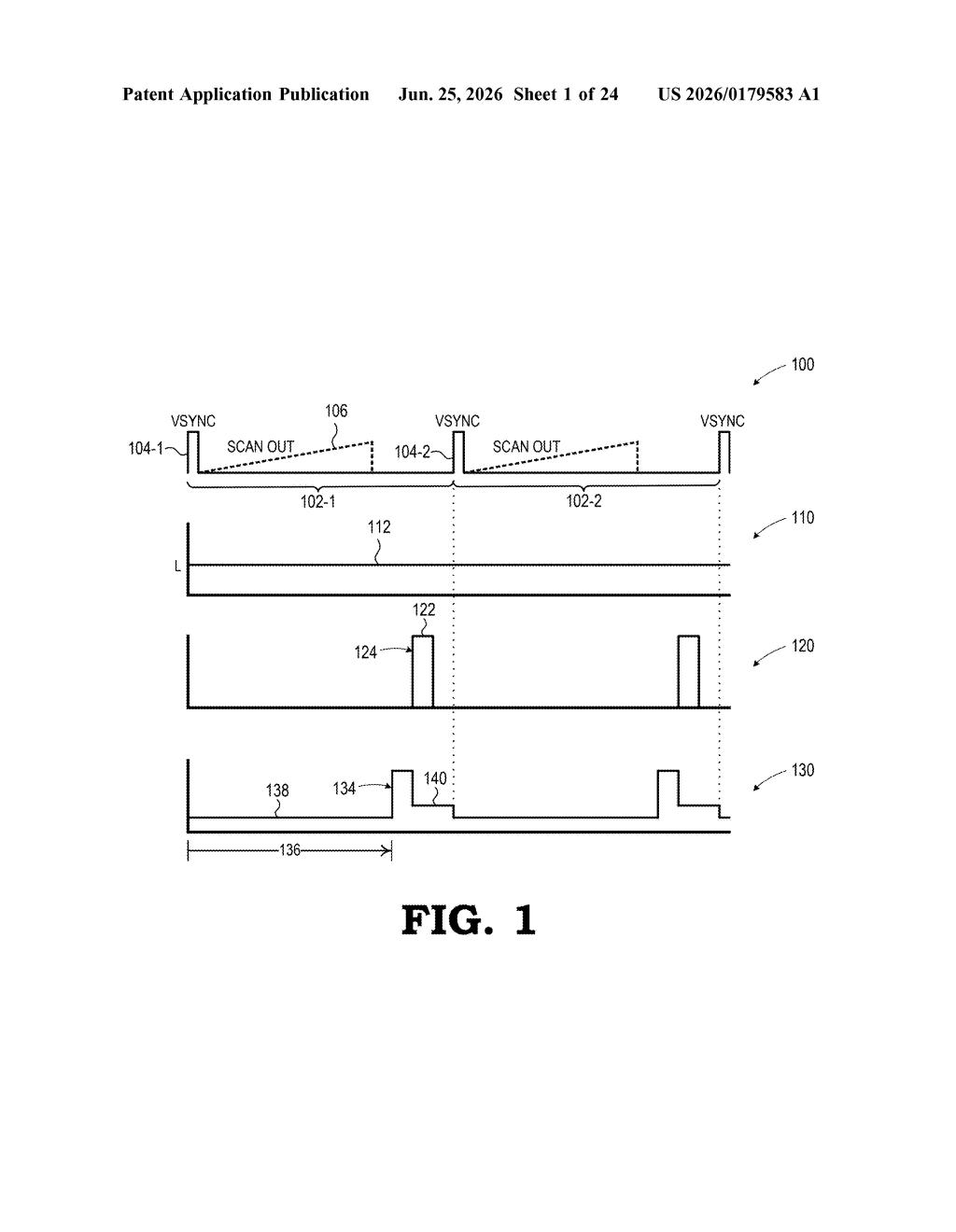
What ATI's per-zone backlight control actually does
Imagine watching a movie with a dark, starry sky filling most of the screen and a single bright lamp in the corner. A typical TV or monitor blasts light across the whole panel at once, which means those black areas look more like dark grey, and the lamp never looks as crisp as it should.
ATI's patent describes a system where the graphics chip analyzes each region of the image it's about to display and tells the screen exactly how bright to make each backlight zone for that frame. A dark region gets dimmed down; a bright region gets the full treatment. The system can also control a strobing effect, which is a rapid flicker of the backlight that reduces motion blur on fast-moving content.
The result is deeper blacks sitting right next to bright highlights, on the same screen, at the same time, without those highlights bleeding into the dark areas next to them.
How the GPU sets each illumination zone per frame
The patent describes a pipeline where a rendering device (essentially a GPU or display controller) does two jobs at once: it renders the image frame, and it calculates a brightness representation for each region of that frame.
Each region of the image maps directly to a physical illumination region on the display panel, which is an independently controllable backlight zone. Based on how bright or dark that part of the image is, the rendering device sends an illumination configuration to the display for that zone.
That configuration can control three things:
- Illumination level: how bright the backlight shines in that zone
- Duration: how long the backlight stays on within the frame period
- Strobe position: when within the frame a brief backlight flash fires, which affects motion clarity
The settings can apply to the current frame or the next one, giving the system a small window to compensate for processing delays. The key architectural point is that the GPU side, not the display panel's own firmware, is doing the per-region brightness analysis and sending instructions down.
What this means for display quality and power use
Local dimming, where different parts of a screen are lit at different levels, already exists in high-end TVs. What this patent adds is a tighter coupling between the GPU and the display, so the lighting decisions are made by the chip that already knows exactly what it's drawing, rather than by the panel guessing after the fact. That could mean faster, more accurate adjustments and finer control over strobe timing for motion clarity.
For everyday users, the promise is monitors or TVs that show genuinely deep blacks next to bright highlights without the halo glow that plagues current local-dimming panels. For AMD (ATI's parent company), building this logic into the GPU opens a path to differentiating Radeon-based display systems at the software and driver level.
This is a practical, incremental display engineering patent rather than a headline-grabbing concept. The real interest is architectural: pushing per-zone backlight logic into the GPU pipeline rather than the panel could produce noticeably better results for local dimming, and it fits AMD's strategy of tying display features tightly to Radeon hardware. Worth a look if you follow display tech or AMD's product roadmap.
There are more where this came from
We read every patent application Big Tech publishes and send you the ones worth knowing. Plain English, free, every week.
Want this weekly breakdown for a company we don't cover? Patentlyze Pro →