
New Apple Patent Detects Safe vs Dangerous Metal Heating in Wireless Charging
Every wireless charger loses some energy to heat in nearby metal, and that's normal. The hard part is telling that normal heat apart from, say, a coin or key sitting on your charging pad that's about to get dangerously hot.
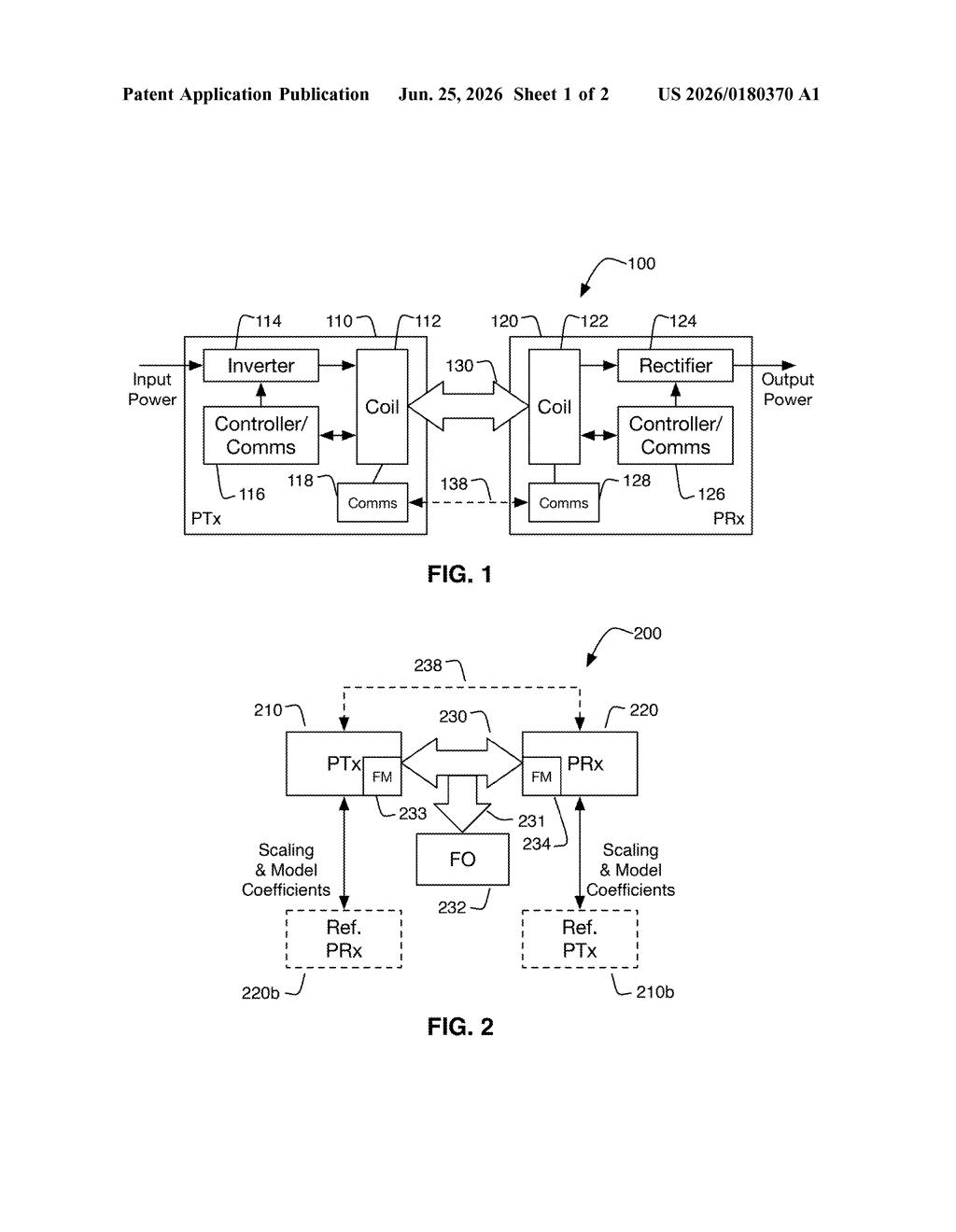
What Apple's wireless charging metal-loss check actually does
Imagine you set your iPhone on a wireless charger with your car key accidentally tucked underneath. The charger has no easy way to know whether the heat it's generating is coming from the phone's own metal parts doing their normal thing, or from that key cooking on the pad.
Apple's patent describes a method for sorting those two things out. The system measures the magnetic field flowing through the charger's coil and uses that to calculate how much energy is being lost specifically to expected, safe metal inside the device itself. Call that the baseline.
Once you know the baseline, anything extra stands out as a potential foreign object, and the charger can respond by slowing down or stopping the charge before anything gets damaged or overheated. It's a more precise way to do something chargers already try to do, just with better math behind it.
How Apple measures coil flux to isolate metal loss types
The patent centers on a concept called "friendly metal loss", which refers to the energy naturally absorbed as heat by metal components that are supposed to be there, such as a phone's chassis, shielding, or internal frame. This is distinct from "foreign object loss," the energy absorbed by stray metallic items that shouldn't be on the charging pad.
The method works in three steps:
- Measure observable electrical parameters during charging, things like voltage, current, and frequency at the coil.
- Use those readings to calculate the magnetic flux (the strength and distribution of the magnetic field) flowing through the wireless power transfer coil.
- From that flux value, estimate the expected friendly metal loss, then subtract it from total measured losses to isolate any foreign object contribution.
The key insight is that magnetic flux is a reliable proxy for how much energy the known, fixed metal in the device should be absorbing at any given power level. If real-world losses exceed that calculated baseline, the excess is flagged as a foreign object signature and the system can throttle or cut power accordingly. The approach works on both the transmitter (the charging pad) and the receiver (the phone or other device).
What this means for MagSafe and Qi charger safety
Wireless charging safety systems today generally rely on temperature sensors or coarse power-loss thresholds to detect foreign objects. Those methods can generate false alarms from the phone's own metal or, worse, miss slow-developing heat buildup in a thin piece of metal. Apple's flux-based math could make detection more accurate across a wider range of accessories and device cases, including the metal-bodied ones that tend to confuse existing systems.
For everyday users, this is mostly invisible infrastructure. If it works as described, it means your MagSafe charger could handle a wider variety of edge cases, such as metal wallet attachments or thick cases, without either false stops or safety misses. It also suggests Apple is still investing seriously in the physics layer of wireless charging, not just the user-facing speed numbers.
This is unglamorous but genuinely useful engineering. Foreign object detection is one of the least-discussed reasons wireless charging is still slower and more restricted than it could be, and a more precise baseline calculation is a real step forward. It won't make headlines at a product launch, but it's the kind of foundational work that eventually lets Apple ship faster chargers with fewer warnings.
There are more where this came from
We read every patent application Big Tech publishes and send you the ones worth knowing. Plain English, free, every week.
Want this weekly breakdown for a company we don't cover? Patentlyze Pro →