
Samsung Patents a System That Routes Tasks Away from Worn-Out Chips
Every chip in your phone gradually wears out, but they don't all wear out at the same rate. Samsung's new patent describes a system that notices the difference and steers work toward whichever processor is still in better shape.
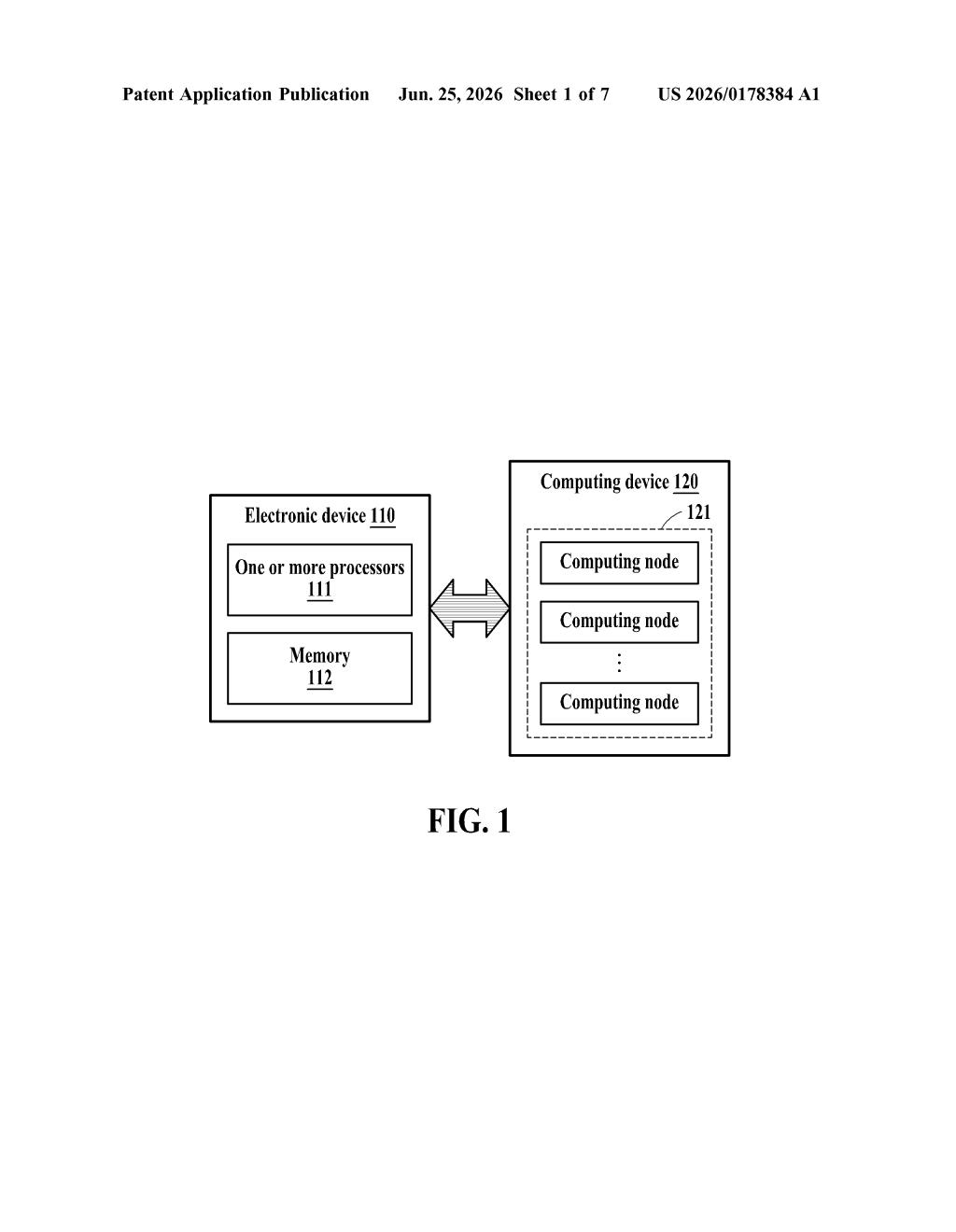
How Samsung's wear-aware task routing actually works
Imagine your car's four tires wearing unevenly. A smart alignment system might shift weight toward the less-worn tires to keep you rolling longer before any one tire blows. Samsung's patent applies that same logic to the chips inside a device.
Modern phones and tablets contain several different kinds of processors, such as a main CPU, a graphics chip, and an AI chip. Each one handles different kinds of tasks, but they also age differently depending on how hard they've been pushed. This patent describes a way to measure that wear and automatically send new tasks to whichever processor has aged the least.
The goal is to even out the workload over time so no single processor degrades much faster than the others. In theory, that could mean a device that stays reliable and performant for longer, because you're not grinding one chip into the ground while the others sit relatively fresh.
How the device measures and acts on chip degradation
The patent describes an electronic device with multiple computing nodes, meaning a collection of different processor types (for example, a CPU, GPU, and NPU) that can each run the same class of task.
The core idea is a degradation-aware scheduler: a piece of software that tracks how worn each processor is and uses that information when deciding where to send incoming work. "Degradation degree" likely refers to metrics like how much the chip's operating characteristics have shifted from factory spec over its lifetime, a real phenomenon caused by voltage stress and heat cycling.
When a new task arrives, the scheduler:
- Reads the current degradation score for each eligible processor
- Picks the target computing node with the lowest (or most acceptable) wear level
- Assigns the task there instead of using a fixed or purely performance-based policy
Critically, the patent specifies that the pool of available processors includes different types of processing units. That means the system isn't just choosing between identical CPU cores; it's choosing across architecturally distinct chips, which adds complexity because each type has different performance and power characteristics on top of its degradation state.
What this means for long-term device performance
For consumers, longer-lasting hardware is the direct payoff. If a scheduler can spread wear more evenly across chips, the device as a whole should hold up better over a multi-year lifespan, which is increasingly relevant as phone replacement cycles stretch out.
For Samsung, this fits a broader engineering pattern in devices that pack increasingly diverse silicon: Exynos SoCs already combine CPU, GPU, and NPU cores, and future Galaxy devices will likely add more specialized processors. A degradation-aware scheduler would give Samsung a way to manage that complexity without leaving chip longevity entirely to chance or to fixed priority rules baked in at design time.
This is a sensible, if unglamorous, systems patent. Chip wear is a real problem that becomes more visible as devices age, and routing work away from degraded processors is a legitimate engineering lever. The patent is fairly narrow in scope, covering the concept more than a specific implementation, so its real value depends entirely on what Samsung builds on top of it.
There are more where this came from
We read every patent application Big Tech publishes and send you the ones worth knowing. Plain English, free, every week.
Want this weekly breakdown for a company we don't cover? Patentlyze Pro →