
Qualcomm Patents a System That Reduces the Number of Wireless Chip Tests Needed
Every radio chip in your phone has to be individually tested and tuned before it ships. Qualcomm thinks machine learning can do that job in a fraction of the time by testing only a small sample of paths and applying the results to the rest.
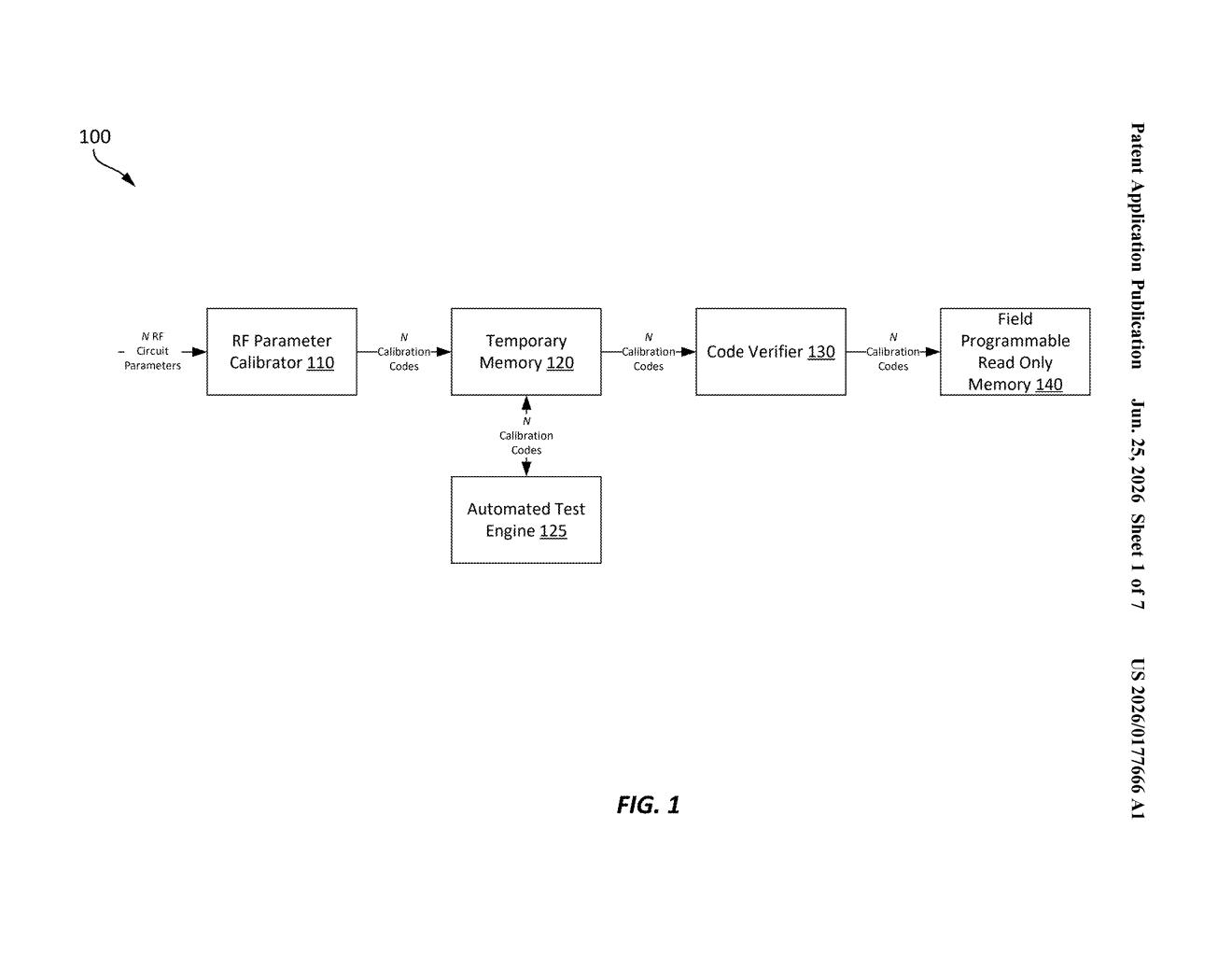
What Qualcomm's RF calibration shortcut actually does
Imagine a factory tuning thousands of tiny signal channels inside a chip, one by one. Each channel has to be measured and adjusted so your phone's radio works correctly. That process takes time, and time in chip manufacturing means money.
Qualcomm's patent describes a way to group those channels by similarity, then test just one channel per group. If a handful of channels behave nearly identically, you only need to tune one of them and apply those same settings to the others. A machine learning model does the grouping automatically based on measurement data.
The result is a lookup table that maps every channel to its "representative" counterpart. Chip testers read the table instead of running every individual measurement. In theory, you get the same quality of calibration with far fewer tests.
How the clustering model picks representative signal paths
The patent targets RF circuit calibration, the process of measuring and correcting the behavior of the many signal paths inside a radio chip. A modern chip can contain a large number of these paths, and each one needs a set of calibration codes (tuning values) to compensate for tiny manufacturing differences.
Qualcomm's method feeds a dataset of measurements from all those paths into a clustering model (an algorithm that groups similar items together, similar to how a playlist app groups songs by genre). Paths that behave alike end up in the same cluster.
From each cluster, the system picks one representative calibration path. The calibration codes calculated for that representative are then applied to every other path in the cluster, on the assumption that members of the same cluster are similar enough that one set of tuning values works for all of them.
Finally, a lookup table is generated that records which paths belong to which cluster and which representative they should borrow settings from. That table can be used during production testing to skip redundant measurements.
What this means for chip manufacturing costs and speed
Chip calibration is a real bottleneck in production. The more tests you can skip without degrading quality, the faster a factory can ship parts and the lower the per-unit cost. For Qualcomm, which supplies modem and RF chips to most of the world's Android phones (and Apple's iPhones), even a small reduction in test time across billions of units adds up quickly.
For consumers, the direct impact is indirect but real: faster production cycles and lower manufacturing overhead can translate to better margins or lower component prices. If the ML grouping is accurate enough, radio performance should be unchanged while the factory floor moves faster.
This is unglamorous but genuinely useful engineering. Chip calibration is one of those invisible bottlenecks that never makes headlines yet determines how fast and cheaply a product can ship. Applying clustering models to reduce test coverage is a sensible idea, and Qualcomm is in a position to roll this into its existing manufacturing pipeline at scale.
There are more where this came from
We read every patent application Big Tech publishes and send you the ones worth knowing. Plain English, free, every week.
Want this weekly breakdown for a company we don't cover? Patentlyze Pro →