
AMD Patents a Graphics Chip Memory System That Only Loads What It Needs
AMD has filed a patent for a graphics memory technique that lets the GPU claim address space on paper without actually consuming physical memory until the moment it's needed. It's a housekeeping trick, but one that could unlock bigger textures and more efficient game performance.
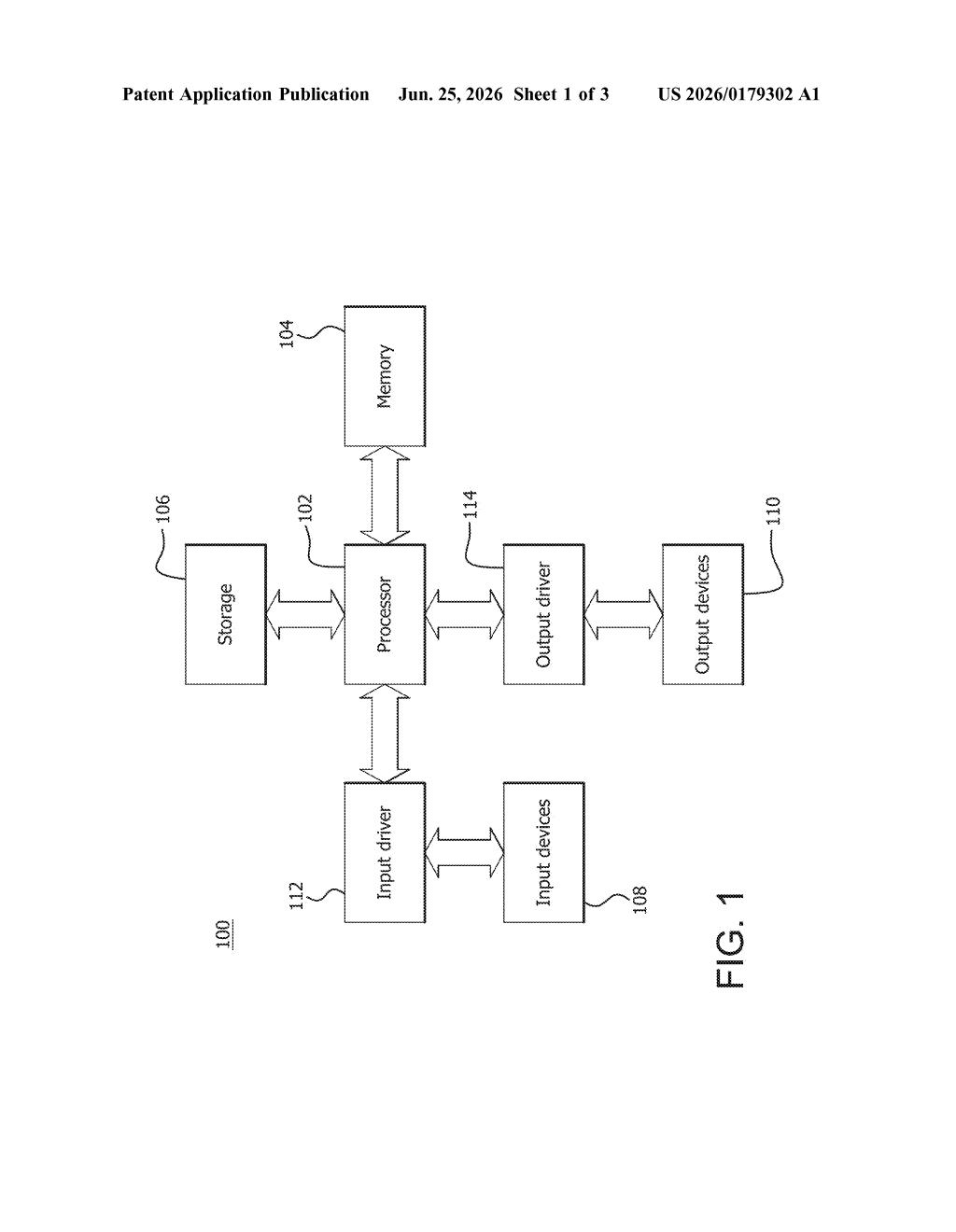
How AMD's on-demand GPU memory reservation works
Imagine reserving a whole parking garage but only paying for individual spots as cars actually arrive. AMD's patent describes something similar for GPU memory. A game or app can tell the graphics card: 'I'm going to need a big chunk of memory eventually' without the card immediately setting aside actual physical RAM for it.
Only when the software says 'okay, I actually need this specific part now' does the card commit real memory to that section. The rest stays as a placeholder on an address map but costs nothing in actual hardware resources.
This matters because GPU memory is scarce and expensive. High-resolution textures, complex 3D scenes, and AI workloads all compete for the same pool. A system that lets you reserve space flexibly and fill it in on demand wastes less and gives developers more breathing room.
Inside AMD's two-step sparse memory commitment system
The patent describes a two-step process for managing GPU memory through what AMD calls a sparse data store.
- Allocation command: The application requests a graphics resource object and reserves a virtual address range. No physical memory is actually assigned yet. Think of it as drawing a box on a map labeled 'future warehouse here.'
- Commitment command: Later, the application sends a second command specifying a sub-range of that address space along with a commitment indicator, which tells the driver whether to attach real physical memory to that range or release it back to the pool.
The commitment indicator is essentially a toggle: commit this memory region now, or decommit it (free the physical backing while keeping the virtual address reserved). This mirrors a concept called sparse or virtual texturing, which has existed in graphics APIs for years but is typically implemented differently across vendors.
What AMD is patenting here appears to be a specific API-level mechanism, the precise command structure and commitment-state model, for doing this inside a graphics library. The approach gives the driver and application fine-grained, range-level control over which parts of a large resource actually consume physical memory at any given moment.
What this means for large textures and GPU memory pressure
For developers building games or GPU-accelerated applications with very large textures or datasets, managing video memory by hand is one of the most tedious parts of the job. A system like this lets an application pre-declare a massive virtual resource and then populate only the tiles or regions the player or workload actually touches, which keeps GPU memory use proportional to what's actually on screen.
For you as a player or user, the downstream effect could be fewer texture pop-in moments, better performance on cards with limited VRAM, or the ability to load higher-resolution assets on the same hardware. It's not a feature you'd see advertised on a box, but it's the kind of low-level plumbing that makes everything above it work better.
This is infrastructure-level patent work, and it shows. It's not a flashy AI feature or a new display trick. But sparse memory management is genuinely useful territory, and the specific command-structure approach AMD is patenting here is the kind of thing that determines whether a graphics API is pleasant or painful to build on. Worth tracking if you follow GPU architecture or graphics API design.
There are more where this came from
We read every patent application Big Tech publishes and send you the ones worth knowing. Plain English, free, every week.
Want this weekly breakdown for a company we don't cover? Patentlyze Pro →