
Waymo's New Patent Tests Self-Driving Software Against Thousands of Real Road Replays
Before a self-driving car hits the road with a new software update, Waymo wants to make sure it can run that software through thousands of replays of real driving situations first. This patent describes exactly how that testing works.
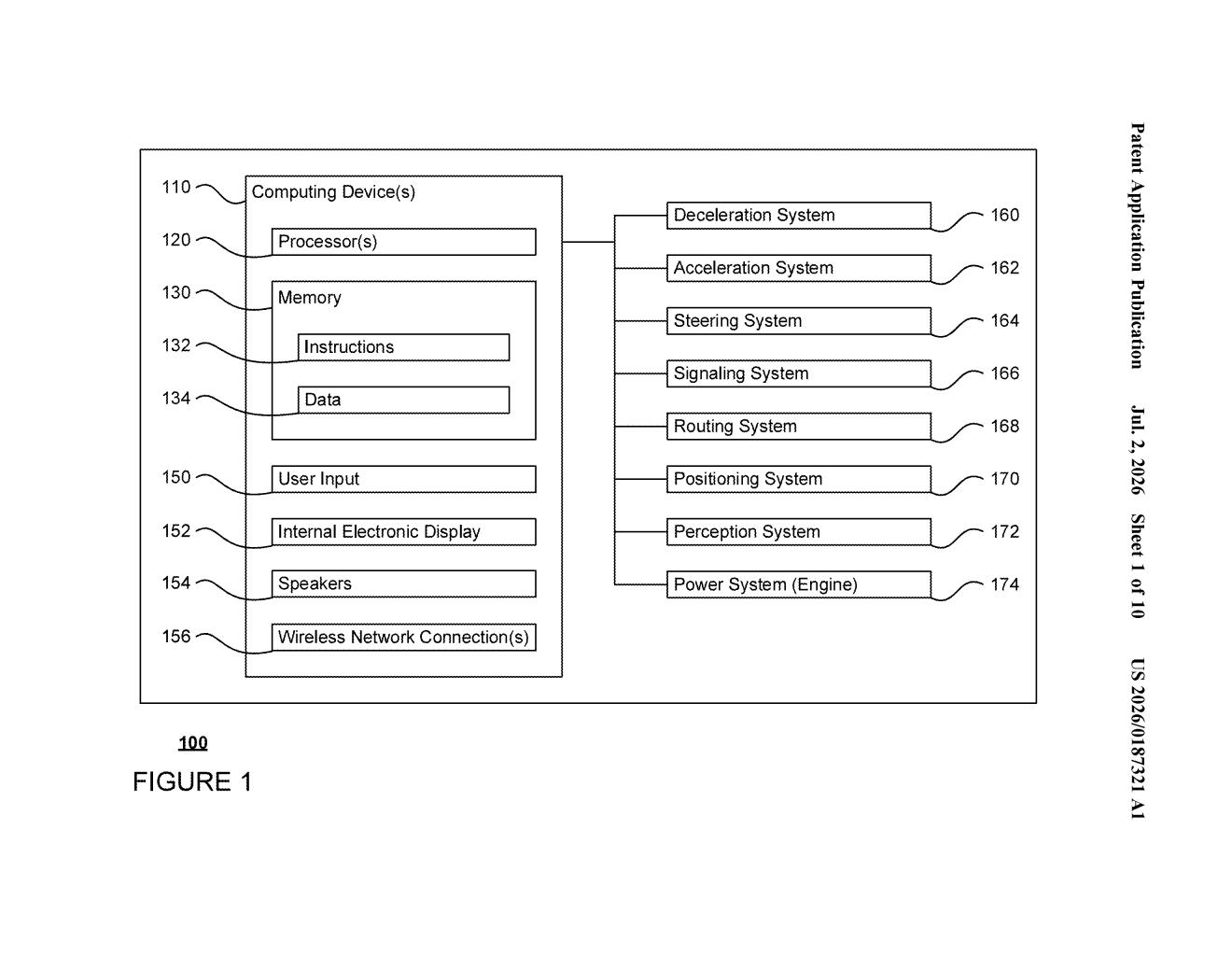
What Waymo's simulation testing system actually does
Imagine you're a driving instructor who records every student's trip, then later replays those exact same road situations to test a new batch of students. If the new students start and finish their turns in roughly the same spots as the originals, you can be reasonably confident they learned the right behavior. Waymo's system works the same way.
Waymo's real vehicles collect detailed sensor data every time they drive. This patent describes a process for feeding that recorded data back into a simulation, then watching how Waymo's self-driving software handles the same maneuver all over again. The software drives through the situation on its own, and the system checks whether it started and finished the maneuver in roughly the same place as the real car did.
Critically, the simulation strips out the behavior of other cars and pedestrians. That's intentional: Waymo wants to isolate its own software's decisions, not the ripple effects of what everyone else on the road was doing.
How Waymo's software compares simulated vs. Real maneuvers
The patent describes a multi-mode simulation framework built around log data (sensor recordings from real Waymo vehicles). Engineers can run four types of tests from this data:
- Selection simulation: picks a location in the recorded area relevant to a particular maneuver, like a left turn at a specific intersection.
- Decision process simulation: steps through the software's moment-by-moment decision-making during that maneuver.
- Maneuver simulation: runs the full maneuver start to finish in the simulated environment.
- Replay simulation: directly replays what the real vehicle did from the log, as a baseline comparison.
The key evaluation step compares where the simulated vehicle started and ended a maneuver against where the real vehicle did. If those positions diverge significantly, it signals the software is behaving differently than the real-world car did under identical conditions.
One notable design choice: the simulation deliberately excludes how other road agents (cars, cyclists, pedestrians) respond to the self-driving car. This isolates the autonomous system's own decision quality from the chaos of real traffic, making it easier to pinpoint whether a change in software caused a change in driving behavior.
What this means for how self-driving cars get safer
Self-driving software is updated constantly, and every update carries some risk of introducing a regression (a change that makes the car worse at something it previously handled well). A testing system tied to real-world recorded data gives Waymo a concrete, reproducible way to catch those regressions before a vehicle goes out on public roads.
For you as a rider or a pedestrian, the practical implication is that Waymo can run a new software build through millions of real driving situations without putting a single car on the street. The comparison between where the simulation said the car would be and where the real car actually was becomes a measurable quality check, not just an engineer's gut feeling.
This is unglamorous but important infrastructure work. The ability to systematically test software against a library of real-world maneuvers, and flag when the simulation drifts from the logged reality, is exactly the kind of disciplined engineering that separates serious autonomous vehicle programs from demos. It won't make headlines the way a robotaxi launch does, but it's the kind of patent that actually matters for safety.
Get our take in your Top Stories
Liked this breakdown? Add Patentlyze as a preferred source on Google, and our plain-English take shows up more often in your Top Stories the next time Google patent news breaks.
There are more where this came from
We read every patent application Big Tech publishes and send you the ones worth knowing. Plain English, free, every week.
Want this weekly breakdown for a company we don't cover? Patentlyze Pro →