
Google Patents a Way to Teach AI When to Say 'The Answer Isn't Here'
AI systems that confidently make up answers are a well-documented problem. Google is patenting a training method designed to teach models to recognize when a document simply does not contain the answer to your question.
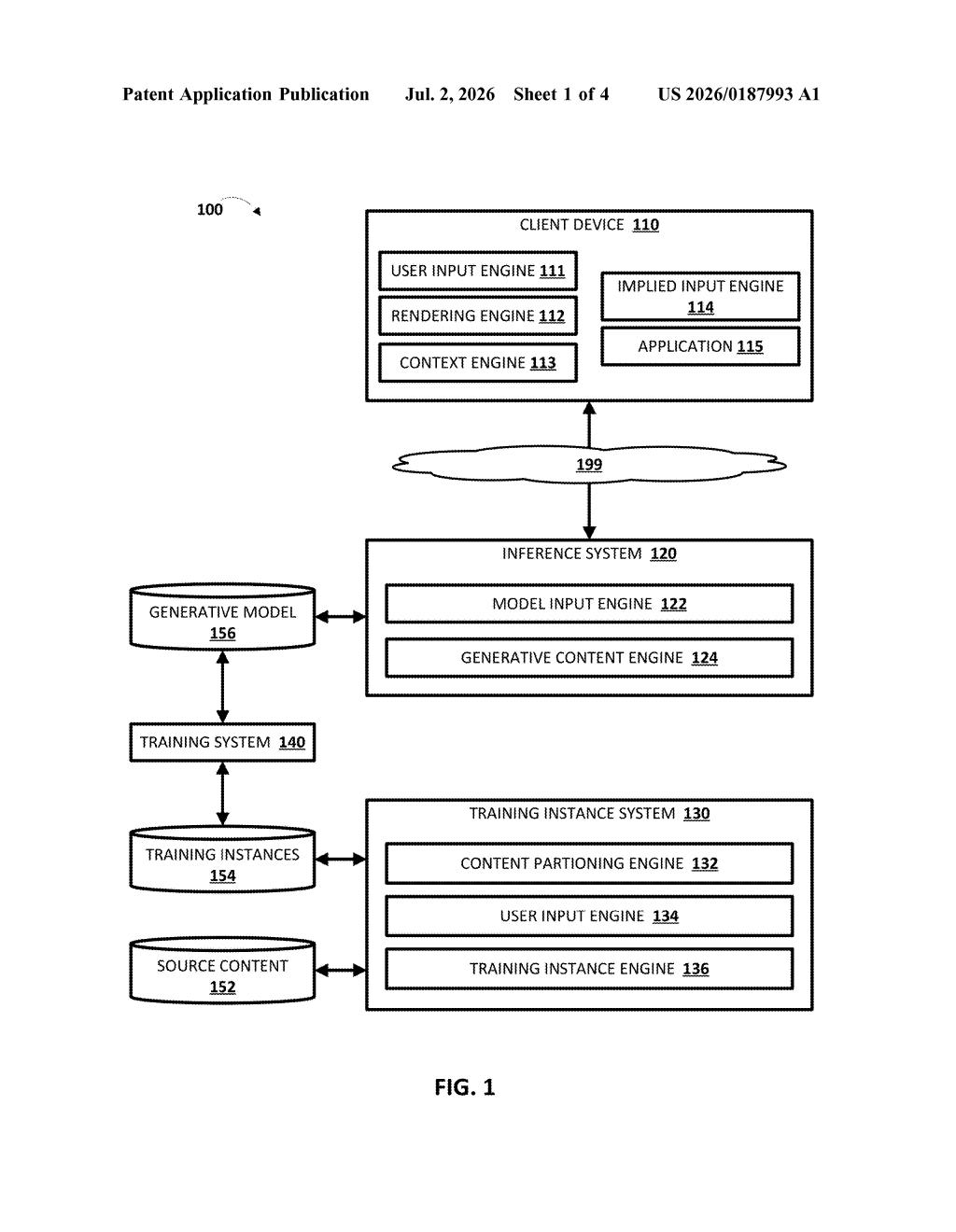
What Google's document-grounding training system actually does
Imagine asking an AI assistant a question about a long contract, and instead of inventing a plausible-sounding answer, it tells you: 'That information isn't in this document.' That's the behavior Google is trying to bake in from the start.
This patent describes a method for creating training data that labels each section of a document as either useful or not useful for answering a specific question. The AI learns, chunk by chunk, which parts of a document are relevant and which are not, and ultimately whether a question can be answered at all from what's in front of it.
The goal is an AI that doesn't just retrieve text but actually judges whether the text it has covers your question. That matters a lot for tools like AI-powered document search, customer support bots, or anything where a wrong confident answer is worse than an honest 'I don't know.'
How Google labels document chunks to train answerability
The patent describes a pipeline for building training instances, which are labeled examples used to teach a generative model a specific skill.
For each document in a large collection, the system:
- Splits the document into multiple parts (think paragraphs or sections)
- Pairs each part with a query (a question that may or may not be answerable from that part)
- Generates a label for each part indicating whether the query can be answered using only the information in that part
Those labeled bundles (the parts, the query, and all the labels together) become training data. A generative model trained on this data learns to output not just an answer but a judgment: given this document and this question, is the question actually answerable here?
This is sometimes called answerability detection, and it targets a core failure mode of large language models: confidently generating text that sounds correct but isn't grounded in any source material the model was given. By training on fine-grained, per-section labels rather than just whole-document signals, the model gets a more precise picture of where information lives and where it doesn't.
What this means for AI search and document Q&A tools
For anyone using AI to work through long documents, like legal contracts, research papers, or support documentation, the ability to say 'this isn't in here' is just as valuable as returning a good answer. A model that knows its own limits is far more trustworthy than one that fills gaps with convincing fiction.
This patent fits into Google's broader push to make retrieval-augmented generation (where an AI is given documents to reference before answering) more reliable. Products like Google's NotebookLM or AI-powered search features could directly benefit from models trained this way. The technique is also a general-purpose training recipe, meaning it could apply across many document Q&A systems, not just Google's own.
This is a solid, unglamorous piece of infrastructure work that addresses one of the most practical complaints about AI assistants: they lie confidently. The training approach is sensible, the problem it solves is real, and the fact that it produces reusable labeled training data means its value compounds. Not a flashy filing, but the kind of thing that makes AI tools actually usable.
Get our take in your Top Stories
Liked this breakdown? Add Patentlyze as a preferred source on Google, and our plain-English take shows up more often in your Top Stories the next time Google patent news breaks.
There are more where this came from
We read every patent application Big Tech publishes and send you the ones worth knowing. Plain English, free, every week.
Want this weekly breakdown for a company we don't cover? Patentlyze Pro →