
Google Patent Reveals App Features That Surface Automatically Based on Displayed Content
Most apps are full of features nobody uses because nobody knows they exist. Google is filing a patent for a system that watches what you're looking at and suggests the right tool at the right moment.
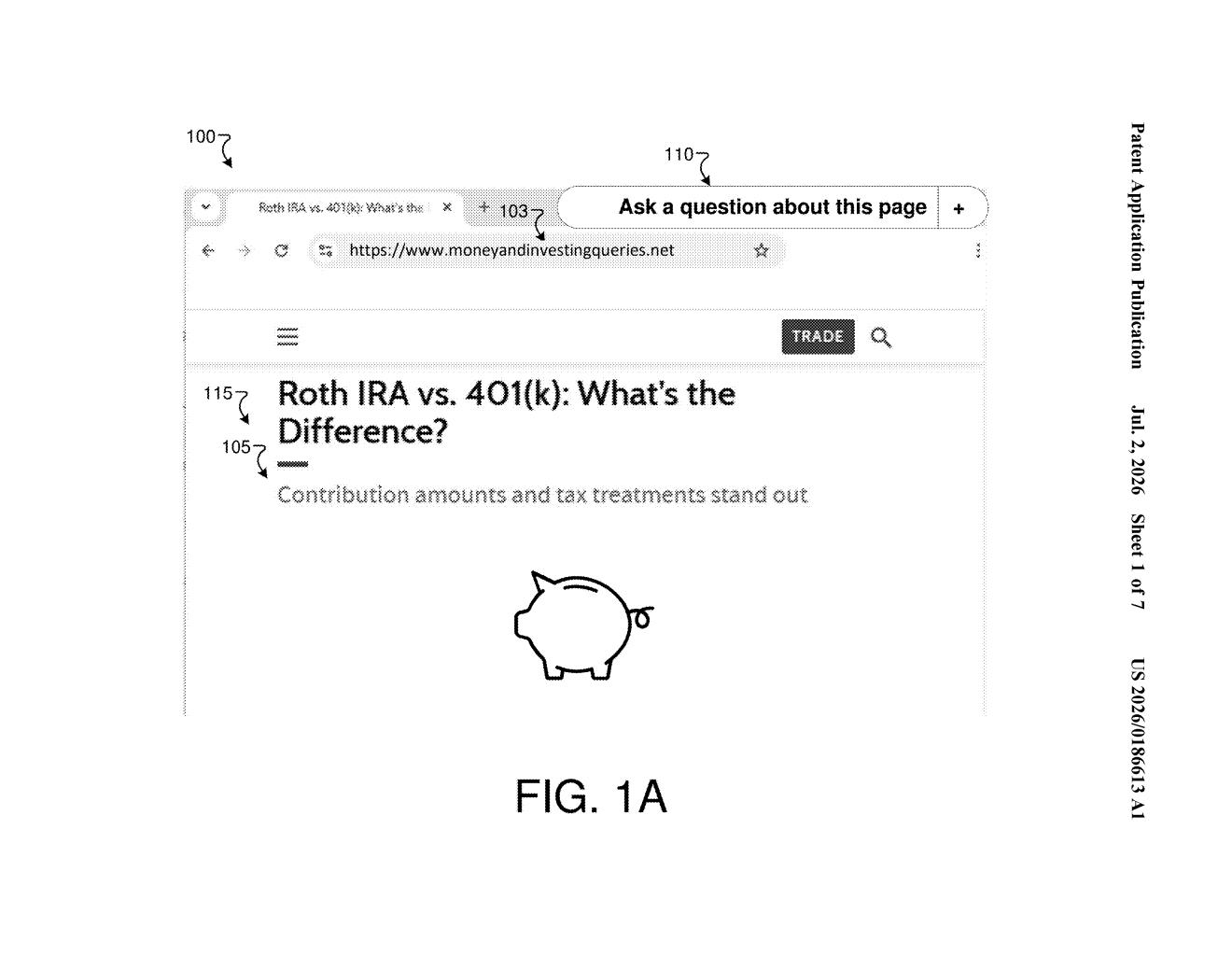
What Google's contextual feature nudging actually does
Imagine you're reading a foreign-language article in Chrome, and a small button appears offering to translate it. You didn't go looking for a translate option. The browser noticed what you were doing and brought the feature to you.
That's the core idea here. Google is patenting a system where an app monitors what content is on your screen and, based on that context, automatically surfaces a feature you might want. It could be a reader mode, a price-tracker, a save-to-pocket button, or anything the app supports but normally buries in menus.
The system works by checking the current page or content against a lookup table that links specific types of content (or actual web addresses) to relevant features. When there's a match, a small UI element appears. No digging through settings, no remembering that a feature exists.
How the system matches your content to hidden features
The patent describes a client-server loop. When a user interacts with an application's interface (say, clicking into a page or scrolling), the app detects that interaction and sends a request to a remote server.
That server holds a feature-mapping database: a prespecified list of associations between resource identifiers (URLs, content types, page patterns) and specific app features. The server looks up the current content, identifies a relevant feature, and sends it back to the app.
The app then renders a UI element tied to that feature. Tapping or clicking it invokes the feature directly. The user never had to know the feature existed or where to find it.
The claim specifically covers:
- Detecting user interaction with the interface
- Initiating a server connection in response
- Receiving a feature recommendation from that server
- Displaying a UI element that triggers the recommended feature
The system is designed to be fully automatic: no user configuration, no opt-in prompts for individual features. The server side does the matching work, which also means the feature library can be updated centrally without app updates.
What this means for Chrome and Google's app ecosystem
For Google, this is squarely aimed at Chrome, which has accumulated dozens of features most users never discover. Translation, reading mode, password checks, shopping tools, tab grouping. A system that contextually nudges users toward the right feature at the right moment could meaningfully increase engagement with tools Google has already built.
For you as a user, it cuts both ways. Done well, it removes the frustration of not knowing what your browser can do. Done poorly, it becomes another source of pop-up fatigue. The patent describes the server-side matching as driven by URL associations, which means Google could also use it to surface features on partner pages or tie it to ad-adjacent tools. Worth keeping an eye on how this gets implemented.
This is a browser UX patent, not an AI moonshot, but it's solving a real and underappreciated problem: feature discoverability. Google has spent years adding capabilities to Chrome that the average person never finds. If this system ships and is tastefully implemented, it could make Chrome feel genuinely more helpful without requiring any behavior change from users. The server-side architecture is the interesting detail here because it means Google controls the matching logic and can change what gets surfaced without pushing an update.
There are more where this came from
We read every patent application Big Tech publishes and send you the ones worth knowing. Plain English, free, every week.
Want this weekly breakdown for a company we don't cover? Patentlyze Pro →
Be the first to weigh in