
Tesla's New Patent Lets Your Car Schedule Its Own Repairs
Tesla is patenting a system where your car runs its own diagnostic tests, filters the results, and works with Tesla's servers to offer you a service appointment, all without you having to describe what's wrong to a service advisor.
What Tesla's self-scheduling car diagnostics actually do
Imagine your car makes a strange noise or throws up a warning light. Right now, you'd call a service center, try to explain the problem, wait for an appointment, and then wait again while a technician figures out what's actually wrong.
Tesla's new patent describes a system that handles much of that upfront work automatically. Your car captures what you tell it ("there's a vibration at highway speed") or what it notices on its own through its sensors. It then runs a targeted set of diagnostic checks and sends the results to Tesla's servers.
On the server side, Tesla's systems look at those results and decide whether a service visit is actually needed, and if so, what kind. You'd then get an offer for a specific appointment, already matched to the problem your car identified. The goal is to cut out the guesswork and the back-and-forth that makes car service frustrating.
How the car and Tesla's servers split the diagnostic work
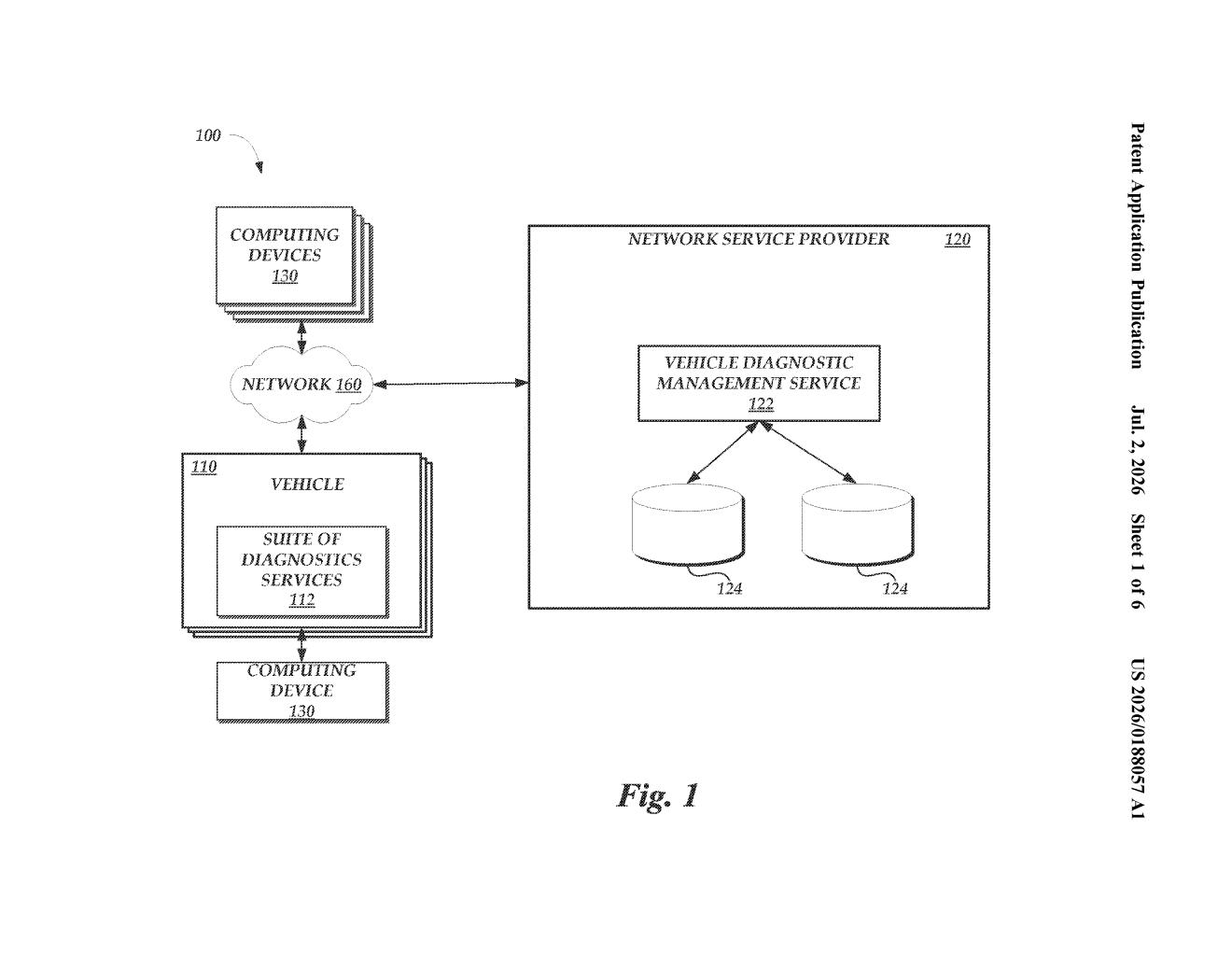
The patent describes a two-part system: one computing device inside the car and a second one on Tesla's network-based infrastructure.
On the car side, the system captures input in two ways:
- Something you tell it directly (a "user concern," like reporting an unusual sound or a specific symptom)
- Something the car observes on its own through its operational sensors (unusual readings, logged errors, behavioral anomalies)
Based on that input, the car runs what the patent calls a "suite of diagnostic services", essentially a targeted battery of automated tests chosen to investigate the specific complaint or observed issue, rather than running every possible check.
On the server side, Tesla's network component receives the diagnostic results and applies further filtering and analysis (essentially cross-referencing the car's findings against known issues and service procedures) to determine whether a service appointment is warranted and what corrective actions would be needed.
The final step loops back to you: the car receives a determined "service offer" from Tesla's servers, which you can approve or decline. Pre-service steps, things a technician or the car may need to complete before the main repair, are also flagged ahead of time.
What this means for Tesla owners dealing with service
Tesla already handles a lot of service remotely through over-the-air software updates, but physical repairs still require a trip to a service center. The friction point has always been the intake process: owners often can't describe problems precisely, and service advisors have to start from scratch diagnosing issues that the car's own computers may already understand. This patent is aimed squarely at that gap.
For Tesla owners, the practical upside would be fewer wasted appointments and faster turnarounds, since the service center would already know what's wrong before you arrive. It also shifts more diagnostic intelligence onto the car itself, which fits Tesla's broader pattern of treating its vehicles as always-connected computing platforms rather than machines that only get checked when something breaks.
This is a practical, unglamorous patent that addresses a real and persistent pain point: Tesla's service experience has been a consistent weak spot, and this kind of automated diagnostic intake could meaningfully reduce the friction. It's not a flashy AI moonshot, but it's the kind of operational infrastructure improvement that actually changes day-to-day ownership.
Get our take in your Top Stories
Liked this breakdown? Add Patentlyze as a preferred source on Google, and our plain-English take shows up more often in your Top Stories the next time Tesla patent news breaks.
There are more where this came from
We read every patent application Big Tech publishes and send you the ones worth knowing. Plain English, free, every week.
Want this weekly breakdown for a company we don't cover? Patentlyze Pro →