
Samsung Patents AI Training Shared Across Separate, Isolated Sections of a 5G Network
5G networks carve themselves into separate 'slices' for different customers, and those slices don't normally share data. Samsung's new patent describes a way to train AI models across all those isolated slices anyway, without any slice handing its raw data to another.
What Samsung's federated network-slice AI actually does
Imagine a mobile carrier running separate, walled-off sections of its 5G network for a hospital, a factory, and a stadium, each one with strict rules about sharing data. Training an AI to manage the whole network normally requires pooling that data together, which breaks those rules.
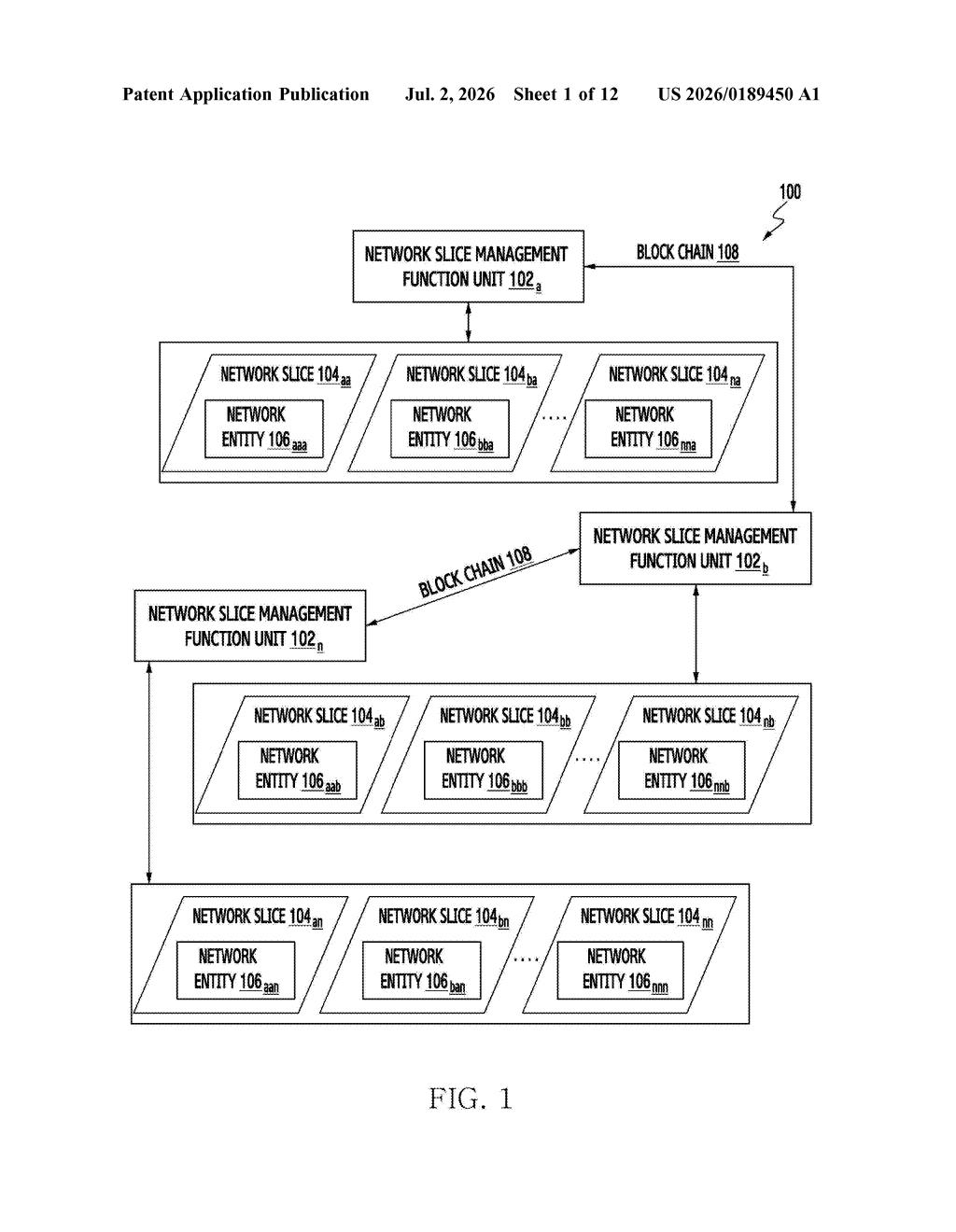
Samsung's patent describes a coordination system that lets each slice train a small piece of an AI model on its own local data, then share only the learned patterns (not the raw data) upward to a central coordinator. The coordinator combines those patterns into one improved model and sends it back down. No private data ever leaves its slice.
The trick is a layer of management objects that each slice's controller uses to subscribe to the process, report performance numbers, and receive updated model results. It keeps every slice in sync without forcing any of them to open their data to the others.
How the managed object system coordinates the learning loop
The patent describes a federated learning coordination protocol layered on top of 5G's existing network-slicing management architecture.
Each network slice is managed by a Network Slice Management Function (NSMF), essentially the slice's own control software. A higher-level network entity (think of it as the coordinator sitting above all the slices) orchestrates the AI training process by creating and managing a set of Managed Object Instances (MOIs). An MOI is a formal data structure in telecom management standards that represents a real-world resource or process, like a configuration record the system can read and write.
The flow works in stages:
- Each NSMF asks the coordinator to register a federated-learning MOI for its slice.
- The coordinator first checks and creates a companion MOI that tracks performance metrics (signal quality, latency, load, etc.) for the AI model running in that slice.
- Once the performance-metrics MOI is confirmed, the coordinator creates the federated-learning MOI and tells each NSMF it's ready.
- Each NSMF then subscribes to the learning process; when a performance event fires (say, latency spikes past a threshold), the coordinator sends an updated model response back to that slice.
The architecture follows the 3GPP O&M (Operations and Maintenance) object model, so it's designed to slot into existing telecom management frameworks rather than requiring a clean-slate rebuild.
What this means for AI-driven 5G network management
For telecom operators, network slicing is one of 5G's headline selling points: the ability to guarantee performance for a specific customer or use case on shared physical hardware. But managing dozens of slices with separate AI models is expensive, and pooling their data to train a single shared model violates enterprise privacy agreements. This patent addresses exactly that tension.
If Samsung productizes this, it could appear in its telecom infrastructure software (the company is a major supplier of 5G RAN and core equipment). For enterprise customers buying dedicated 5G slices, it hints at a future where your slice's AI improves from what every other slice is learning, without anyone seeing your traffic.
This is deep telecom-infrastructure plumbing, and it won't make headlines outside of 3GPP standards meetings. But Samsung is a serious 5G equipment vendor, not just a phone maker, and filing patents that map federated learning onto the existing O&M object model is a real engineering bet. The value is long-term: whoever owns the management-layer standards for AI-driven network slicing will have significant leverage with carriers.
Get our take in your Top Stories
Liked this breakdown? Add Patentlyze as a preferred source on Google, and our plain-English take shows up more often in your Top Stories the next time Samsung patent news breaks.
There are more where this came from
We read every patent application Big Tech publishes and send you the ones worth knowing. Plain English, free, every week.
Want this weekly breakdown for a company we don't cover? Patentlyze Pro →