
Samsung Patents a Selective Data-Sync Check for Multi-Node Computing Systems
When dozens of computing nodes share and modify the same data, constantly double-checking every write operation wastes time and processing power. Samsung's new patent describes a way to skip those checks selectively, using a single bit flag to decide when verification is actually necessary.
What Samsung's selective memory sync actually does
Imagine a busy office where several colleagues are all working from the same shared document. Every time someone saves a change, the system could force everyone to stop and confirm their own copy is still up to date. That's safe, but slow. Samsung's patent describes a way to skip that confirmation step when the system already knows it's unnecessary.
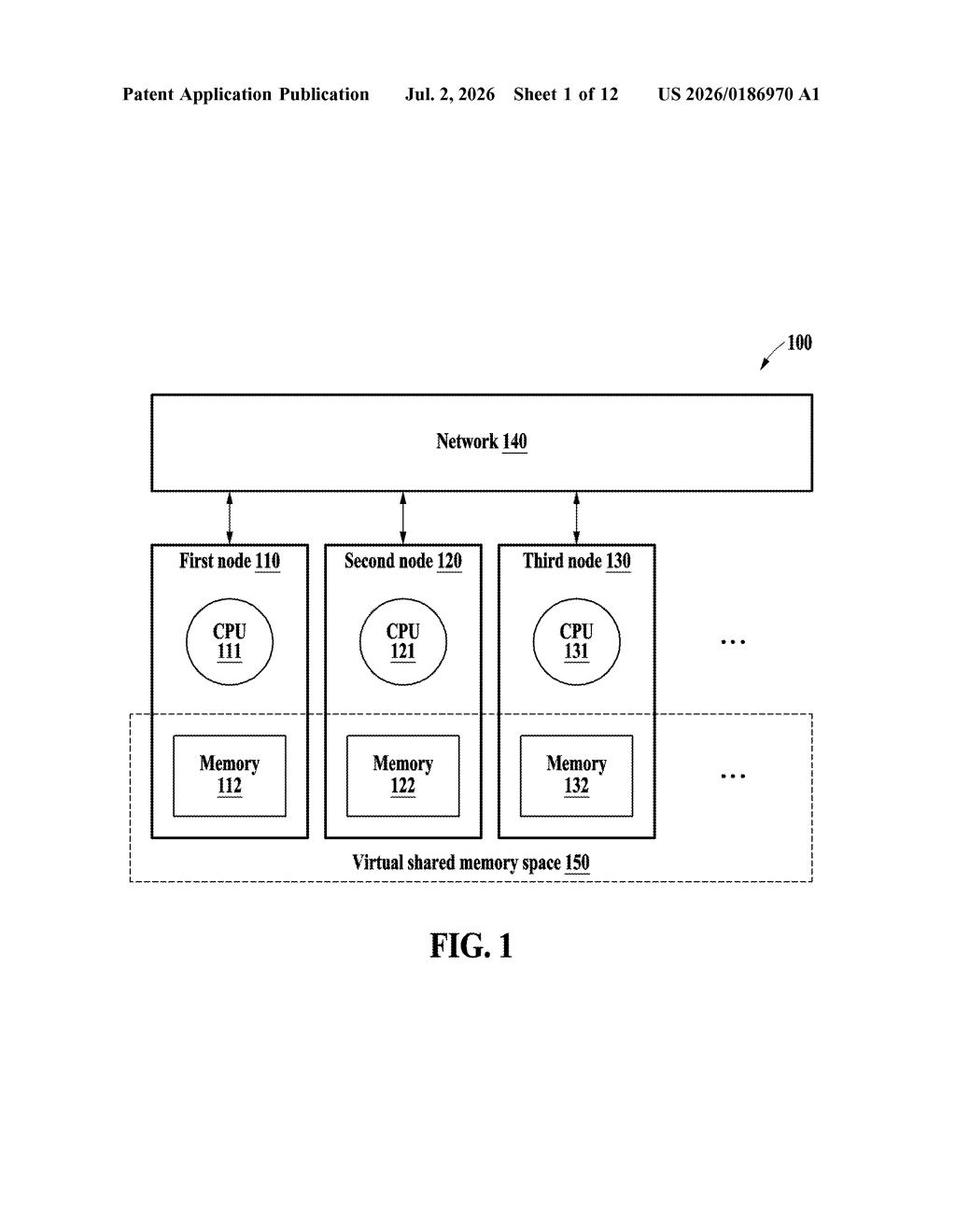
In a multi-node computing setup (think a data center where many processors share memory), one node can send data to another, let that second node modify it, and then decide whether to write those changes back without running a full consistency check. The decision comes down to a single control flag, essentially a yes-or-no switch attached to that region of memory.
The result is a system that can be selectively strict or lenient about data synchronization depending on the situation, rather than applying the same overhead to every single write operation.
How the verification activation bit controls data writes
The patent describes a multi-node computing system where processors (nodes) can share data stored in one node's memory with other nodes. When the second node finishes modifying that data, it sends a write request back to the first node, along with its own identifier so the origin node knows who made the change.
The key mechanism is a verification activation bit, a single binary flag (0 or 1) associated with a specific region of memory called a "data space." The first node checks this bit before deciding what to do with the incoming modified data:
- If the bit says verification is on, the node runs a coherence check (confirming the data is still consistent across all nodes before writing).
- If the bit says verification is off, the node skips that check entirely and writes the modified data directly.
Memory coherence (keeping every node's view of shared data consistent) is one of the hardest and most expensive problems in multi-processor systems. By making it optional on a per-memory-region basis, the system can avoid unnecessary overhead in situations where strict synchronization is not required.
What this means for large-scale server and AI hardware
In large computing clusters, AI training rigs, or high-performance servers, memory coherence overhead can eat into performance significantly. Every unnecessary consistency check burns CPU cycles and adds latency. A mechanism that lets the system skip those checks for specific memory regions, when the application already guarantees data safety, is a practical engineering gain.
For Samsung, which manufactures both memory chips and server processors, this kind of patent sits squarely in its data center and AI infrastructure ambitions. The approach is particularly relevant as AI workloads increasingly demand tightly coupled multi-node memory architectures where performance and correctness have to be balanced carefully.
This is solid but unspectacular infrastructure work. The idea of using a control bit to toggle coherence checking per memory region is a well-understood optimization technique in systems architecture, so the novelty here is likely in the specific implementation details rather than the core concept. Worth tracking as a signal of Samsung's data center hardware roadmap, but not a patent that changes any fundamental calculus.
Get our take in your Top Stories
Liked this breakdown? Add Patentlyze as a preferred source on Google, and our plain-English take shows up more often in your Top Stories the next time Samsung patent news breaks.
There are more where this came from
We read every patent application Big Tech publishes and send you the ones worth knowing. Plain English, free, every week.
Want this weekly breakdown for a company we don't cover? Patentlyze Pro →