
Samsung Patents a Guide Robot That Switches Alerts Based on Your Eyesight
Most robots guide everyone the same way. Samsung's new patent describes one that first asks about your vision, then adjusts every warning it gives accordingly.
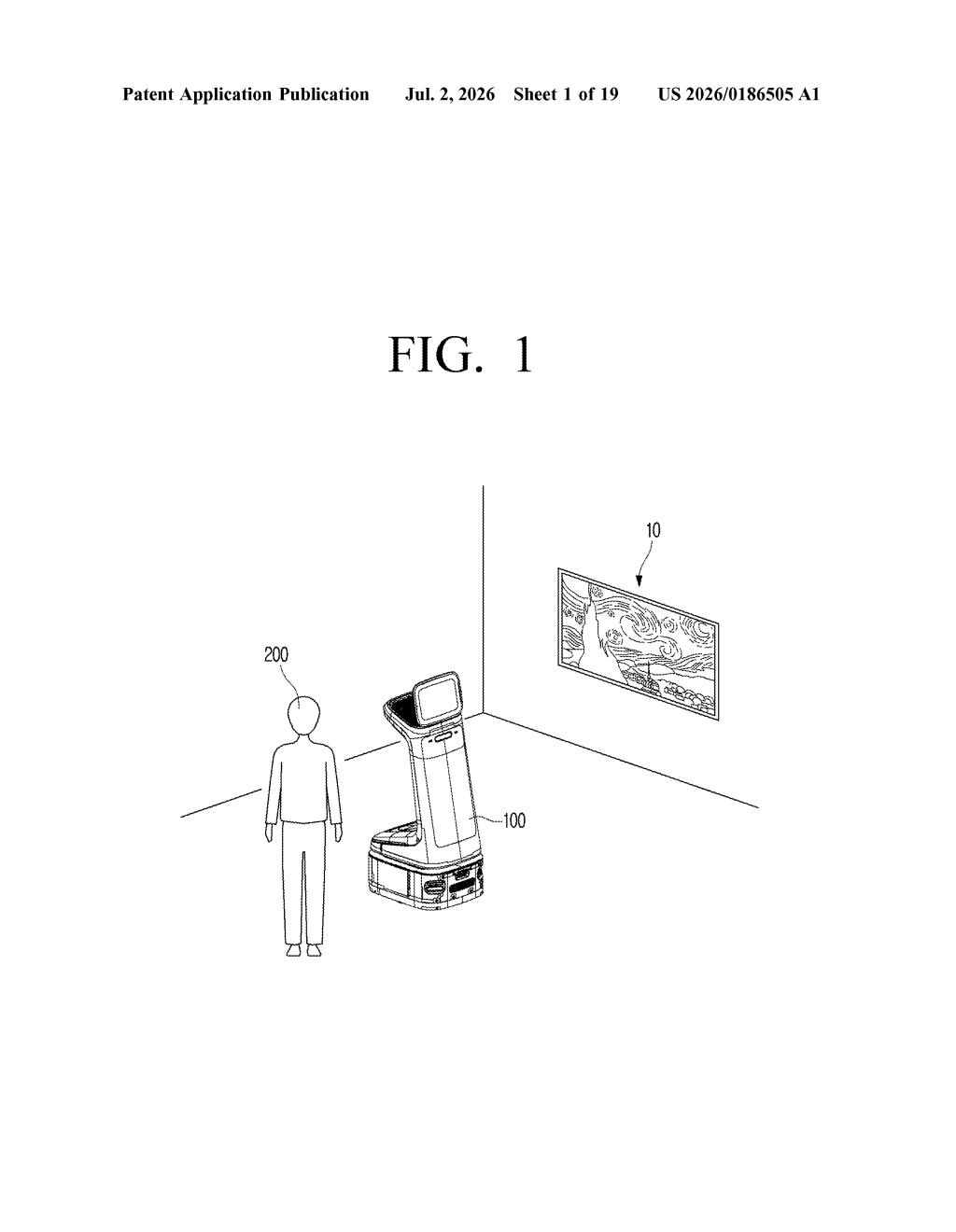
What Samsung's vision-aware guide robot actually does
Imagine a robot that escorts you through a hospital, a shopping mall, or an airport. If it spots an obstacle or a turn ahead, it needs to warn you. But how it warns you should depend on whether you can see.
Samsung's patent describes a guide robot that does exactly this. When you first start using it, you tell it about your vision. If you can see normally, the robot can flash lights or show visual cues alongside spoken alerts. If you have low or no vision, it drops the visual signals entirely and relies on voice guidance or physical vibration through a handle you're holding.
The robot picks one of two operating modes based on that input and then sticks to the right kind of alert every time something happens on the path to your destination. It's a small design choice with a real impact: the robot stops assuming everyone experiences the world the same way.
How the robot picks visual, audio, or touch alerts
The patent describes a robot with a sensor suite, a motor-driven drive system, and an input interface where a user declares their vision status. Based on that input, the robot selects one of two "guide modes" before it starts navigating.
Mode one (sighted users) allows the robot to issue visual notifications (such as indicator lights or on-screen cues) or spoken audio alerts when the sensors detect a relevant event during navigation. Those events could include obstacles, stairs, intersections, or any condition that requires the user's attention.
Mode two (low-vision or blind users) removes visual alerts from the toolkit entirely. Instead, the robot relies on audible notifications (spoken or tonal) or tactile notifications, meaning physical feedback delivered through a cane-grip, handlebar, or similar interface the user is holding.
The core mechanism is a conditional branch: the processor checks which mode is active before choosing how to deliver any alert. There is no single universal alarm; every warning is routed through the mode filter first. The patent doesn't specify how vision status is entered (voice, app, button), only that it flows in through the input interface before the journey begins.
What this means for accessibility robotics
Guide robots are starting to appear in large venues like airports, hospitals, and shopping centers. Right now, most of them communicate through screens or lights, which are useless to users with significant vision loss. A robot that automatically shifts to audio or tactile feedback closes that gap without requiring someone to hack around a default setting.
For Samsung, this filing fits a broader push into service robotics. The company has shown wheeled guide and care robots at recent trade shows. A patent that explicitly addresses accessibility could signal that assistive navigation is a target market, not an afterthought, as those products move toward commercial deployment.
This is a genuinely thoughtful accessibility patent. The mechanism itself is simple, a conditional mode selector, but the user-centered framing (the robot adapts to you, not the other way around) is the right approach for public-space robotics. Whether Samsung ships something that actually uses it is another question, but the patent is worth tracking.
There are more where this came from
We read every patent application Big Tech publishes and send you the ones worth knowing. Plain English, free, every week.
Want this weekly breakdown for a company we don't cover? Patentlyze Pro →