
IBM Patents a System That Fetches Documents for You Mid-Video-Call
Imagine mentioning a spreadsheet during a Zoom call and having it appear on everyone's screen automatically, without you ever opening a file browser. That's what IBM is patenting here.
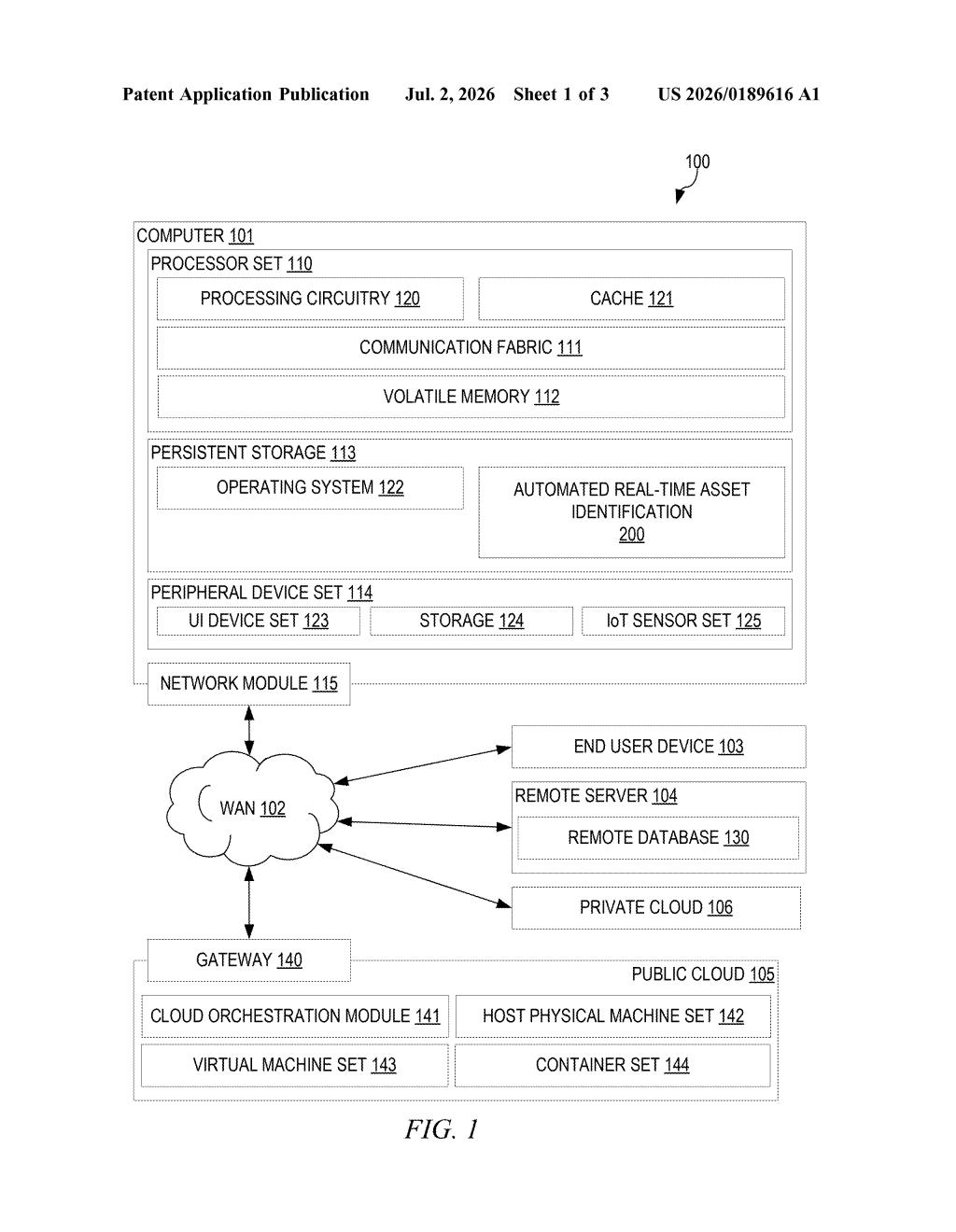
What IBM's live-call asset linking actually does
Picture this: you're in a video meeting and you say, "Let me reference the Q3 budget report." Right now, you'd probably stop, switch windows, find the file, share your screen, and hope everyone can see it. IBM's patent describes a system that skips all of that.
The system listens to what you're saying during a live video or audio call, converts your speech to text in real time, and scans that text for references to documents, files, or other assets. When it spots one, it automatically searches for the matching file and pushes it to everyone on the call, all while you keep talking.
The whole process runs as a background task so it doesn't interrupt the meeting itself. Think of it as a behind-the-scenes assistant that's always ready to pull up whatever you mention, before you even realize you need to find it.
How the background search process works during a call
The patent describes a pipeline that operates in four steps, all happening simultaneously with an ongoing video or audio call:
- Speech-to-text transcription: The system captures what a user is saying and converts it to a text representation in real time.
- Natural language processing (NLP): Software analyzes that text specifically looking for references to assets, things like document names, report titles, or project identifiers, rather than just general keywords.
- Automated search: One or more search queries are generated from those identified terms and executed against a file system, database, or content repository to find a matching asset.
- Automatic presentation: The matched asset is pushed to all participants' devices as part of the live stream, without requiring manual action from the speaker.
The NLP component is specifically tuned to recognize asset references, meaning it's not just picking up every noun you say. It's trained or configured to distinguish between casual conversation and an actual reference to a retrievable file or resource.
The patent doesn't lock this to a single platform, it describes a general mechanism applicable to any real-time streaming communication application.
What this means for workplace video conferencing
For anyone who spends significant time in video meetings, the friction of finding and sharing files mid-conversation is real and constant. This system would shift that burden from the human to the software, letting speakers stay focused rather than context-switching to a file browser.
From IBM's strategic angle, this fits squarely into its enterprise software focus, particularly tools like IBM webMethods or integrations with platforms like Microsoft Teams or Zoom aimed at large organizations. A system like this would be most valuable in environments where employees reference internal documents constantly, think compliance reviews, project updates, or sales calls. If IBM builds this into its own collaboration or workflow products, it could become a genuine differentiator for buyers who live in document-heavy workflows.
This is a practical, unglamorous idea that solves a real problem most office workers experience every day. It's not technically dazzling, the NLP and search pieces are well-established, but the specific application of tying them together in the background of a live call is genuinely useful. Whether IBM ships this or sells the concept is the real question.
Get our take in your Top Stories
Liked this breakdown? Add Patentlyze as a preferred source on Google, and our plain-English take shows up more often in your Top Stories the next time IBM patent news breaks.
There are more where this came from
We read every patent application Big Tech publishes and send you the ones worth knowing. Plain English, free, every week.
Want this weekly breakdown for a company we don't cover? Patentlyze Pro →