
Sony Patents a Camera That Keeps Fast-Moving Objects Locked in Frame
Keeping a sharp, perfectly framed shot of a sprinter or a flying drone is genuinely hard for conventional cameras. Sony is patenting a system that uses a fundamentally different type of image sensor to solve that problem in real time.
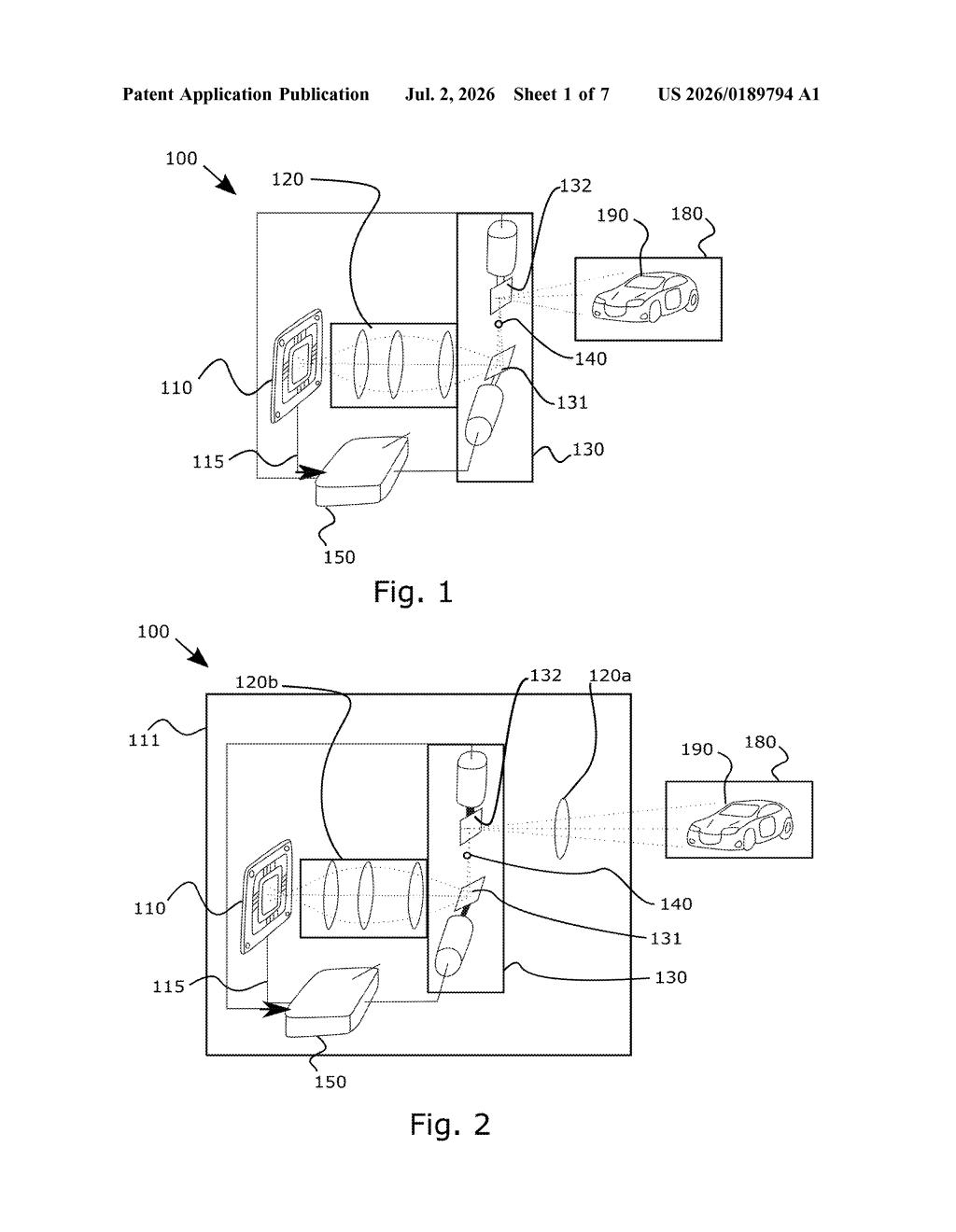
What Sony's mirror-plus-event-camera tracker actually does
Imagine trying to photograph a hummingbird in flight with a regular camera. By the time the camera figures out the bird has moved, the shot is already blurry and off-center. Sony's patent describes a camera designed specifically to avoid that problem.
The key ingredient is something called an event camera, a sensor that works nothing like the one in your phone. Instead of capturing full frames many times per second, it detects motion almost instantly, pixel by pixel, the moment any part of the scene changes. That near-instant signal is then used to physically steer a small mirror inside the camera so the object stays centered, while a separate lens automatically adjusts to keep the image sharp.
The result, on paper, is a camera that can track fast-moving subjects far more quickly than traditional designs because it is not waiting for a full image to be captured and processed before it reacts.
How the event camera drives the mirror and focus lens
The patent describes a tracking camera built around three cooperating hardware components:
- Mirror assembly: A steerable mirror that physically redirects the light path. Rather than moving the entire camera or relying on software cropping, the mirror redirects incoming light toward the sensor in real time.
- Event camera: An unconventional sensor that outputs data only when individual pixels detect a change in brightness (an "event"), rather than capturing full image frames at fixed intervals. This gives the system extremely low reaction time, sometimes measured in microseconds.
- Lens assembly: A focus-control element that the circuitry adjusts continuously, keeping the tracked object sharp even as the distance between camera and subject changes.
The circuitry at the heart of the system reads the event stream from the sensor and uses it to calculate where the subject has moved. It then sends correction signals simultaneously to the mirror (to re-aim the view) and to the lens (to maintain focus).
Because event cameras do not produce ordinary video frames, the control loop can react far faster than systems that wait for a full image to be captured, decoded, and analyzed. The patent does not describe the specific algorithm used to interpret the event data, focusing instead on the hardware architecture and the closed-loop control concept.
What this means for sports, broadcast, and robotics cameras
Event cameras have been a research curiosity for years, but pairing one directly with a steerable mirror and an autofocus lens in a single closed-loop system is a concrete engineering step toward cameras that can track things no conventional autofocus can follow. Think broadcast cameras trying to lock onto a tennis ball mid-rally, industrial inspection systems following parts on a high-speed line, or robotics vision that needs to react before a full video frame would even finish exposing.
For you as a consumer, this is still a research-stage concept. Sony regularly files patents that reflect lab work rather than announced products. But given that Sony makes sensors for both its own cameras and for many other manufacturers, any system that proves out here could eventually influence how pro broadcast rigs, sports cameras, or even future smartphone modules handle fast action.
This is a genuinely interesting hardware approach, not a software trick. Using an event camera as the feedback sensor for a physical mirror-steering system is a clever shortcut around the latency bottleneck that plagues conventional tracking. Whether Sony can make it practical and affordable enough for real products is the open question, but the core concept is worth watching.
Get our take in your Top Stories
Liked this breakdown? Add Patentlyze as a preferred source on Google, and our plain-English take shows up more often in your Top Stories the next time Sony patent news breaks.
There are more where this came from
We read every patent application Big Tech publishes and send you the ones worth knowing. Plain English, free, every week.
Want this weekly breakdown for a company we don't cover? Patentlyze Pro →