
Sony Patent Lets Users Tune AI Image Recognition Settings in Real Time
Most AI image recognition systems run one way and one way only. Sony is filing a patent for a system that lets a user dial in how hard the AI works, trading speed for accuracy depending on the situation.
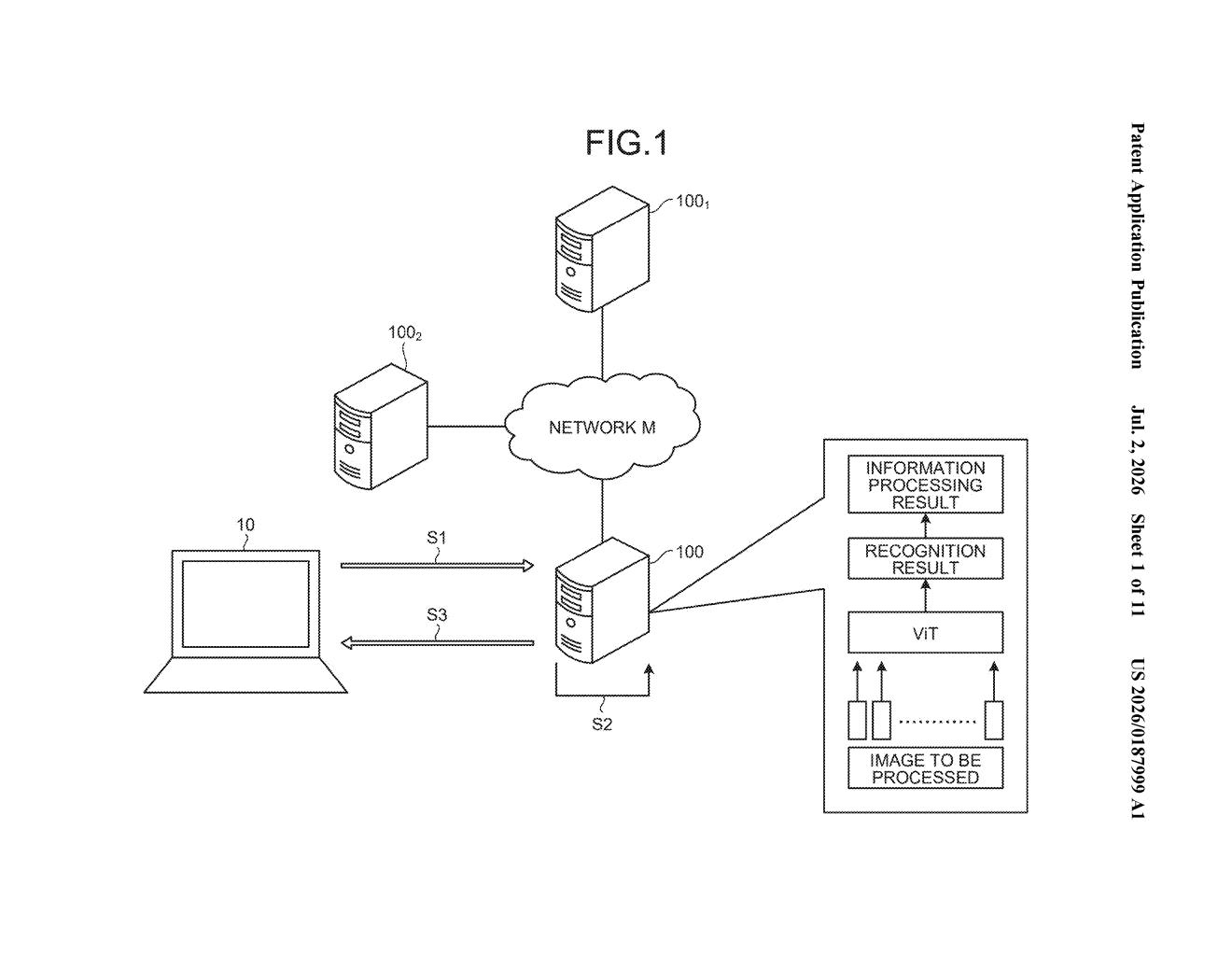
What Sony's adjustable image recognition system actually does
Imagine your phone's camera trying to identify objects in a crowded scene. Right now, you usually have no say in how much computing power it throws at the problem or how accurate it tries to be. Sony's patent describes a system that changes that.
With this approach, a user can adjust settings before the AI looks at an image. Those settings control how the AI prepares the image data and what level of detail it focuses on before making its final call. Think of it like adjusting the zoom and resolution on a camera before you take a shot, except you're adjusting the AI's attention.
The practical idea is to give people a visible way to see the tradeoff: crank up the accuracy, and the system uses more computing resources; dial it back, and things run faster but with less precision. Sony wants that tradeoff to be something a user can actually control and understand.
How the control parameters reshape the AI's processing pipeline
The patent centers on a Vision Transformer, or ViT (a type of AI model that analyzes images by breaking them into small patches and looking at how those patches relate to each other, similar to how a reader scans a page word by word). The system wraps that model in a user-controlled interface.
Here's how the pipeline works:
- A user provides an input adjusting what the patent calls a control parameter, essentially a dial that governs how the AI processes an image.
- The system then generates attribute data from the image, a structured description of the image's content shaped by that parameter setting.
- From that attribute data, it creates close observation information, a refined, focused representation the AI uses to make its final identification.
- The ViT performs image recognition based on that refined input.
The key insight is that by changing the control parameter, a user changes how much work each stage does, directly affecting both accuracy and how many computing resources are consumed. The patent specifically calls out the goal of making those two factors visible and understandable to the user, not just hidden inside the model.
What this means for AI cameras and edge vision devices
For most consumer devices today, AI vision models are black boxes. You point the camera, the AI decides, and you have no visibility into why it got something wrong or how to make it work better under different conditions. Sony's approach would surface that tradeoff explicitly, which is useful in contexts like industrial inspection, medical imaging, or professional cameras where resource constraints vary by environment.
This patent also fits a broader industry push to make AI models more configurable at the edge, meaning on the device itself rather than in a distant server. If a device has limited battery or processing power, being able to reduce accuracy gracefully rather than fail outright is a real engineering advantage.
This is a thoughtful but narrowly scoped filing. The core idea, giving users visible control over the accuracy-versus-speed tradeoff in a Vision Transformer, is genuinely useful for professional and industrial applications. For consumer products, Sony would need to make that control feel intuitive rather than technical, and the patent doesn't yet show how they'd do that.
Get our take in your Top Stories
Liked this breakdown? Add Patentlyze as a preferred source on Google, and our plain-English take shows up more often in your Top Stories the next time Sony patent news breaks.
There are more where this came from
We read every patent application Big Tech publishes and send you the ones worth knowing. Plain English, free, every week.
Want this weekly breakdown for a company we don't cover? Patentlyze Pro →