
Sony Patent Teaches AI Assistants to Ask You Fewer Annoying Questions
Nobody likes a chatbot that peppers you with questions. Sony is patenting a system that watches how you respond over time and then automatically dials the questions up or down to match your style.
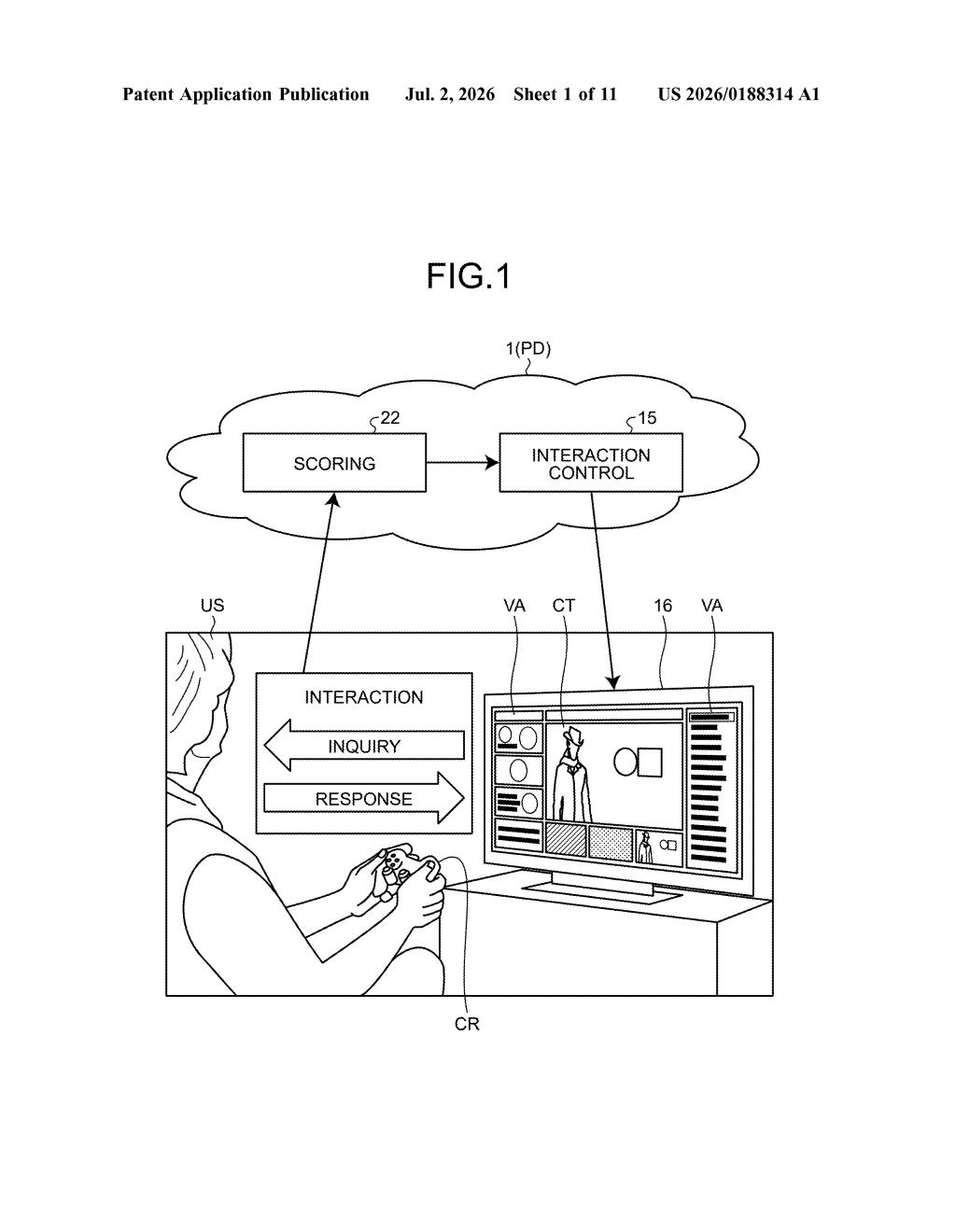
What Sony's response-scoring AI actually does
Imagine you're using a voice assistant and it keeps asking you follow-up questions you don't care about. After a while, you start ignoring them or giving one-word answers. Sony's patent describes a system that notices that pattern and adjusts.
The idea is that the assistant keeps a running record of how you respond during conversations, then uses that history to calculate a score reflecting your habits. If your score shows you tend to skip questions or reply briefly, the assistant asks fewer of them. If you're the type who engages with every prompt, it might ask more.
The result is a conversational AI that adapts to your preferences without you ever opening a settings menu. It's the difference between an assistant that feels tuned to you and one that treats every user the same.
How the scoring unit shapes each conversation
The patent describes two core components working together.
The scoring unit analyzes your response history during interactions with the AI. It's looking at patterns: how often do you answer follow-up questions, how quickly, how completely? From that data it calculates a score that represents your characteristic behavior as a responder.
The interaction control unit then uses that score to govern how many inquiries (follow-up questions, clarifying prompts, confirmations) the assistant sends your way in future conversations. A low score, meaning you tend not to engage with questions, means fewer questions. A high score means more.
The key technical concept here is that the system is dynamic: it doesn't just set a preference once and forget it. The response history is ongoing, so the score can shift as your behavior changes over time. The patent doesn't specify a particular AI model or product, keeping the claims broad enough to cover many application types, from smart speakers to robot companions.
What this means for Sony's voice and AI products
For Sony, which sells voice-enabled devices, robot companions like Aibo, and entertainment platforms, a system like this addresses a real friction point: AI assistants that feel generic or annoying quickly get ignored. An assistant that calibrates itself to your conversational pace is simply more pleasant to use over the long term.
The broader implication is about personalization without effort. Most users never touch AI settings. A system that infers preferences from behavior, rather than asking you to configure them, could meaningfully change how comfortable people feel talking to AI devices. That matters especially as Sony expands its AI-powered product lines.
This is a modest but sensible idea. The patent is narrow and the concept is straightforward: track how users respond, adjust how much the AI talks at them. It's not a technical leap, but it addresses a real usability problem that most AI products currently handle poorly or not at all. Worth watching to see where Sony applies it first.
Get our take in your Top Stories
Liked this breakdown? Add Patentlyze as a preferred source on Google, and our plain-English take shows up more often in your Top Stories the next time Sony patent news breaks.
There are more where this came from
We read every patent application Big Tech publishes and send you the ones worth knowing. Plain English, free, every week.
Want this weekly breakdown for a company we don't cover? Patentlyze Pro →