
Intel Patent Predicts Device Interrupts to Reduce Processor Power Waste
Instead of keeping a processor on standby waiting for a device to call, Intel wants the chip to predict exactly when that call is coming and wake up just in time to answer it.
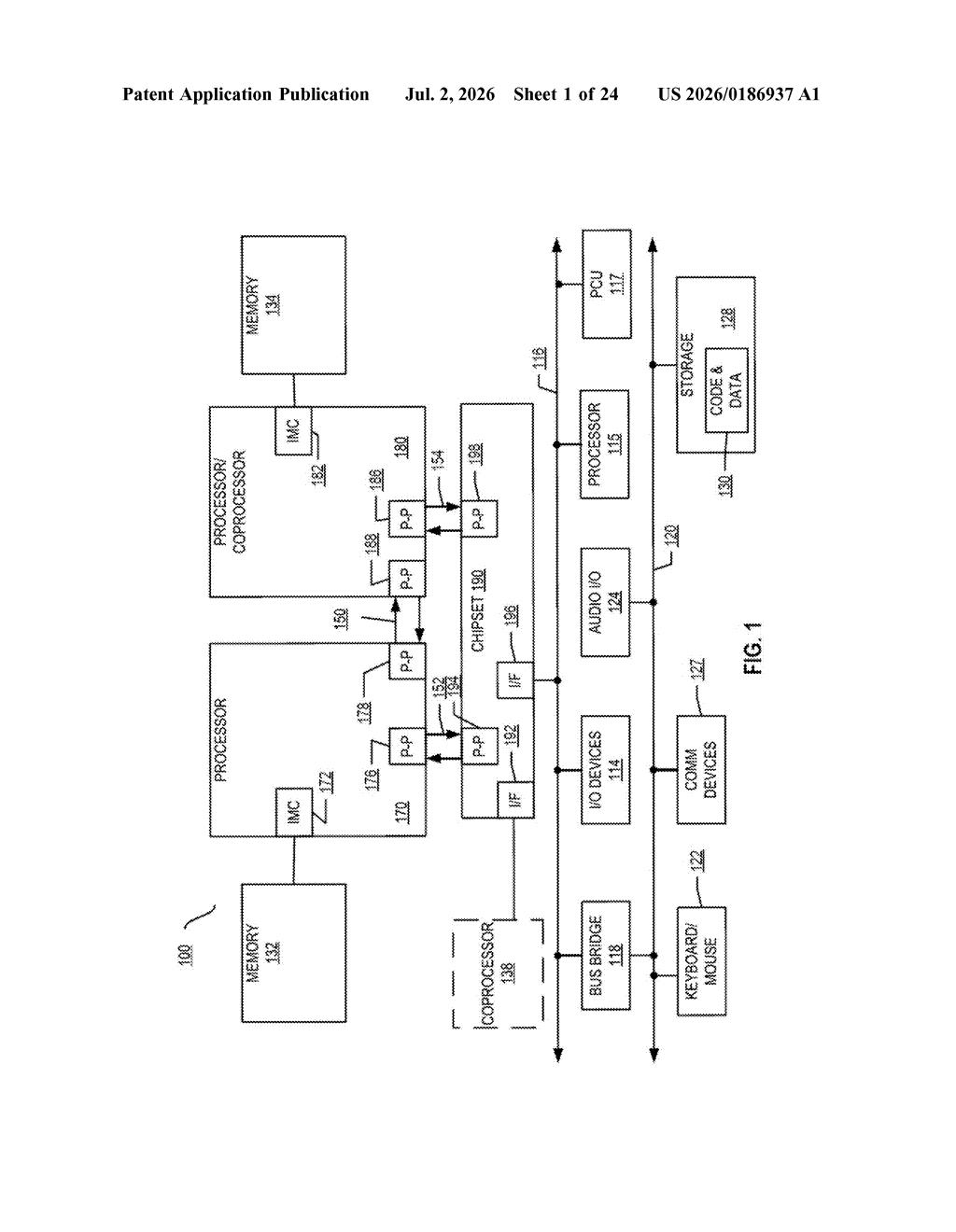
How Intel's interrupt-prediction chip saves power
Imagine your phone's assistant staying fully awake all night just in case you speak to it, versus sleeping deeply and waking up the moment it hears you start to say something. Right now, processors often do the first thing: they stay in a half-awake state waiting for connected devices to signal them, which wastes power.
Intel's patent describes a chip that watches the timing of incoming signals from devices like network cards, storage drives, or USB controllers. Over time it learns which signals arrive on a predictable schedule, then calculates exactly when the next one is due. The chip wakes itself up a fraction of a second before that signal arrives, handles it, and goes back to sleep.
The result is that the processor spends more time in a deep, low-power sleep state without missing a beat. For a laptop that means longer battery life; for a data-center server it means lower electricity bills across thousands of machines.
How the chip learns interrupt timing and pre-wakes
The patent describes a processor with three cooperating pieces of circuitry working together.
- Compute circuitry: the main processing core that executes instructions but also consumes significant power when active.
- Interrupt management circuitry: a dedicated block that logs historical data about interrupts (the signals devices send to get the processor's attention) and analyzes them to spot patterns. If a network card sends a signal every 10 milliseconds like clockwork, this block flags it as periodic and calculates when the next one is due.
- Power management circuitry: the part that acts on those predictions. It keeps the processor in a deep low-power state for as long as possible, then issues a wake command timed so the core is fully active the moment the predicted signal arrives.
The key insight is that many real-world I/O devices, particularly networking hardware and storage controllers, generate interrupts at fairly consistent intervals. By identifying and exploiting that regularity, the chip avoids the traditional trade-off between responsiveness (stay awake) and efficiency (sleep as long as possible). It effectively gets both.
What this means for laptops, servers, and battery life
Processor power management has improved dramatically over the past decade, but one stubborn drain is the time a chip spends in shallow sleep states waiting for unpredictable device signals. If those signals are actually predictable, staying shallow is wasted energy. Intel's approach targets exactly that gap, and it would work transparently without requiring any changes to the operating system or device drivers you run.
For laptops and tablets, even small reductions in shallow-idle power add up to meaningful battery gains over a day. For cloud and data-center operators, where servers handle millions of I/O events per second, the efficiency gains could be significant at scale. The technique is also hardware-level, meaning it applies regardless of what software is running on top.
This is unglamorous chip-plumbing work, but it targets a real and well-known inefficiency in how processors handle connected devices. Intel has been fighting AMD and Qualcomm hard on power efficiency, especially in the laptop market, so any technique that squeezes more sleep time out of a core is directly useful in that battle. Don't expect a press release, but do expect something like this to appear in a future architecture.
Get our take in your Top Stories
Liked this breakdown? Add Patentlyze as a preferred source on Google, and our plain-English take shows up more often in your Top Stories the next time Intel patent news breaks.
There are more where this came from
We read every patent application Big Tech publishes and send you the ones worth knowing. Plain English, free, every week.
Want this weekly breakdown for a company we don't cover? Patentlyze Pro →