
Intel Patents a Lower-Power AI Processing Lane Built Into Its GPUs
Intel is patenting a GPU design that keeps a smaller, power-sipping engine on standby for AI tasks — so the full chip doesn't have to wake up every time your device runs an inference job.
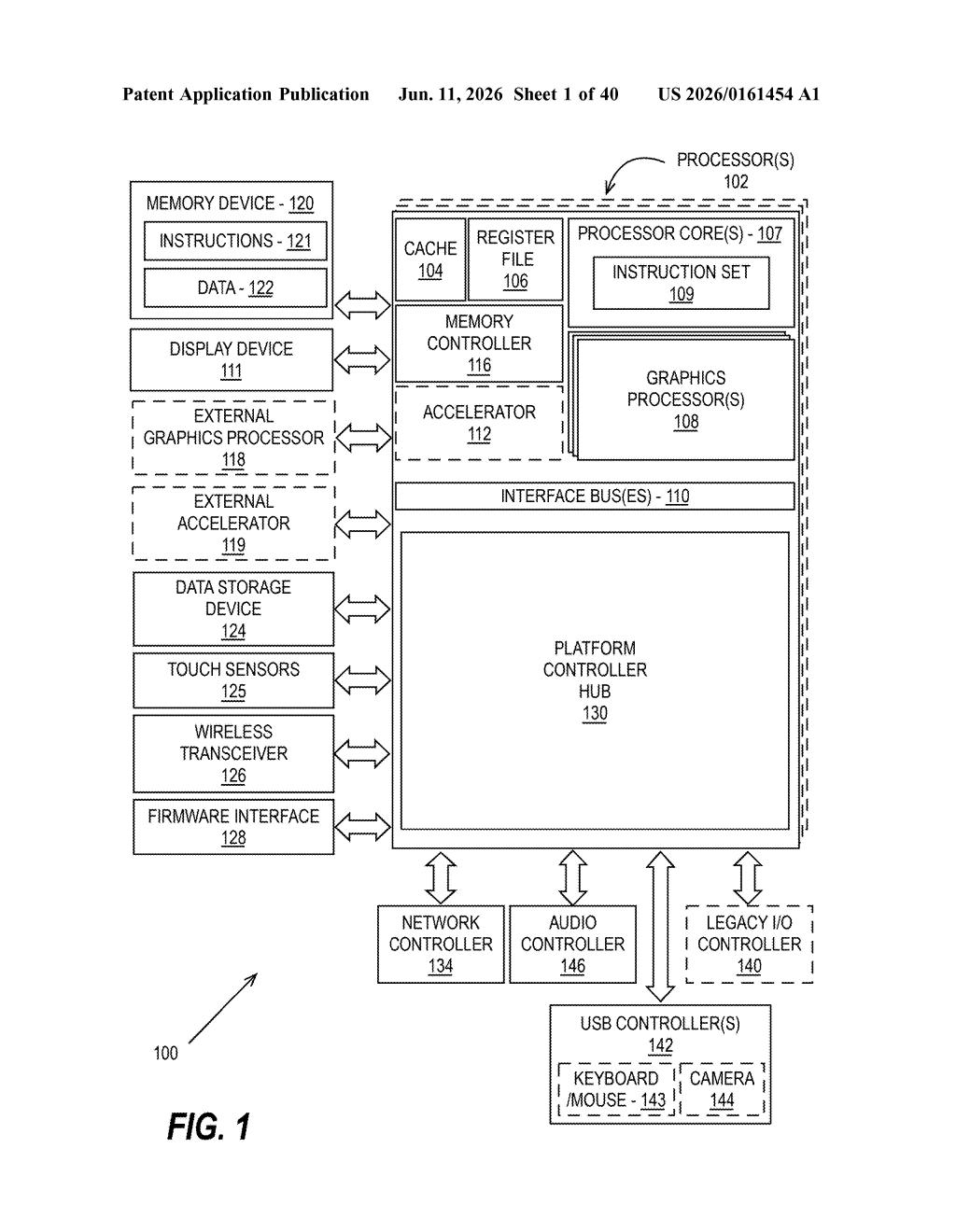
What Intel's two-engine GPU setup actually does
Think about how your phone handles background tasks differently from active ones — a low-power chip handles quiet work so the main processor can sleep. Intel is applying the same logic to graphics chips.
This patent describes a GPU with two compute engines: a full-featured one for heavy workloads, and a second, scaled-down version that uses less electricity. The smaller engine handles tasks that don't need the full GPU's muscle — like running an AI model quietly in the background.
The practical upside is efficiency. Instead of spinning up your entire GPU every time a small AI task needs doing, the device can route that work to the leaner engine and save power. For laptops and thin devices where battery life matters, that's a meaningful tradeoff.
How the two compute engines divide GPU workloads
The patent describes a graphics processor unit (GPU) that contains two distinct compute engines side by side.
- First compute engine: The full-capability engine — designed for demanding tasks like rendering graphics or running large AI models. It offers the complete feature set but draws more power.
- Second compute engine: A smaller engine with a subset of the first engine's capabilities. It's less capable by design, but significantly more power-efficient. The patent calls this the "low power inference engine."
The idea is that not every AI task needs the full GPU. Inference — the process of running a trained AI model to get an answer (as opposed to training the model in the first place) — is often computationally lighter. Routing those inference jobs to the smaller engine means the main GPU can stay idle, or in a lower power state, more of the time.
The patent is intentionally broad at this stage: it claims the basic architecture of having two engines with this power/capability tradeoff, without specifying exactly which features the second engine omits or how the workload is routed between them.
What this means for laptops, AI workloads, and power budgets
As AI features get baked into more apps and operating systems, GPUs are being asked to run small models constantly in the background — checking your voice, processing your camera feed, summarizing text. Doing all of that through a full-power GPU is wasteful, especially on a laptop running on battery.
A dedicated low-power lane for AI inference is already a concept in mobile chips (Apple's Neural Engine, Qualcomm's NPU), and Intel filing this for GPUs signals it's pursuing similar efficiency architecture for its own graphics hardware. If this ships, it could mean longer battery life on Intel-powered laptops when AI assistants are active — without sacrificing performance when you need it.
This is a foundational architecture patent — broad, early, and light on implementation detail. The concept itself isn't new (mobile chipmakers have done this for years), but Intel staking out this claim for its GPU line is a real strategic signal. Whether it becomes a shipping product feature or just defensive IP is the open question.
There are more where this came from
We read every patent application Big Tech publishes and send you the ones worth knowing. Plain English, free, every week.
Want this weekly breakdown for a company we don't cover? Patentlyze Pro →