
Salesforce Patents an AI That Figures Out Why Customers Actually Called
Every time a customer contacts support, there's a real reason buried under the pleasantries, hold music, and channel-hopping. Salesforce is patenting an AI system that digs it out automatically, no matter where the conversation happened.
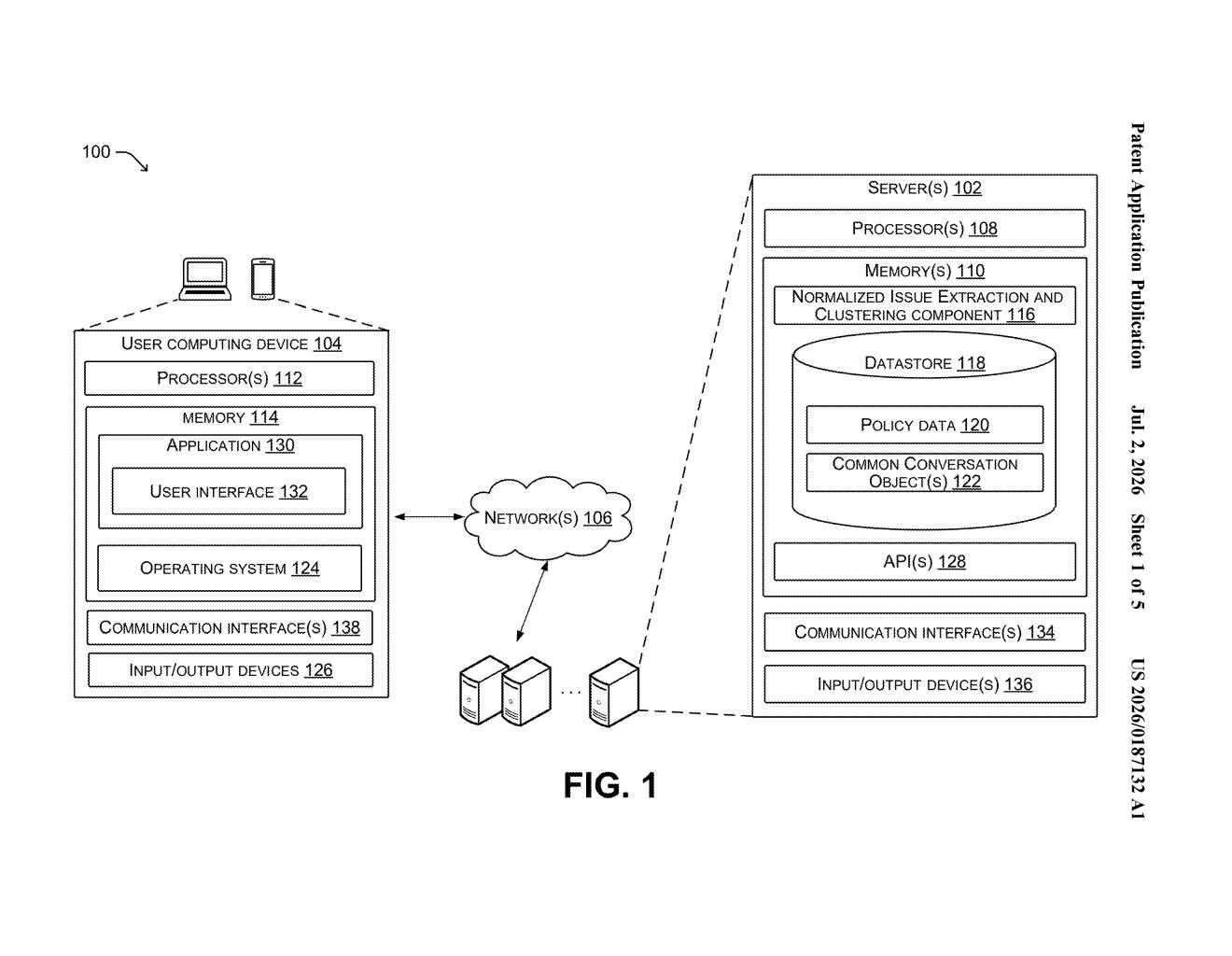
What Salesforce's contact-reason AI actually does
Imagine a customer who starts a chat session saying "hi, how are you," spends five minutes on hold, gets transferred, then finally explains their billing problem. Most of that conversation is noise. Finding the actual reason they called takes time, and when a company handles thousands of contacts a day, that adds up fast.
Salesforce's patent describes an AI system that reads through customer conversations, whether they happened over chat, email, or phone, and identifies the core reason the person reached out. Crucially, it's also designed to recognize what counts as filler in each channel type, so it knows to ignore pleasantries in a chat log differently than it might ignore hold-time audio in a phone transcript.
Once the system has those contact reasons, it groups similar ones together. So instead of a manager wading through thousands of individual records, they'd see clusters like "billing dispute" or "shipping delay" that show what's actually driving customer contacts that week.
How the LLM filters noise and groups contact reasons
The system sits inside a CRM platform (customer relationship management software, the kind of tool support teams use to track every customer interaction). When a conversation comes in, the platform checks which channel it came from: phone, live chat, email, or something else.
Because each channel has different kinds of filler, the system generates a custom instruction telling the AI what to ignore. A phone transcript might include hold music timestamps and agent-greeting scripts. A chat log might include typing indicators or automated bot replies. The patent describes these as "non-essential conversation data," and the instruction tells the AI to skip past them when looking for the contact reason.
The AI (described as a large language model, or LLM, similar to the kind that powers chatbots) then reads the cleaned-up conversation and produces a plain-language summary of why the customer reached out.
After that, the system converts those summaries into embeddings (mathematical representations of meaning, basically a way for a computer to measure how similar two pieces of text are in meaning, not just wording). It uses those embeddings to cluster related contact reasons together, so a business can see patterns across thousands of conversations at once.
What this means for customer service teams
For anyone who runs or works in a customer support operation, this kind of automation is genuinely useful. Tagging contact reasons manually is slow and inconsistent, and most teams do it inconsistently across agents. An AI that does it automatically and then groups similar reasons together could give managers a much clearer picture of what's actually driving call volume each day.
For Salesforce, the strategic angle is clear: this is the kind of feature that makes their CRM platform more indispensable. If your contact center's AI can tell you that 30% of this week's contacts are about a shipping delay before your logistics team even notices the problem, you stay in the Salesforce ecosystem. That's the business logic here.
This is a solid, practical AI application with an obvious home in Salesforce's existing Service Cloud product. It's not flashy, but "automatically figure out why customers called and cluster the patterns" is exactly the kind of operational AI that actually ships and gets used. Worth watching for a Service Cloud update in the next year or two.
Get our take in your Top Stories
Liked this breakdown? Add Patentlyze as a preferred source on Google, and our plain-English take shows up more often in your Top Stories the next time Salesforce patent news breaks.
There are more where this came from
We read every patent application Big Tech publishes and send you the ones worth knowing. Plain English, free, every week.
Want this weekly breakdown for a company we don't cover? Patentlyze Pro →