
Apple Patents a Smarter 5G Beam Recovery System for Mobile Chips
When your iPhone loses its 5G signal lock, it has to scramble to find a new beam — and the faster that happens, the less you notice. Apple is patenting a more precise way to coordinate that recovery process inside the cellular modem.
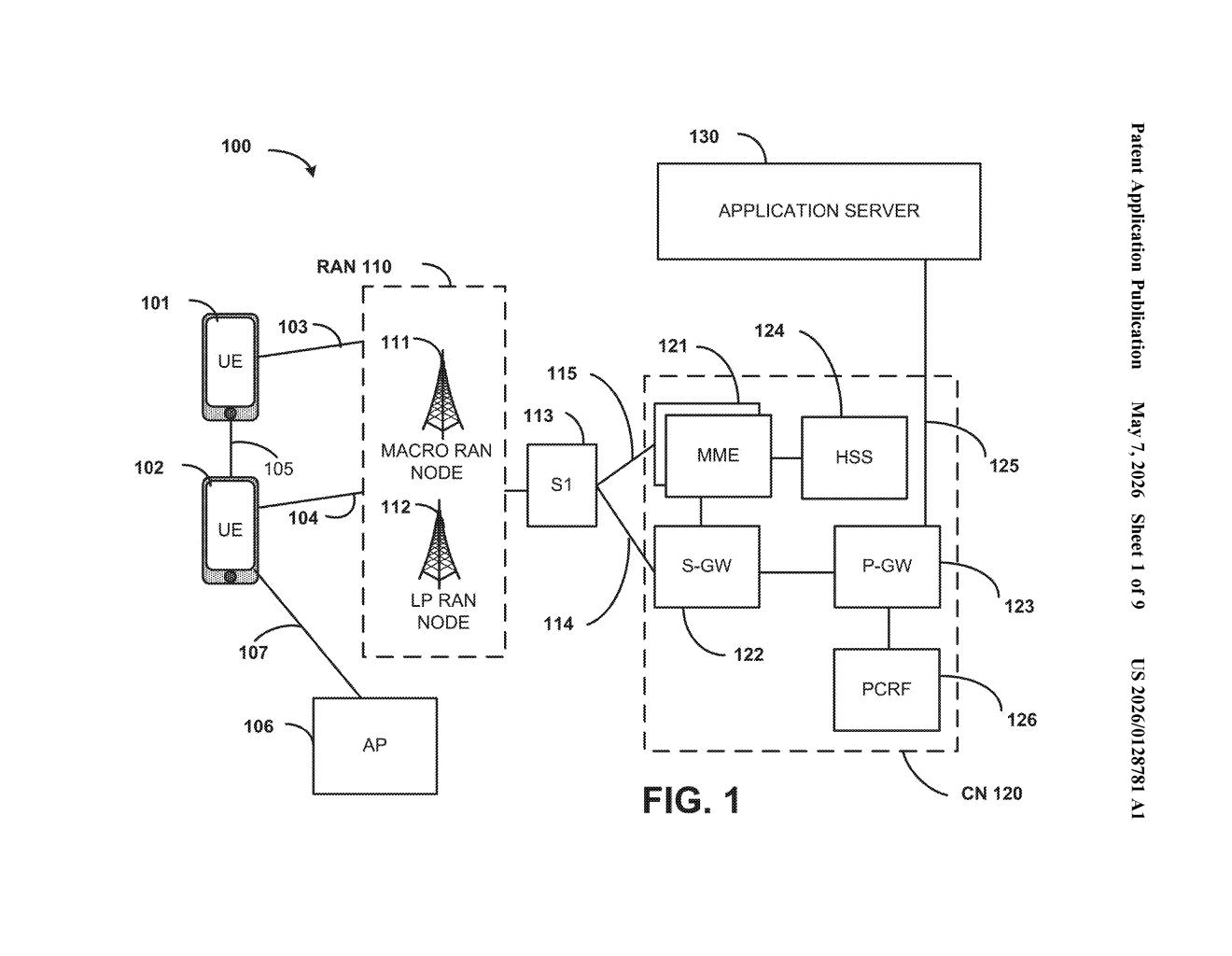
How Apple's beam recovery fix handles dropped 5G links
Imagine you're on a 5G call and your phone moves just far enough that it loses its direct line to the nearest cell tower antenna. The connection doesn't just drop — your phone has to quickly send a distress signal and negotiate a new beam path. This process is called beam recovery, and how fast it happens determines whether you even notice the hiccup.
Apple's patent describes a smarter way to handle the handshake your phone sends during that recovery. The key idea is a scaling factor that helps your device align its recovery signal to the right timing format, even when the channel it's using and the signal it's sending operate at different frequency spacings.
This kind of fix lives entirely inside the baseband processor — the chip that handles all cellular communication — so it's invisible to you as a user. But getting it right is what keeps 5G connections snappy rather than laggy when you move around.
How the scaling factor K bridges mismatched subcarrier spacing
The patent describes logic inside a baseband processor (the cellular modem chip inside a phone) that handles the specific moment when a 5G beam connection is lost and needs to be re-established.
In 5G, especially at high frequencies (mmWave), the connection between your device and the tower relies on tightly aimed beams. If that beam breaks — say, you walk behind a pillar — the device must send a beam recovery signal on an uplink control channel (specifically a PUCCH, or Physical Uplink Control Channel) to request a new connection.
The tricky part is that different channels in 5G can operate at different subcarrier spacings (essentially, how finely the radio frequency is divided up — wider spacing handles higher speeds but requires more precise synchronization). When the recovery channel and the recovery signal use different spacings, the timing math doesn't line up automatically.
Apple's approach introduces a scaling factor K — a computed ratio between the subcarrier spacing of the recovery channel and the recovery signal itself. The processor uses K to correctly time and format the outgoing beam recovery burst, ensuring the base station can decode it cleanly even across mismatched configurations. The recovery resource parameters are delivered via higher layer signaling (configuration messages sent by the network before a failure even occurs), so the device is pre-armed with the right instructions.
What this means for 5G reliability in Apple's modem chips
For Apple, this patent matters most in the context of building its own cellular modem — a project it has been quietly advancing for years. Getting beam recovery right at the firmware level is exactly the kind of low-level detail that separates a polished in-house modem from a third-party one. Faster, cleaner beam recovery means fewer stalls when you're moving through a city using mmWave 5G.
From a standards perspective, this kind of subcarrier-spacing alignment logic is squarely in the territory of 5G NR (New Radio) spec compliance. Filing patents here suggests Apple is actively contributing to — and locking in IP around — the precise implementation details that matter in dense urban 5G deployments.
This is deeply routine cellular standards work — the kind of patent that only matters if you're building a modem from scratch. In that context, it's actually a meaningful data point: Apple is doing the hard, unglamorous radio engineering required to ship a competitive first-party 5G chip. Not worth reading for its own sake, but worth noting as another tile in that larger mosaic.
There are more where this came from
We read every patent application Big Tech publishes and send you the ones worth knowing. Plain English, free, every week.
Want this weekly breakdown for a company we don't cover? Patentlyze Pro →