
Adobe Patents a Way to Catch AI Images Made by Invoking an Artist's Name
Type an artist's name into an AI image generator and out comes something that mimics their style. Adobe is now patenting a system that can detect when that happened.
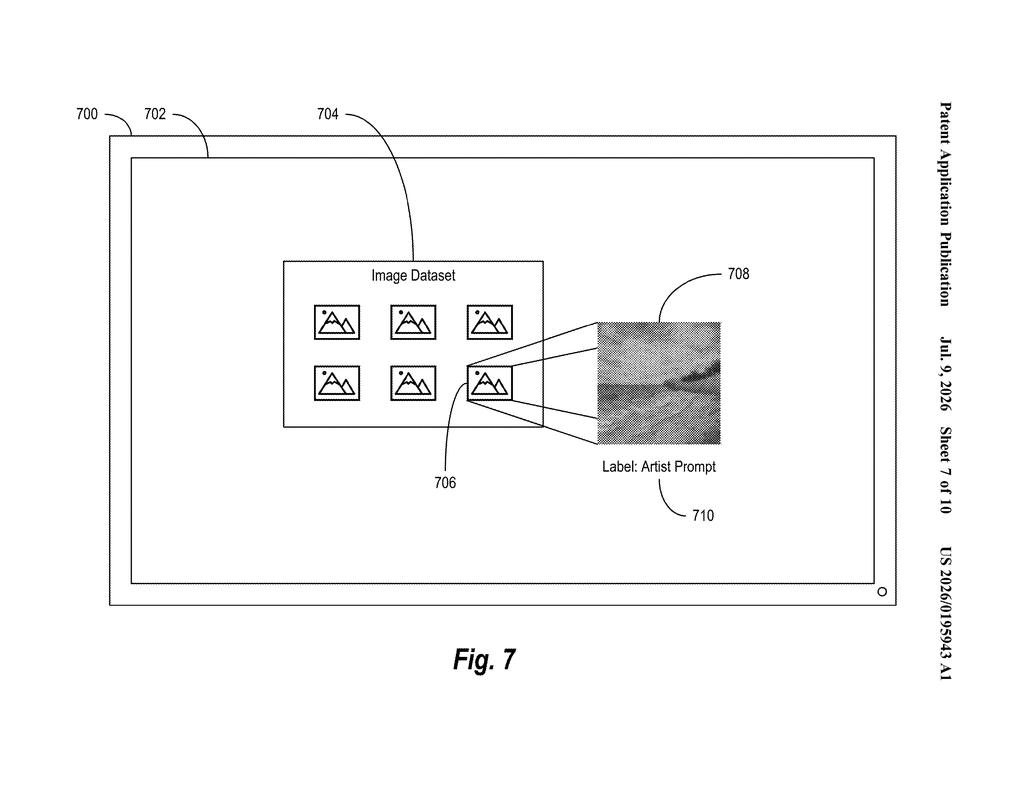
What Adobe's artist-prompt detector actually does
Imagine someone types "paint this in the style of [famous illustrator]" into an AI image generator, and the result floods the internet looking almost identical to that artist's real work. The artist has no idea their name was even used.
Adobe's patent describes a detector: a second AI trained specifically to look at an AI-generated image and figure out whether it was made using a specific artist's name as part of the instructions. The system outputs a label, essentially a yes or no answer, flagging whether that image carries the fingerprint of an artist-prompted request.
This isn't about catching all AI art. It's specifically focused on the subset of AI images where someone named a real artist to shape the output. Think of it as a way to identify when an artist's name was used as an ingredient, even after the image has left the generator.
How the neural network spots artist-prompted AI images
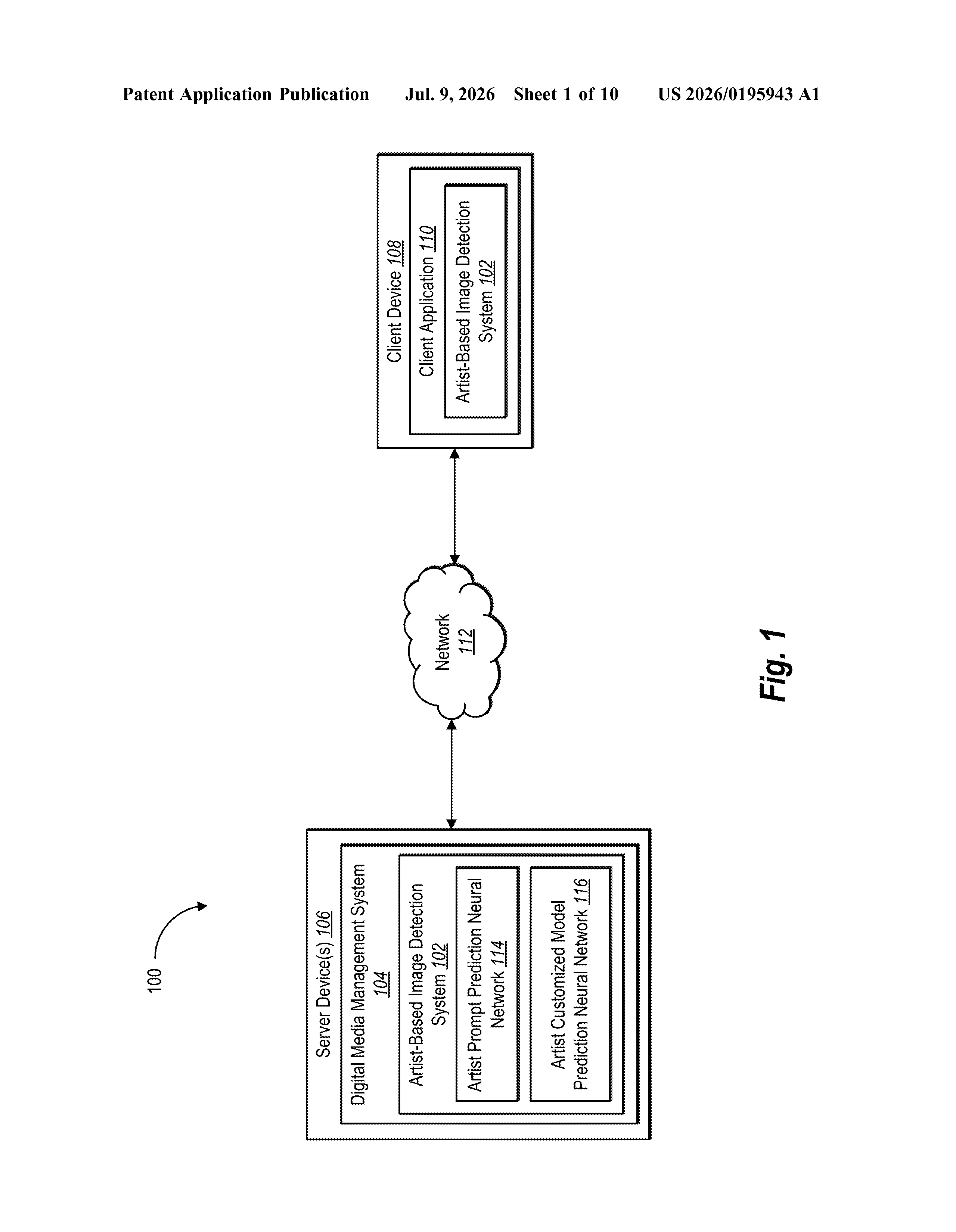
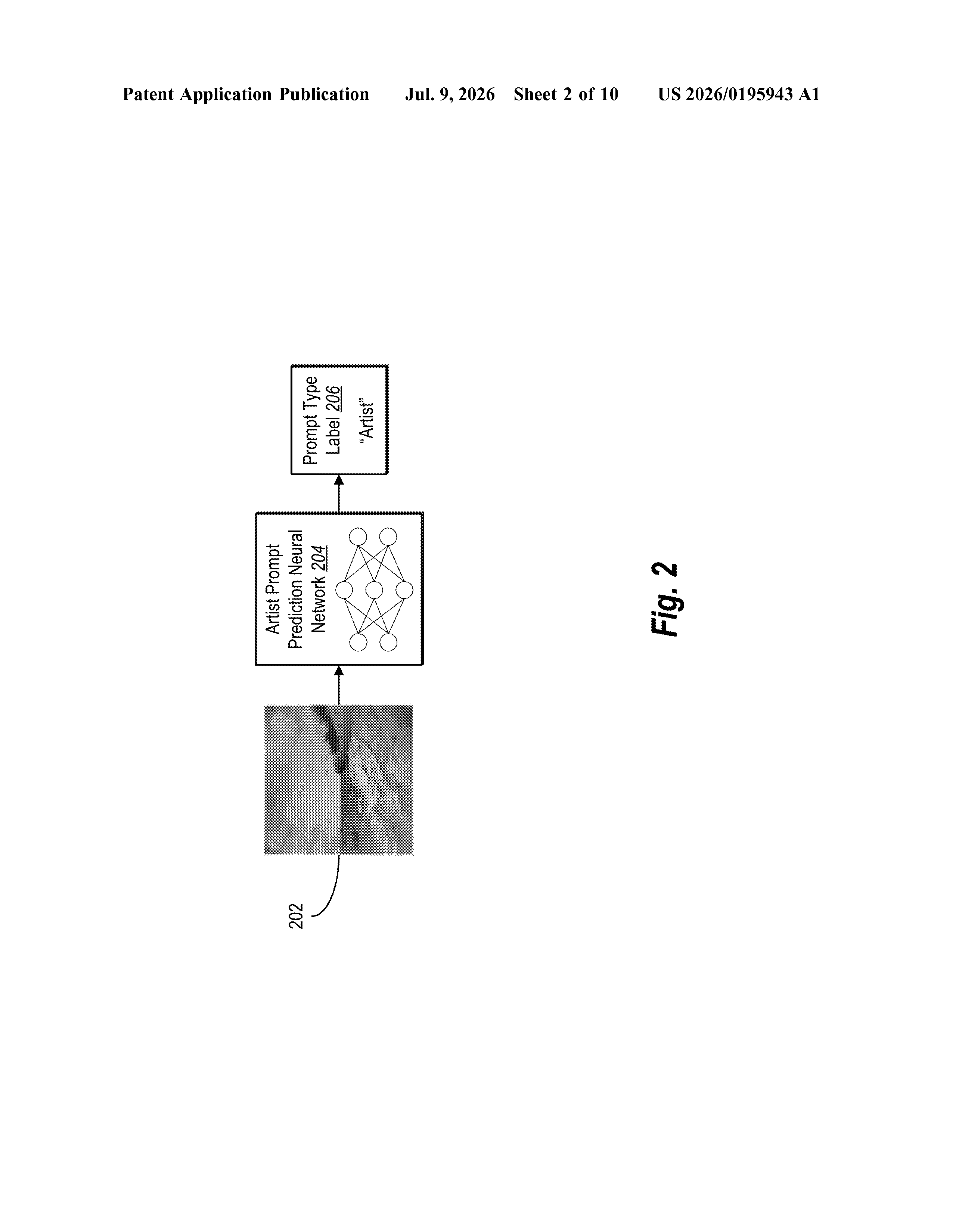
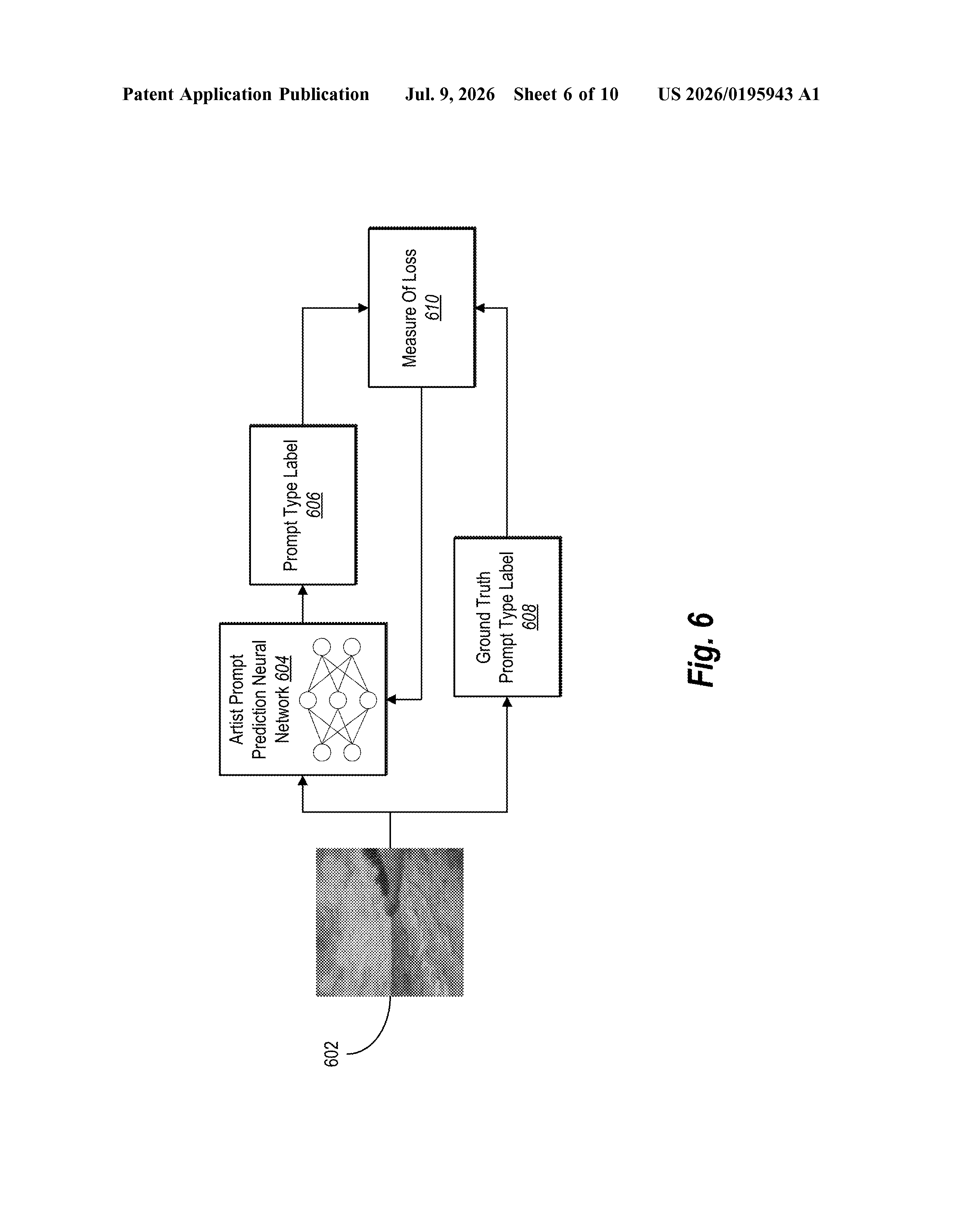
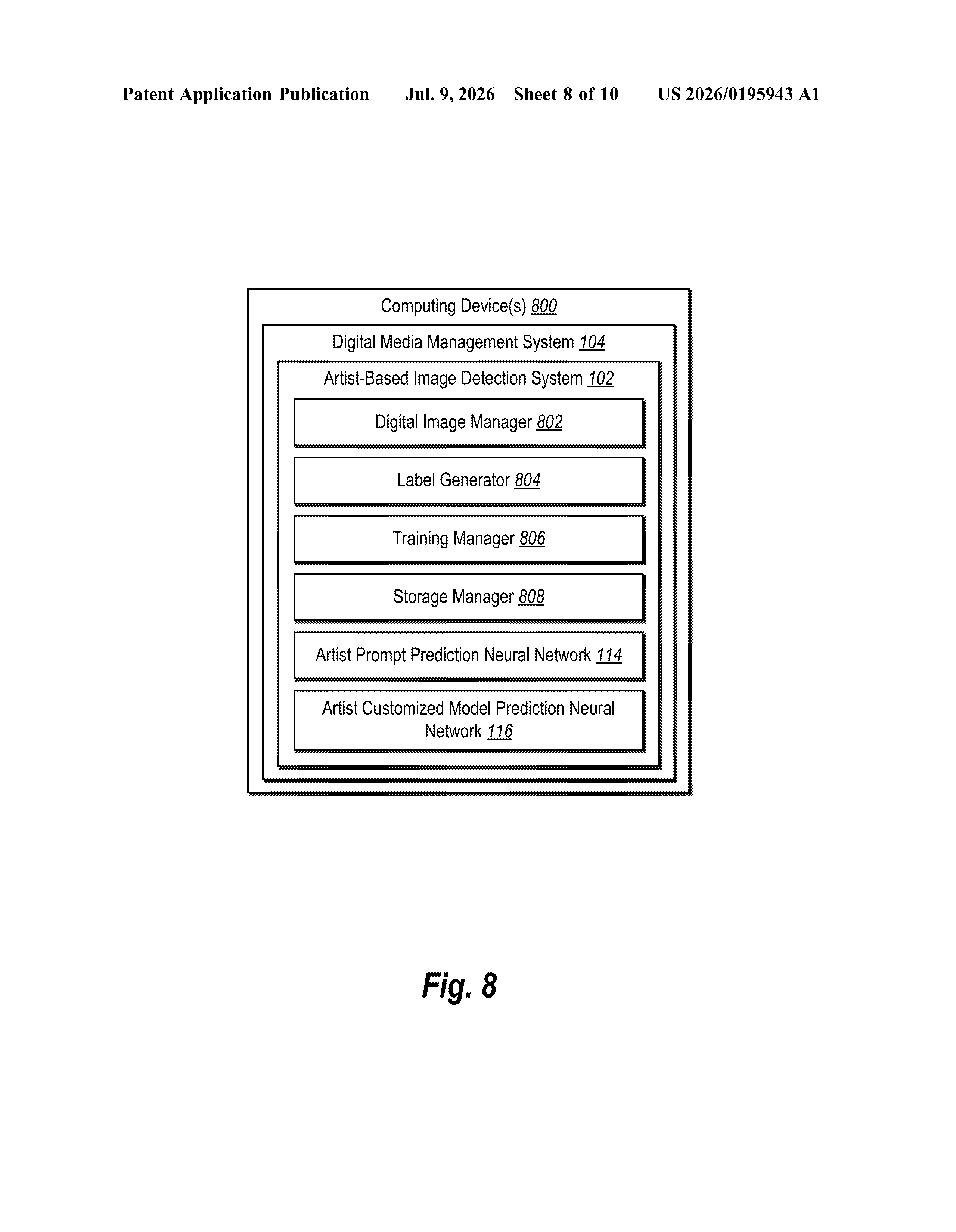
The patent describes a two-model pipeline. The first is a standard image generation neural network, the kind that produces synthetic images from text instructions. The second is what Adobe calls an artist prompt prediction neural network, a classifier trained to examine the resulting image and determine whether the original instructions included a reference to a specific named artist.
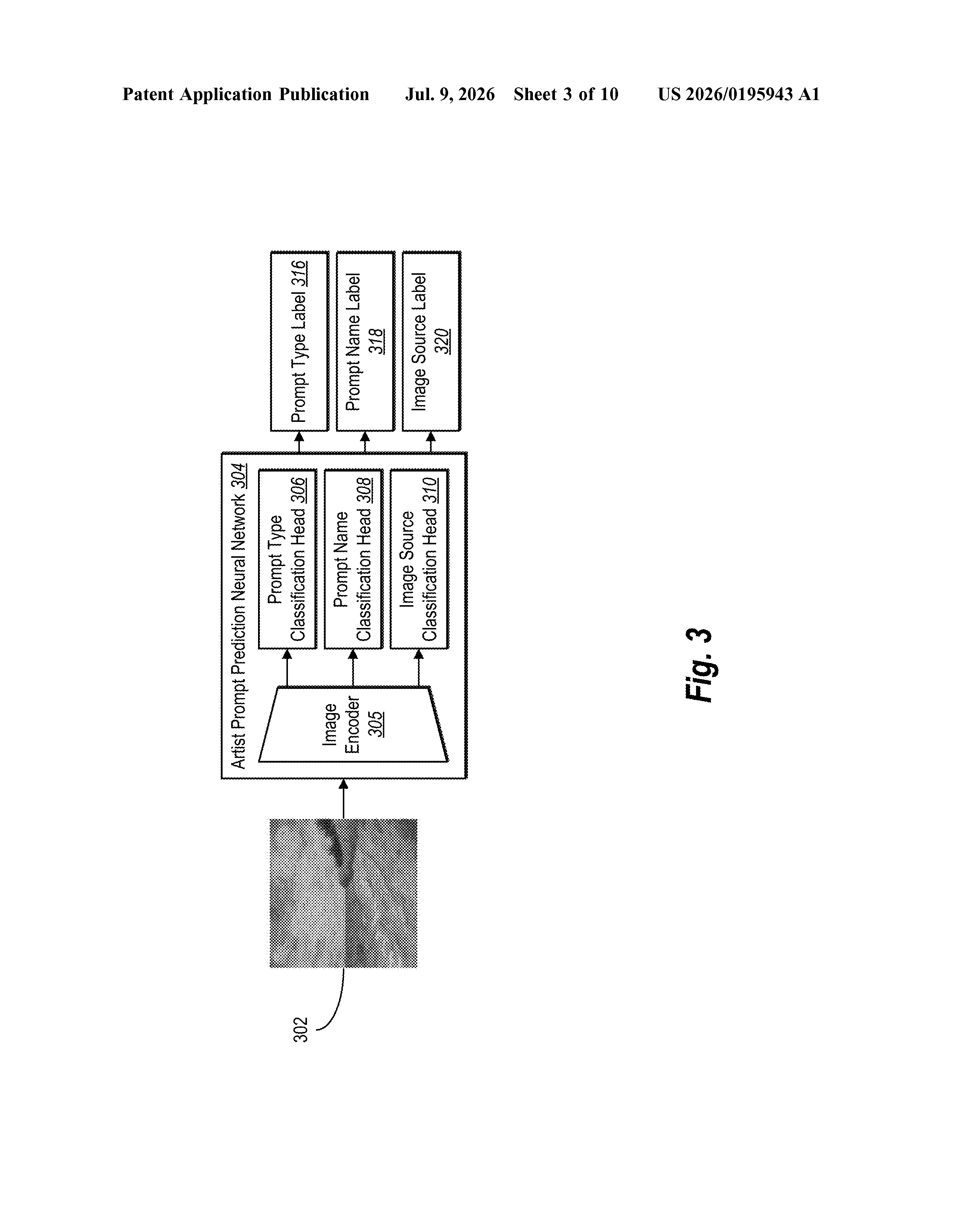
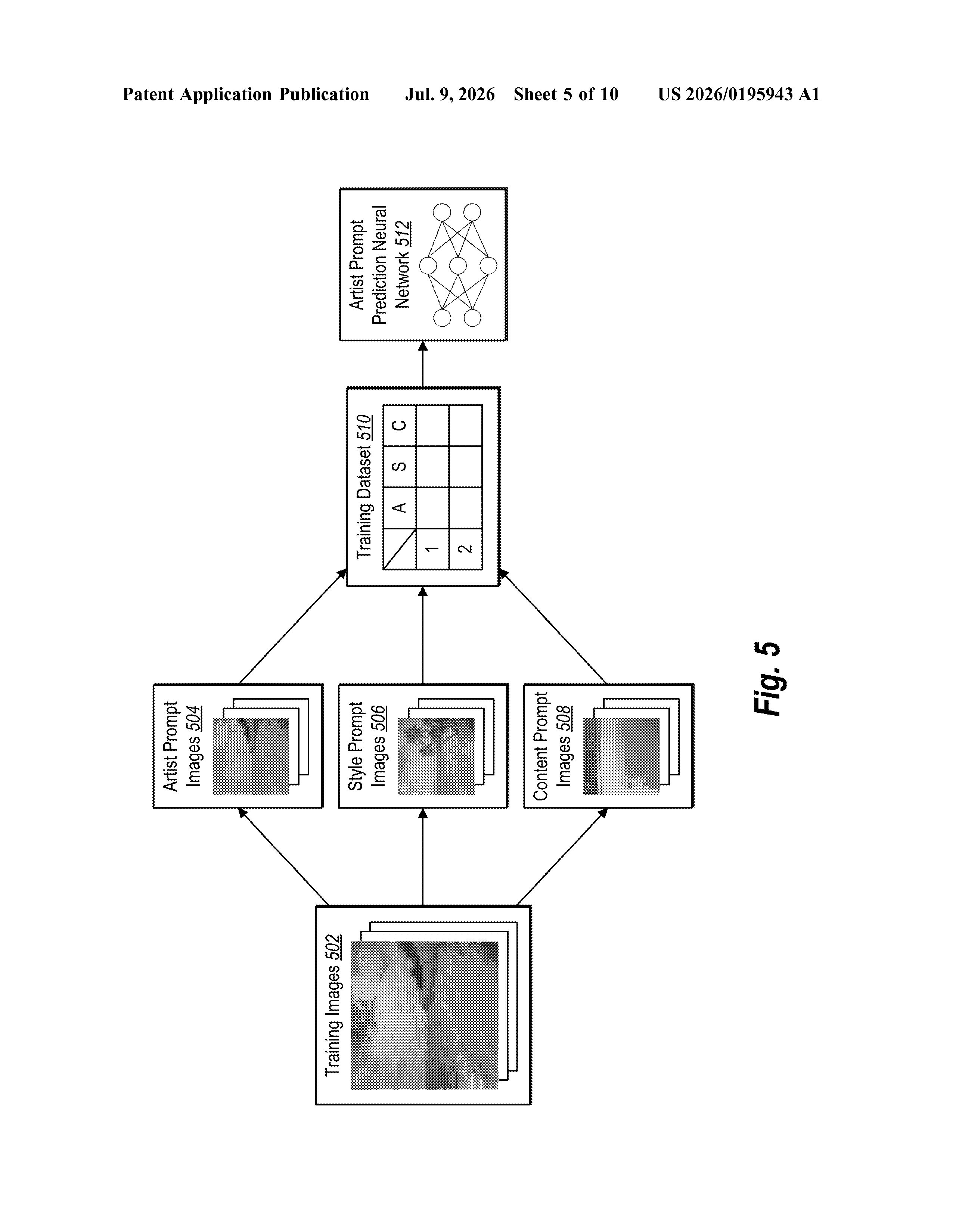
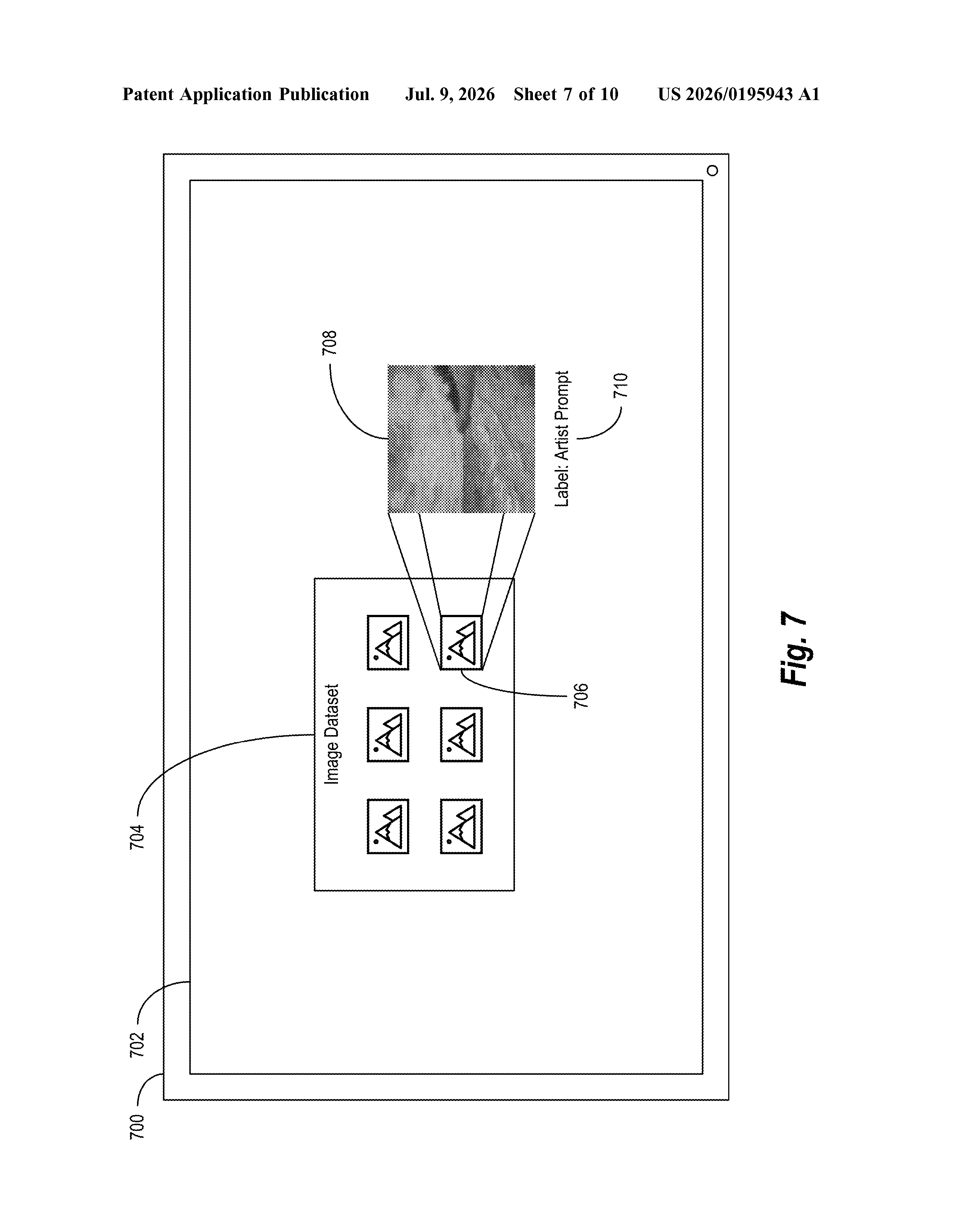
The output is a prompt type label: a tag attached to the image indicating whether it was created using an artist-name prompt. This is a classification task (sorting images into categories based on learned patterns), not a search for a hidden watermark. The detector learns what stylistic signals correlate with artist-prompted generation by training on images where the prompts are already known.
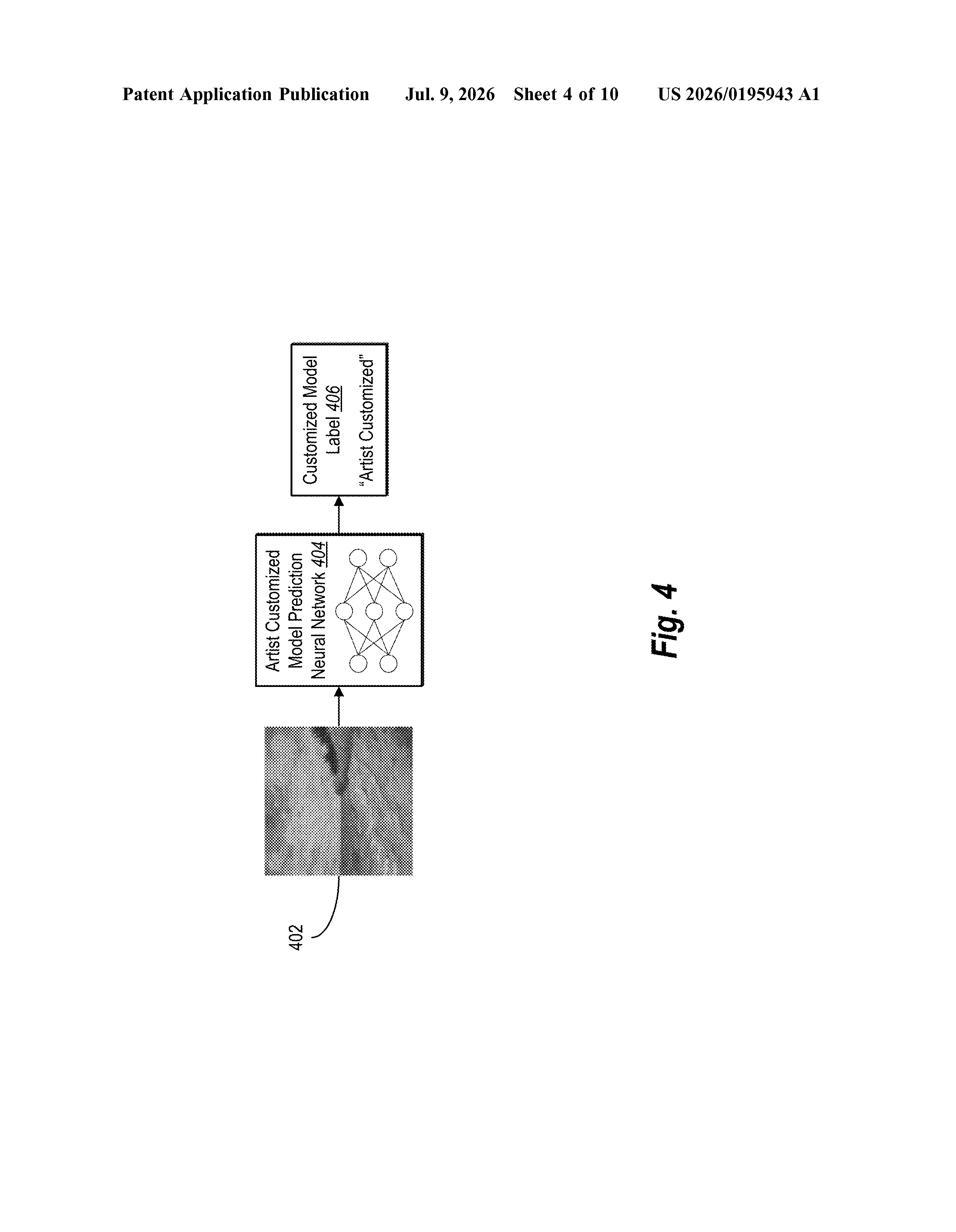
The patent also mentions extension to images produced by artist-customized image generation models, meaning fine-tuned versions of AI models trained on a specific artist's portfolio. That broader scope suggests the system is designed to catch style mimicry even when no name appears in a prompt but the model was built around one artist's work.
Key components described in the filing include:
- A neural network trained specifically on synthetic images with known artist-prompt labels
- A classification output indicating presence or absence of an artist name in the original prompt
- Potential extension to custom fine-tuned models targeting individual artists
What this means for artists whose styles get copied by AI
For working artists, this patent addresses something genuinely painful: AI systems trained on their work, then steered with their name, produce output that competes with them commercially. A detection tool like this could let platforms, marketplaces, or rights-management services flag AI images that were made by invoking a specific artist, creating a paper trail that currently doesn't exist.
For Adobe, the business angle is clear. The company sells tools to professional creators and has been under pressure to show it takes artist rights seriously. A provenance-detection system fits into Adobe's existing Content Credentials initiative, which tracks how digital images were made. Whether this patent becomes a live product feature or simply stakes legal ground in the AI-attribution space, it signals that Adobe is building toward a future where "was a real artist's name used here?" has a technical answer.
This is one of the more concrete responses to the artist-style-theft problem that has dominated AI art debates. Most proposals focus on preventing copying upfront; Adobe is betting on detection after the fact, which is harder technically but more practical given how many models are already out in the world. The extension to fine-tuned custom models is the most interesting part: that's the harder and more harmful case, and it's good that the patent scope covers it.
Get our take in your Top Stories
Liked this breakdown? Add Patentlyze as a preferred source on Google, and our plain-English take shows up more often in your Top Stories the next time Adobe patent news breaks.
There are more where this came from
We read every patent application Big Tech publishes and send you the ones worth knowing. Plain English, free, every week.
The drawings
10 drawing sheets from US 2026/0195943 A1 · click any drawing to enlarge
Want this weekly breakdown for a company we don't cover? Patentlyze Pro →