
Sony Patent Targets Smarter Personalized Content Delivery for Nursing Care Robots
Sony is building a brain for nursing care robots that reads a patient's personal profile and decides, on its own, what to show them or do for them. Think of it as a care assistant that gets to know you.
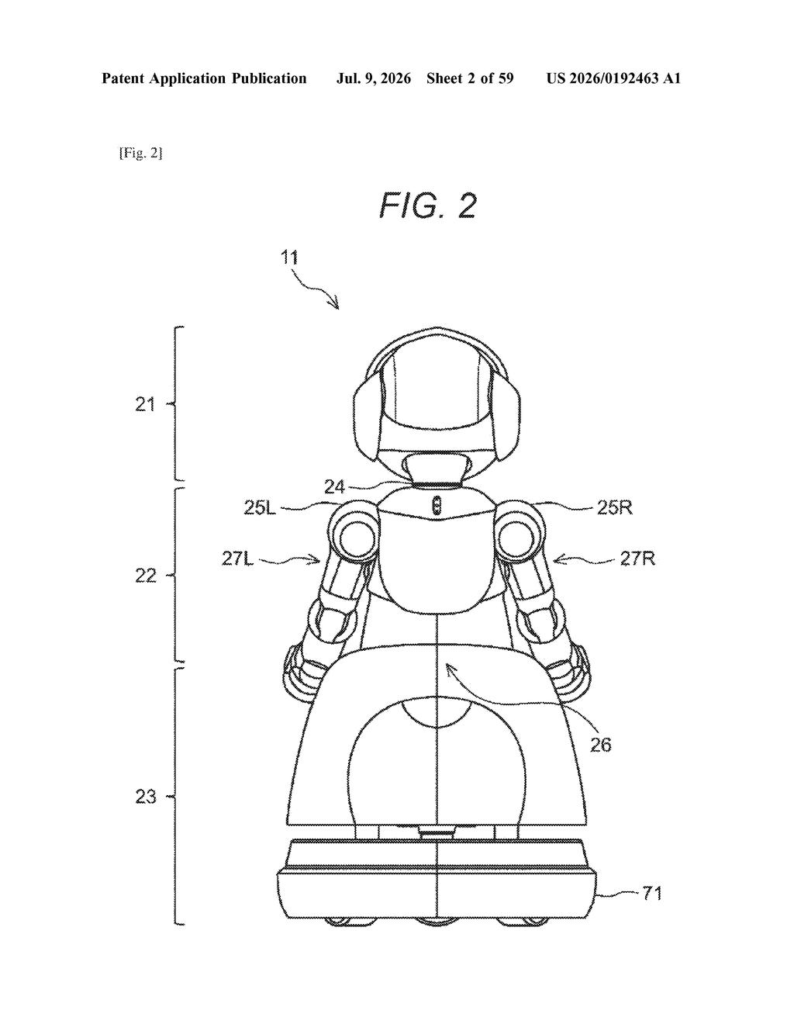
What Sony's nursing care robot actually does
Imagine a hospital or care-home robot that shows every patient the exact same exercises, music, or reminders regardless of their age, condition, or preferences. That's the status quo for most automated care systems today.
Sony's patent describes a different approach: a control system that collects data about who the patient actually is and uses that to decide both what content to deliver and how to deliver it. So an 80-year-old with early-stage dementia might get a simple, slow-paced memory game delivered through audio, while a younger rehabilitation patient gets an interactive visual routine.
The key idea is that the robot stops being a one-size-fits-all appliance and starts acting more like a caregiver who remembers your individual needs. Sony calls the personal information driving all of this 'target person data,' and the patent centers entirely on putting that data in charge of the robot's behavior.
How the robot picks content for each patient
The patent describes an information processing device that sits at the core of a nursing care robot and manages what Sony calls an 'application' for caregiving. That application might be physical therapy exercises, cognitive stimulation activities, medication reminders, or social interaction routines.
The central component is an action control unit, a decision-making module that takes in target person data (information about the patient's characteristics, which could include age, cognitive ability, physical condition, language preference, or behavioral history) and uses it to adjust two things:
- The provision method: how the content is delivered, for example spoken vs. Visual, slow vs. Fast-paced, or touch-based vs. Hands-free.
- The material: what content is actually presented, such as which exercise, which memory activity, or which piece of music.
The patent keeps the technical architecture intentionally broad. It does not specify a particular sensor setup or AI model, focusing instead on establishing the principle that patient profile data should directly govern robot behavior. This is a foundational design claim rather than a description of finished hardware.
What this means for AI-assisted elder care
Elder care and rehabilitation are sectors where demand is rising fast and qualified human staff are in short supply. A robot that blindly runs a fixed routine is only marginally better than a pamphlet. One that adapts to your specific profile is meaningfully more useful, and potentially safer if, say, it avoids exercises a patient's data flags as physically risky.
For Sony, this connects to a longer-term push into robotics and healthcare technology. The patent is broad enough to cover a wide range of devices, from stationary care terminals to mobile companion robots. If Sony or a licensee ships hardware built on this logic, patients could see care that actually fits them rather than the average person the robot was programmed for.
This patent is genuinely interesting as a directional signal, but the claim itself is almost aggressively abstract. 'Adjust content based on patient data' describes a design philosophy more than a specific invention, which means it could face real challenges if anyone tries to enforce it narrowly. Watch for follow-on filings with concrete sensor arrays or model architectures before deciding this amounts to a real technical moat.
Get our take in your Top Stories
Liked this breakdown? Add Patentlyze as a preferred source on Google, and our plain-English take shows up more often in your Top Stories the next time Sony patent news breaks.
There are more where this came from
We read every patent application Big Tech publishes and send you the ones worth knowing. Plain English, free, every week.
The drawings
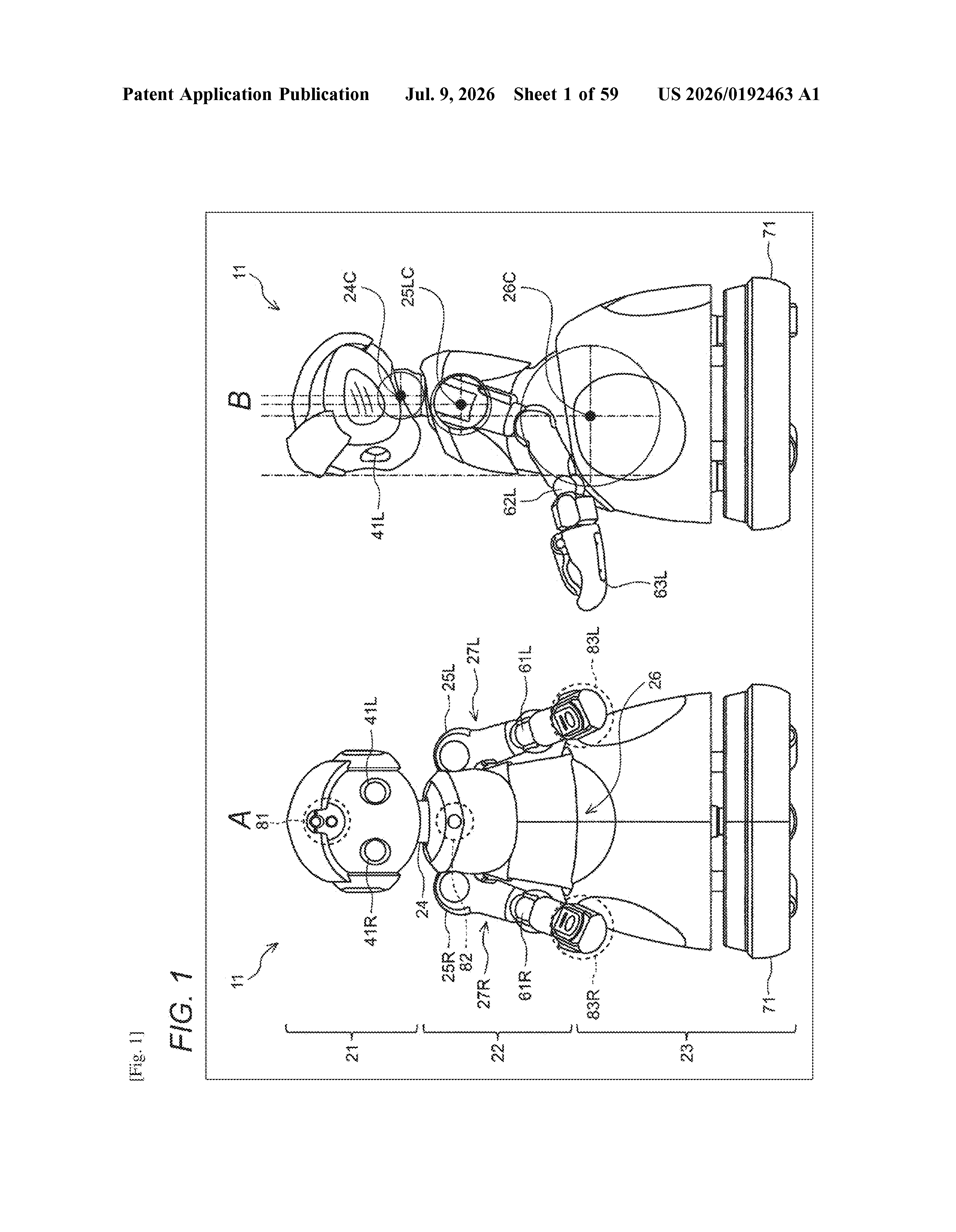
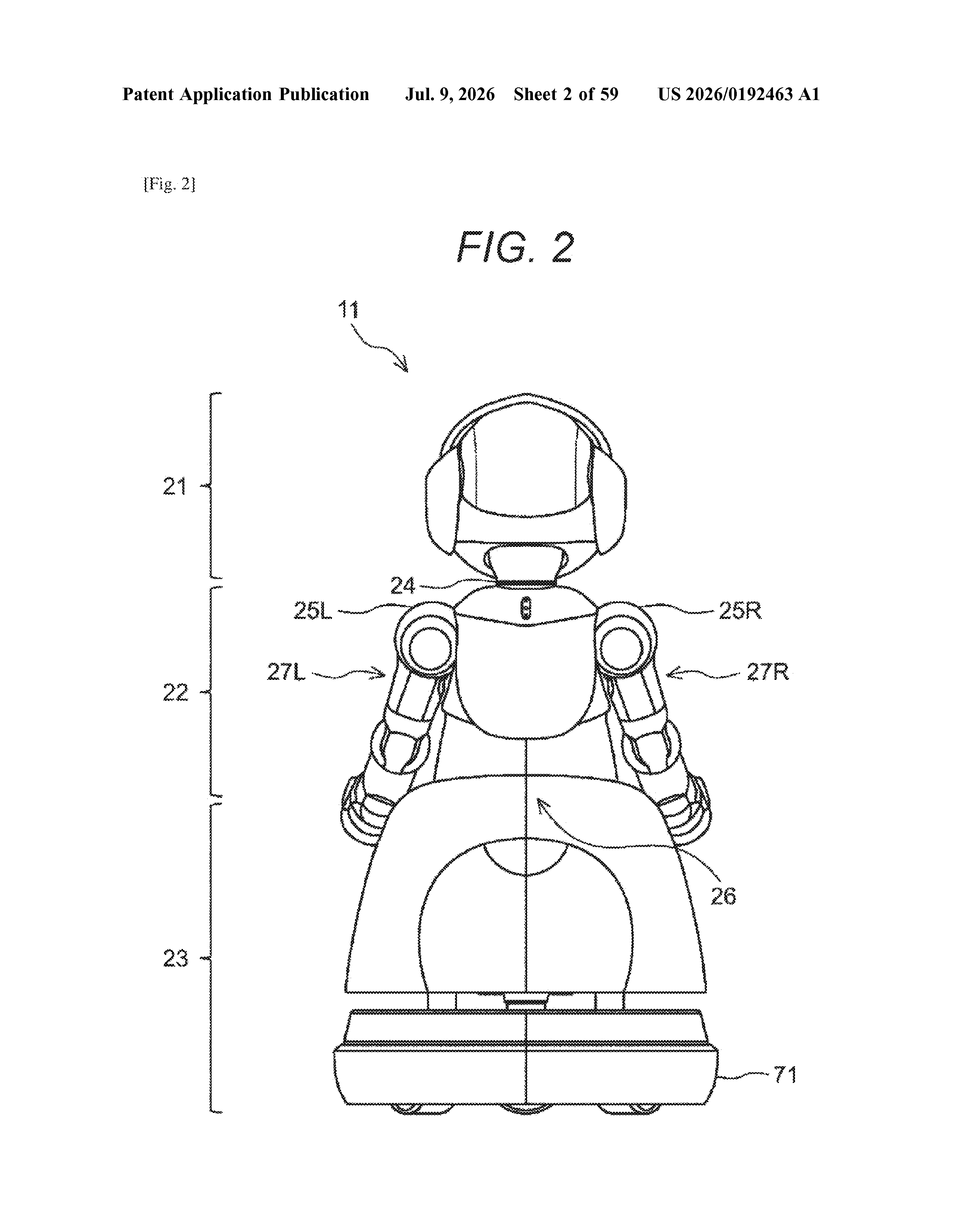
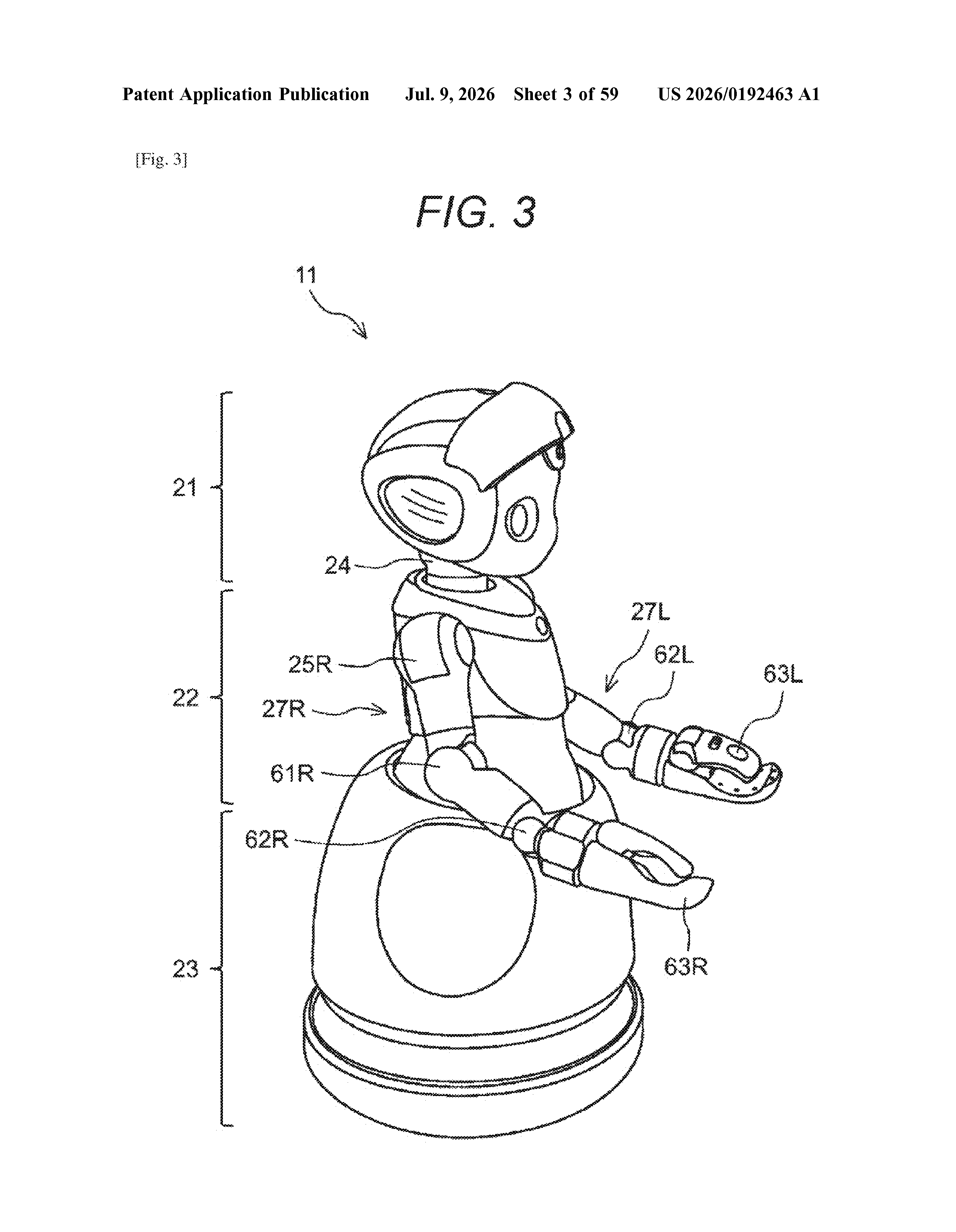
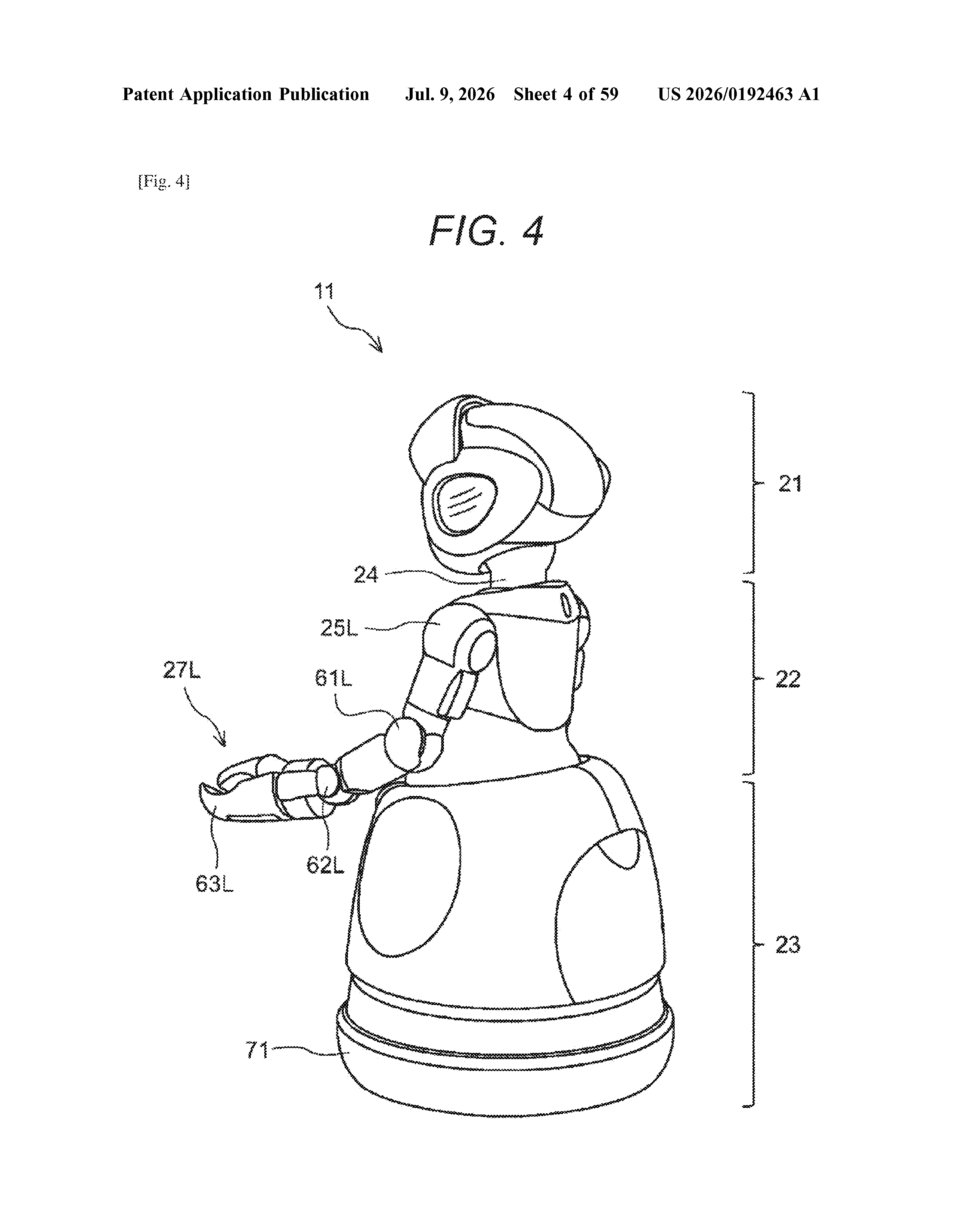
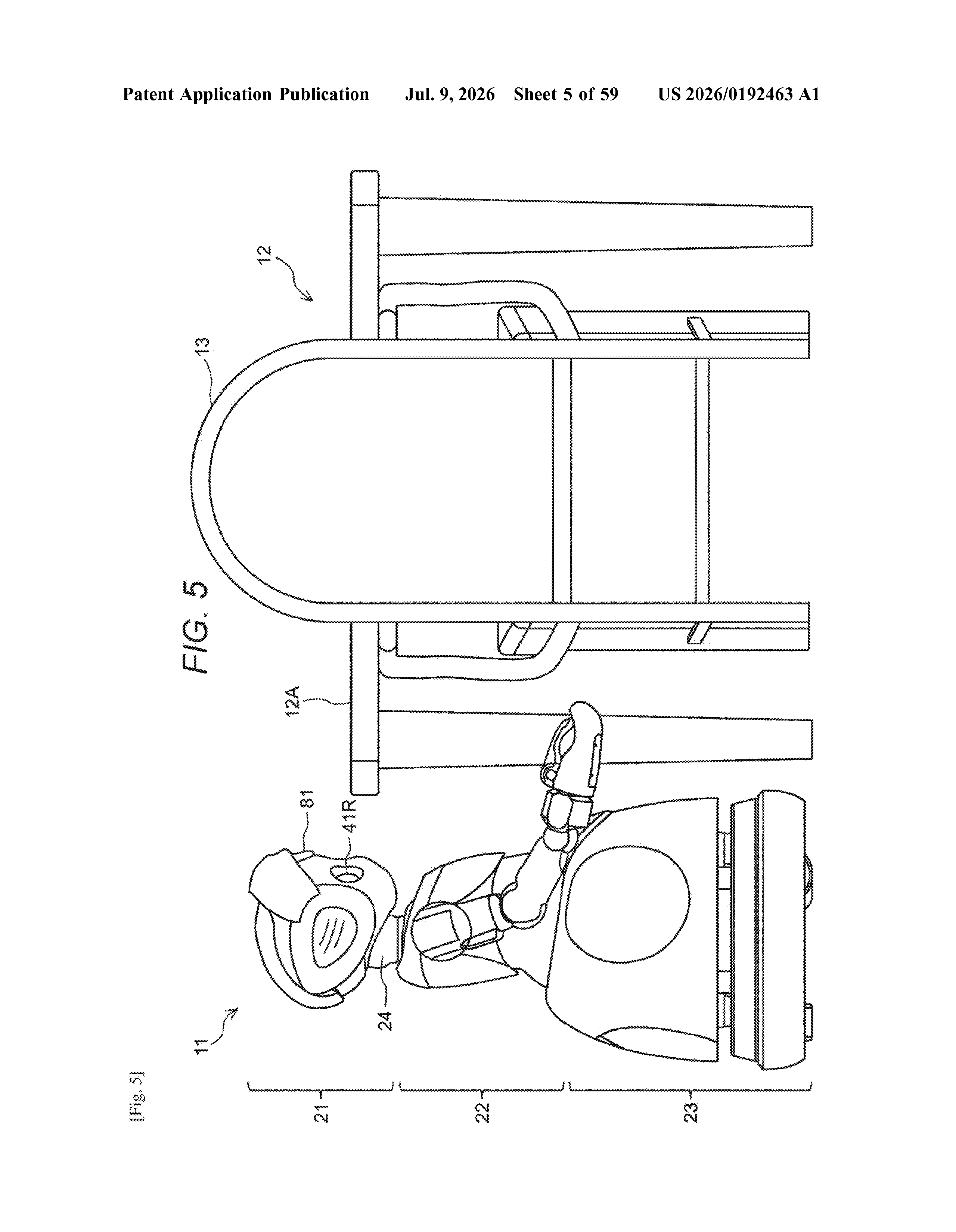
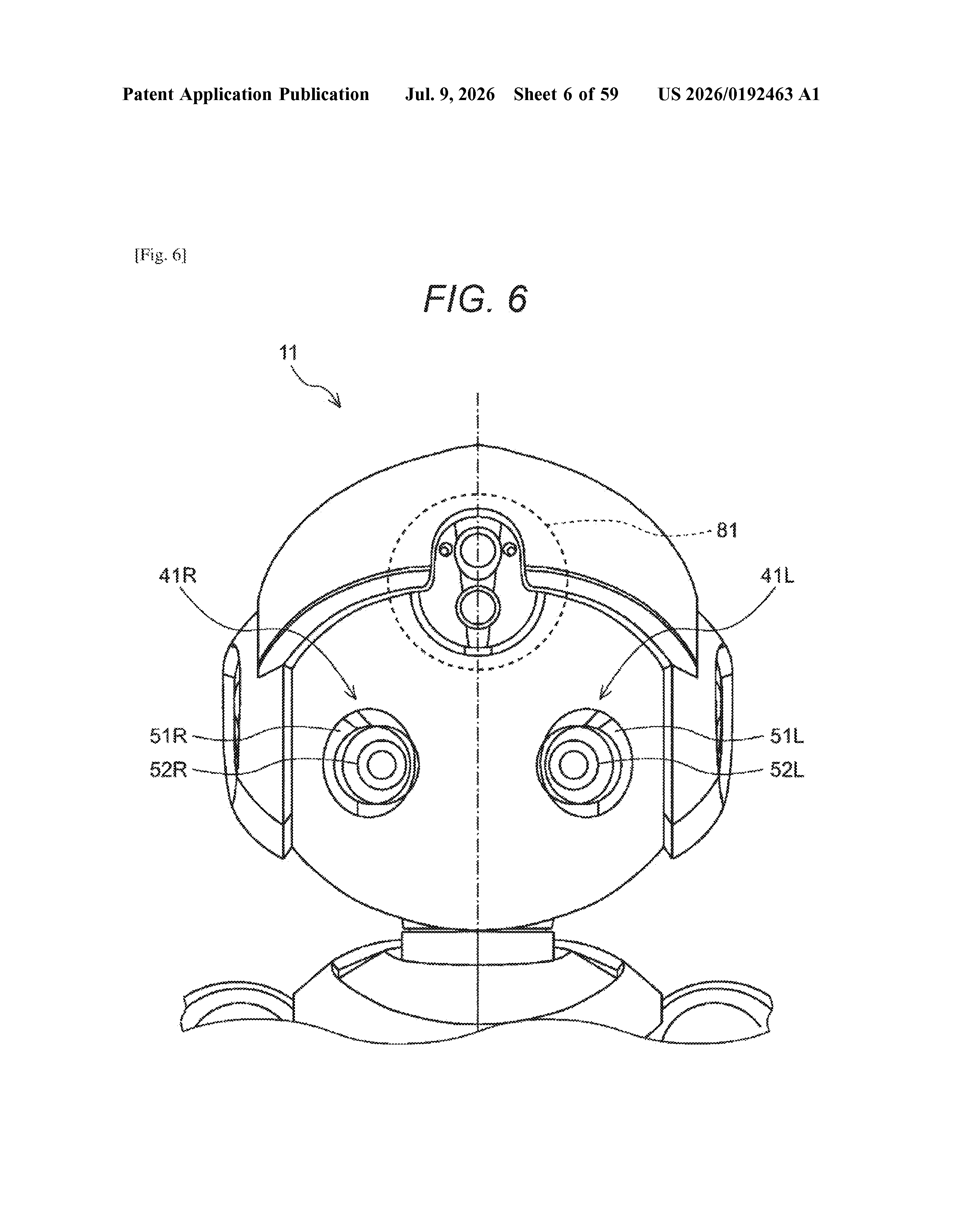
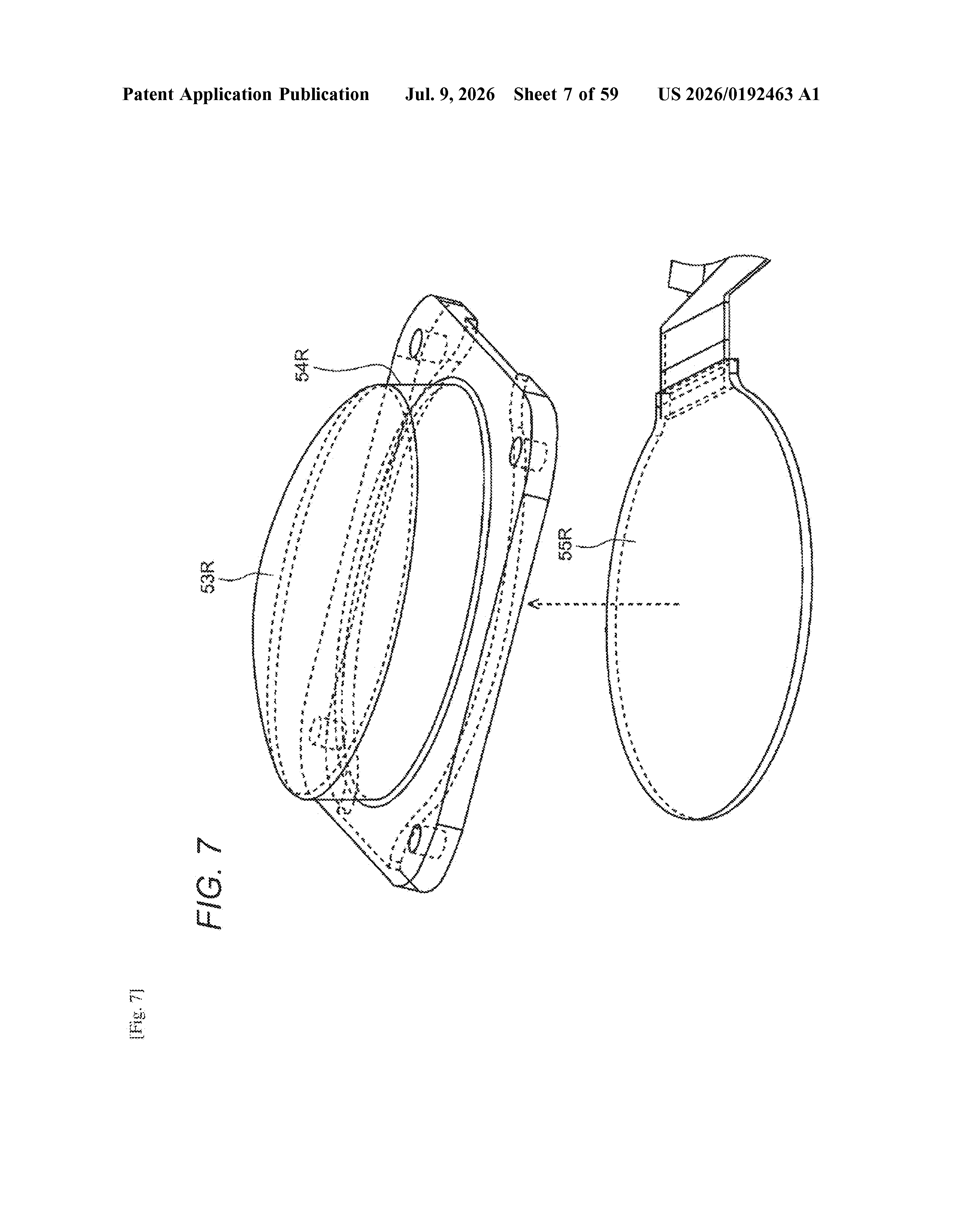
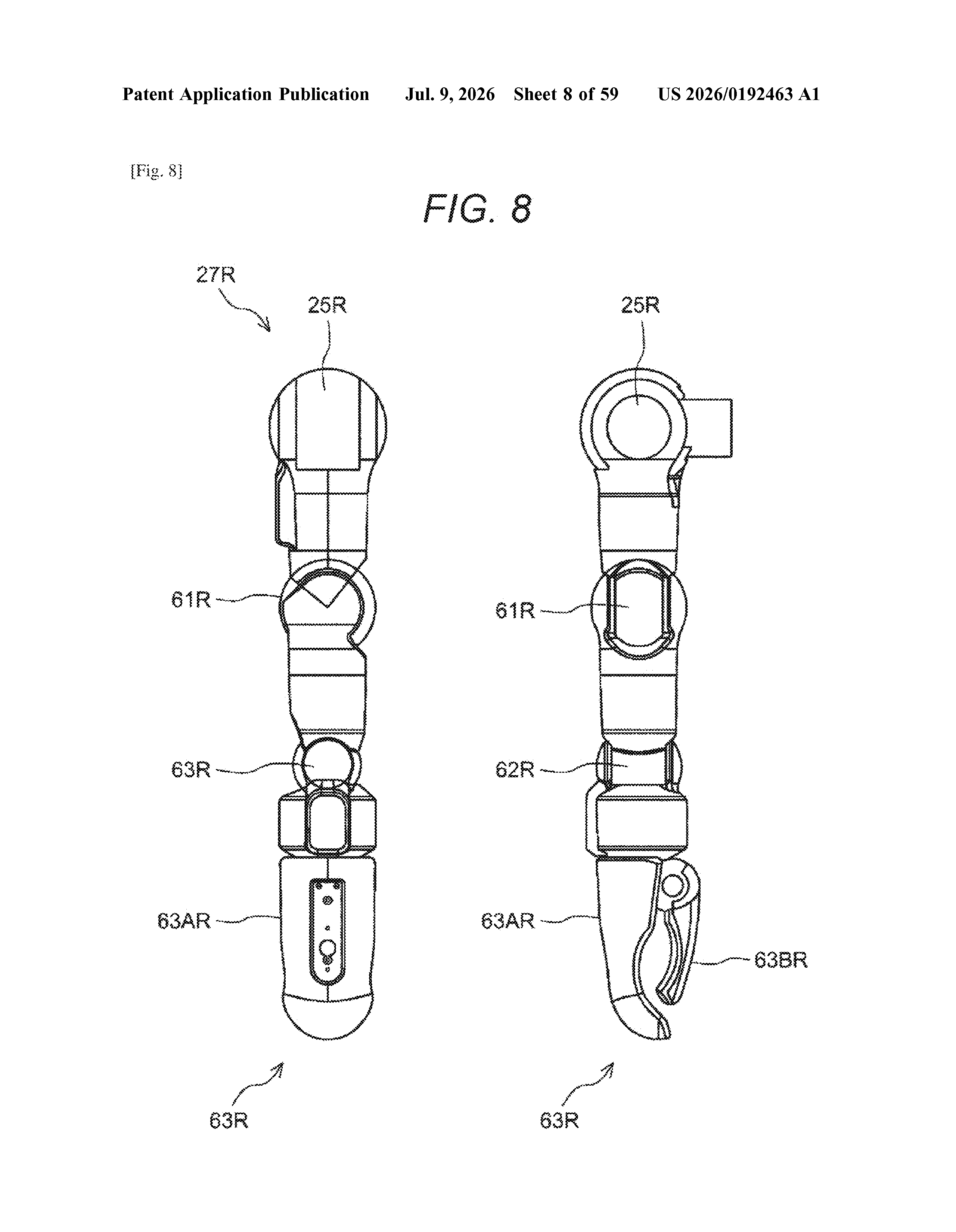
59 drawing sheets from US 2026/0192463 A1 · click any drawing to enlarge
Want this weekly breakdown for a company we don't cover? Patentlyze Pro →