
Sony Patents an AI Upscaler That Learns From the Video It's About to Fix
Most AI upscalers are trained once on huge datasets and then applied to whatever video you throw at them. Sony's new patent flips that around: train the AI on a tiny sample of the actual video you're trying to fix, then let it upscale the rest.
What Sony's self-tuning video upscaler actually does
Imagine you hired a translator who studied Spanish in general for years, then you give them your specific legal document to translate. They'll do okay, but they'd do better if you let them read a few pages of that exact document first to get familiar with its style and vocabulary. Sony's patent applies the same idea to video.
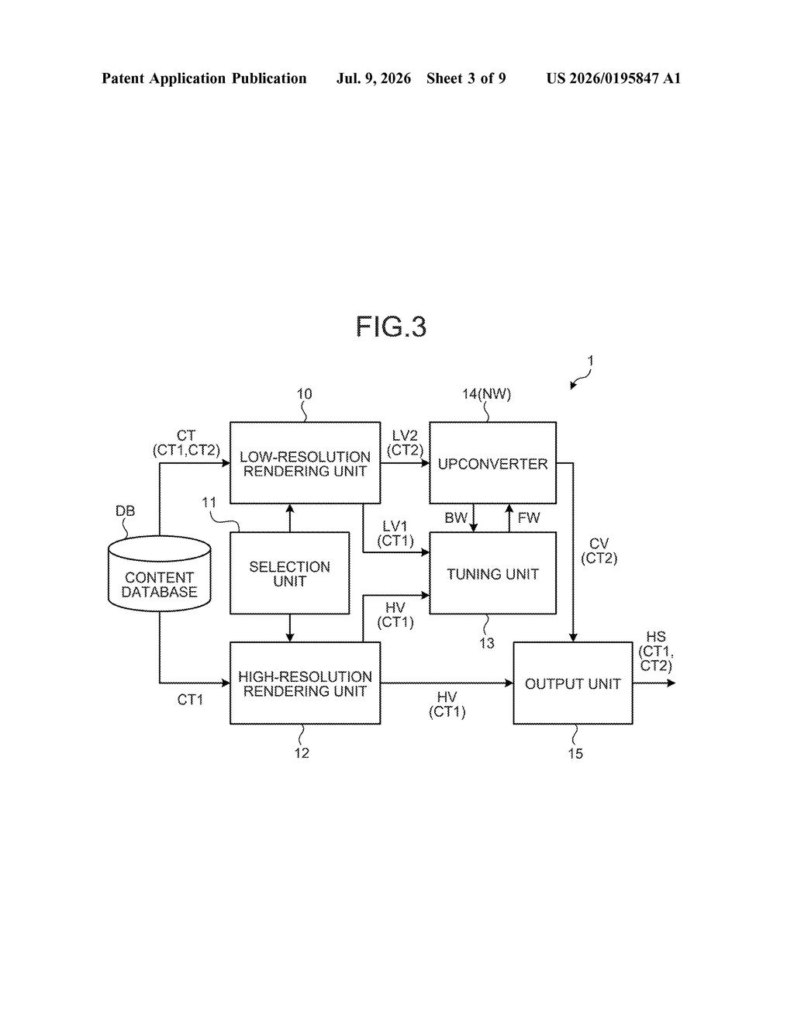
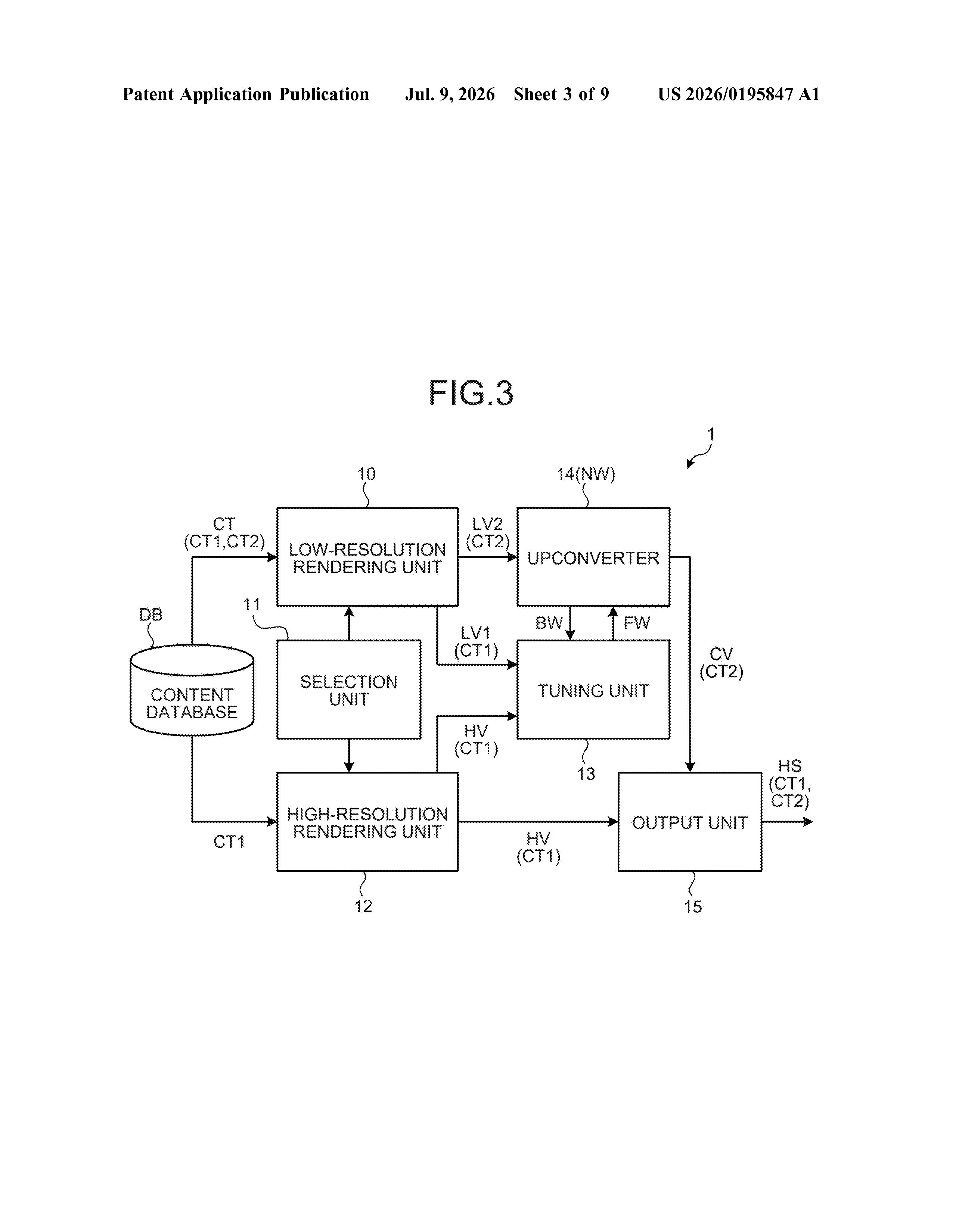
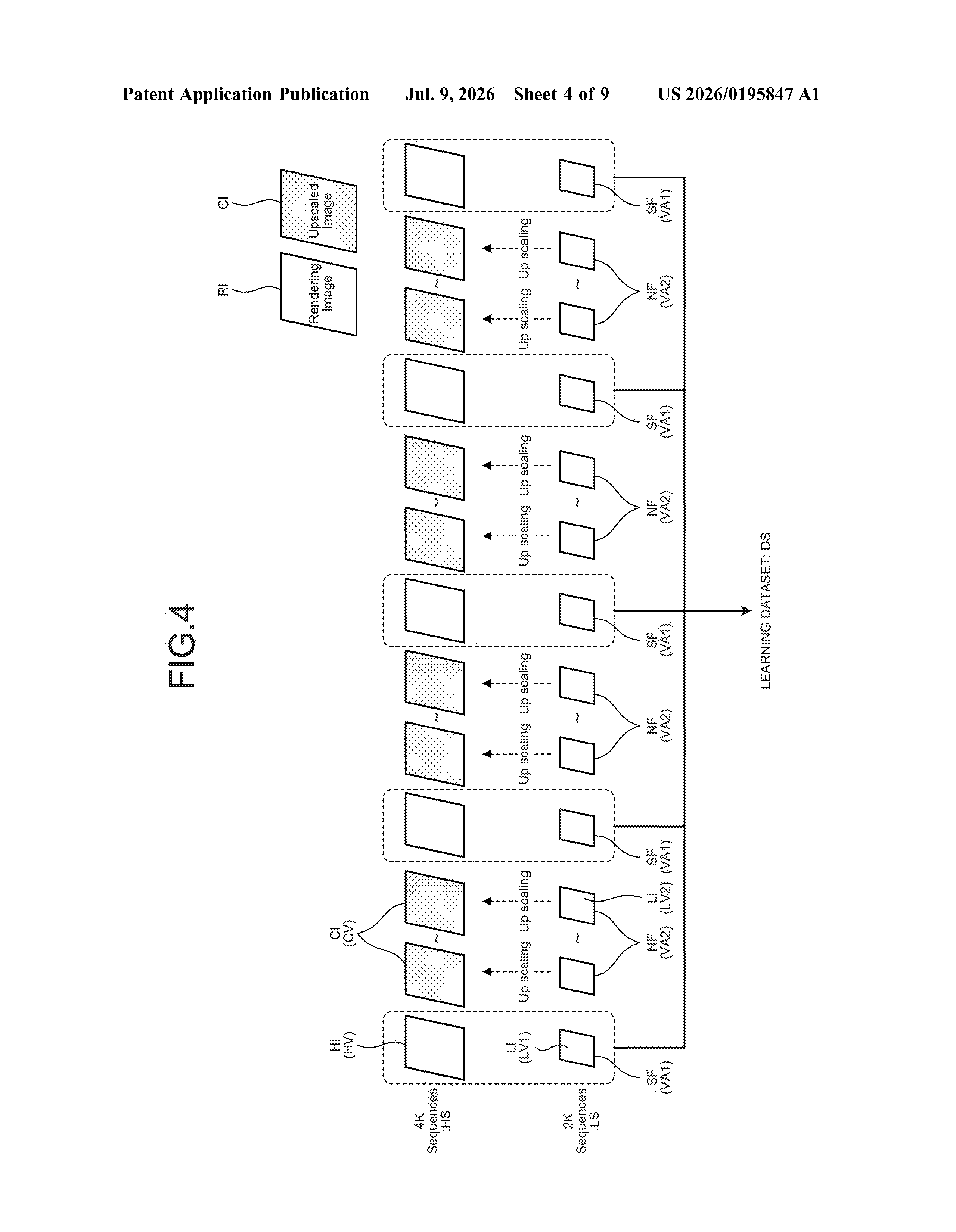
The system takes a short portion of a video in both low- and high-resolution form, and uses that pair to quickly "tune" an AI model on the specific look and feel of that video. Then the AI uses what it just learned to upscale the rest of the video on its own.
The result: instead of relying on a one-size-fits-all AI that may struggle with unusual footage, you get an AI that has already adapted to your specific video before it starts working. Sony is pitching this as a way to cut the time it takes to produce high-definition video without sacrificing quality.
How the network fine-tunes on a video's own frames
The patent describes a two-part system called a tuning unit and an upconverter.
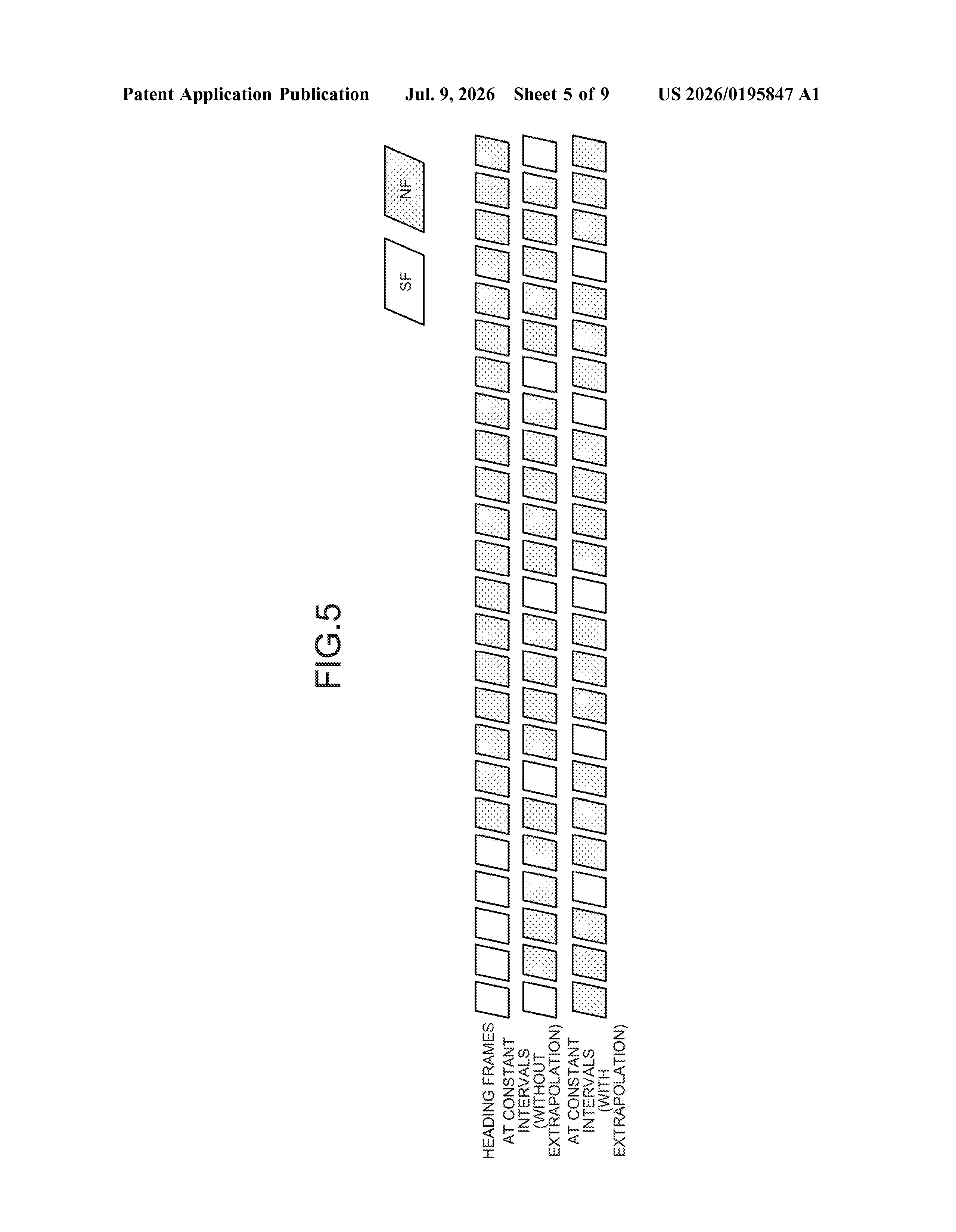
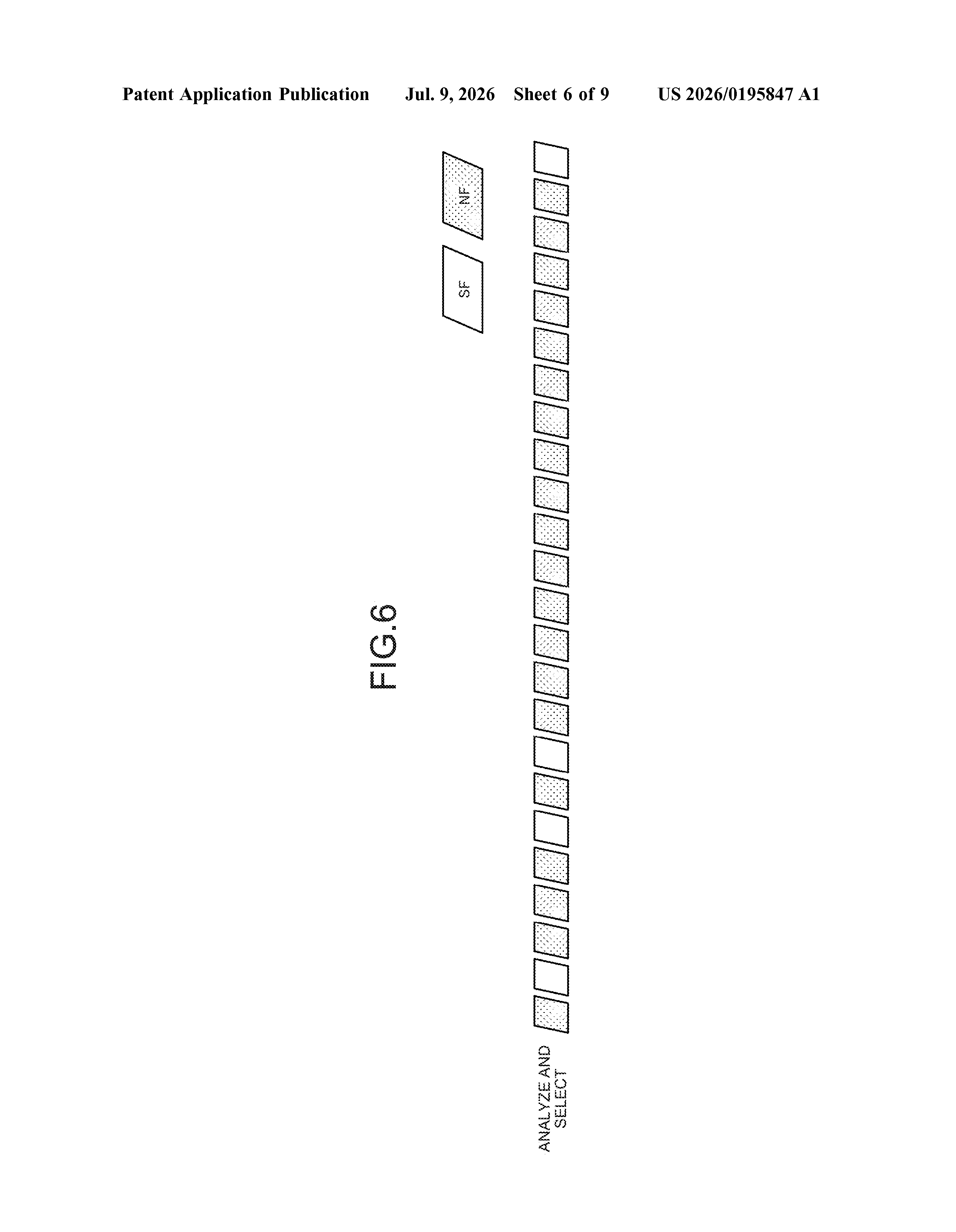
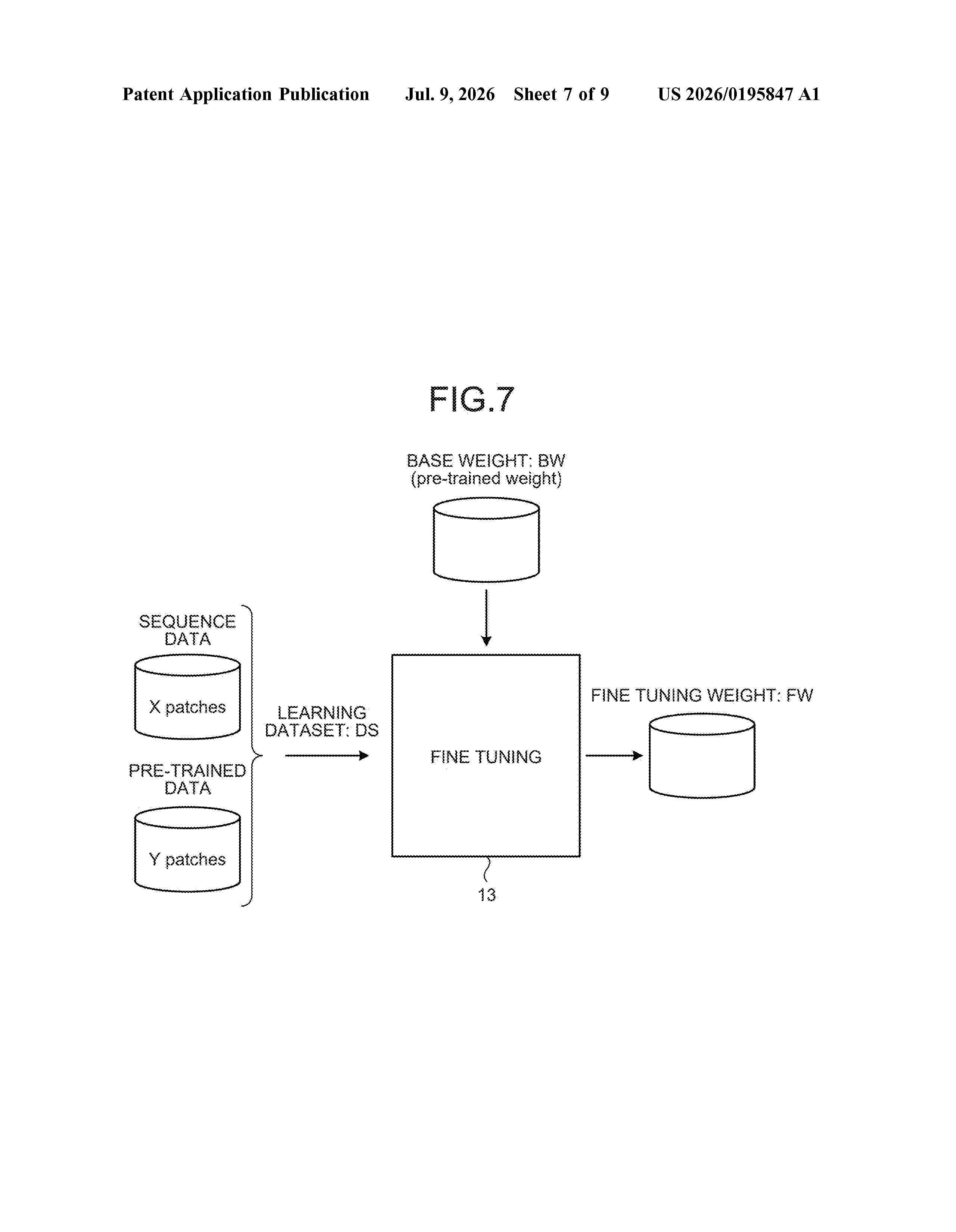
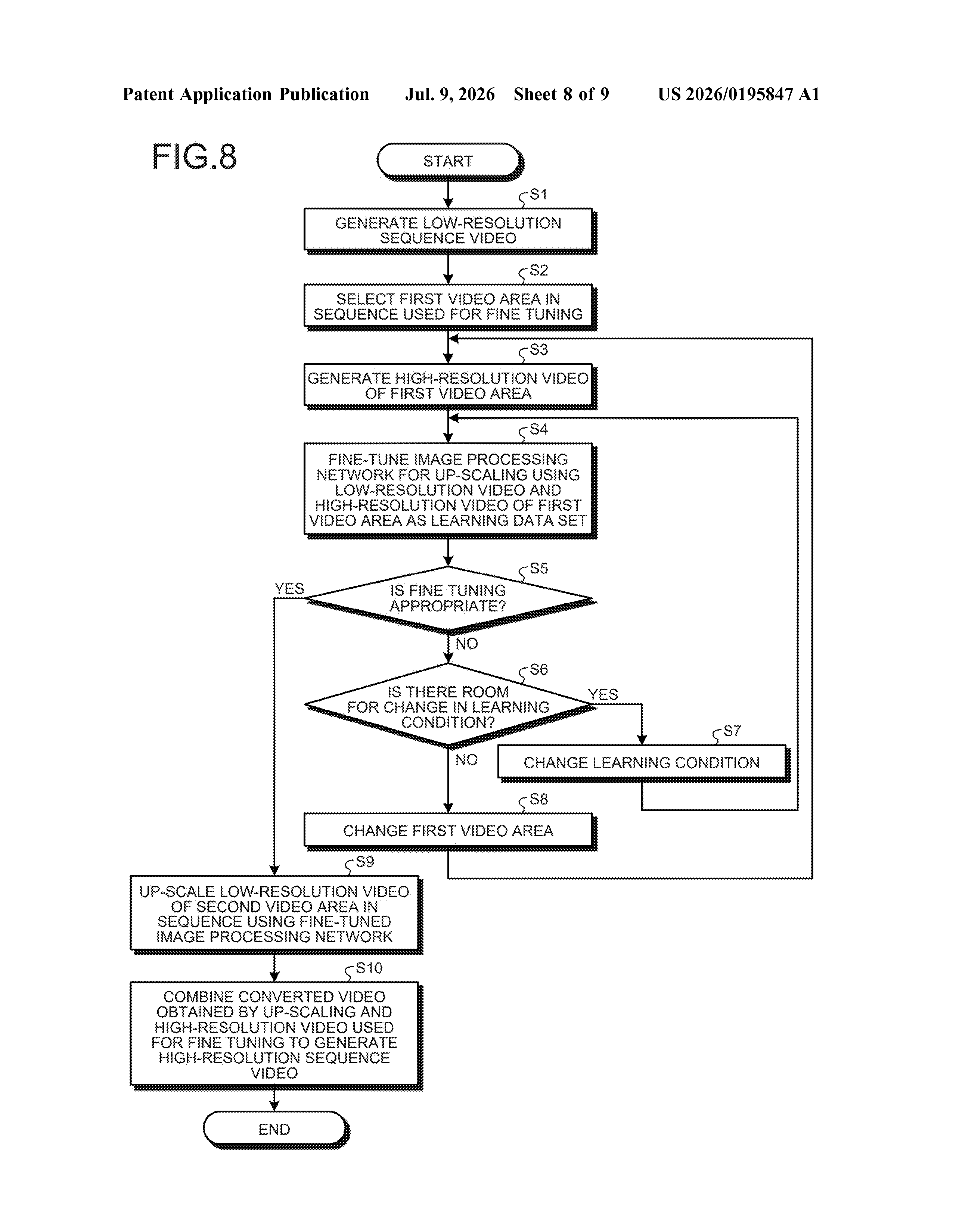
First, the tuning unit takes a slice of a video sequence where both a low-resolution and a high-resolution version are available. It uses that pair as training data to fine-tune an existing image processing network (essentially a neural network that already knows how to upscale images in general). Fine-tuning here means making small targeted adjustments to the AI model based on this specific video, rather than training from scratch.
Once that quick in-context training is done, the upconverter takes over. It feeds the remaining low-resolution portions of the video through the freshly tuned network to produce high-resolution output. The key insight is that only a portion of the sequence needs to exist in high-res ahead of time; the rest is inferred by the model.
The practical upshot:
- You only need to fully render a small clip in high definition
- The AI learns the lighting, textures, and style of that specific content
- It then upscales the remainder faster and more accurately than a generic model would
What this means for fast, high-quality video rendering
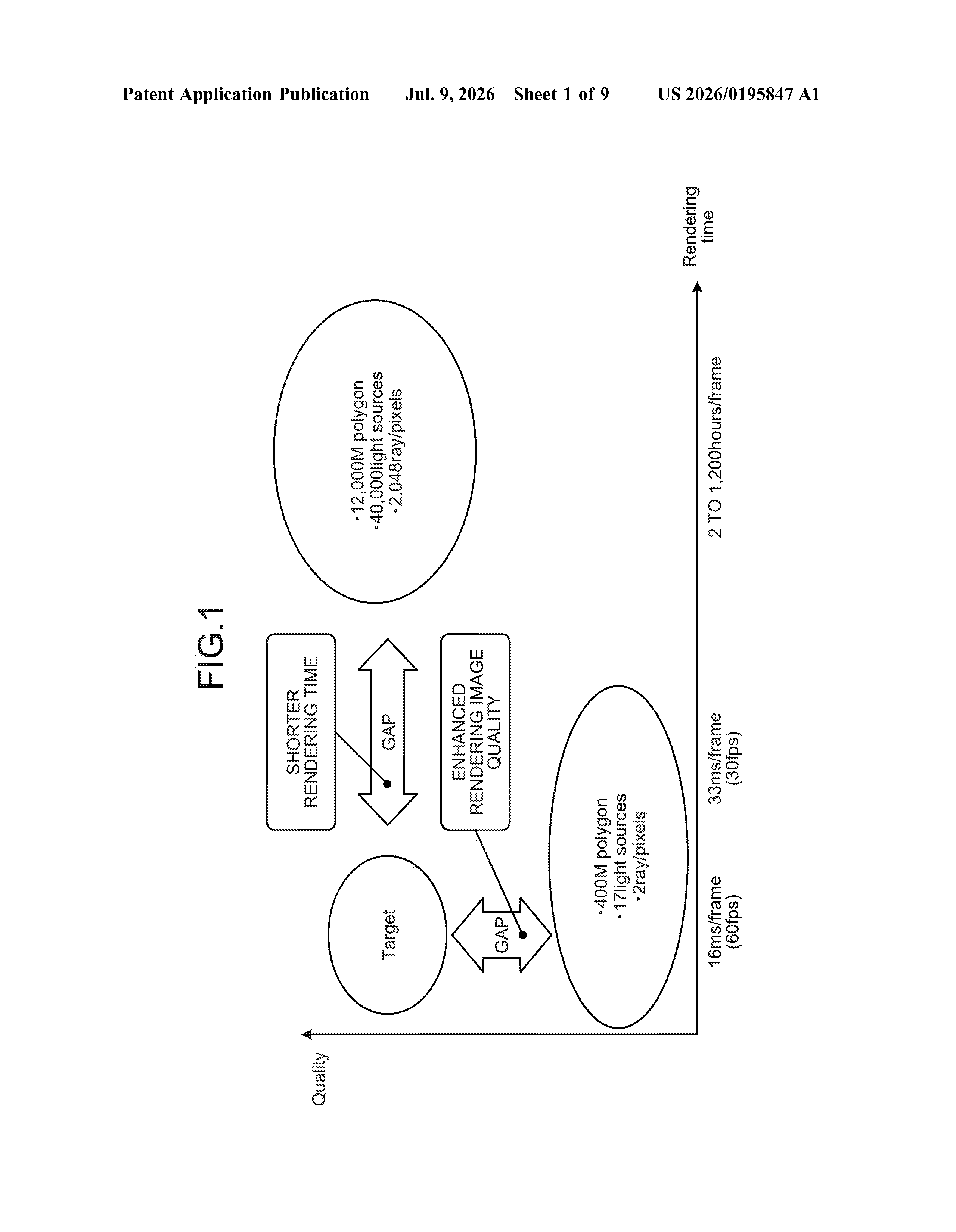
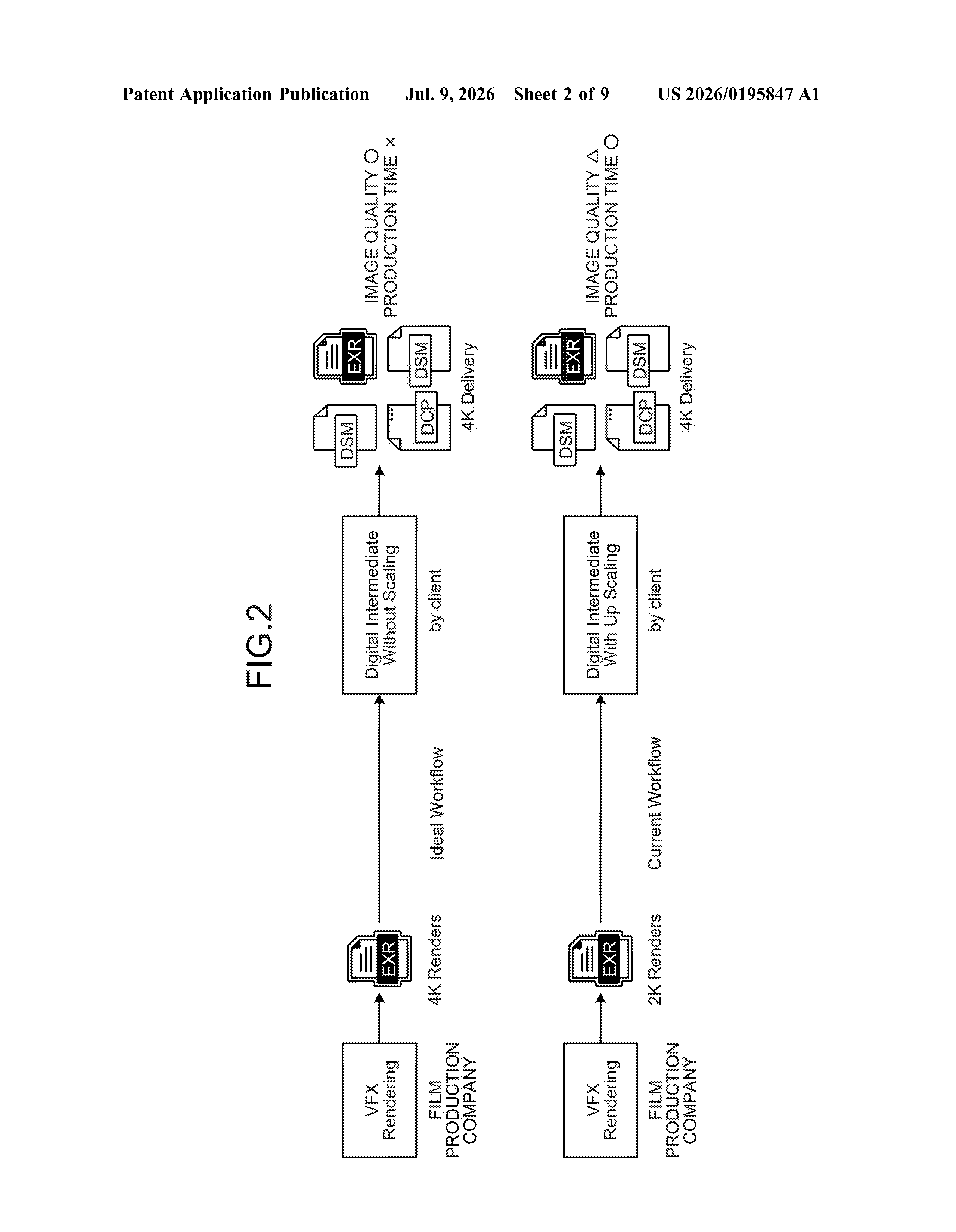
The target here is almost certainly video production pipelines, whether that's film visual effects, game cinematics, or broadcast content. Rendering video in full high-definition is expensive and time-consuming. If you can render only a portion at full quality and let an AI handle the rest using scene-specific knowledge, you could cut production time significantly.
For consumers, this kind of technique could eventually appear in Sony's camera firmware, PlayStation hardware, or streaming tools, anywhere the company needs to produce or display high-quality video from lower-quality source material. The self-tuning angle is what sets it apart: the AI doesn't have to be good at all videos, just the one in front of it.
This is a genuinely clever engineering idea. Training an AI upscaler on a sample of the very video it's about to process is a practical workaround for one of the core weaknesses of general-purpose models: they don't know anything specific about your content. The patent is narrow in scope and focused on efficiency, not a moonshot, but it solves a real problem in video production in a clean way.
Get our take in your Top Stories
Liked this breakdown? Add Patentlyze as a preferred source on Google, and our plain-English take shows up more often in your Top Stories the next time Sony patent news breaks.
There are more where this came from
We read every patent application Big Tech publishes and send you the ones worth knowing. Plain English, free, every week.
The drawings
9 drawing sheets from US 2026/0195847 A1 · click any drawing to enlarge
Want this weekly breakdown for a company we don't cover? Patentlyze Pro →