
Adobe Patents a Two-Track System That Compresses Video Files Further
Video files are already huge, and AI-generated video is making the problem worse. Adobe's latest patent describes a smarter way to pack more compression into less space without wrecking the picture quality.
What Adobe's two-track video compression actually does
Imagine trying to store a movie on a thumb drive that's already almost full. You could just squeeze the file down until it looks awful, or you could find a cleverer way to describe the same footage in fewer bytes. Adobe's patent is about that second option, specifically for video.
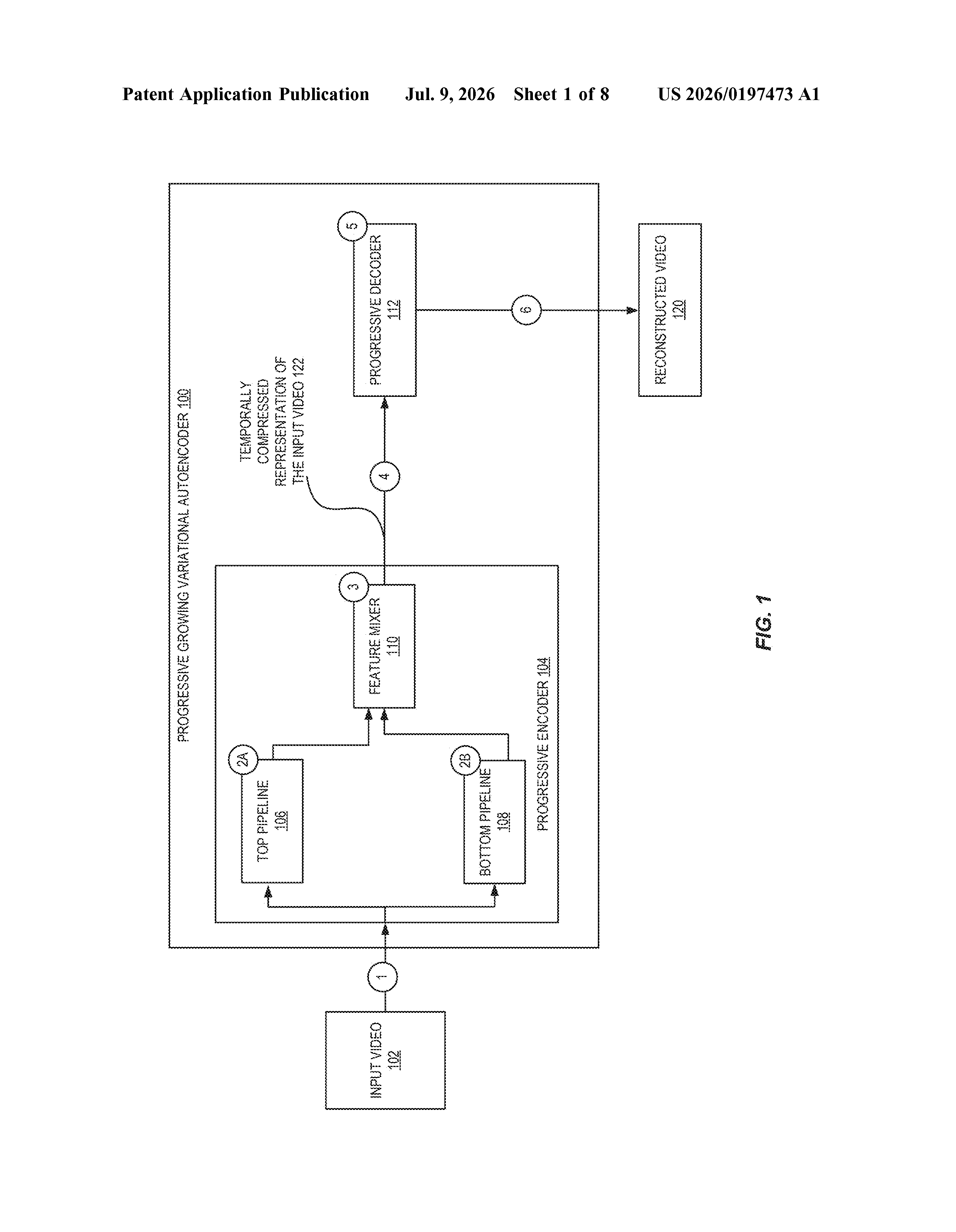
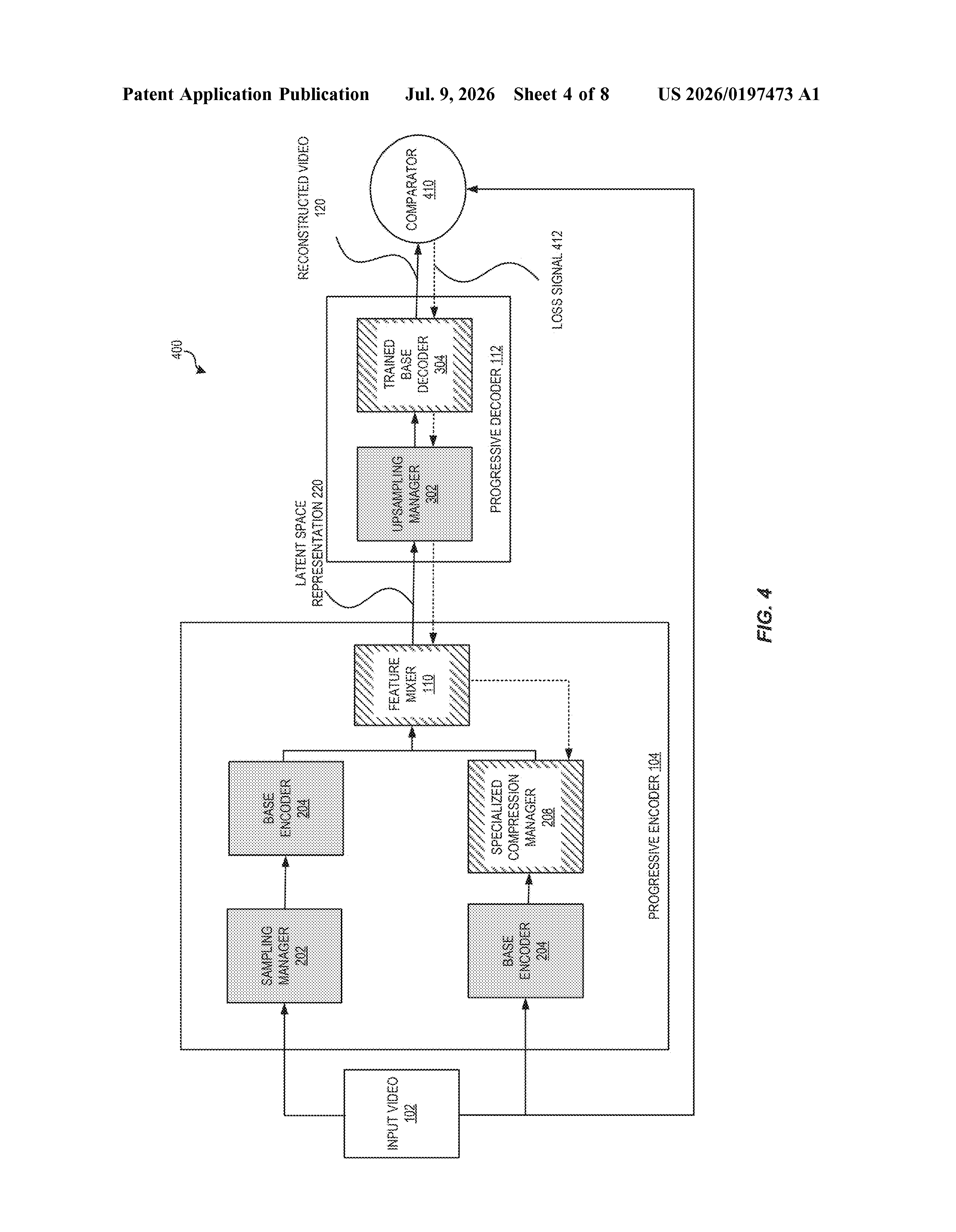
The system runs your video through two separate "tracks" at the same time. One track captures the broad strokes of what's happening frame-to-frame; the other focuses on the finer details. Together, they build a compact description of the video that takes up much less storage than traditional methods, especially across time.
This kind of compression is increasingly important as AI video generation tools (including Adobe's own Firefly) produce content that needs to be stored, transmitted, and edited. Getting the file sizes down without losing quality is a real engineering challenge, and this patent describes one approach to solving it.
How the top and bottom pipelines split the encoding work
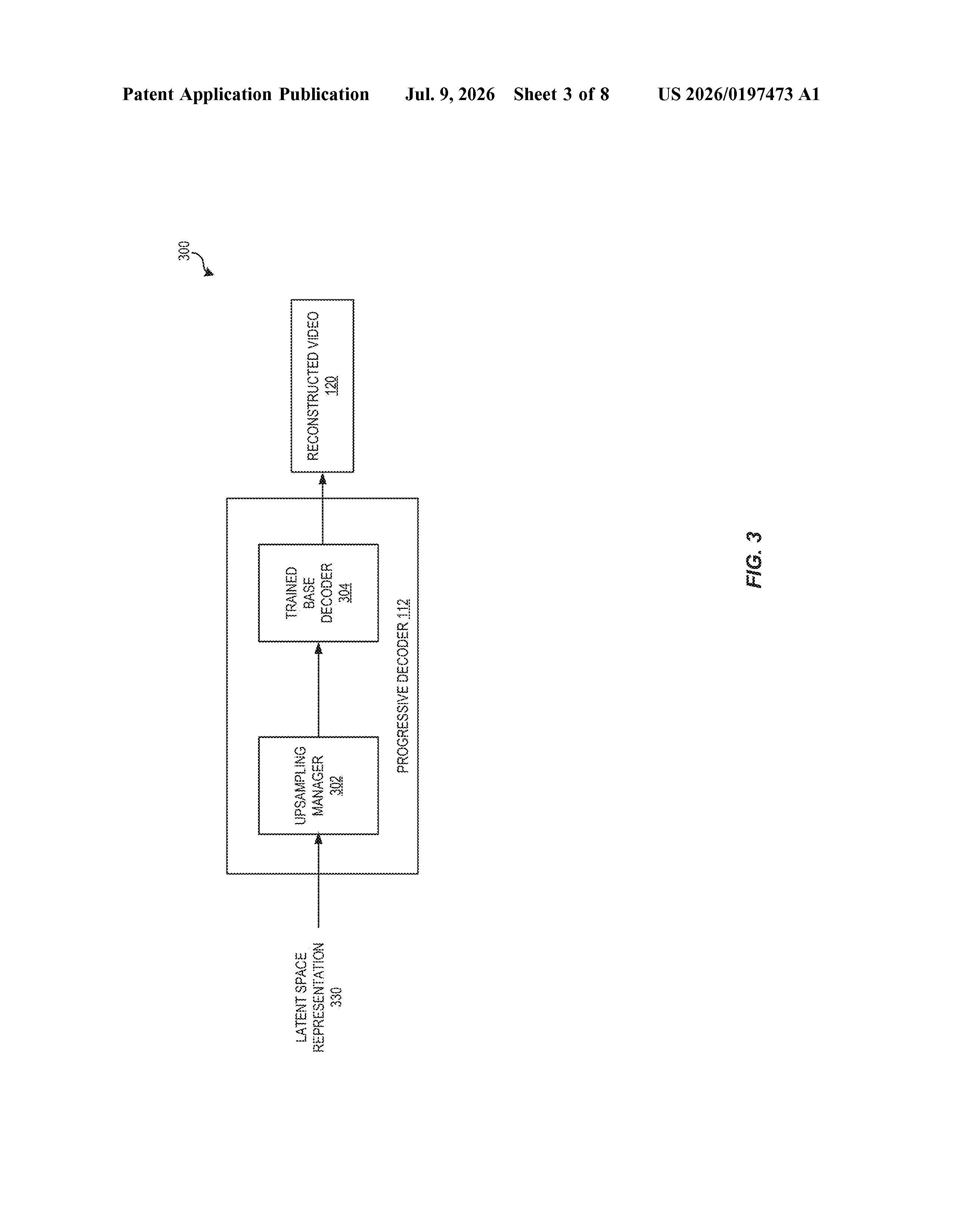
The patent describes a progressive growing variational autoencoder (VAE), which is a type of neural network that learns to compress and reconstruct data. The "variational" part means it works in a latent space (a compressed mathematical representation of the video, rather than the raw pixels themselves). The "progressive growing" part means the system builds up its understanding of the video in stages, from coarse to fine.
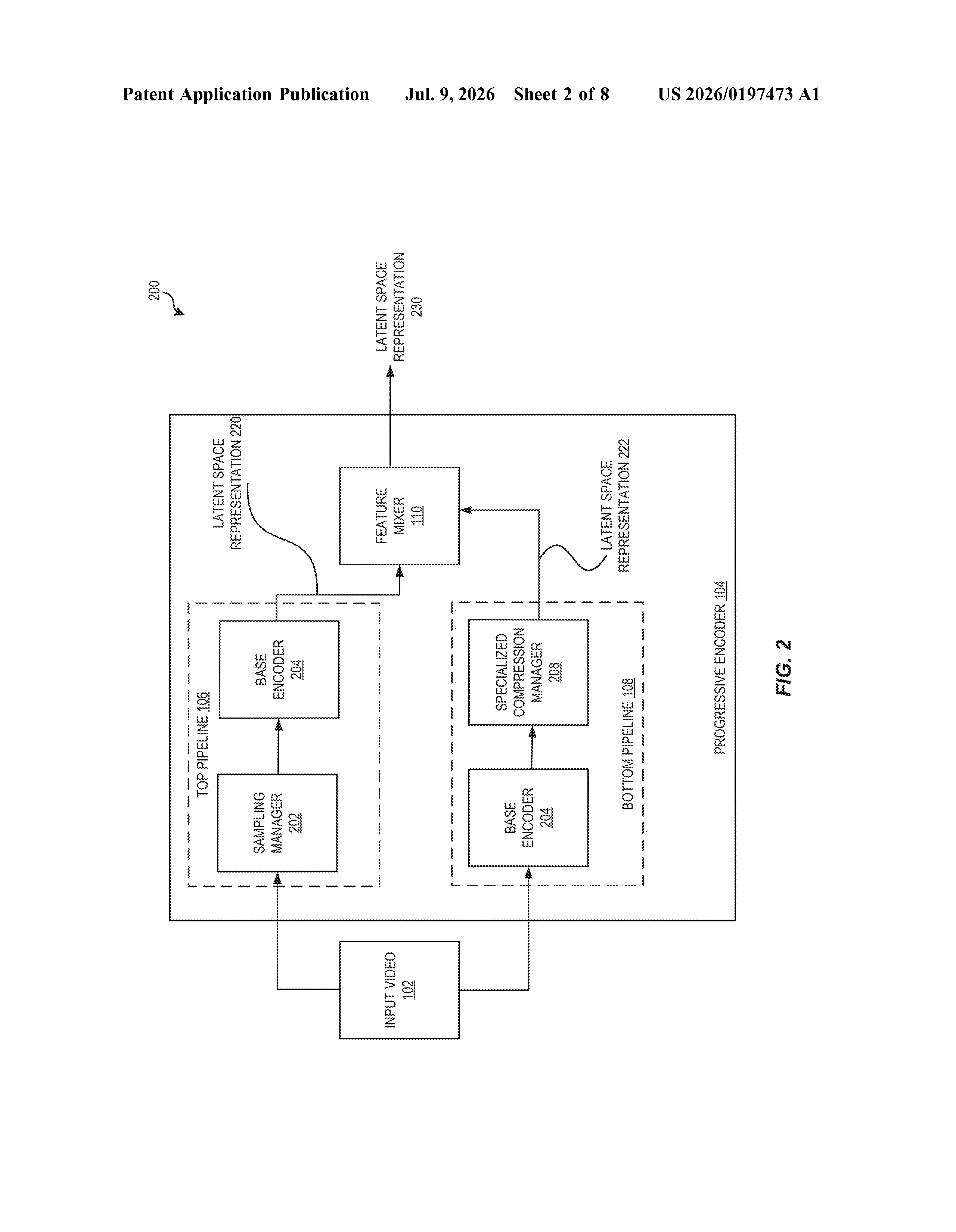
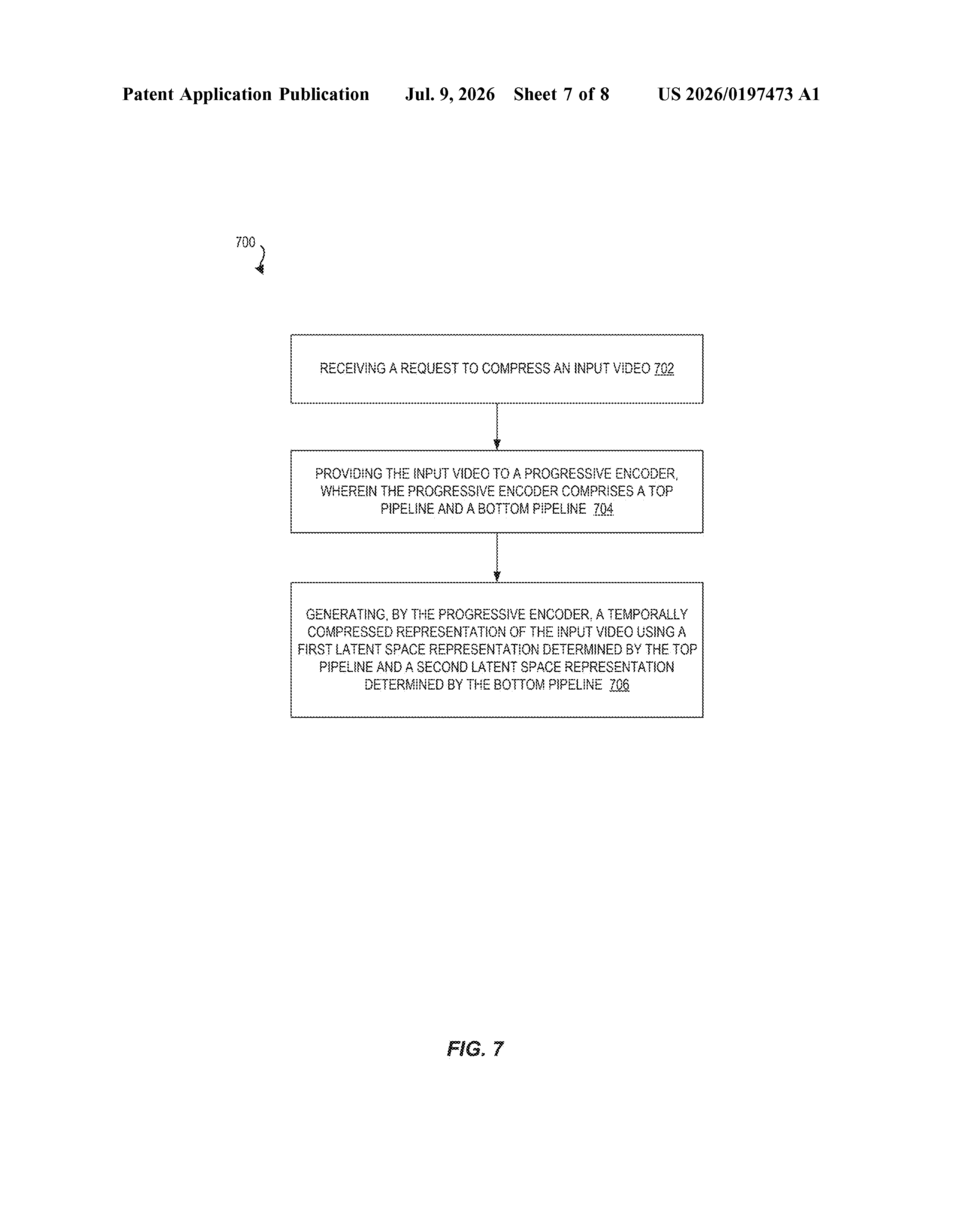
The encoder has two parallel paths:
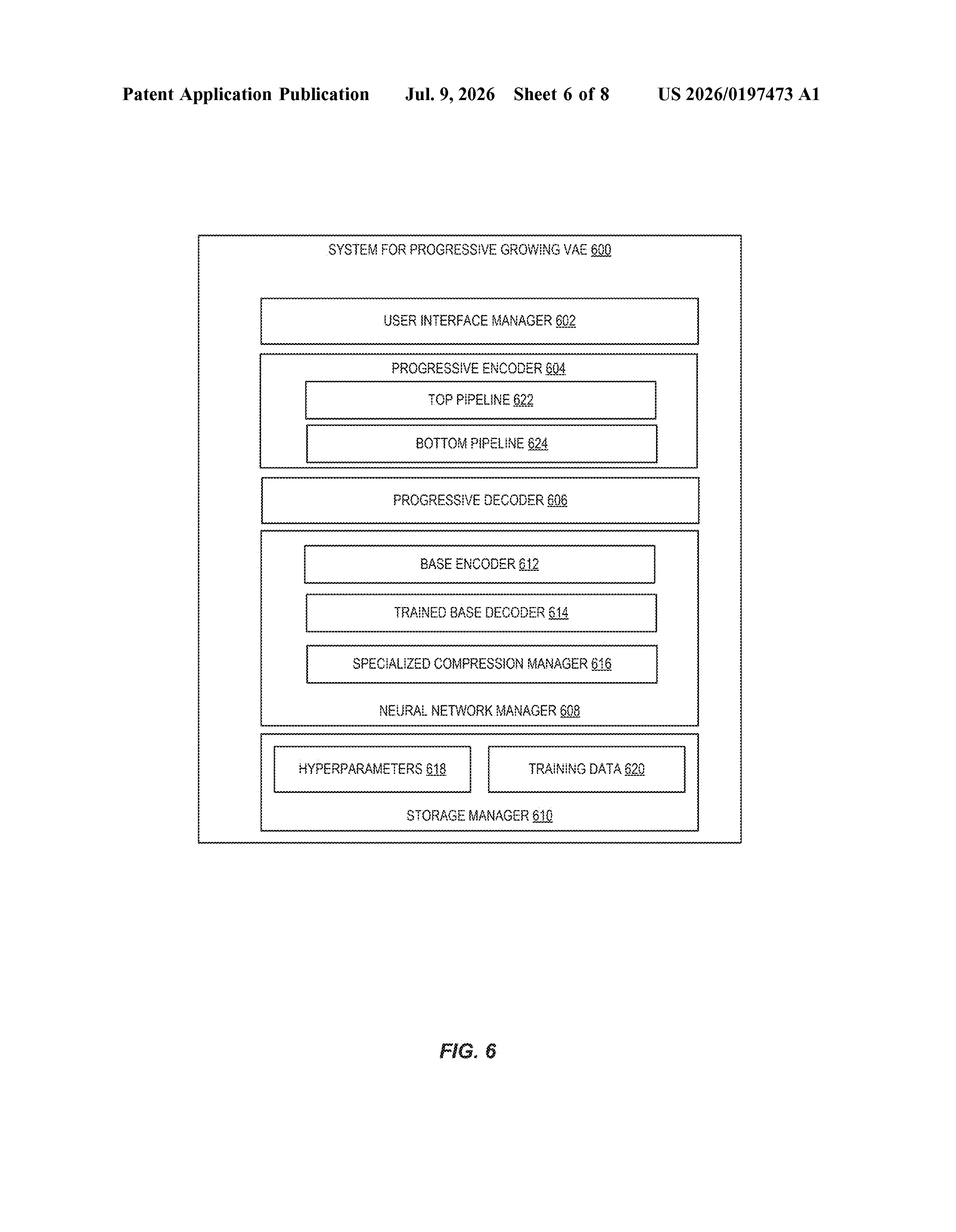
- Top pipeline: Produces a high-level latent representation, capturing the overall motion and structure across frames.
- Bottom pipeline: Produces a more detailed latent representation, filling in the finer temporal details the top pipeline misses.
The two representations are then combined to form a single temporally compressed output. "Temporal compression" means the system is specifically focused on reducing redundancy across time (between frames), not just within a single frame the way a JPEG compresses a still image.
The practical result is a video encoding scheme that can describe motion-heavy footage more efficiently, which is especially useful when a model needs to process or generate video at scale.
What this means for AI video tools and storage costs
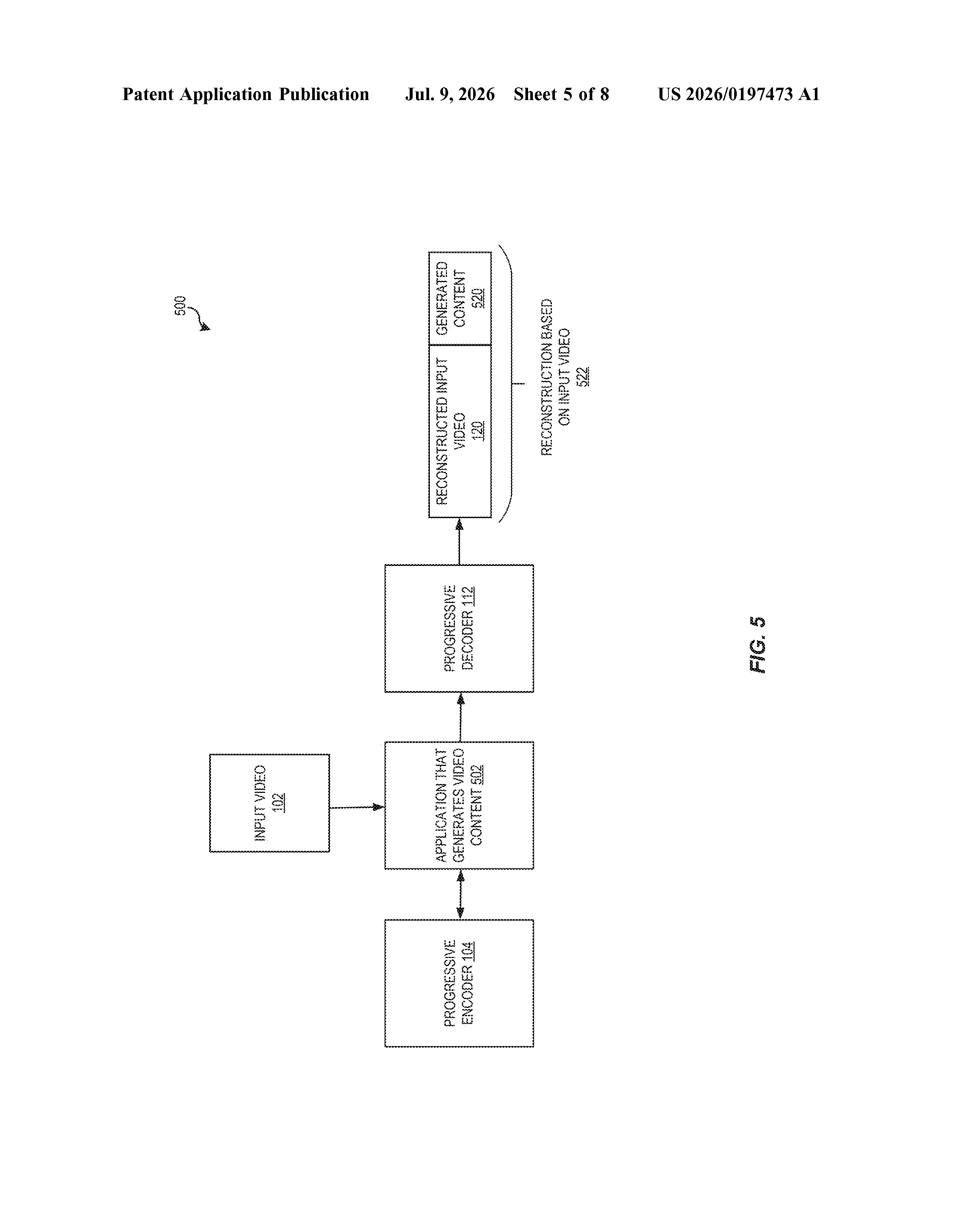
For Adobe, this matters most in the context of AI video generation. Tools like Firefly Video rely on VAEs to encode and decode footage as part of the generation pipeline. A more efficient temporal encoder means the AI can work with longer clips, process them faster, or run on less compute, all of which translate to lower costs and better output quality for users.
More broadly, video compression sits at the foundation of streaming, editing, and sharing. Any gain here compounds across every platform that touches video. If Adobe bakes this into its creative tools or cloud infrastructure, you could see faster exports, smaller project files, and AI video features that handle longer clips without choking.
This is unglamorous infrastructure work, but it's the kind that actually ships and matters. Adobe's AI video ambitions depend on efficient encoding, and this patent shows the company is investing in the plumbing, not just the flashy front end. Worth watching as a signal of where Firefly Video's technical stack is heading.
Get our take in your Top Stories
Liked this breakdown? Add Patentlyze as a preferred source on Google, and our plain-English take shows up more often in your Top Stories the next time Adobe patent news breaks.
There are more where this came from
We read every patent application Big Tech publishes and send you the ones worth knowing. Plain English, free, every week.
The drawings
8 drawing sheets from US 2026/0197473 A1 · click any drawing to enlarge
Want this weekly breakdown for a company we don't cover? Patentlyze Pro →