
Nvidia Patents an AI That Lines Up Medical Scans by Practicing on Fake Ones First
Before a doctor can compare two scans of the same patient taken months apart, those images have to be lined up precisely. Nvidia is patenting a way to teach AI to do that job by having it practice on artificially generated examples first.
What Nvidia's image-alignment AI actually does
Imagine a radiologist comparing two MRI scans of your brain, one from last year and one from today. For that comparison to be useful, the two images have to be matched up so that every structure lines up in exactly the same position. That process is called image registration, and doing it accurately is surprisingly hard.
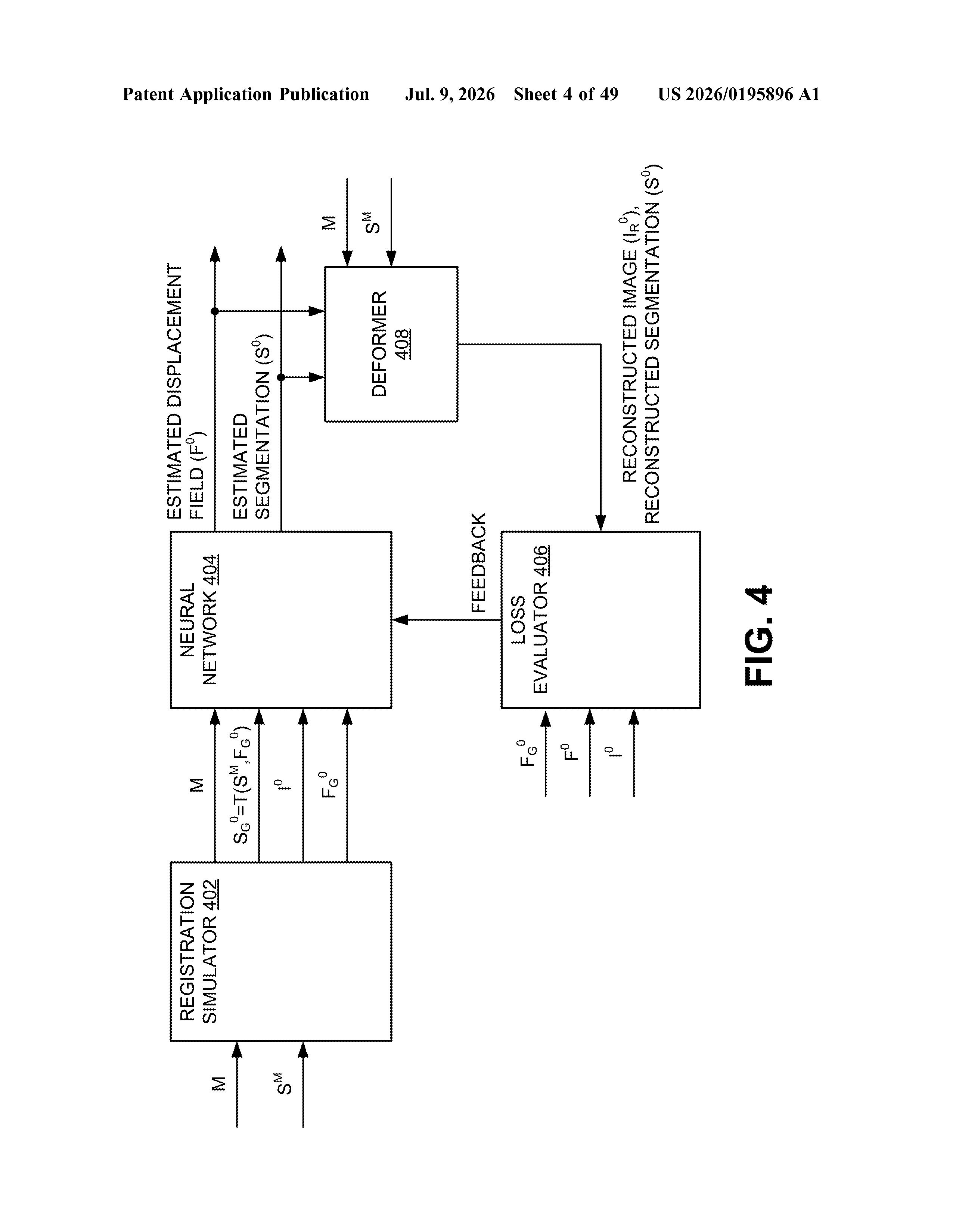
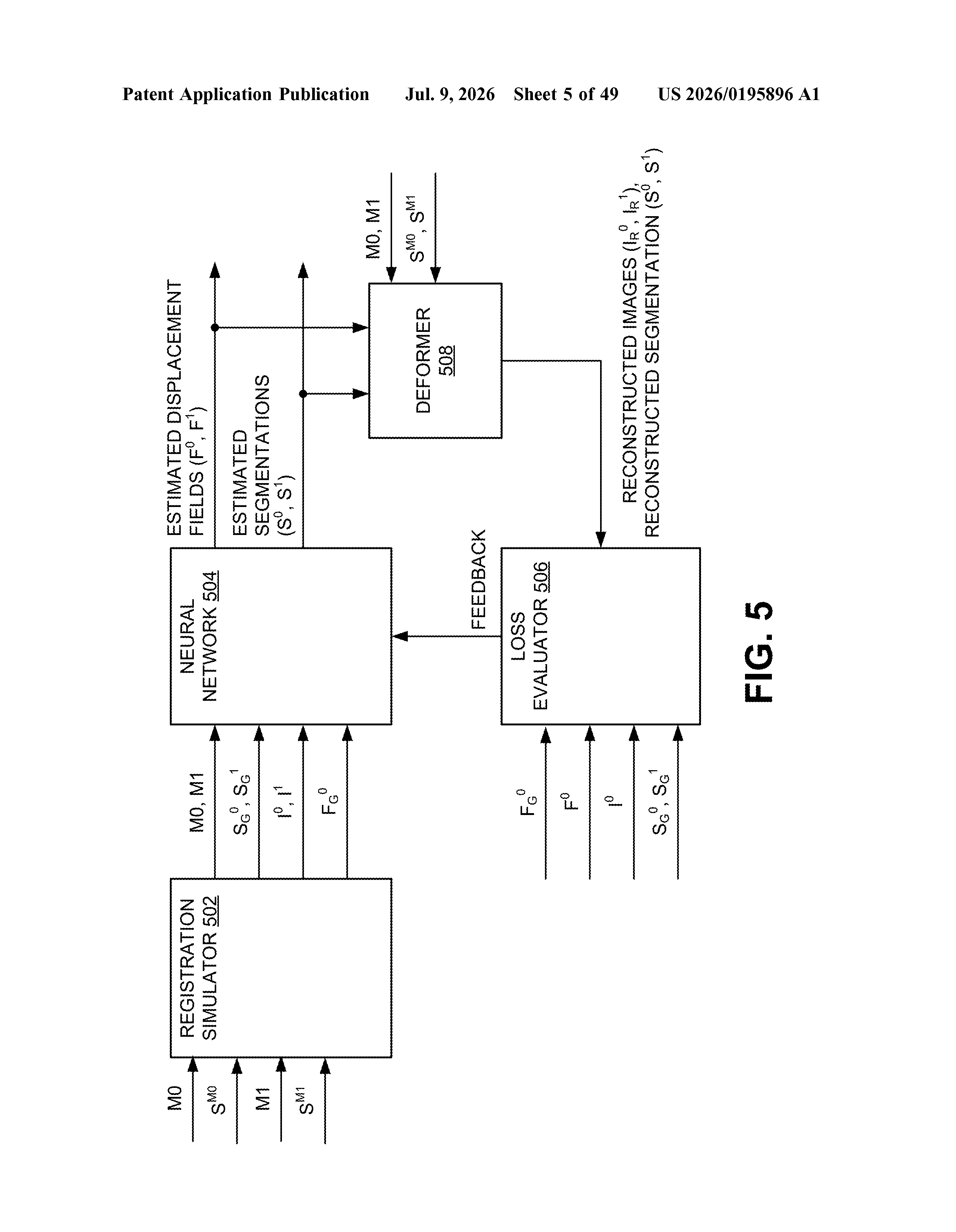
Nvidia's patent describes a neural network (an AI model) trained specifically for this task. The clever part is how it learns: instead of relying solely on large libraries of pre-labeled real scan pairs, the system uses a registration simulator to generate practice examples. The simulator creates artificial pairs of images that already have a known correct alignment, giving the AI a training partner with built-in answers.
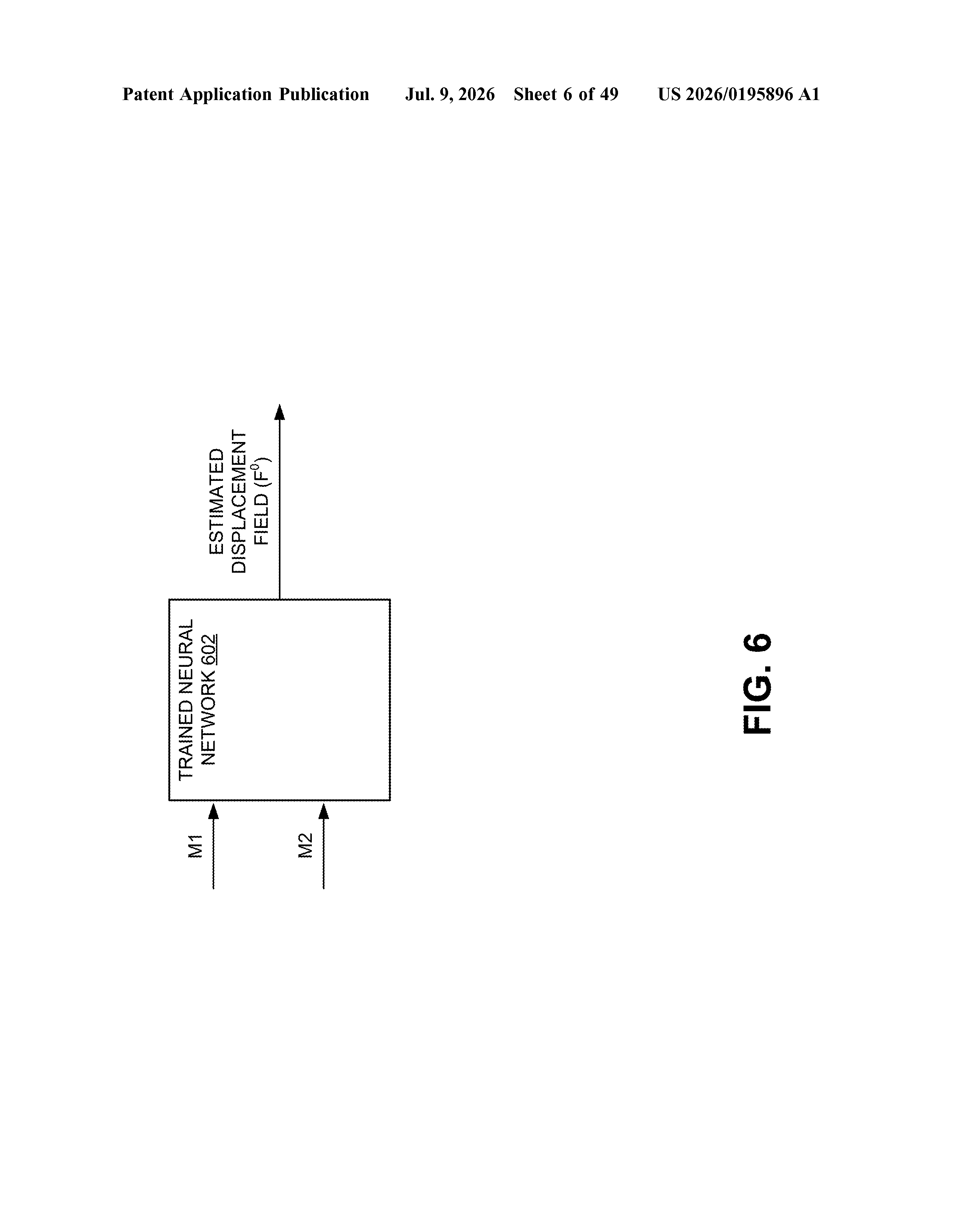
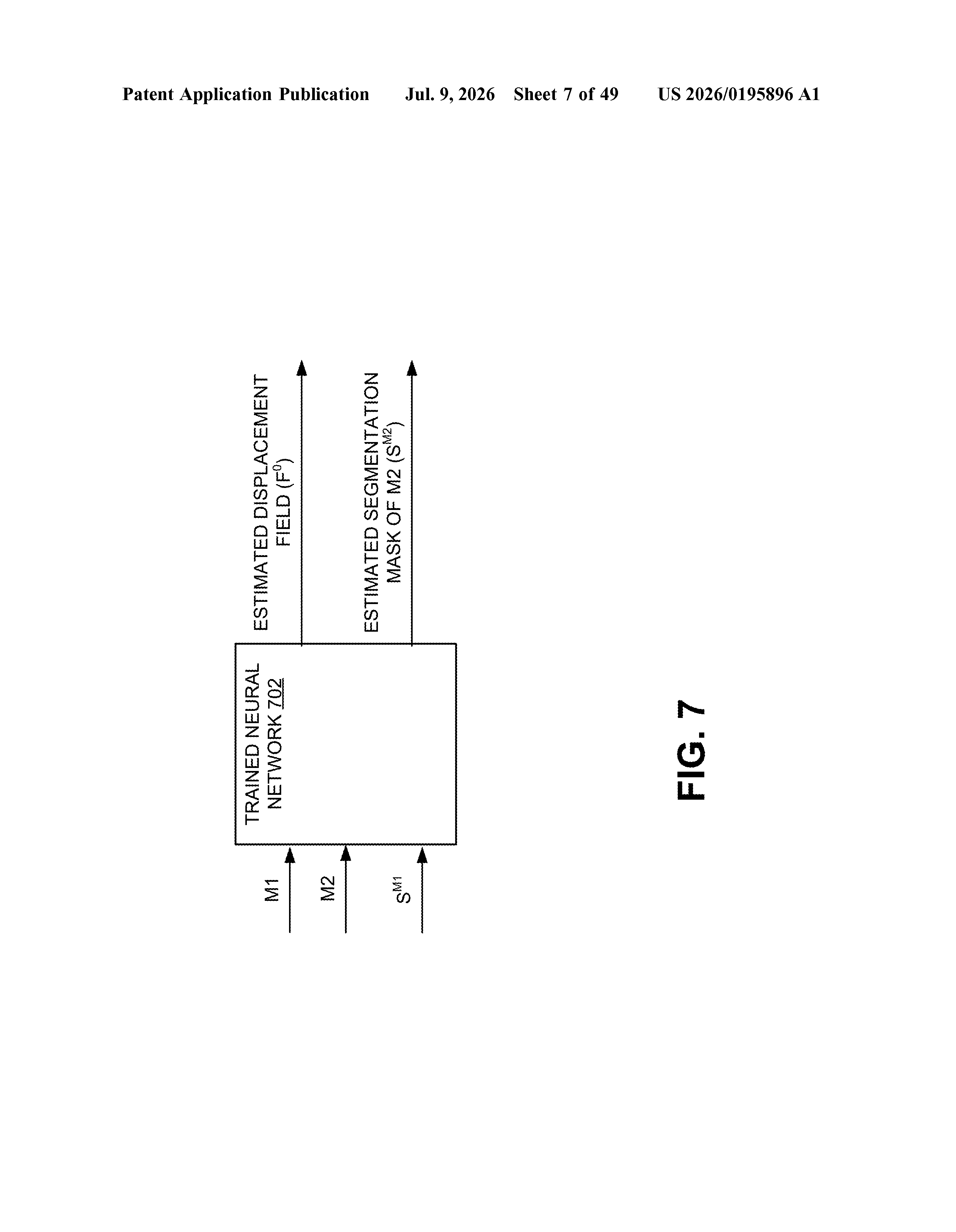
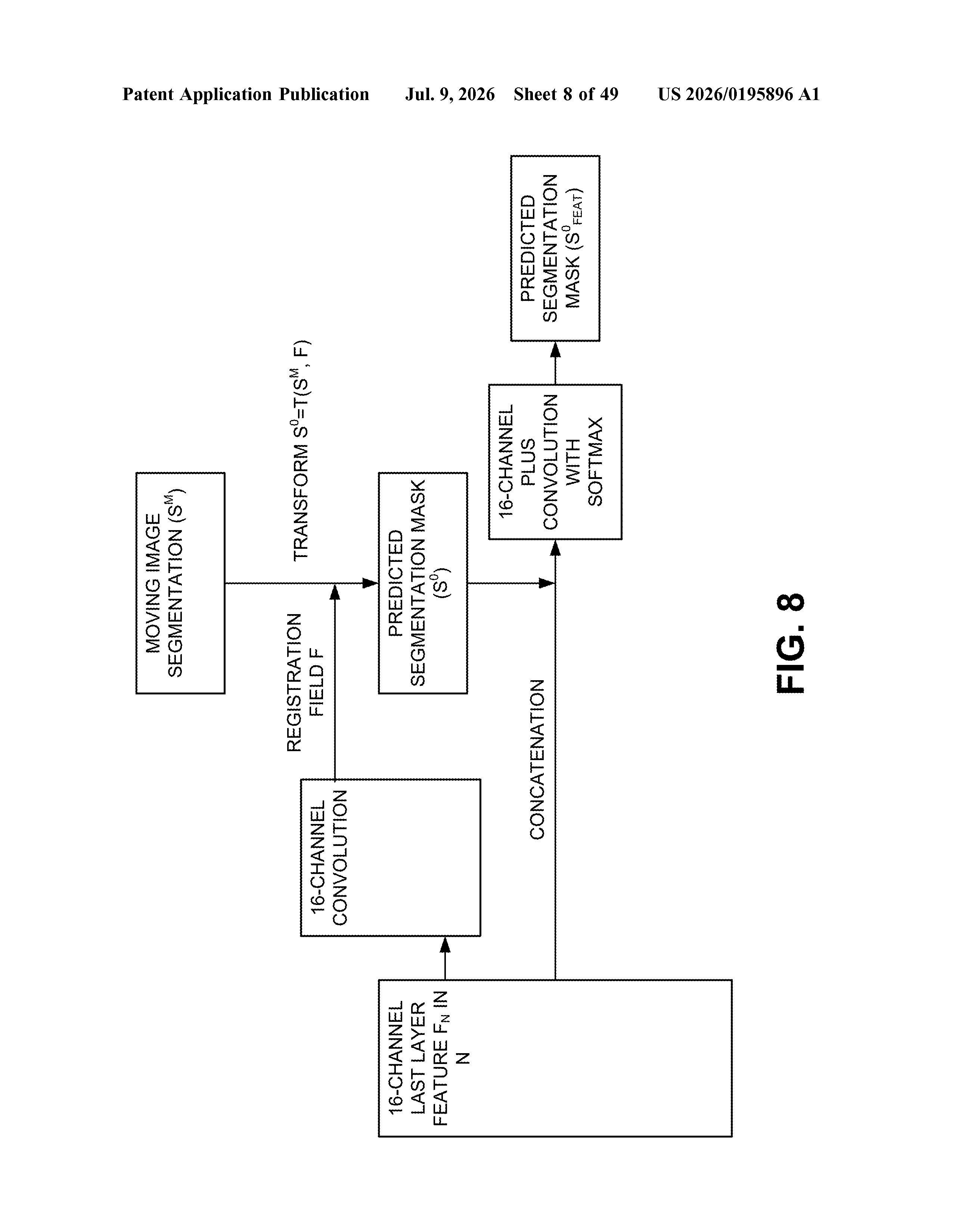
Once trained, the AI can take two real medical images and figure out how to warp or shift one until the shared features in both match up. The same network can also identify and outline specific structures in the image, a task called segmentation, making it a two-for-one tool for medical imaging workflows.
How the registration simulator trains the neural network
The patent covers a system for image registration, the process of finding and matching corresponding points or regions across two images of the same subject taken at different times, angles, or with different equipment.
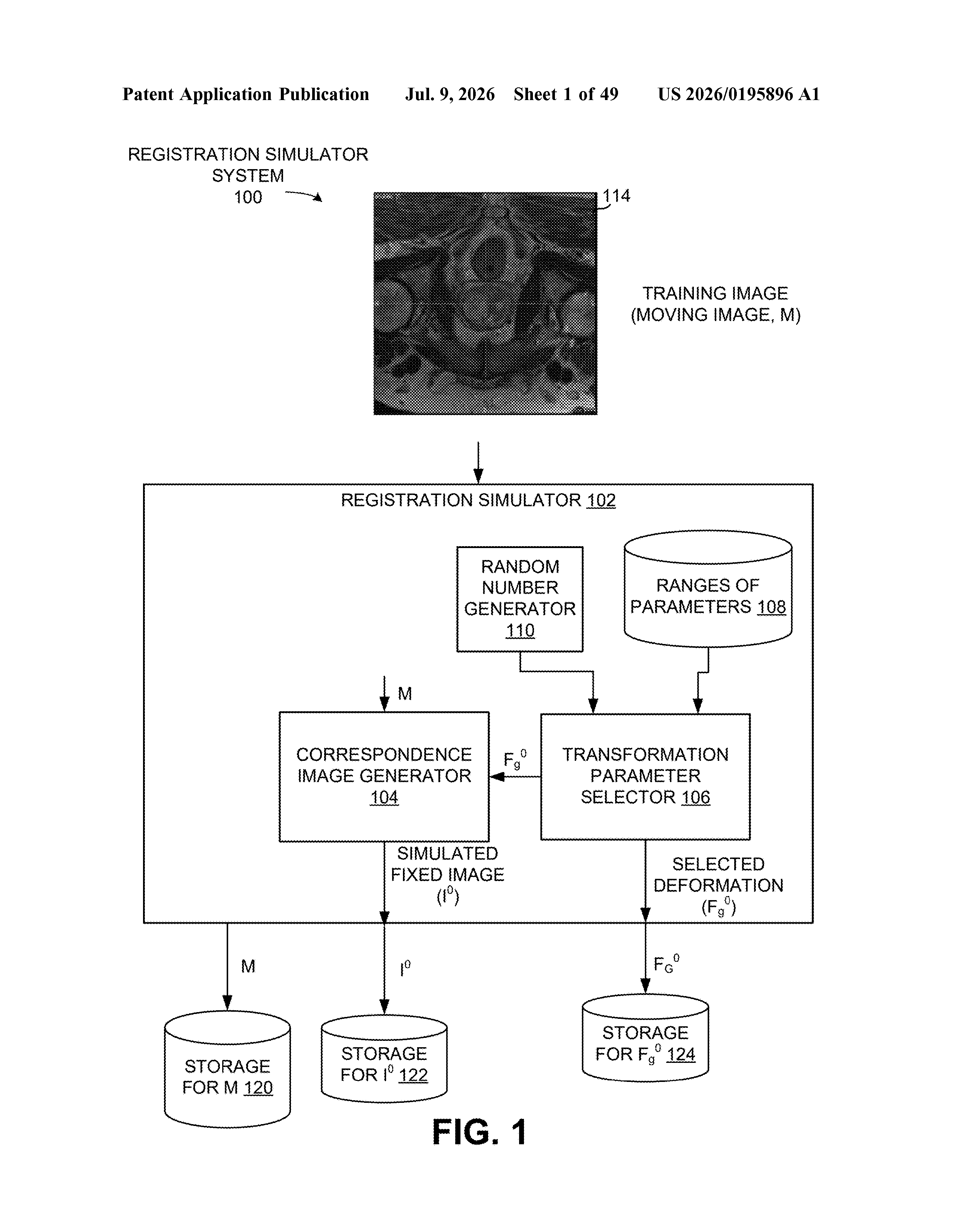
The core idea is a registration simulator that generates synthetic training data. It takes a single image and applies a simulated transformation (think: a controlled warp, rotation, or stretch) to produce a second image, along with a record of exactly how the two images correspond. That record is called a correspondence map.
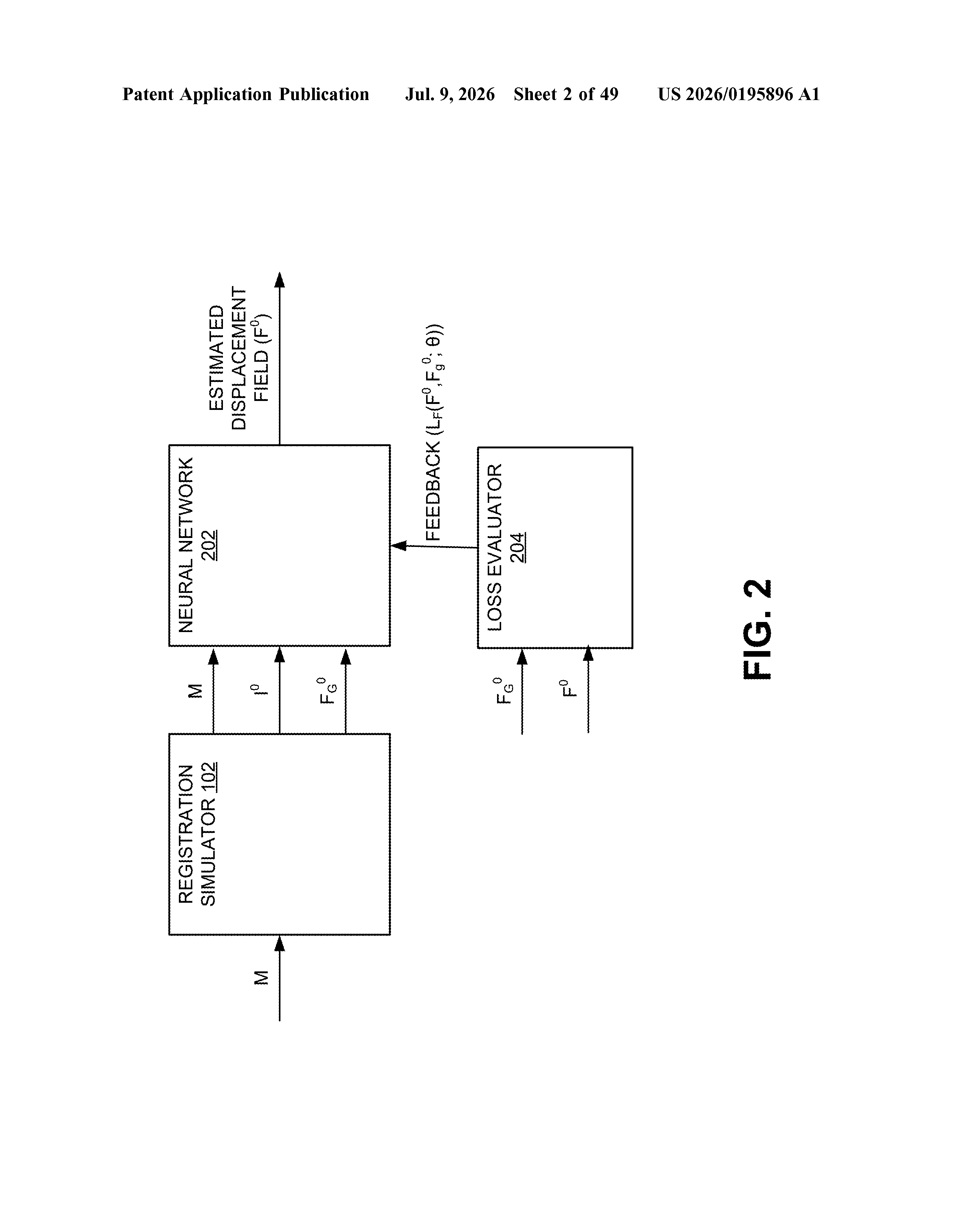
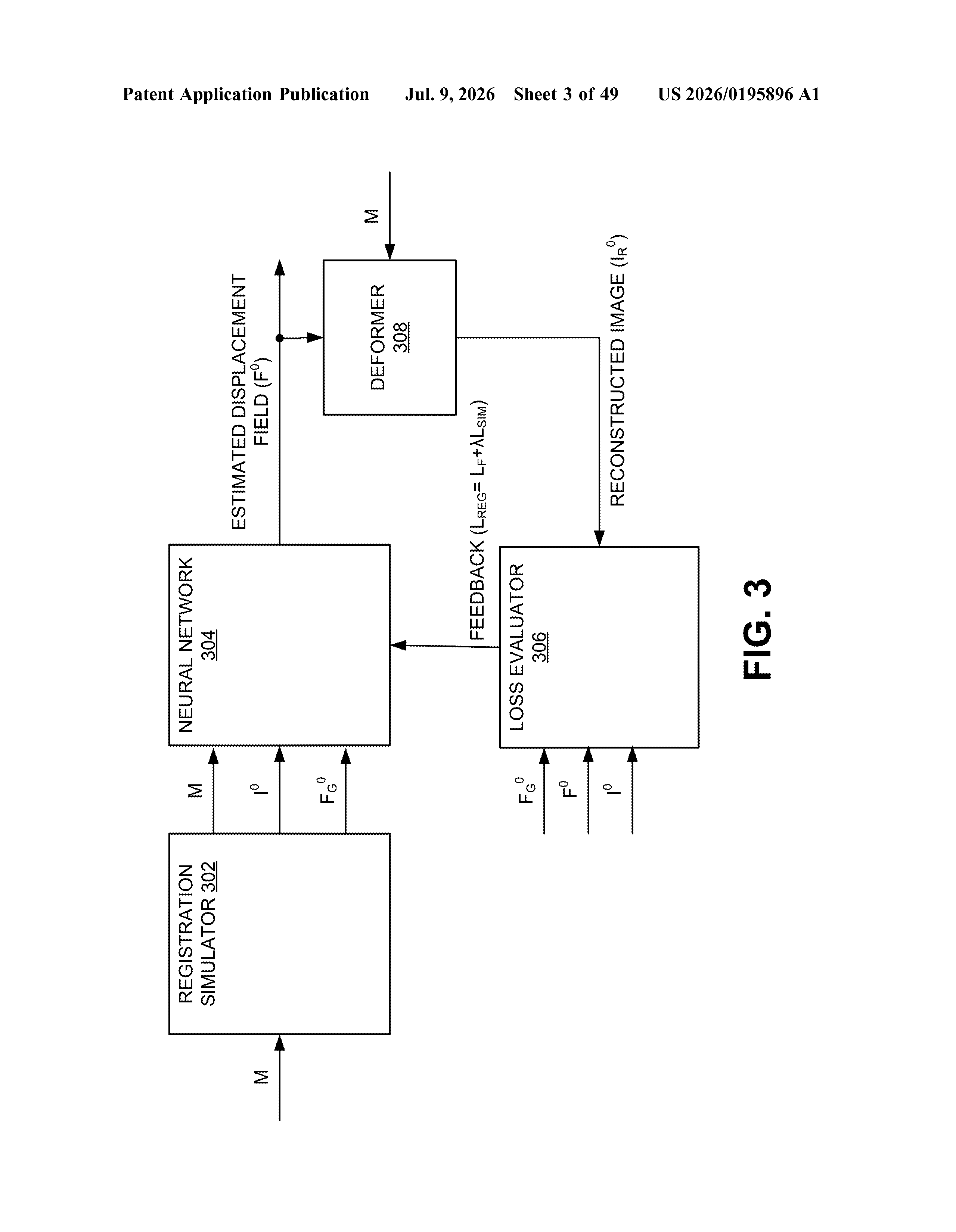
The neural network is then trained on these simulator-generated pairs:
- Input: two images (real or simulated) and an initial correspondence estimate from the simulator.
- Process: the network refines that estimate, learning to find finer-grained matches.
- Output: a more accurate correspondence map showing how every pixel or feature in one image maps to the other.
The same network architecture also supports image segmentation (identifying and outlining anatomical structures like tumors or organs), so one model can handle both alignment and labeling tasks. The paper's inventors come from Nvidia's medical AI research team, and the USPC classification (382/128) places it squarely in biomedical image analysis.
What this means for medical imaging and diagnostics
Accurate image registration is a bottleneck in clinical imaging workflows, especially for oncology and neurology, where tracking how a tumor or lesion changes over time depends entirely on whether two scans are properly aligned. If the AI can be trained effectively using simulated data, it reduces the need for large amounts of expensive, manually annotated scan pairs.
For Nvidia, this fits neatly into its MONAI and Clara medical imaging platforms, which already use the company's GPUs to accelerate hospital AI pipelines. A network that can simultaneously align and segment images could cut preprocessing time for radiologists and make AI-assisted diagnosis tools more practical to deploy at scale.
This is methodical, practical AI research rather than a headline-grabbing product reveal. Training on simulated data to overcome scarce labeled examples is a well-established technique, but applying it systematically to the paired tasks of registration and segmentation is a genuinely useful engineering contribution. If this ends up in Nvidia's MONAI toolkit, working radiologists will notice the difference even if they never hear the word 'patent.'
Get our take in your Top Stories
Liked this breakdown? Add Patentlyze as a preferred source on Google, and our plain-English take shows up more often in your Top Stories the next time Nvidia patent news breaks.
There are more where this came from
We read every patent application Big Tech publishes and send you the ones worth knowing. Plain English, free, every week.
The drawings
49 drawing sheets from US 2026/0195896 A1 · click any drawing to enlarge
Want this weekly breakdown for a company we don't cover? Patentlyze Pro →