
Nvidia Patents an AI Video System That Combines Multiple People and a Chosen Movement Style
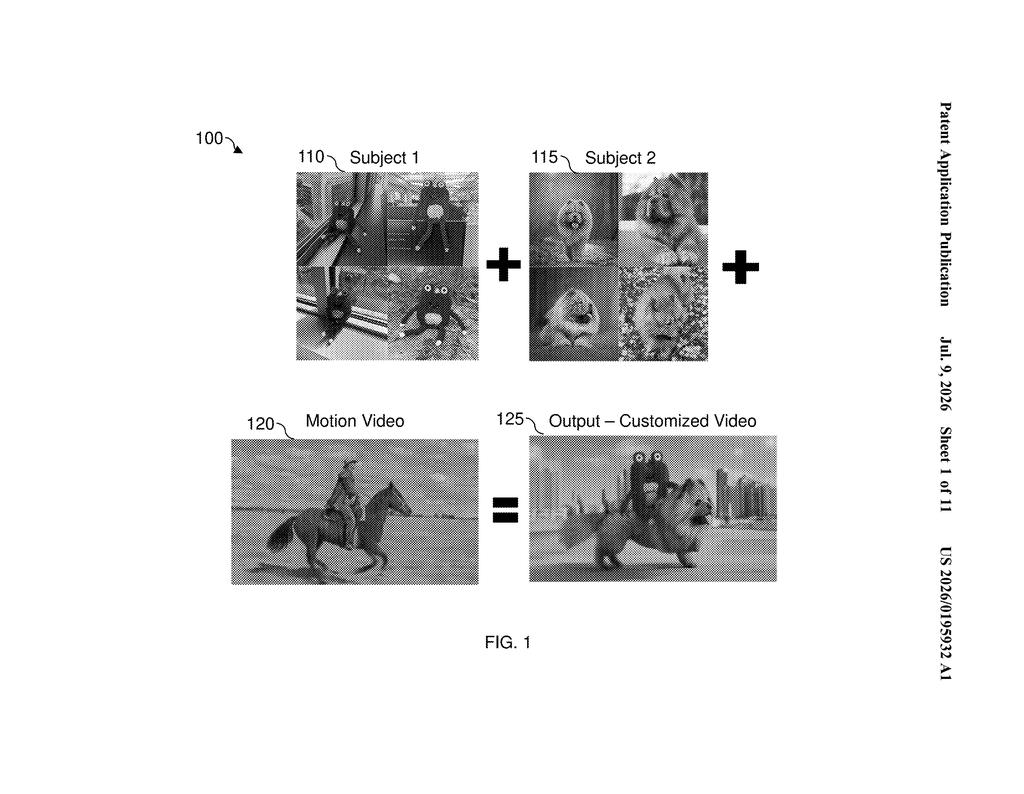
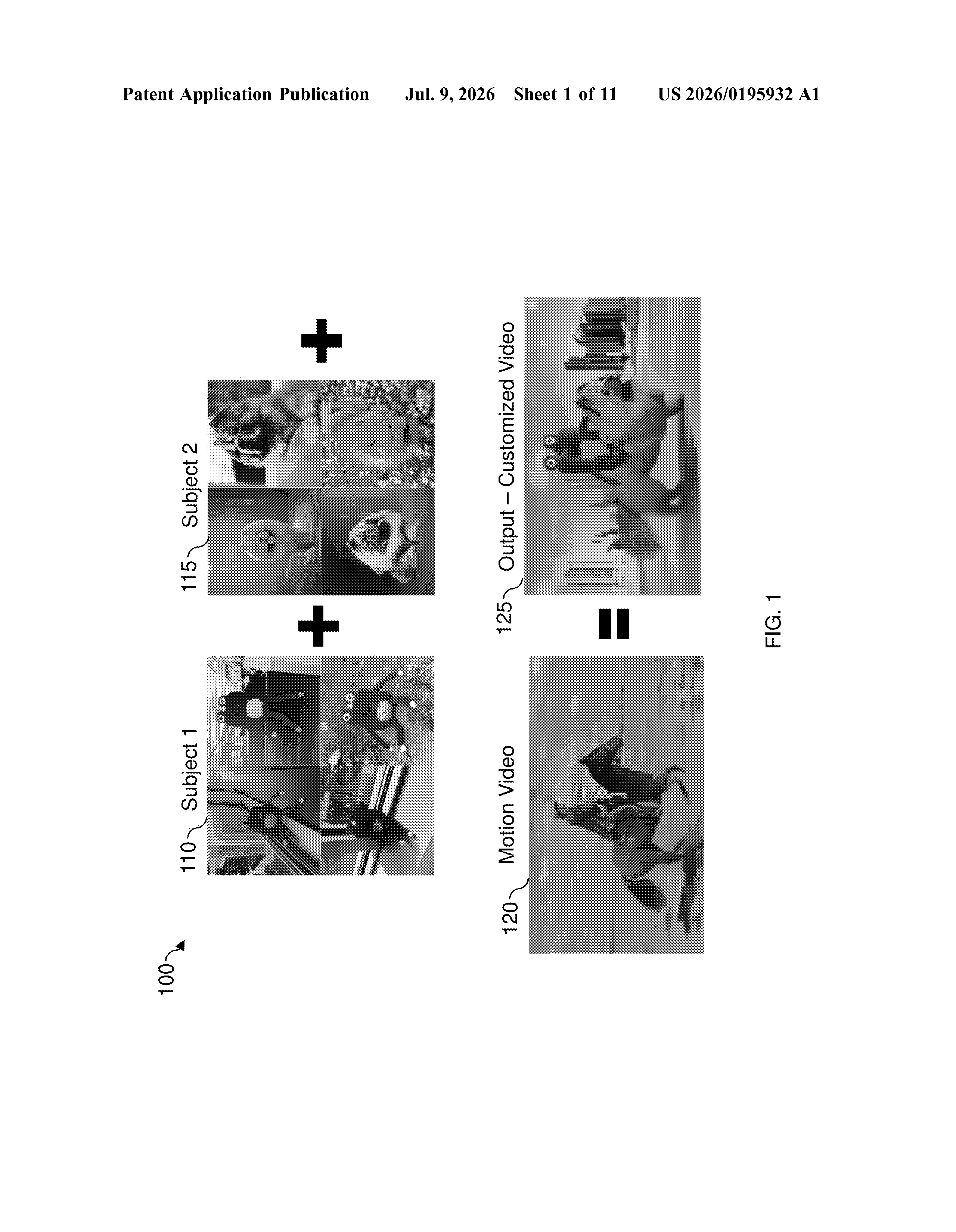
What if you could describe a scene, point to photos of two specific people, show a reference clip of a dance move, and get back a video of those people doing that exact dance? That's the core idea behind Nvidia's latest AI video patent.
What Nvidia's multi-person AI video tool actually does
Imagine you want to make a short video of two friends dancing a specific routine together. You have a few photos of each person and a clip of the dance style you want. Today's AI video tools are pretty bad at this: they either lose what the people look like, forget the motion, or can't handle more than one person at a time.
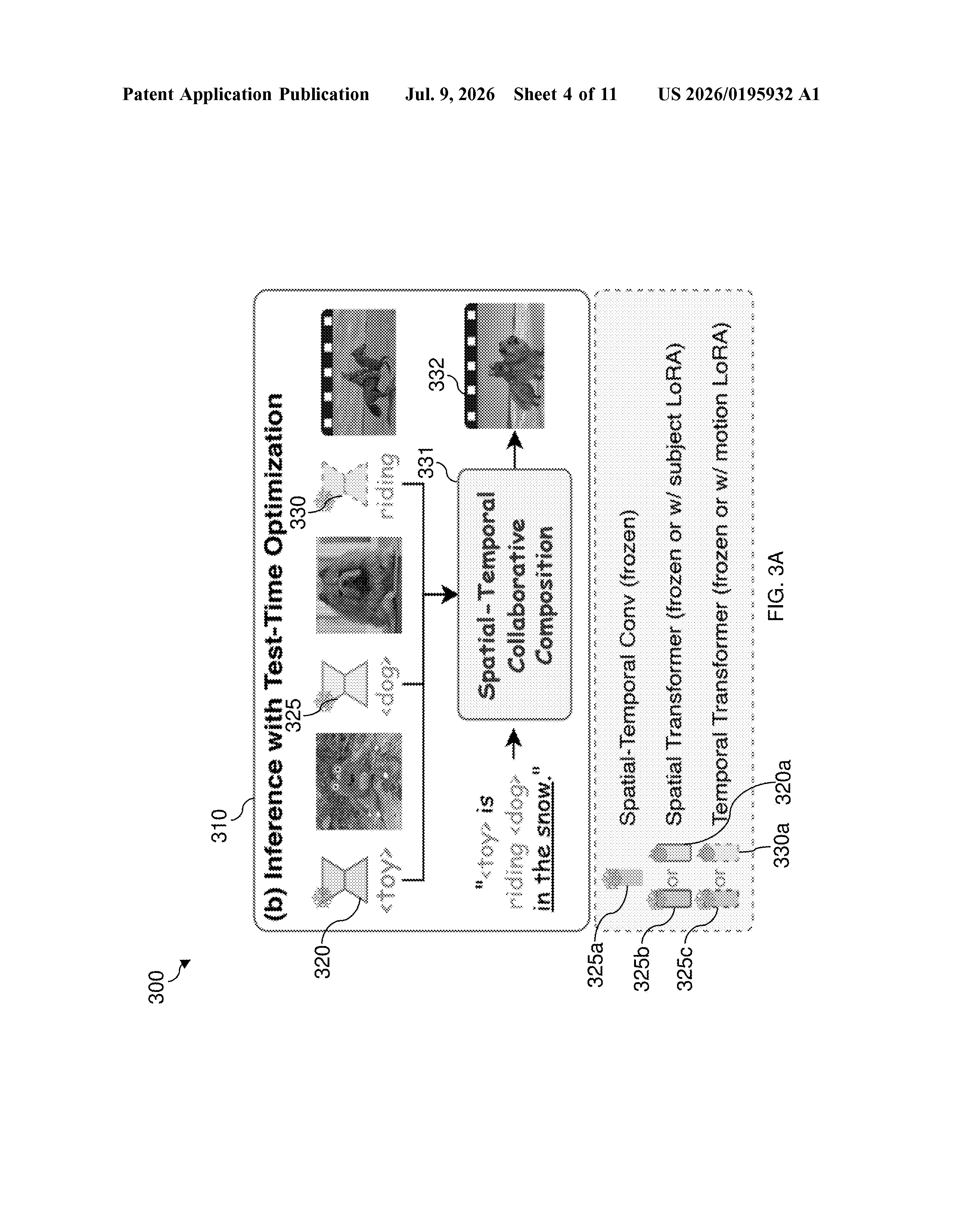
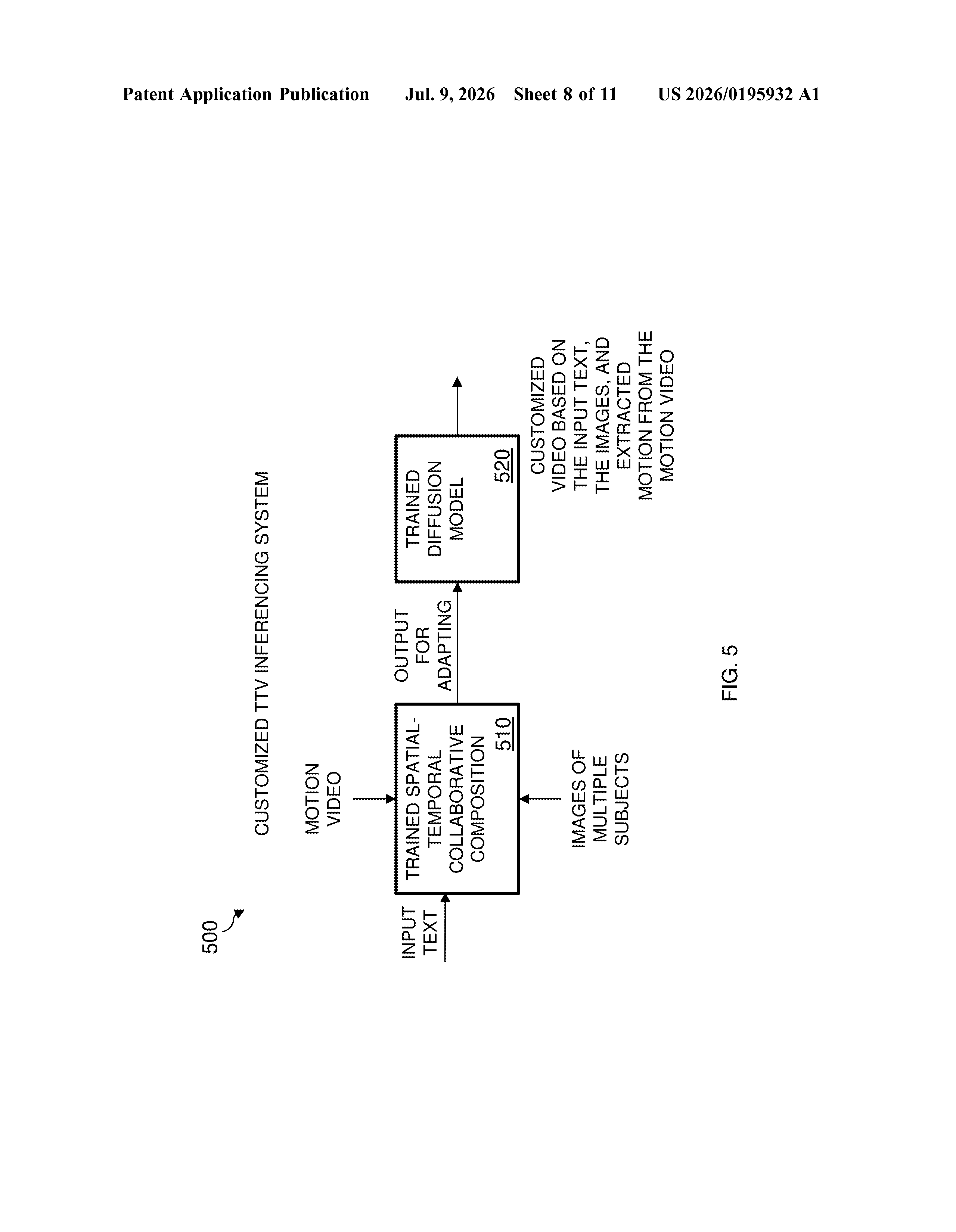
Nvidia's patented system is designed to solve all three problems at once. You feed it photos of each person and a reference video showing the movement you want. The AI learns each person's appearance separately, learns the motion separately, then combines them into a single output video.
The key trick is that the system intentionally keeps appearance and motion as separate lessons. That way, the dance style you chose doesn't get mixed up with how a person looks, and one person's face doesn't accidentally bleed into the other's. The result is supposed to be a coherent video where both people move together in the style you picked.
How Nvidia's system separates motion from appearance
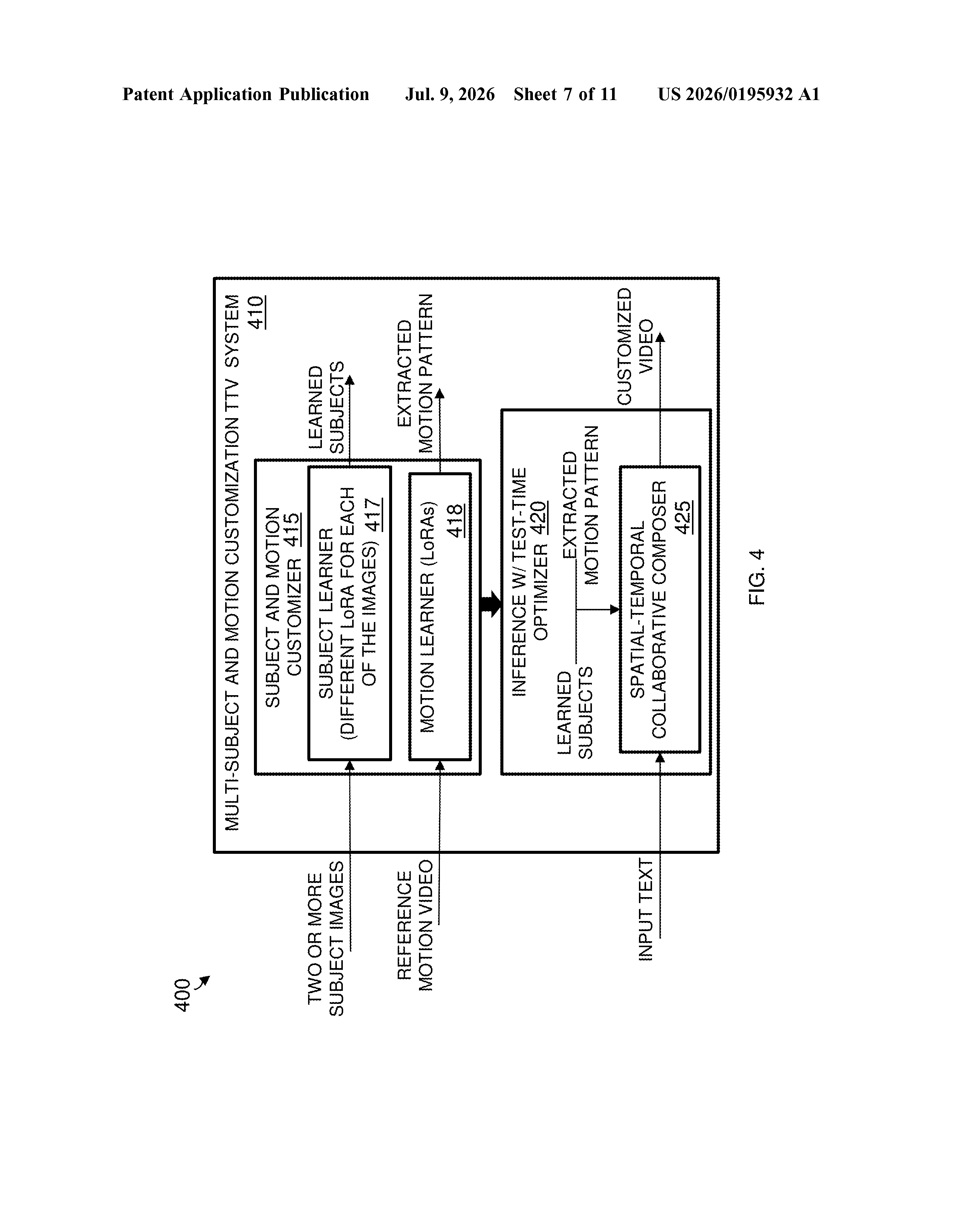
The system has three main components working in sequence.
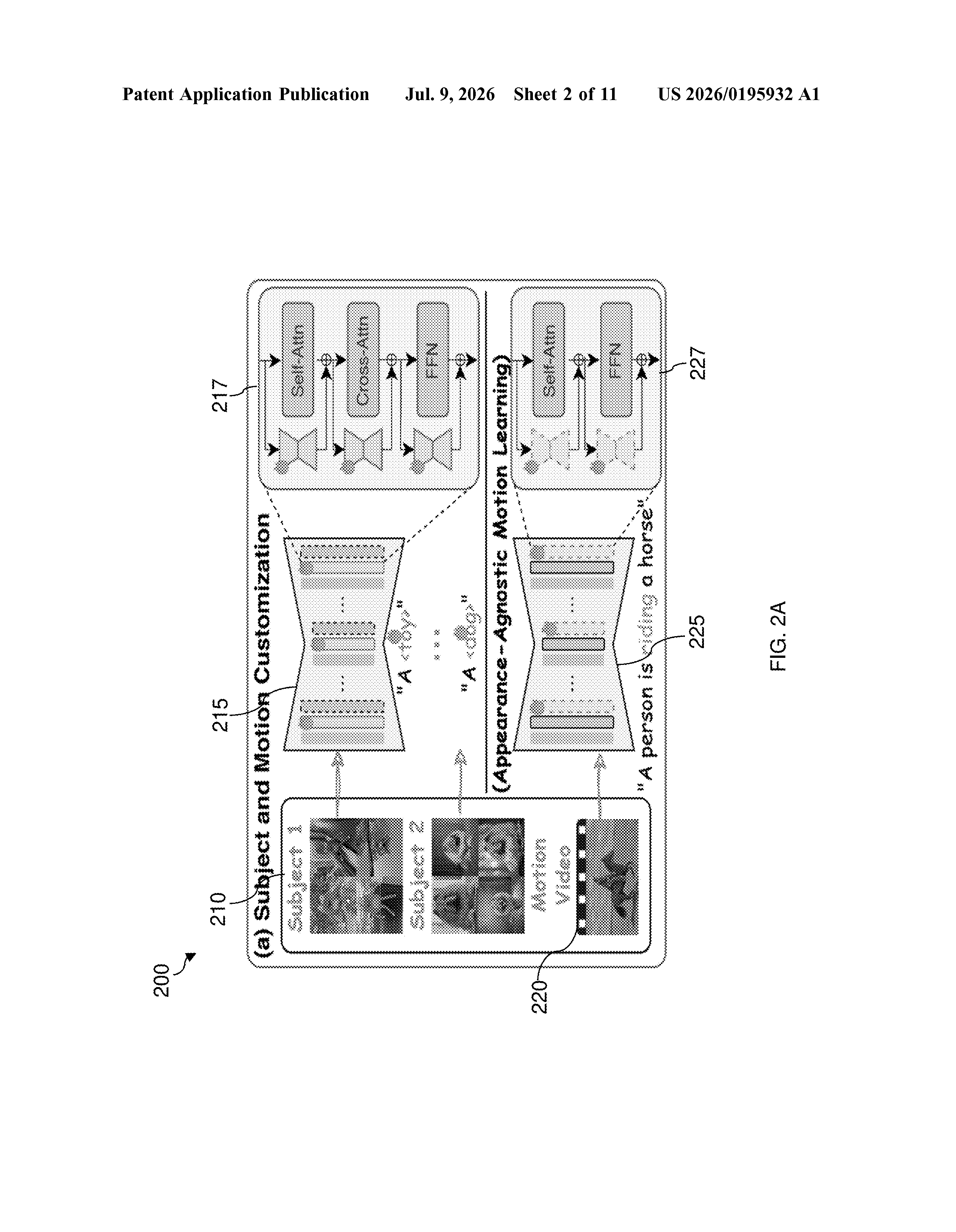
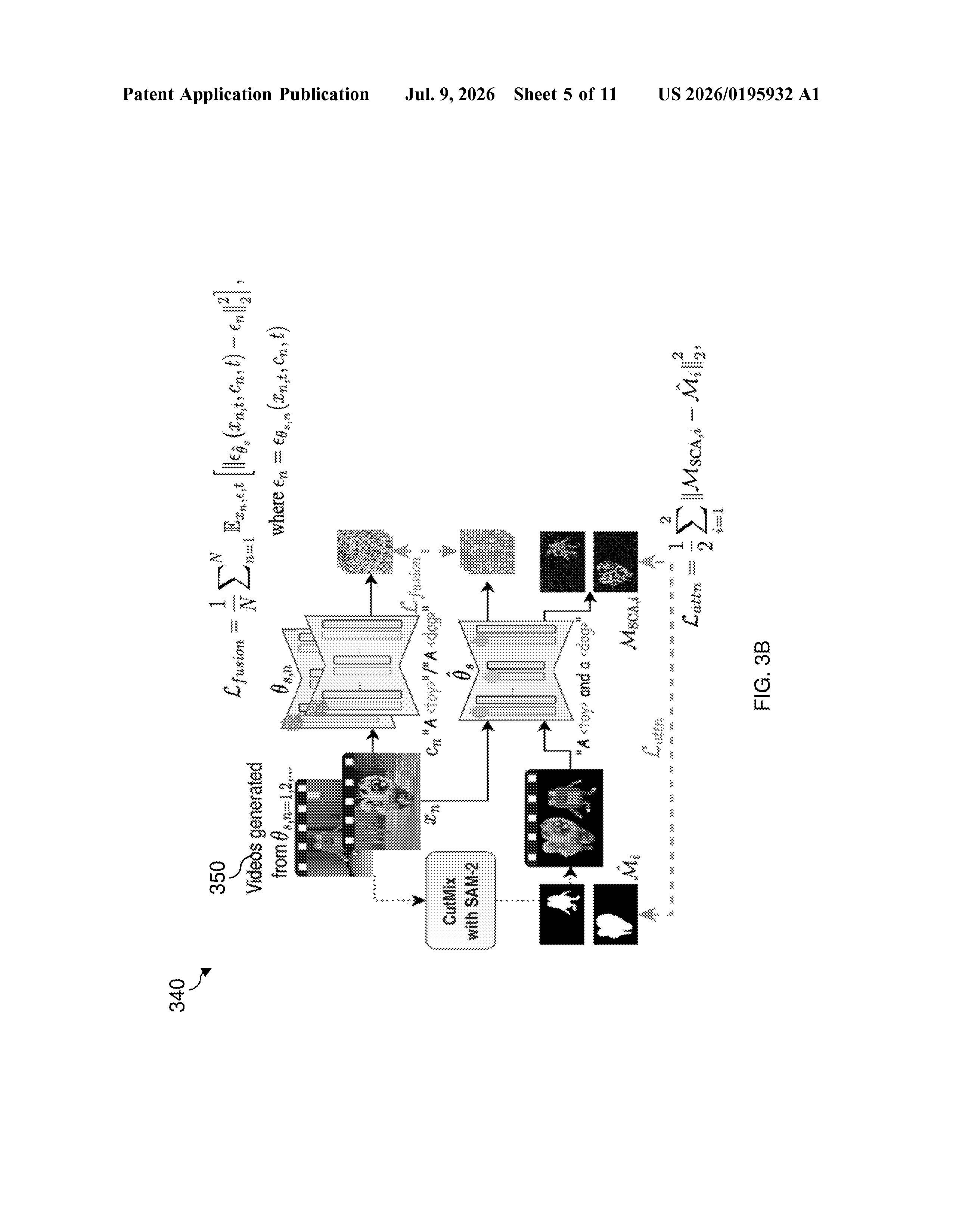
- Subject Learner: For each person in the video, the system trains two small specialized modules called LoRAs (Low-Rank Adaptations, which are lightweight add-ons that teach a large AI model something specific without retraining the whole thing). One LoRA captures a person's visual identity, the other captures a text-level representation of who they are.
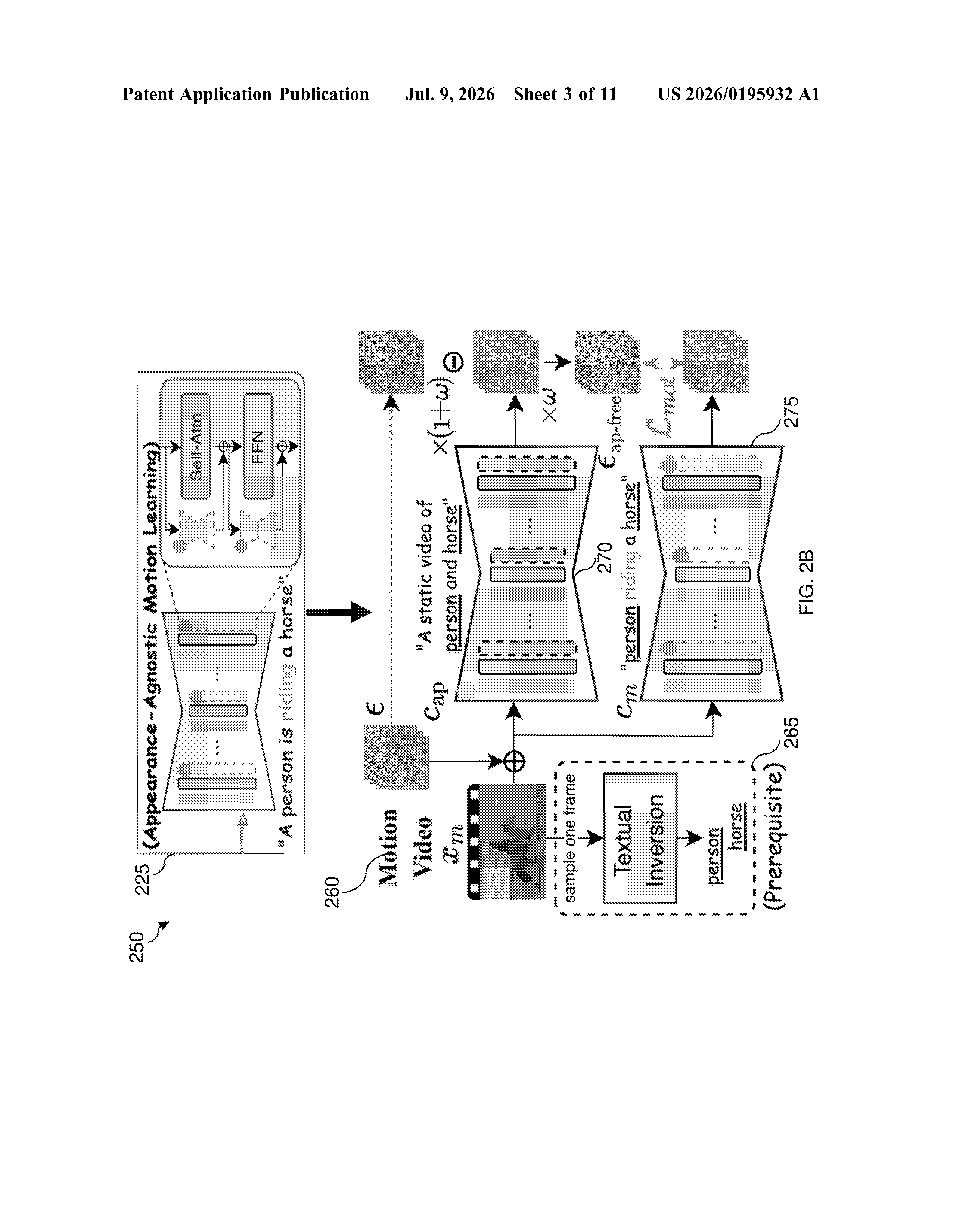
- Motion Learner: Separately, a third LoRA is trained on a reference video clip to capture just the movement pattern, stripped of whoever was performing it. The technique used here is called negative classifier-free guidance, which works by actively telling the AI what to ignore (in this case, the appearance of the person in the reference clip) so it only absorbs the motion.
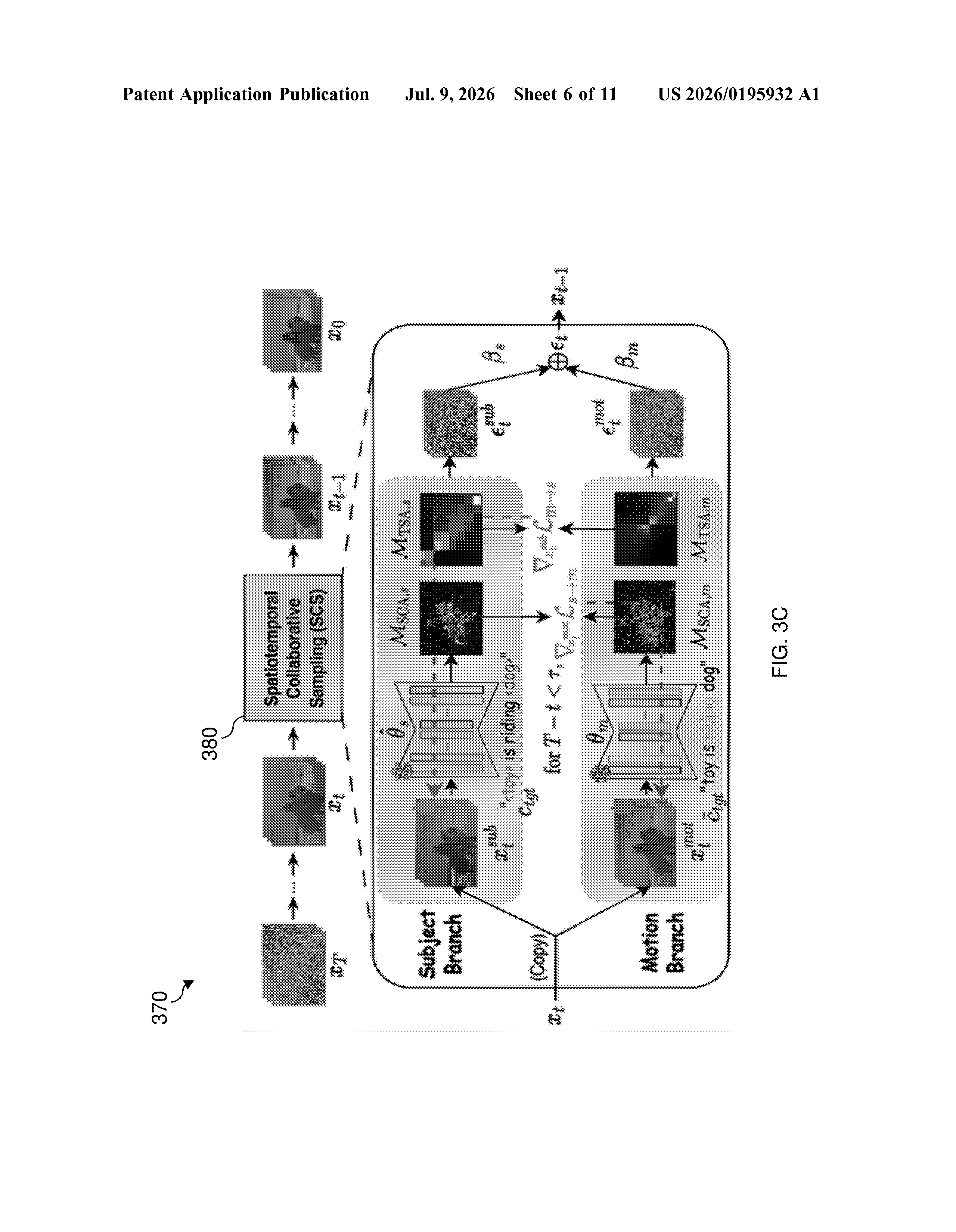
- Spatial-Temporal Collaborative Composer: This is the assembly stage. It takes the learned identity modules for each person and the motion module, then generates a video frame by frame. The 'spatial' part ensures each person stays in the right place relative to the other; the 'temporal' part keeps their movements consistent across time.
The system takes a text prompt plus reference images and video as inputs, and outputs a generated clip with multiple specific people performing a specific motion style.
What this means for AI-generated video content
For the AI video industry, keeping a specific person's likeness consistent across a generated clip is still one of the hardest unsolved problems. Most current tools drift: faces change slightly between frames, two characters start looking alike, or the choreography falls apart when there's more than one person on screen. Nvidia's approach of treating identity and motion as entirely separate learning problems, then combining them at generation time, is a direct architectural answer to those failures.
For Nvidia specifically, this fits neatly into the company's push to make its hardware the go-to platform for AI video production. A system like this would be computationally expensive to run, which happens to be exactly where high-end Nvidia GPUs shine. Whether this surfaces as a research model, a cloud API, or part of a future video product, it signals Nvidia is thinking well beyond image generation.
This is one of the more technically specific AI video patents to come out of a hardware company. Nvidia isn't just patenting a vague 'generate better videos' idea; it's patenting a concrete architecture that separates what people look like from how they move. That specificity makes it worth tracking, because it suggests real engineering work behind the filing, not just a placeholder claim.
Get our take in your Top Stories
Liked this breakdown? Add Patentlyze as a preferred source on Google, and our plain-English take shows up more often in your Top Stories the next time Nvidia patent news breaks.
There are more where this came from
We read every patent application Big Tech publishes and send you the ones worth knowing. Plain English, free, every week.
The drawings
11 drawing sheets from US 2026/0195932 A1 · click any drawing to enlarge
Want this weekly breakdown for a company we don't cover? Patentlyze Pro →