
Adobe Patents an AI That Skips the Steps It Doesn't Need
Most AI models process every internal step in the same order, every time, for every question. Adobe's new patent describes a way to let the model skip steps it probably doesn't need, based on what you're actually asking.
How Adobe's layer-skipping idea speeds up AI responses
Imagine a chef who always prepares every dish from scratch, even when a simpler version would do fine. Adobe's patent describes something similar happening inside AI text generators: they run through dozens of internal processing stages even when the question is simple enough to skip some.
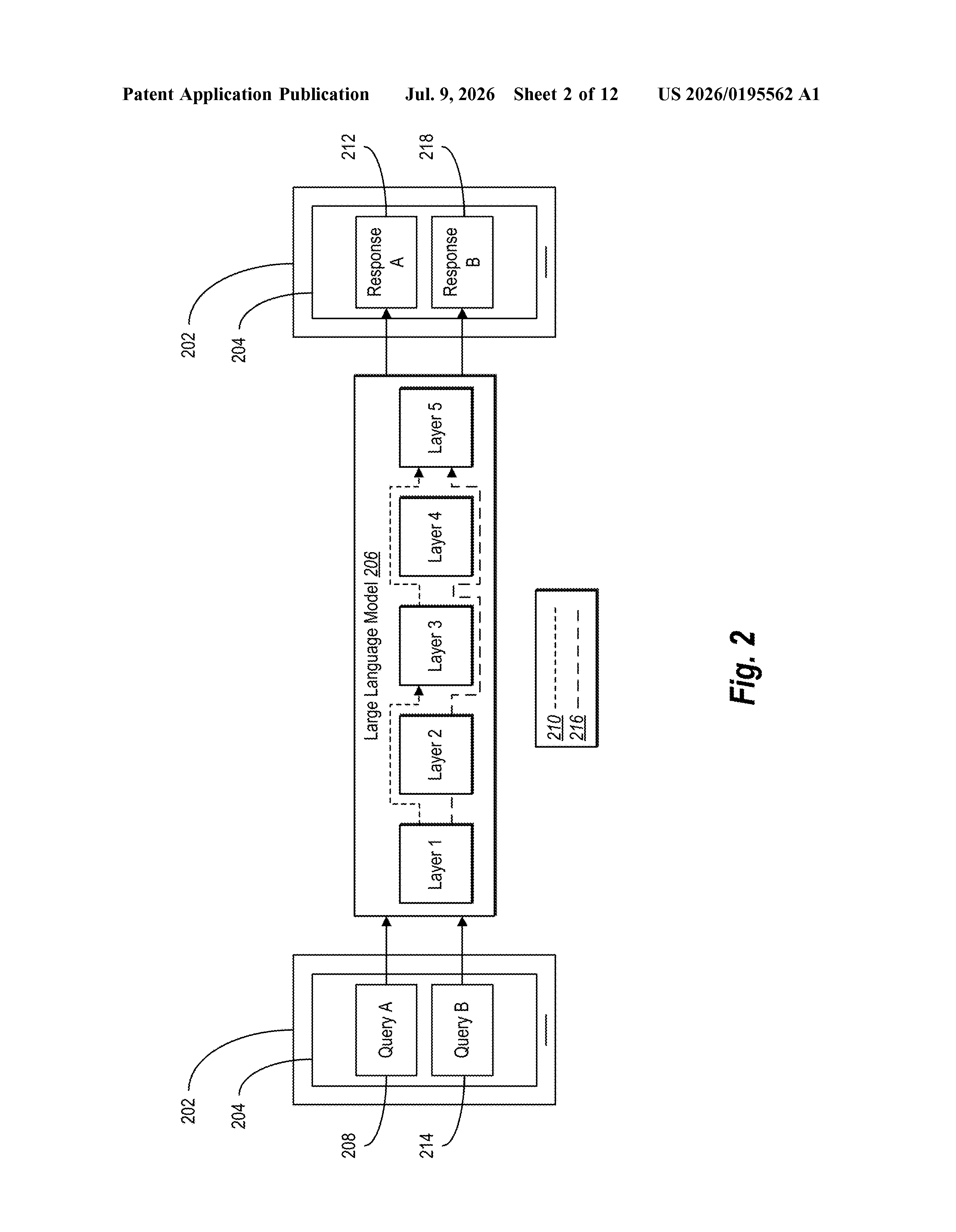
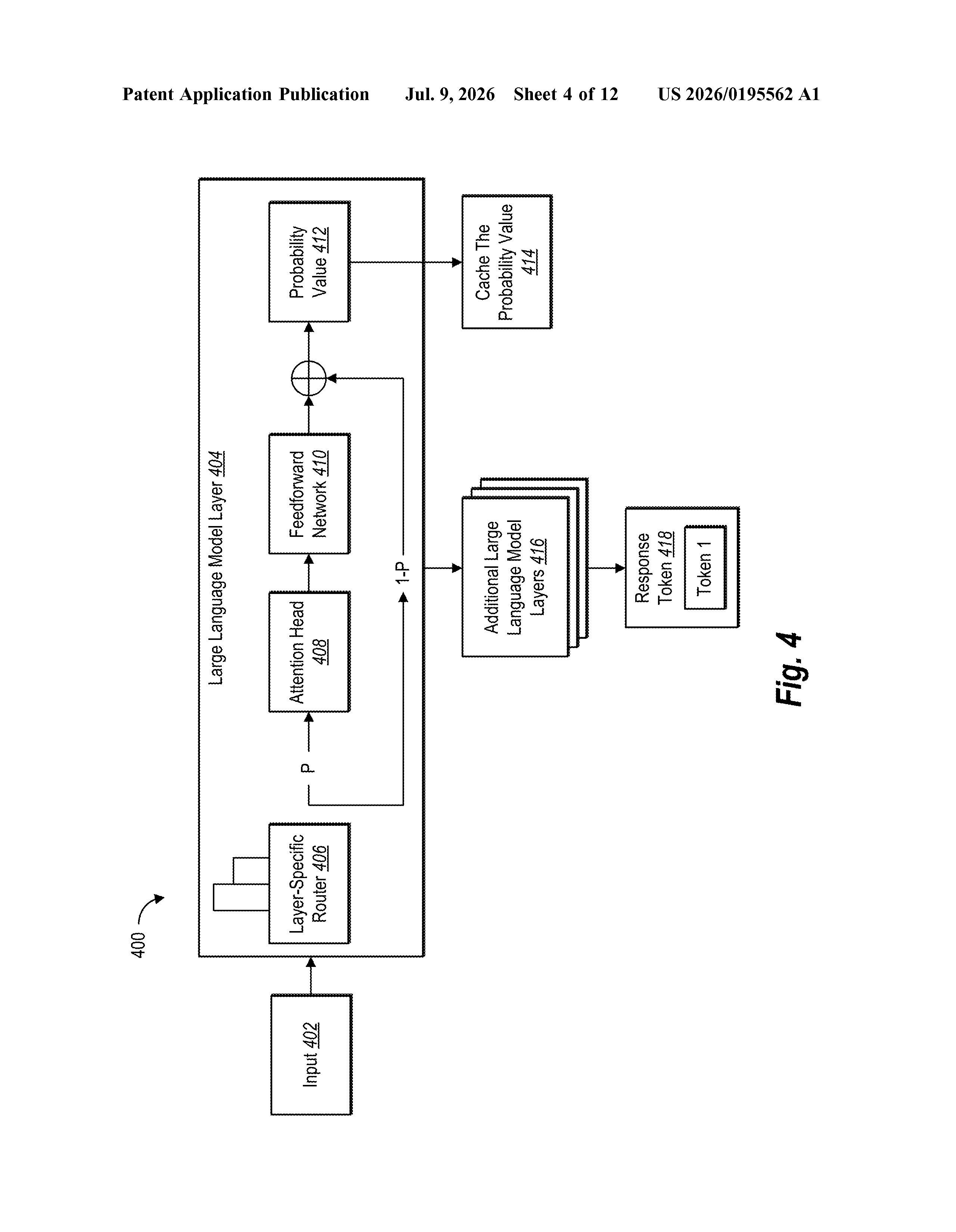
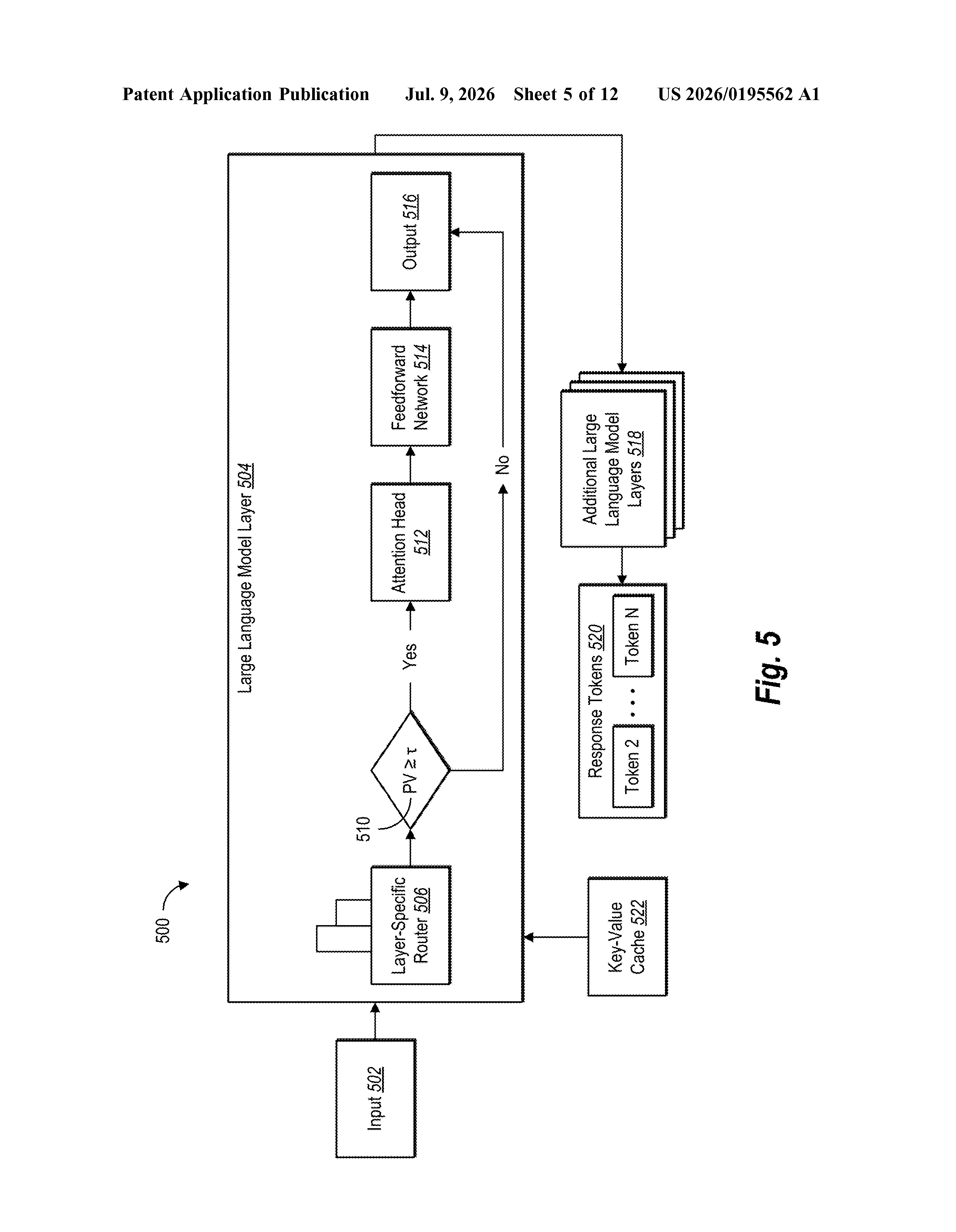
Adobe's idea is to add a small decision-maker at each stage. Before the AI commits to running a processing step, that decision-maker checks how important it is for this specific question and assigns a probability. If the probability is low enough, the AI just skips that stage entirely.
The result is that simpler queries get answered with less computation, which means faster responses and lower costs. The AI still handles complex requests with its full processing power; it just stops doing unnecessary work when the question doesn't call for it.
How the router decides which layers to skip per query
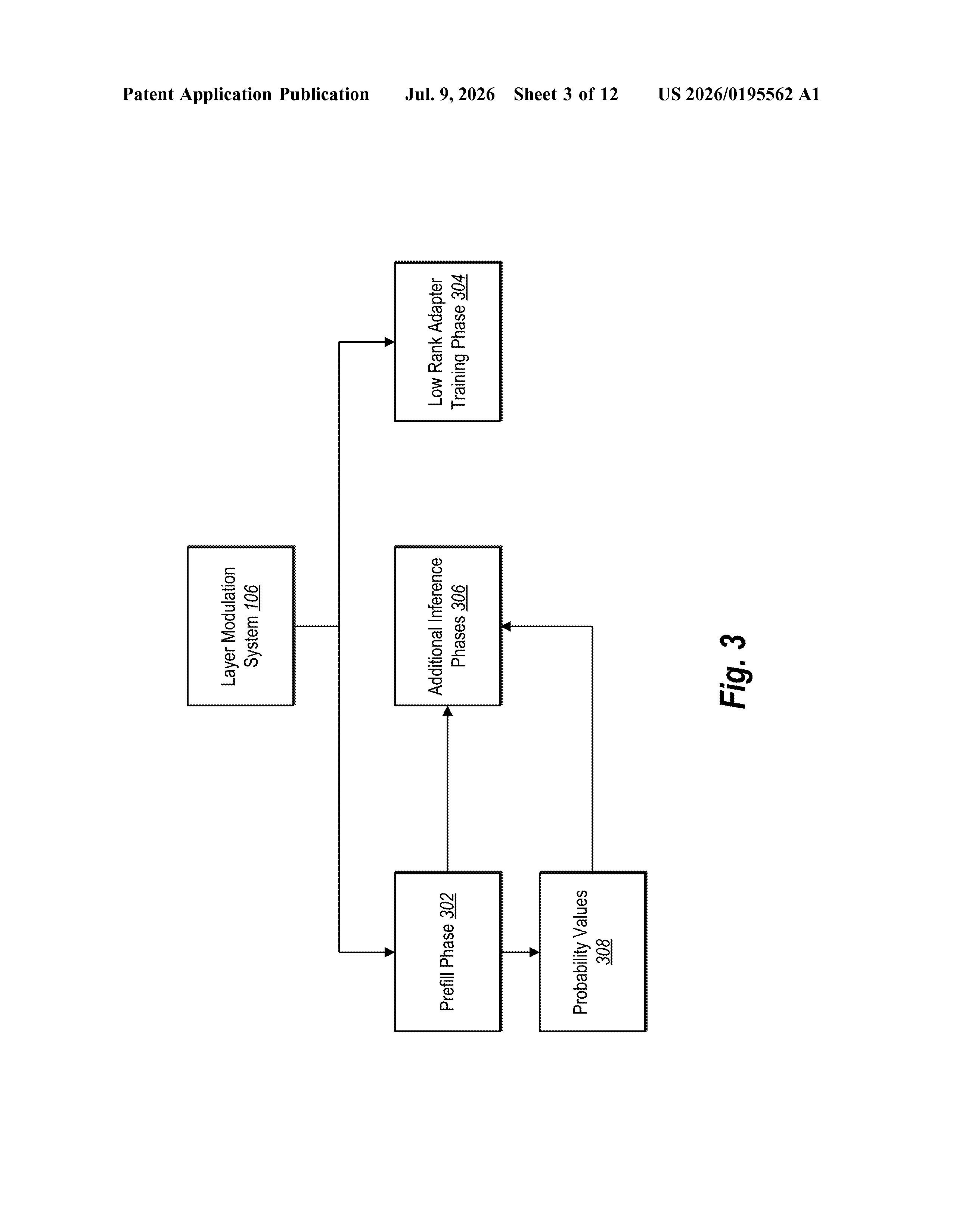
The patent describes a two-phase approach built into how large language models (LLMs) generate text.
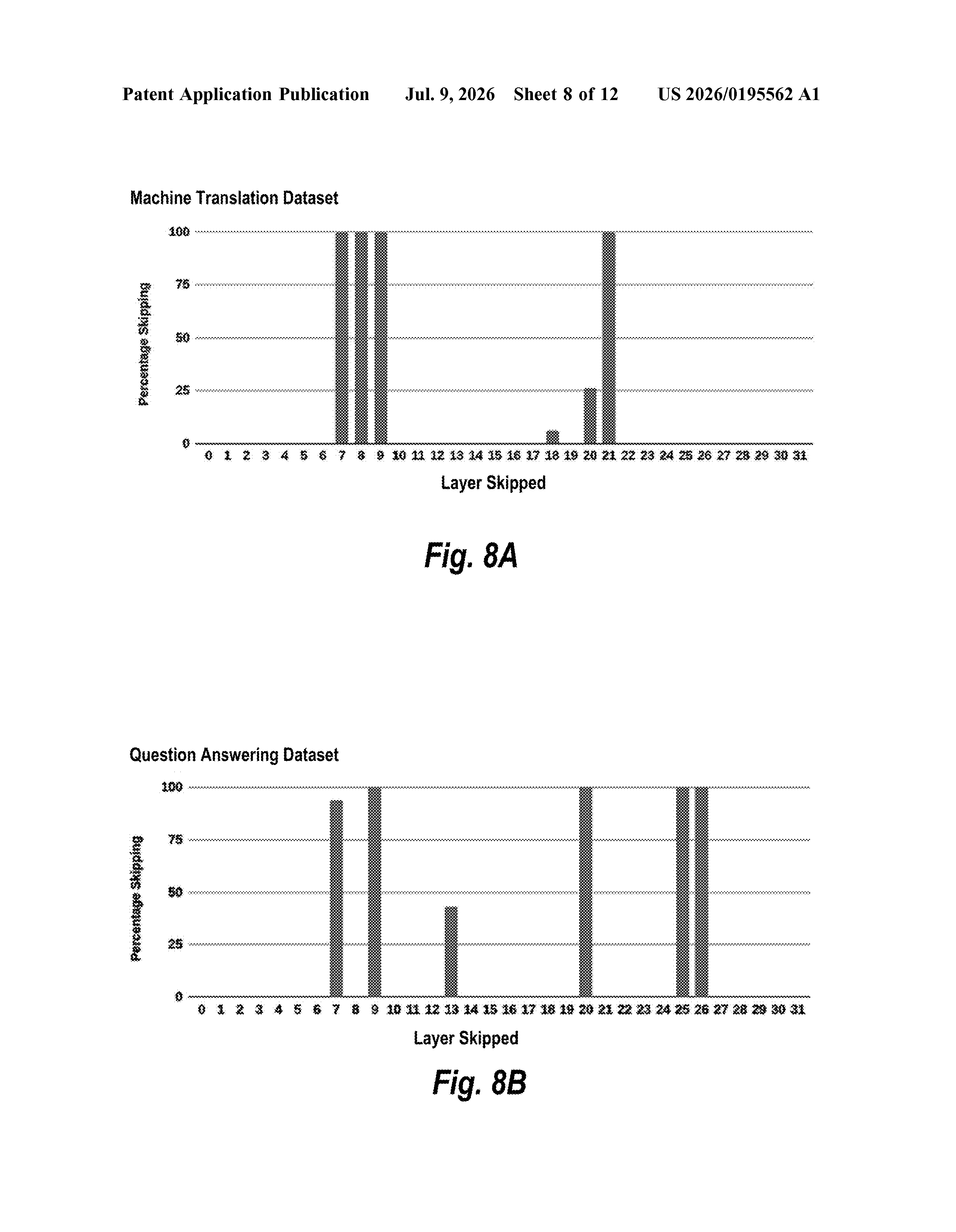
In the first phase, called the prefill phase, the model reads your entire input and starts generating the first piece of the response. During this phase, a small module called a layer-specific router sits at each internal processing layer of the model. Each router outputs a probability score asking: 'Is this layer actually useful for answering this particular query?'
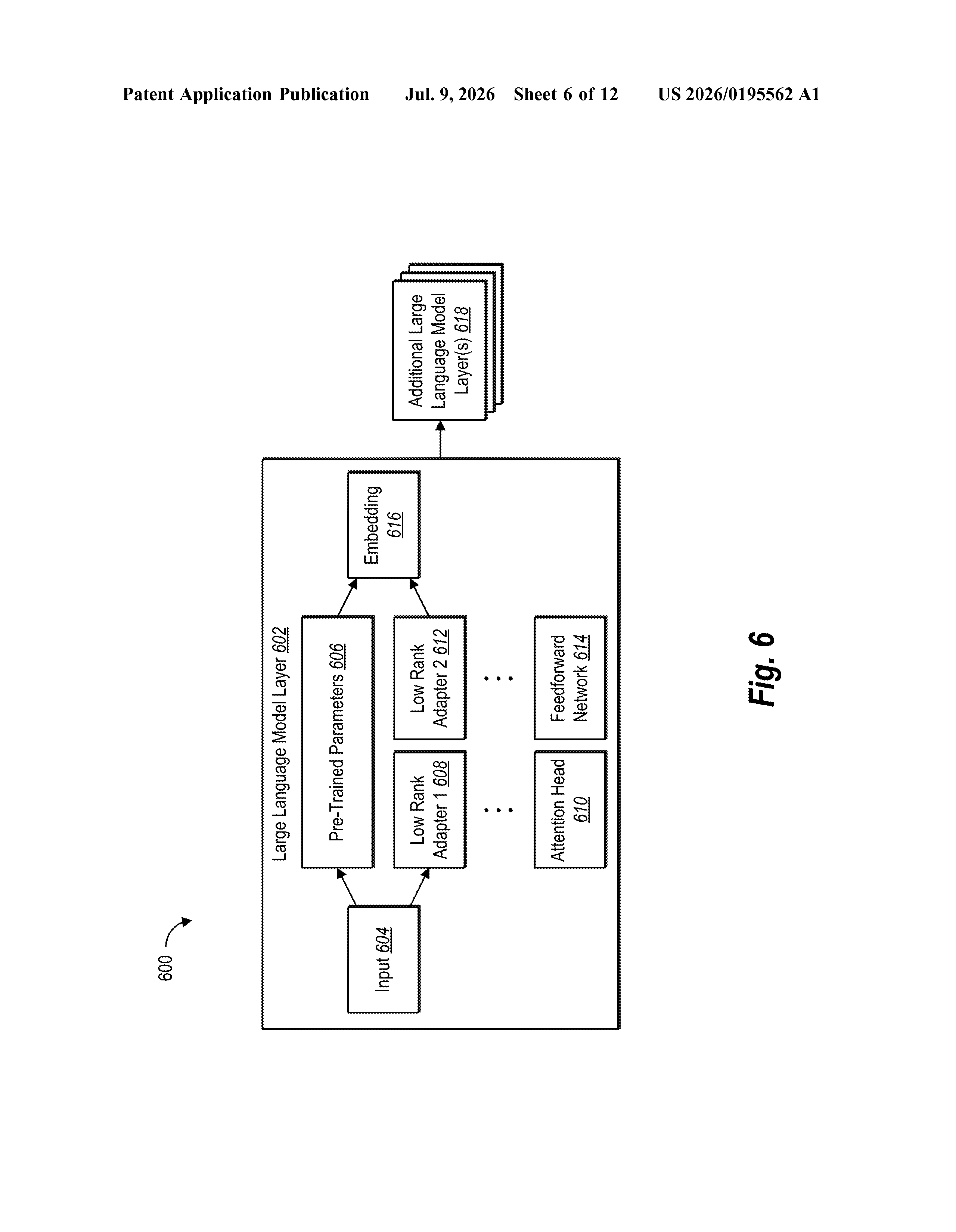
The routers are trained using low-rank adapters (LoRA), which are lightweight add-on modules that can be bolted onto an existing pre-trained model without retraining the whole thing from scratch. This keeps the cost of adding the routing logic relatively low.
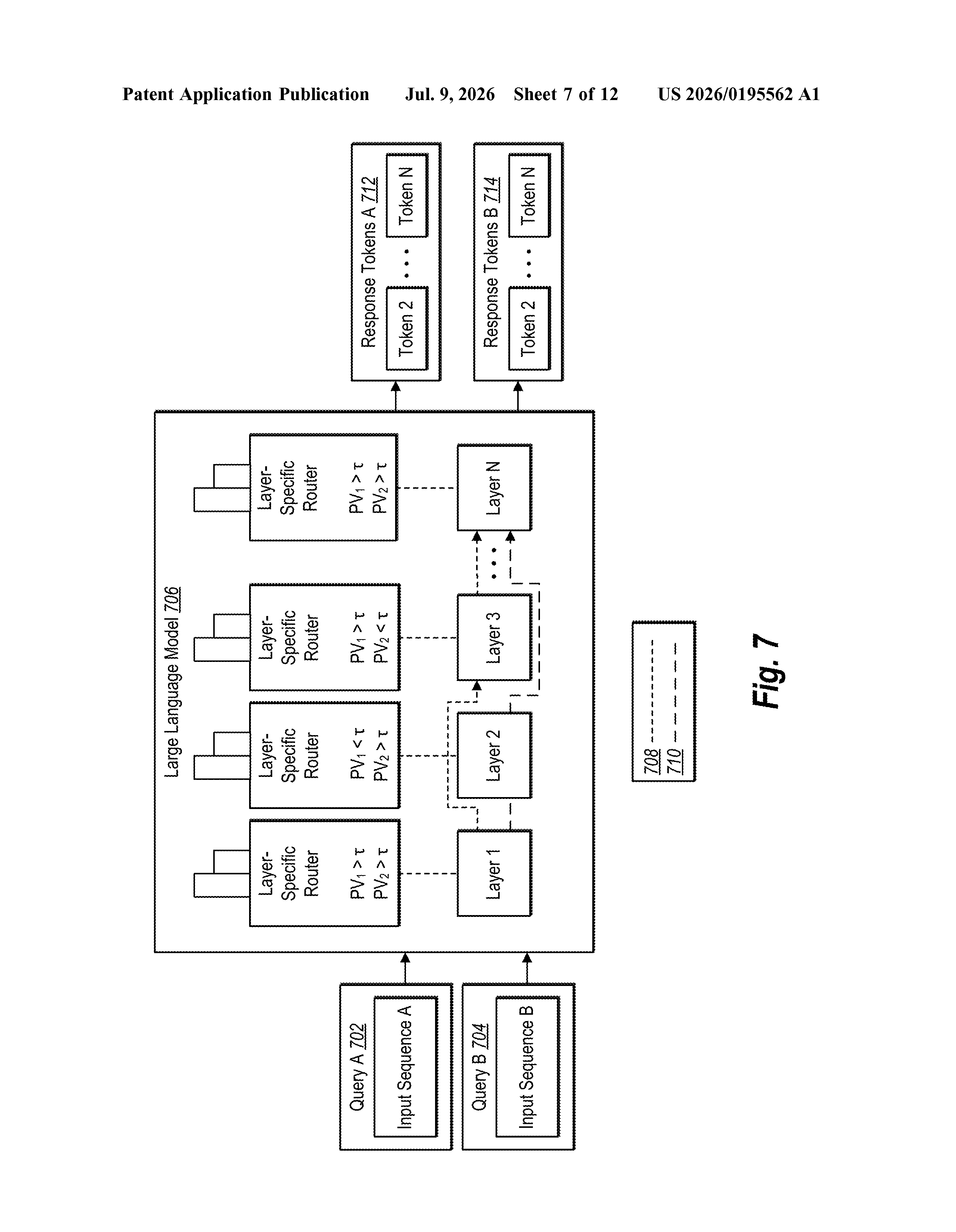
In the subsequent generation phase, when the model is producing the rest of the response token by token, it uses those probability scores to decide which layers to skip entirely. The skipping decision is query-specific, meaning a simple creative prompt and a complex legal analysis could follow very different paths through the model.
The practical effect is a model that adapts its own computational depth to the difficulty of each request, rather than always running at full cost.
What faster LLM inference means for Adobe's AI tools
For Adobe, whose products increasingly rely on AI text generation (think Firefly, Express, and the AI assistant inside Acrobat), cutting the time and computing cost per query directly affects how fast those features feel to you and how much they cost to run at scale. Faster inference means snappier responses in creative tools and document assistants without needing bigger hardware.
More broadly, this patent is part of a real industry push to make large AI models practical without just throwing more servers at the problem. If the routing logic works as described, the same underlying model could handle high volumes of everyday requests cheaply while still delivering full-depth processing when you really need it.
This is a genuinely practical idea targeting a real cost problem in production AI systems. Layer skipping is an active research area and Adobe isn't first to explore it, but the combination of query-specific routing and lightweight LoRA adapters is a reasonable implementation angle. Whether it outperforms competing approaches in real Adobe products is the open question.
Get our take in your Top Stories
Liked this breakdown? Add Patentlyze as a preferred source on Google, and our plain-English take shows up more often in your Top Stories the next time Adobe patent news breaks.
There are more where this came from
We read every patent application Big Tech publishes and send you the ones worth knowing. Plain English, free, every week.
The drawings
12 drawing sheets from US 2026/0195562 A1 · click any drawing to enlarge
Want this weekly breakdown for a company we don't cover? Patentlyze Pro →