
Qualcomm Patents a Scanning System That Focuses Processing Where Objects Are Most Likely to Appear
Most detection systems waste computing power scanning empty space equally. Qualcomm's new patent describes a grid that reshapes itself around wherever an object is most likely to show up, spending resources only where they count.
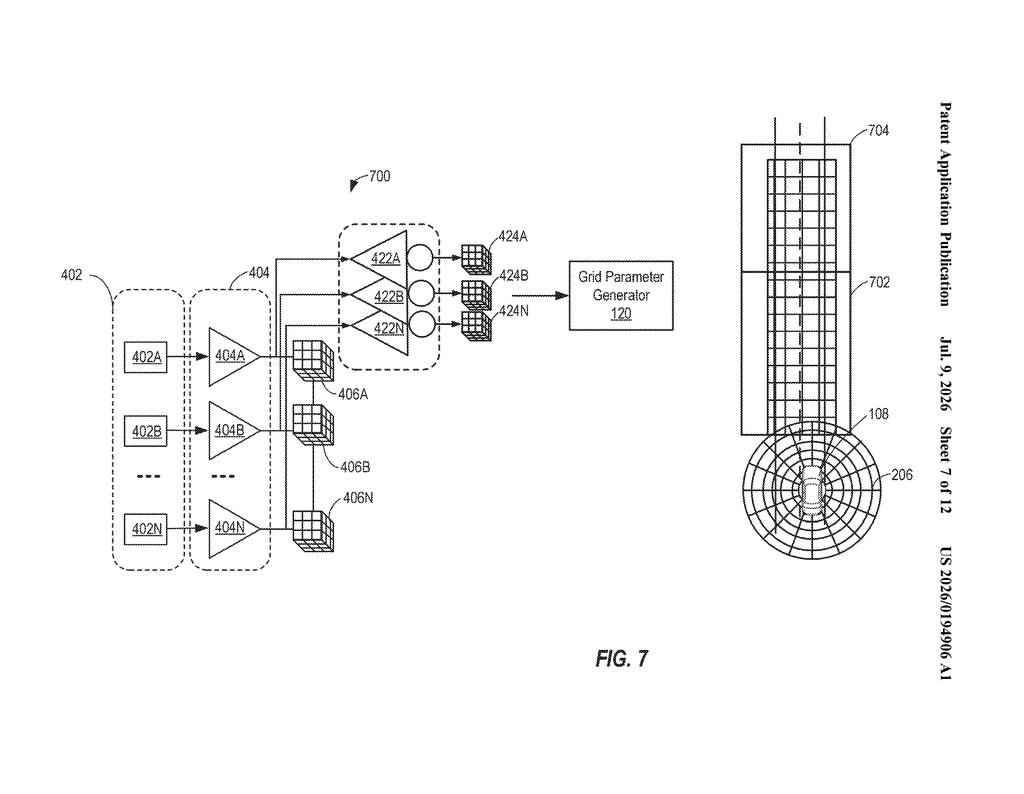
What Qualcomm's adaptive detection grid actually does
Imagine a security camera that instead of watching an entire parking lot at the same level of attention, automatically zooms its focus toward the entrance because that's where cars actually arrive. That's roughly the idea behind this Qualcomm patent.
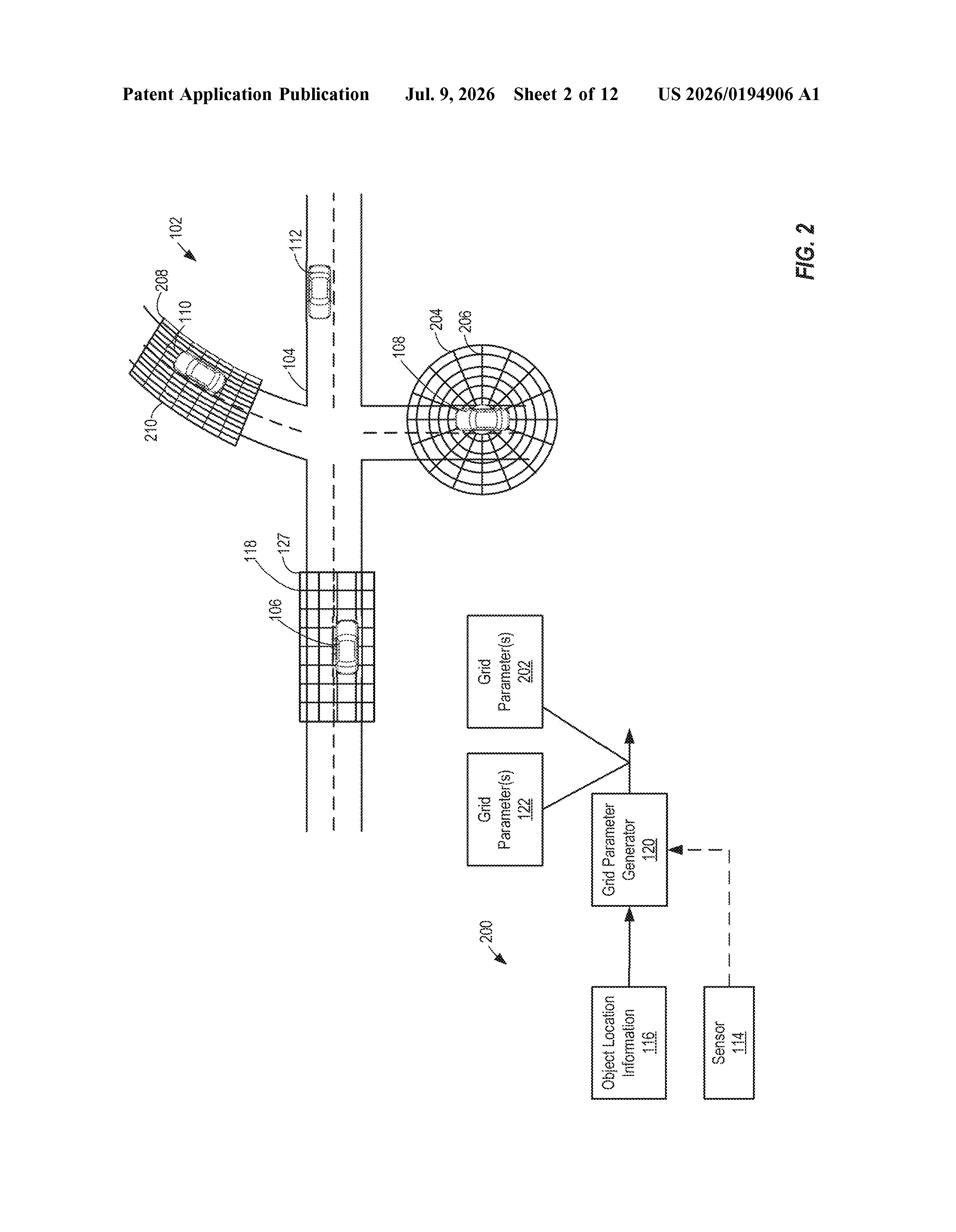
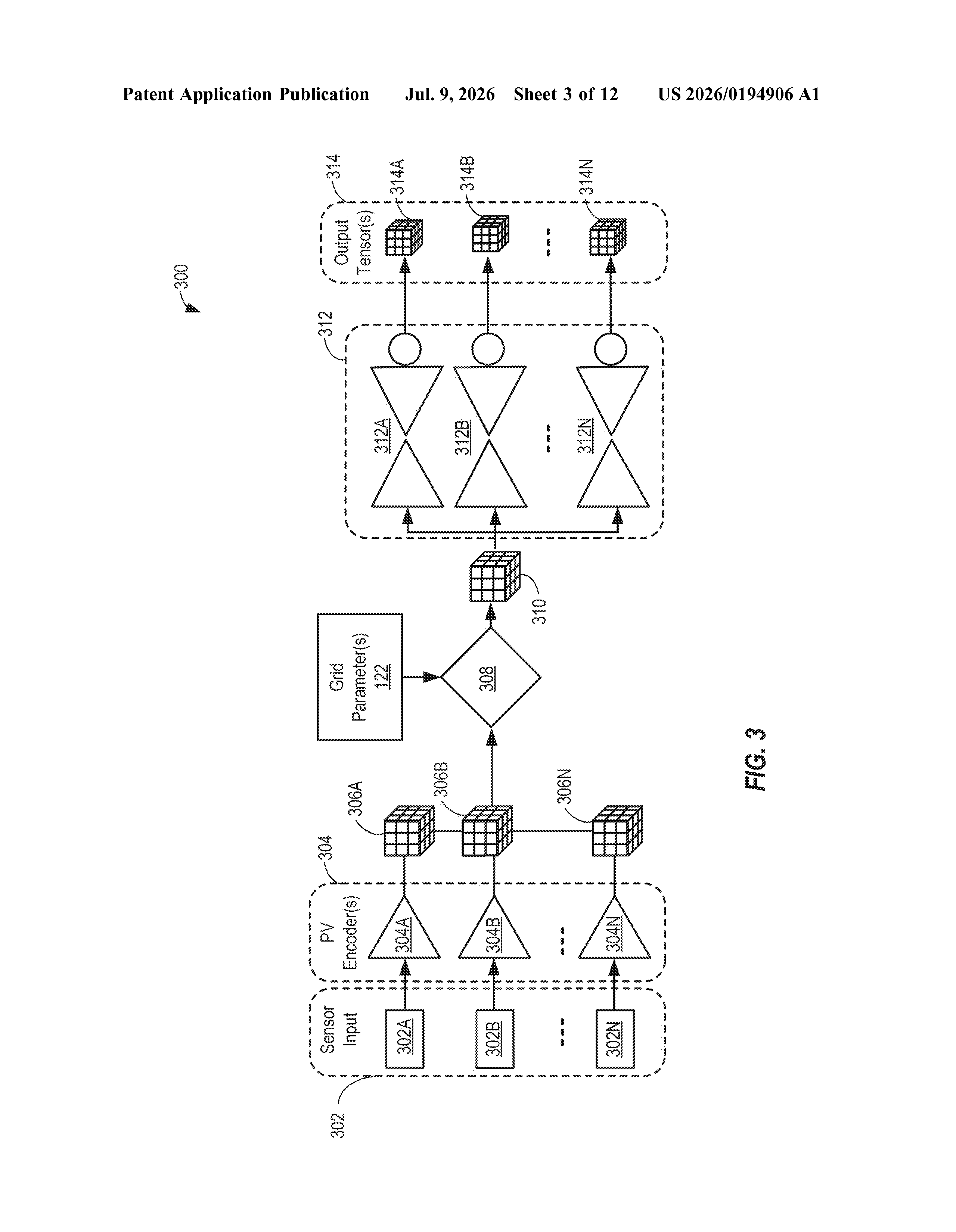
The system takes data from sensors (cameras, radar, lidar, or a combination) and figures out ahead of time where in a scene something interesting is likely to be. It then builds a tighter, more detailed analysis grid around that specific area rather than treating every corner of the scene the same.
The result is that the processor doesn't have to work as hard on empty sky or blank road, and instead puts its effort into the part of the scene that actually matters. That kind of targeted processing can mean faster detection, lower power use, or both.
How the system decides where to concentrate its grid
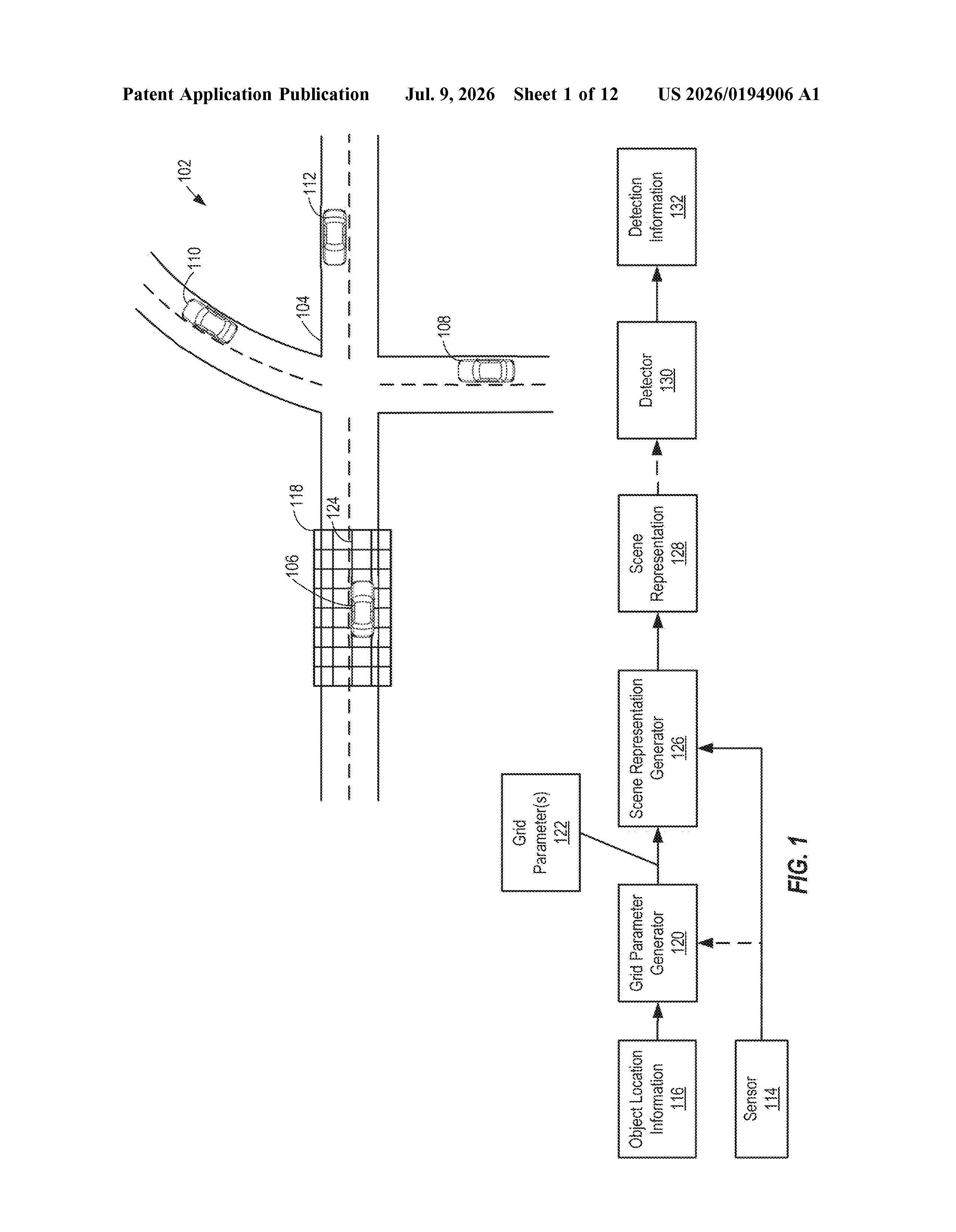
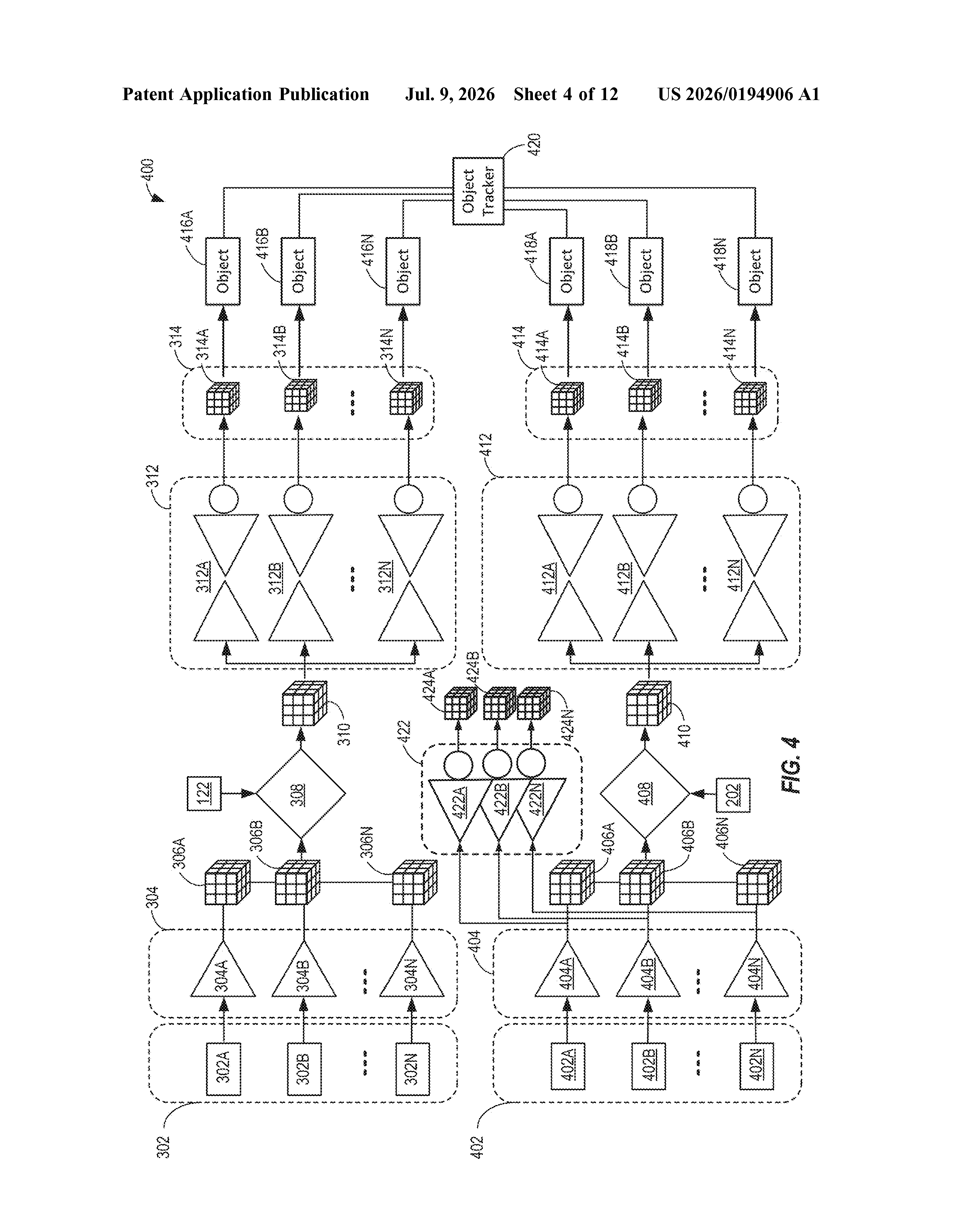
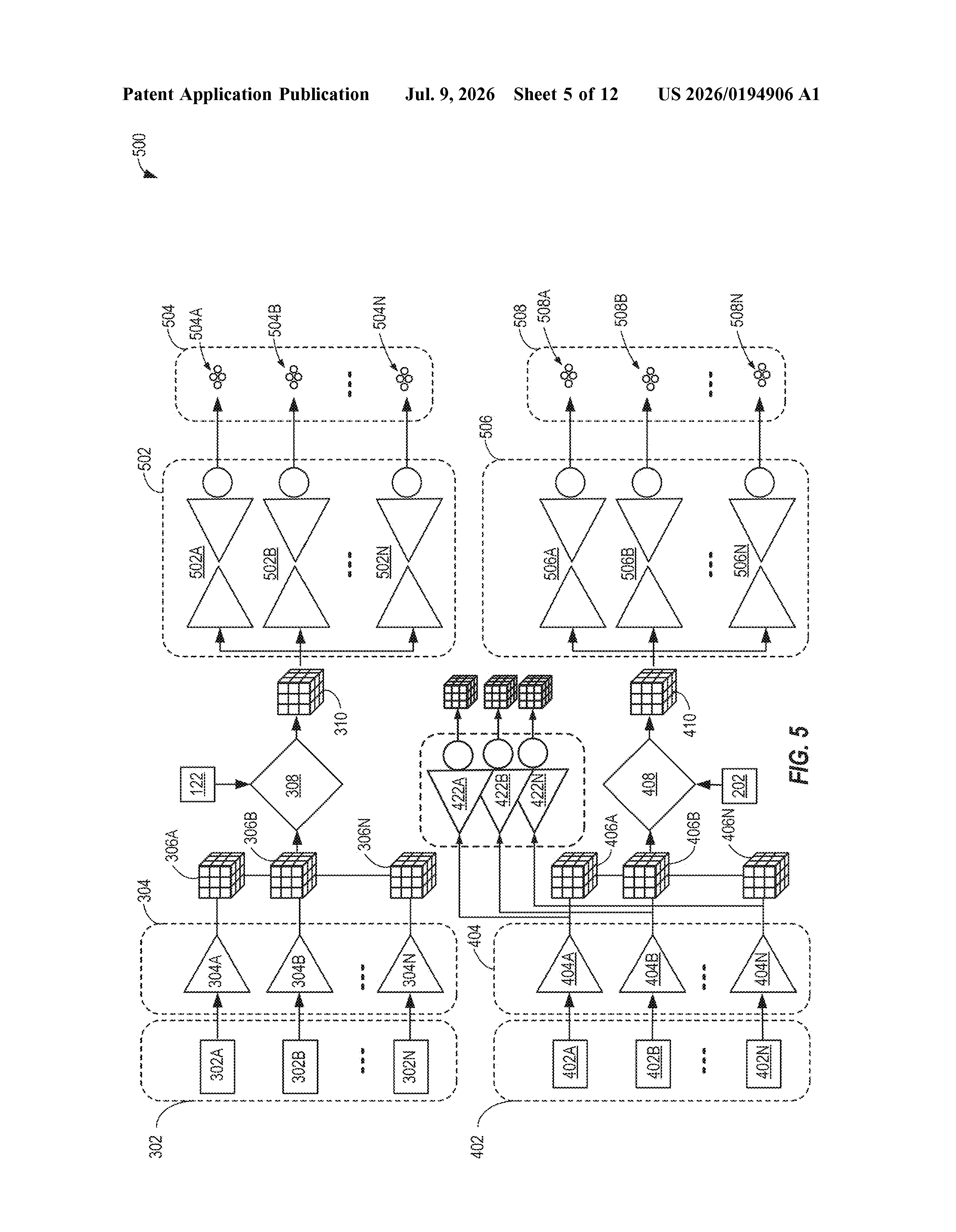
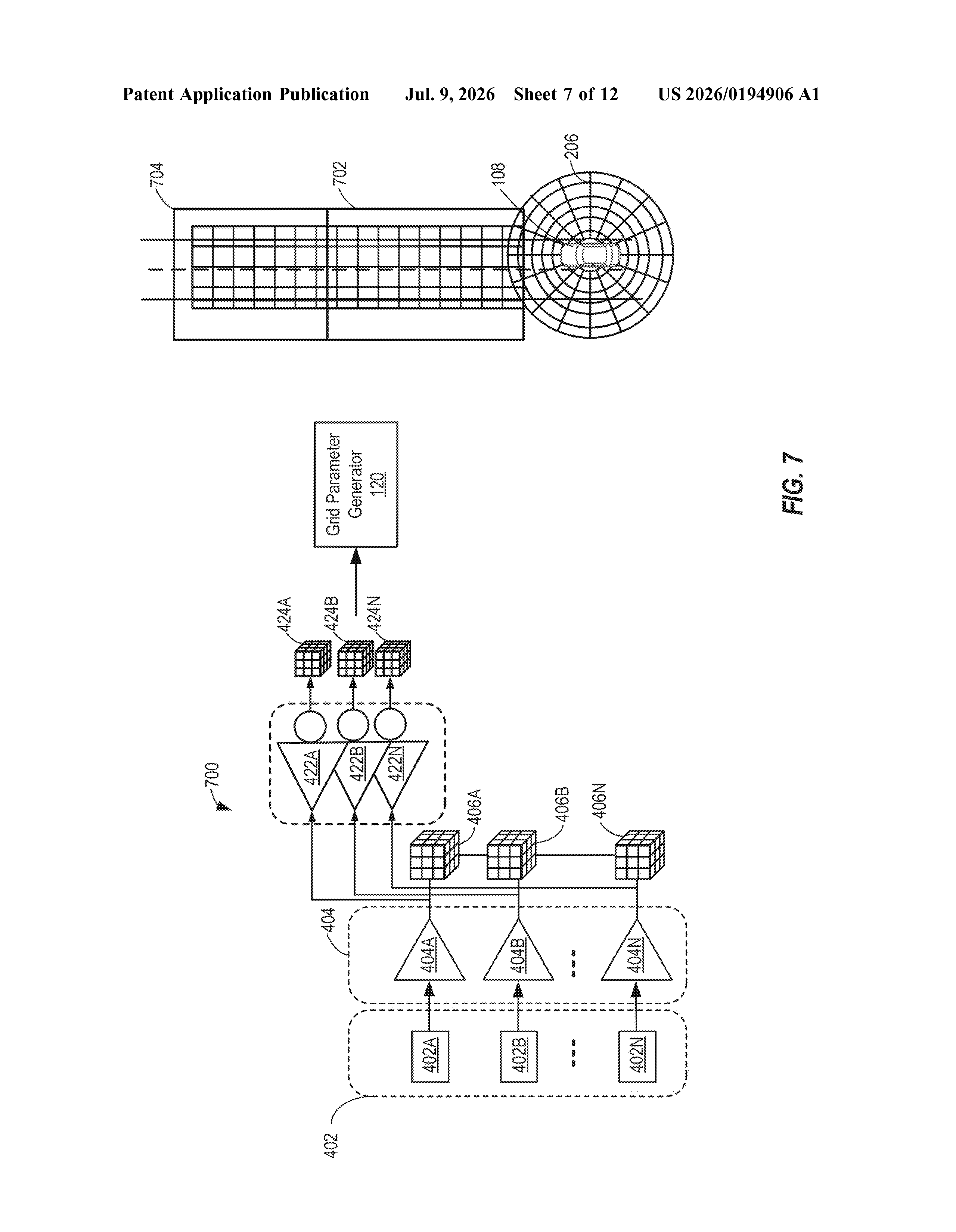
The patent describes a processing system that receives raw sensor data and then creates what it calls a first grid, a spatial map used to organize and analyze what the sensors are picking up.
The key step is that the grid's parameters (its size, resolution, and position) are not fixed. Instead, they are determined based on prior information about where an object of interest is likely to be located in the scene. In a driving context, for example, that could mean road geometry data, prior detections, or map information that tells the system pedestrians tend to cross at a particular spot.
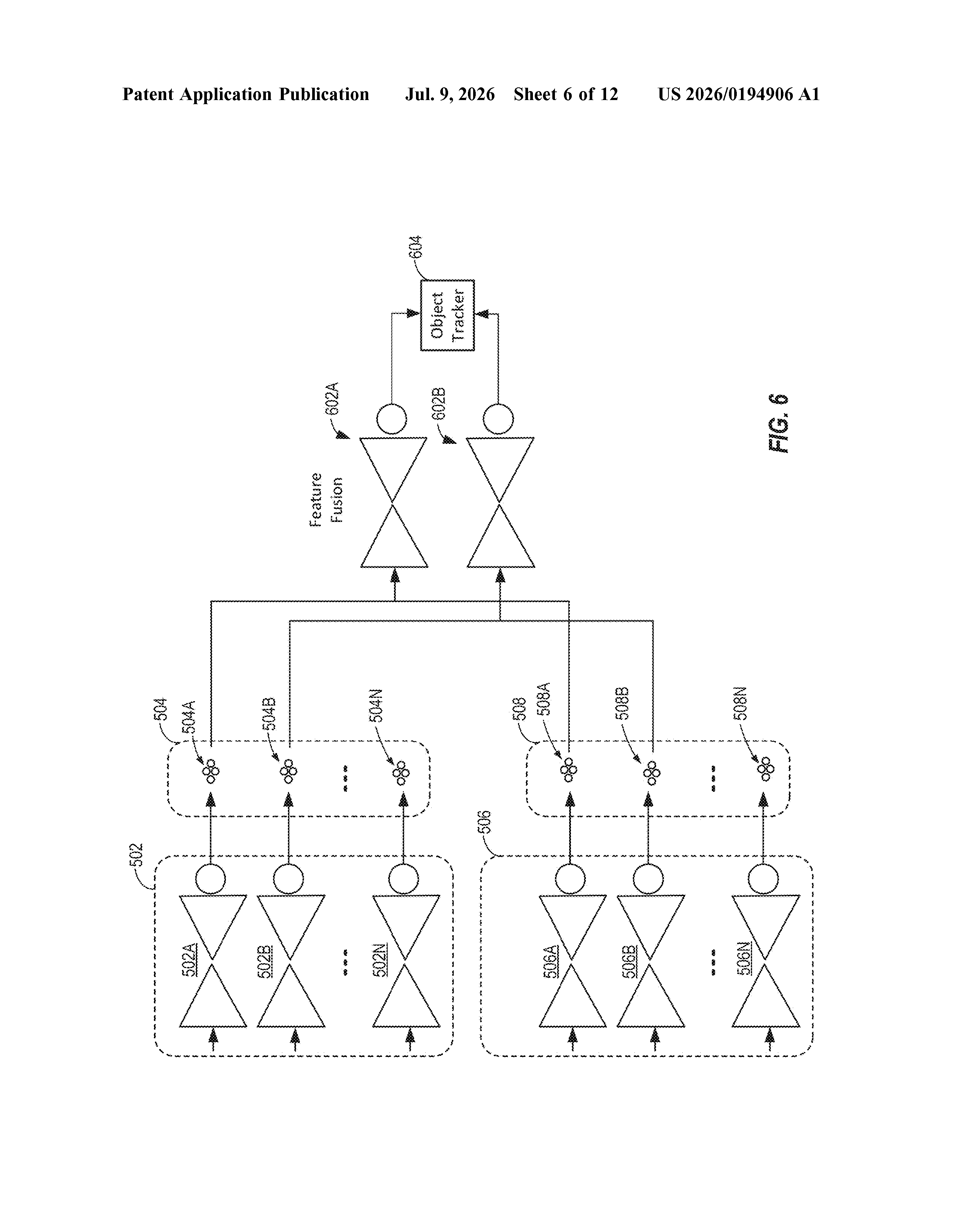
From that shaped grid, the system generates a scene representation, basically a structured snapshot of the relevant area, and then extracts detection information from it. The claim is broad enough to cover cameras, radar, and other sensor types.
- Obtain sensor data from one or more sensors
- Determine grid parameters based on likely object location
- Generate a scene representation using those parameters
- Extract detection output from that representation
What this means for self-driving and device sensing
For self-driving systems and driver-assistance chips, this kind of approach could let a processor spend less time on irrelevant parts of the scene and react faster in the zones that matter. Qualcomm already sells automotive-grade chips through its Snapdragon Ride platform, so a more efficient detection pipeline fits directly into that product line.
On a broader level, any device that has to run object detection on limited battery or processing headroom (a drone, a robot, a phone camera) benefits from not treating every pixel the same. This patent is Qualcomm staking out a specific approach to that problem at the grid-generation stage, which is early enough in the pipeline to affect everything downstream.
This is a solid, focused engineering patent rather than a flashy one. The idea of adapting your detection grid to where objects are likely to be is sensible and has real practical value in automotive and robotics contexts. Whether Qualcomm can defend the specific claims depends heavily on how prior art shakes out, but as a signal of where their sensor-processing work is headed, it fits neatly into their automotive chip ambitions.
Get our take in your Top Stories
Liked this breakdown? Add Patentlyze as a preferred source on Google, and our plain-English take shows up more often in your Top Stories the next time Qualcomm patent news breaks.
There are more where this came from
We read every patent application Big Tech publishes and send you the ones worth knowing. Plain English, free, every week.
The drawings
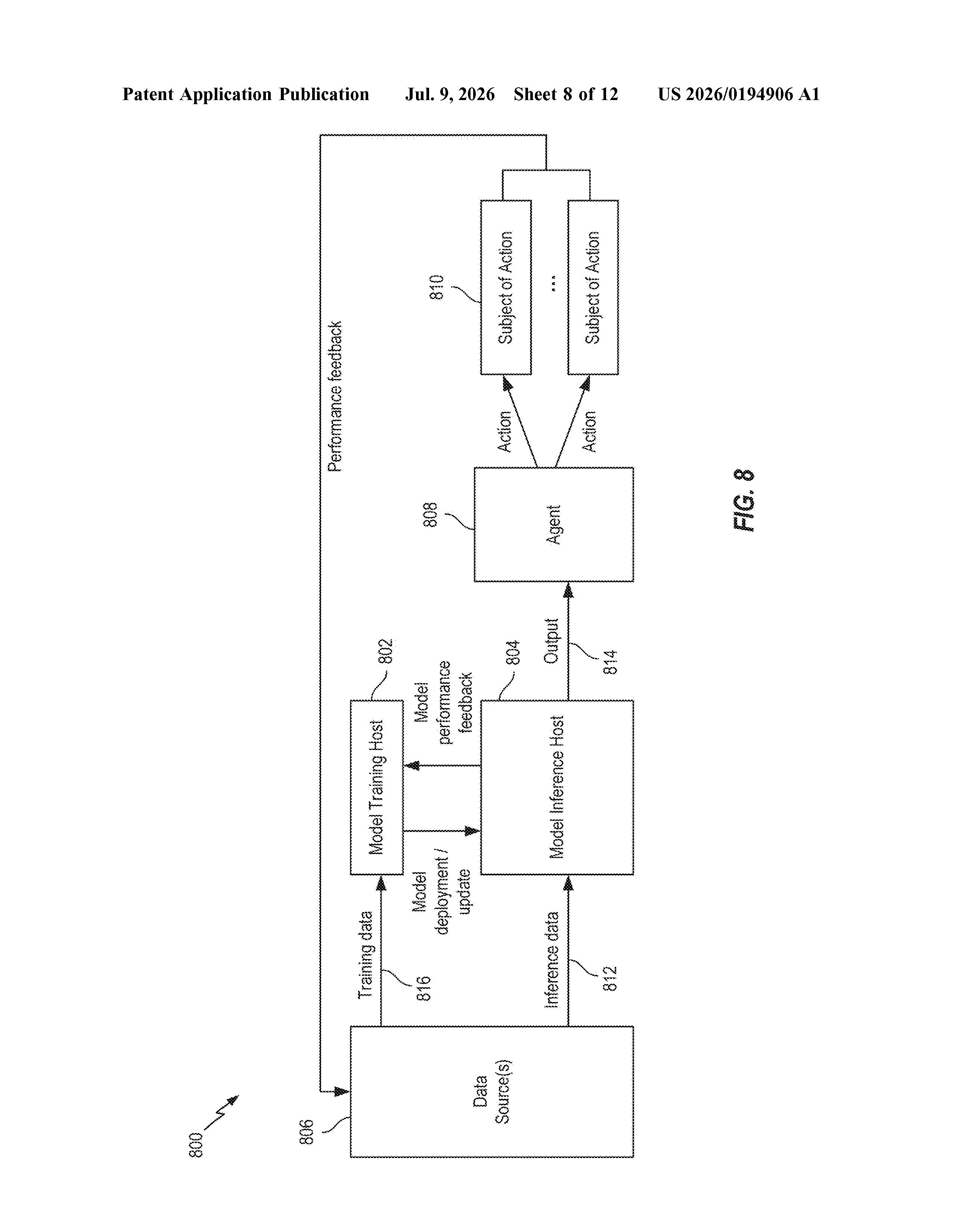
12 drawing sheets from US 2026/0194906 A1 · click any drawing to enlarge
Want this weekly breakdown for a company we don't cover? Patentlyze Pro →