
Qualcomm Patents a Cellular Check-In System That Clears Drones to Fly
Before a drone can use a cellular connection to operate, Qualcomm's new patent would require it to pass an identity check and get its planned flight path approved, all through the mobile network itself.
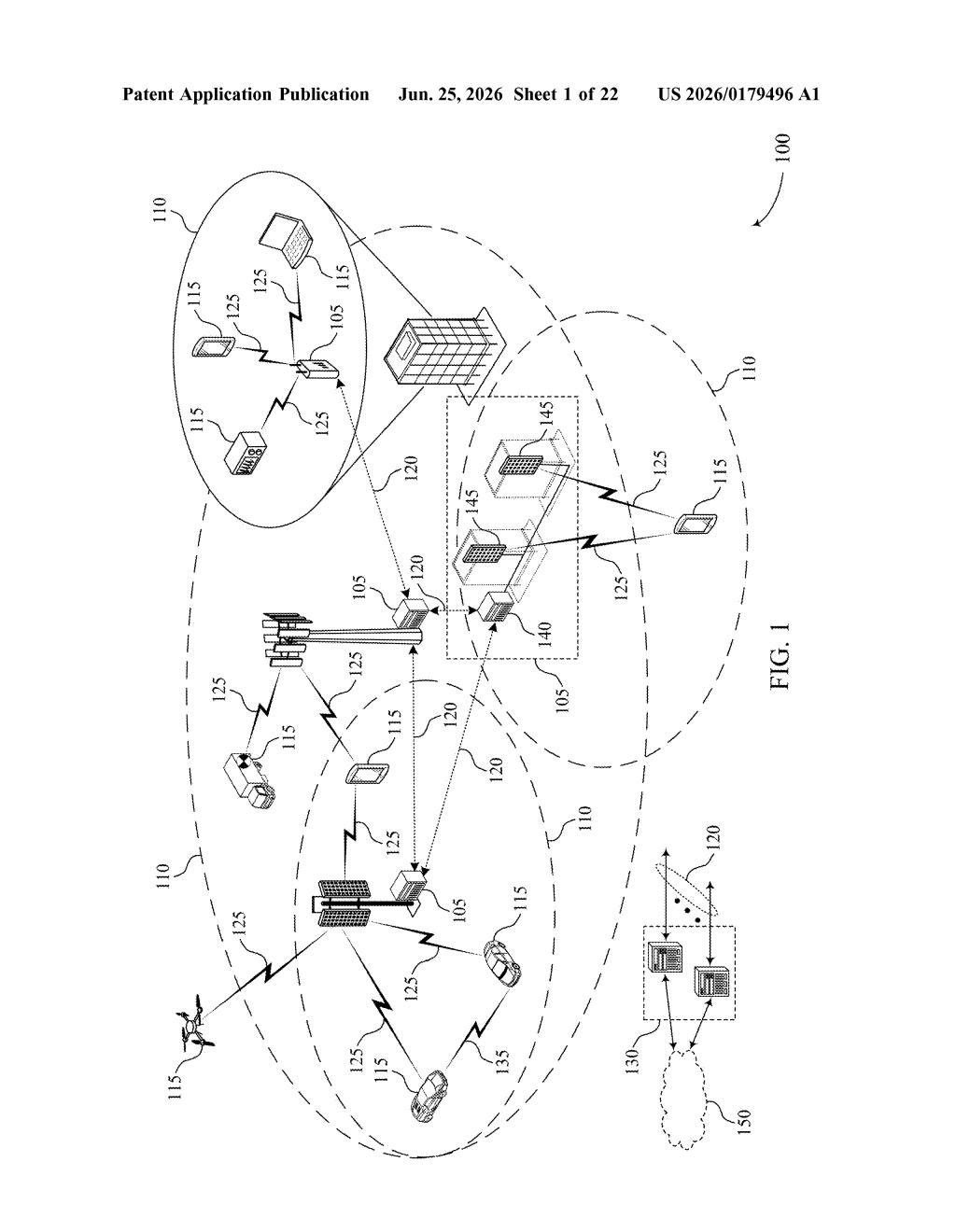
What Qualcomm's drone cellular check-in actually does
Imagine a drone trying to take off and connect to the internet through a 5G tower, the same way your phone does. Right now, the network has no automatic way to know whether that device is a legitimate, registered drone or something flying without authorization. Qualcomm wants to fix that.
The idea is to build a checkpoint directly into the cellular network. When a drone's onboard wireless device tries to connect, it sends along not just its phone-like ID but also a drone-specific identifier and information about where it plans to fly. The network passes that information to a separate drone-management system, which checks whether the drone is registered and whether its flight plan is approved.
Only after both checks pass does the network open a full data connection for the drone. Think of it like a TSA check that happens automatically at the network level, before the drone can do anything online.
How the network verifies identity and flight path together
The patent describes a protocol that runs inside a cellular network, specifically targeting wireless devices that are physically attached to aerial vehicles (drones).
When a drone-mounted cellular device tries to register on the network, it sends a message containing three things:
- A network identifier (like a SIM-based phone number or IMSI)
- An aerial identifier (a drone-specific registration ID)
- Operational information (planned flight path or operational parameters)
The network checks whether the SIM is flagged as an aerial subscription (a special account type tied to drone operation). If it is, the network forwards the aerial ID and flight data to an aerial function management system, a back-end authority that holds drone registration records and airspace approval rules.
That management system either approves or rejects the drone based on its registered identity and its requested flight path. Only after receiving approval does the network establish a full data session (an active internet connection) for the drone. If the drone's identity can't be verified, or its flight path isn't cleared, it simply doesn't get online.
What this means for drone regulation over 5G networks
Regulators in the US and Europe are pushing for Remote ID standards that require drones to broadcast their identity at all times. What Qualcomm is proposing goes a step further: making the cellular network itself an enforcement point, so a drone that hasn't been approved can't even get a data connection in the first place. This could be a foundational piece of infrastructure for drone delivery services, emergency-response fleets, or any commercial operator using 5G-connected drones at scale.
For you as a consumer, the practical effect would be that rogue or unregistered drones have a harder time using commercial networks for navigation or data links. It also gives telecoms a clear role in the broader air-traffic management picture, which is something carriers and standards bodies like 3GPP have been working toward for several years.
This is a genuinely useful piece of standards-level infrastructure work. Cellular networks are the most practical backbone for managing large numbers of drones, and right now there's no built-in mechanism to tie a drone's identity to its airspace clearance at the network layer. Qualcomm is essentially proposing the plumbing that makes automated drone traffic management possible. It won't ship as a consumer feature, but the 5G ecosystem needs exactly this kind of specification.
There are more where this came from
We read every patent application Big Tech publishes and send you the ones worth knowing. Plain English, free, every week.
Want this weekly breakdown for a company we don't cover? Patentlyze Pro →