
Qualcomm Patents Technology That Stops Cameras From Counting the Same Object Twice
Keeping track of moving objects in a video feed sounds simple until two different detection systems disagree about where the same person is. Qualcomm's new patent describes a way to merge those conflicting signals and throw out the noise before it causes problems.
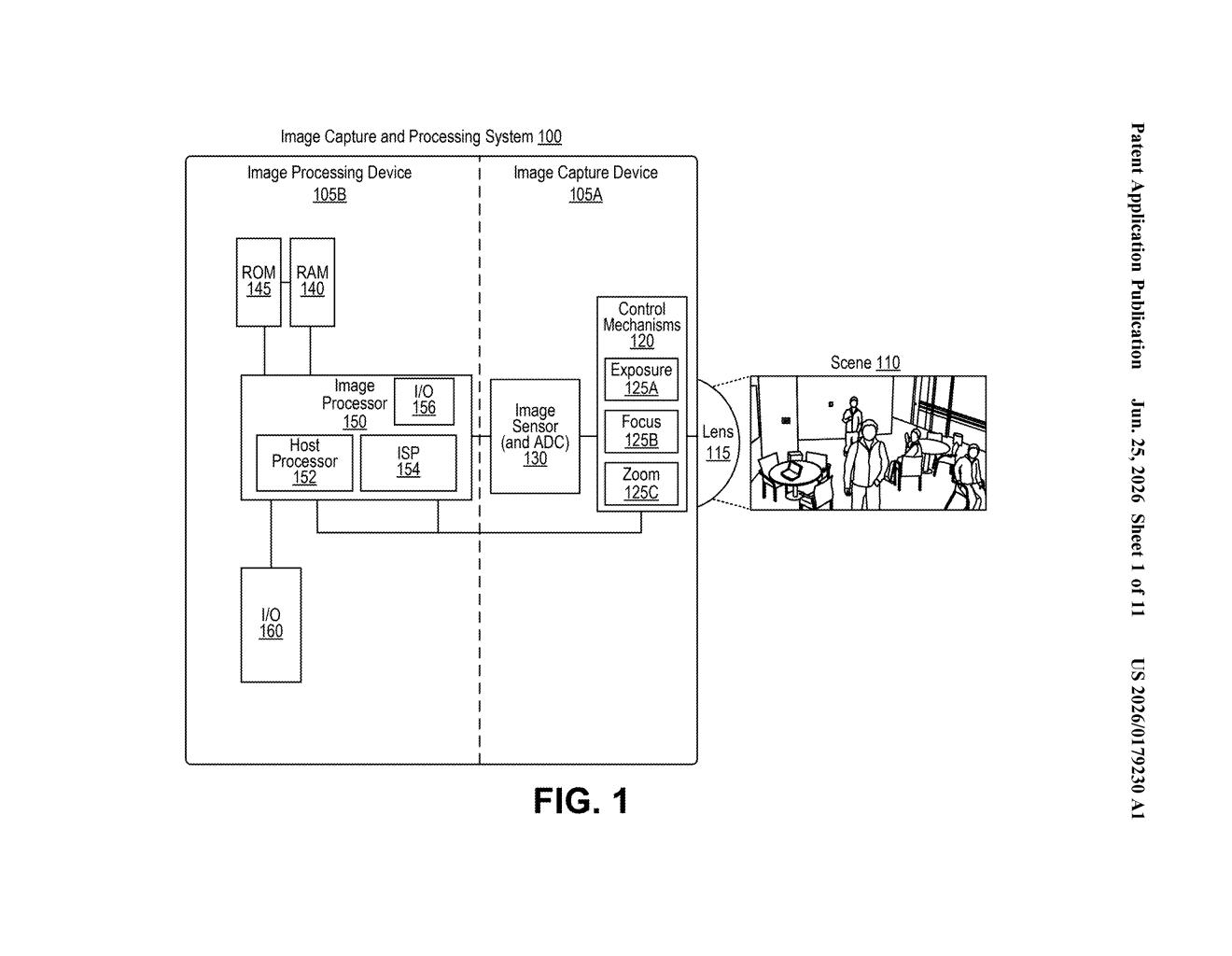
How Qualcomm's layered object tracking actually works
Imagine a security camera trying to follow ten people walking through a crowded lobby. One piece of software spots faces, another tracks silhouettes, and a third remembers where everyone was a moment ago. If all three systems shout their guesses at the same time without coordinating, you get a mess of duplicate, conflicting labels stuck to the same person.
Qualcomm's patent describes a system that pulls all those signals together into a single structure (think of it like a web of connections), then automatically prunes the duplicate or contradictory entries before deciding where each person actually is. It also carries forward a memory of previous positions, so the system doesn't start from scratch every frame.
The result is cleaner, more consistent tracking, especially useful in real-time situations like autonomous vehicles, augmented reality headsets, or surveillance cameras where a wrong call has real consequences.
How the graph-filtering step removes redundant detections
The patent describes a cascaded tracker architecture, meaning multiple tracking and detection modules feed into one another in a chain rather than operating in parallel and hoping for the best.
At each step, the system builds a graph (a data structure that maps relationships between detected objects and their predicted positions) by combining three inputs:
- Output from a first object tracker (a module that follows objects frame-to-frame)
- Output from an object detector (a module that identifies objects fresh in the current frame)
- Previous track query information from an earlier pass of a second tracker (essentially the system's short-term memory of where things were)
Once that graph is built, a filtering step removes redundant nodes, meaning entries where two sources are effectively describing the same object. This is important because without filtering, downstream logic would treat one real person as two separate targets.
Finally, the filtered graph produces new track query information that gets passed forward to the next processing cycle, keeping the memory chain intact. The patent's claim language is hardware-agnostic, written to cover any processor-and-memory setup, which fits Qualcomm's chip business well.
What this means for cameras, drones, and on-device AI
On-device AI tracking is only as good as its ability to stay consistent across frames. When trackers disagree, the entire system can stutter, misidentify targets, or lose objects entirely. This patent addresses that coordination problem at the architectural level rather than just tuning individual detectors.
For Qualcomm, which supplies chips to phone makers, XR headset builders, and automotive partners, a cleaner tracking pipeline matters a lot. If your Snapdragon chip is running the computer vision stack in a car or a mixed-reality headset, fewer false duplicates means less wasted compute and fewer errors you'd actually notice as a user.
This is solid, unsexy infrastructure work. It won't generate headlines about a flashy new product, but the problem it solves, multiple trackers stepping on each other's toes, is real and common in production vision systems. If Qualcomm bakes this into its Snapdragon vision stack, the benefits would flow to a large number of devices without most users ever knowing.
There are more where this came from
We read every patent application Big Tech publishes and send you the ones worth knowing. Plain English, free, every week.
Want this weekly breakdown for a company we don't cover? Patentlyze Pro →