
Microsoft Patents AI System That Generates Three-Dimensional Avatars From Photos Instantly
Microsoft is patenting a way to create detailed 3D versions of a person using an AI model that has already studied thousands of real people, potentially making photo-realistic avatars fast and cheap enough for everyday apps.
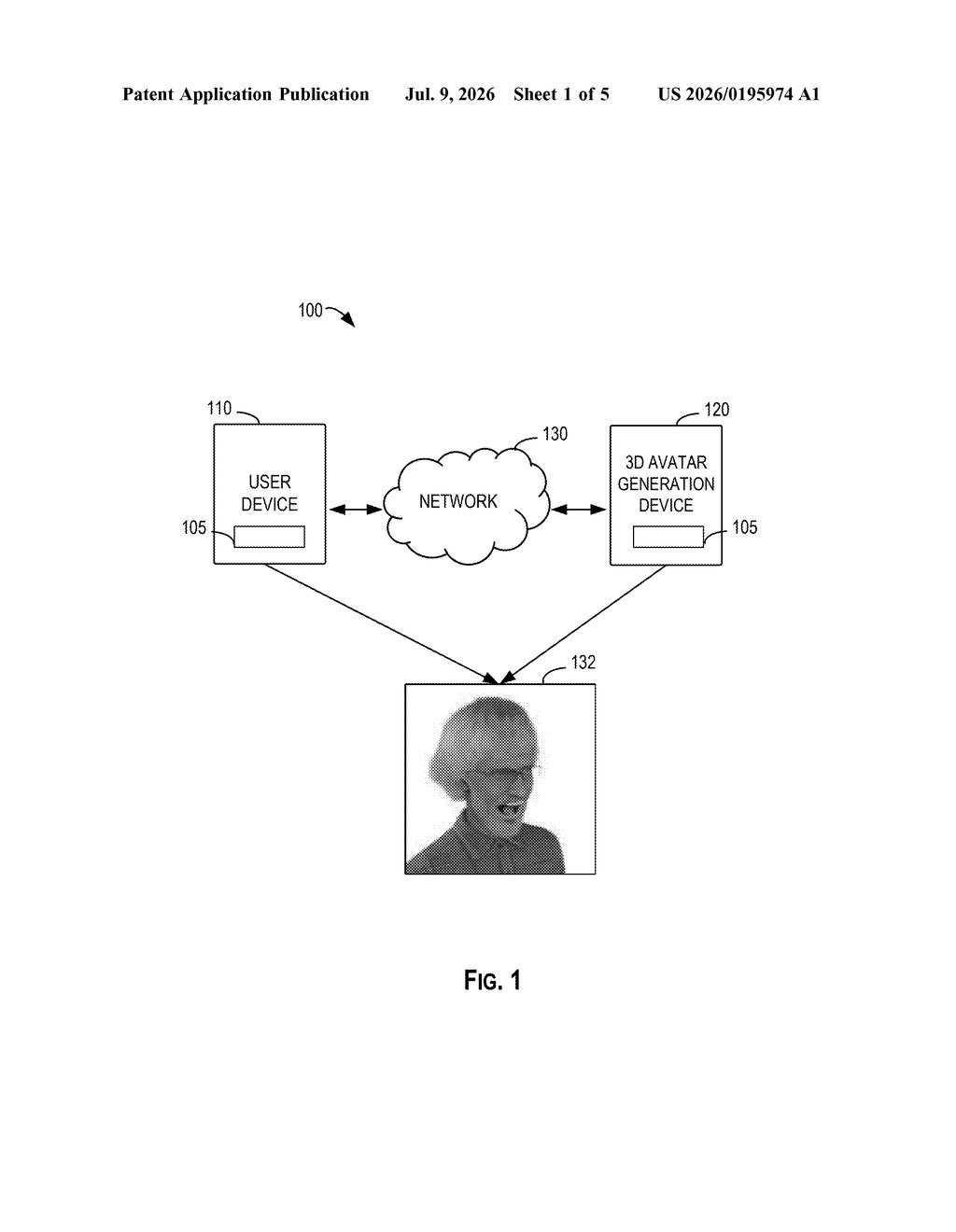
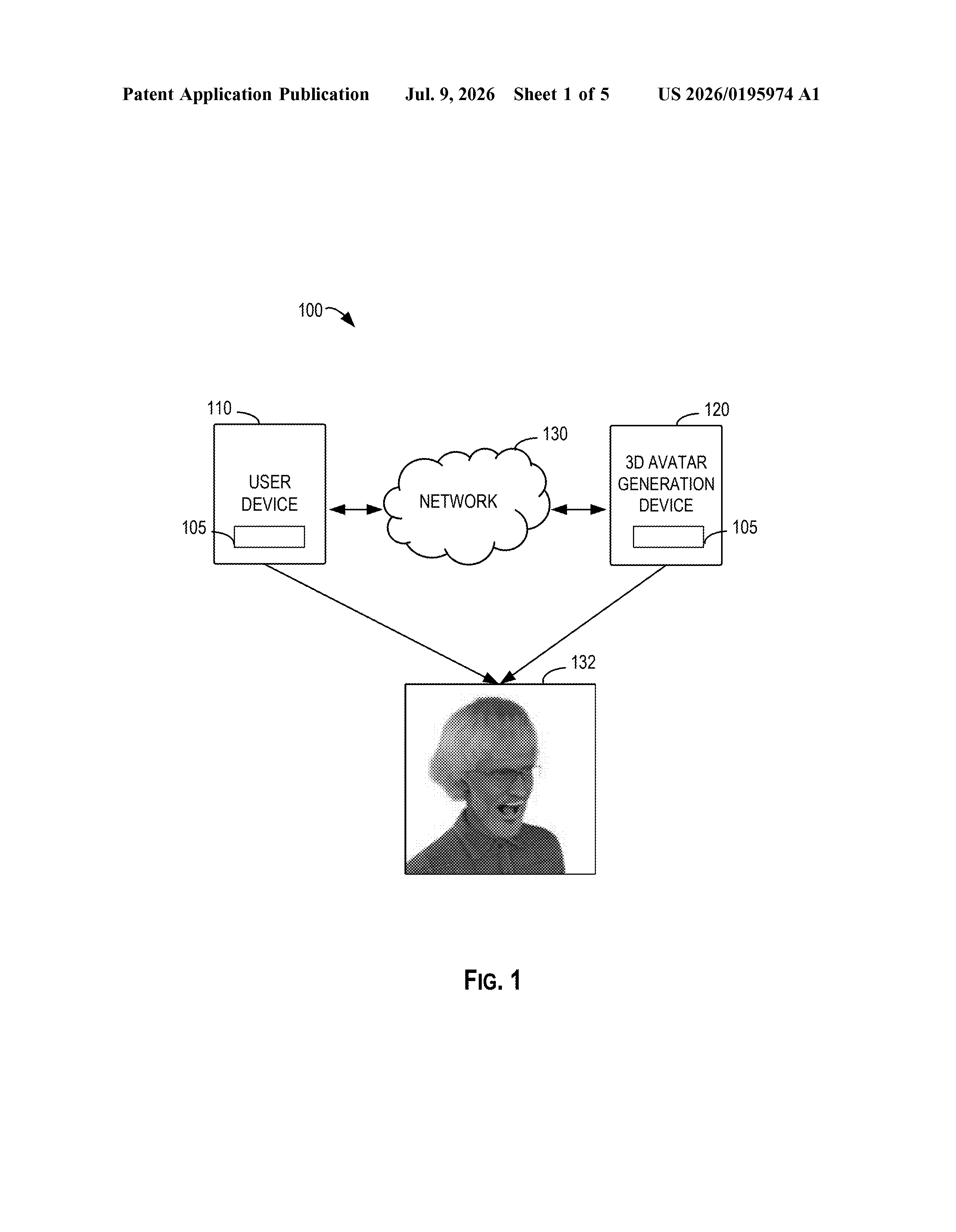
What Microsoft's 3D avatar generator actually does
Imagine you want a 3D digital version of yourself for a video call or a game, but creating one normally requires expensive software and hours of work. Microsoft is working on a way to let AI do that job in a fraction of the time.
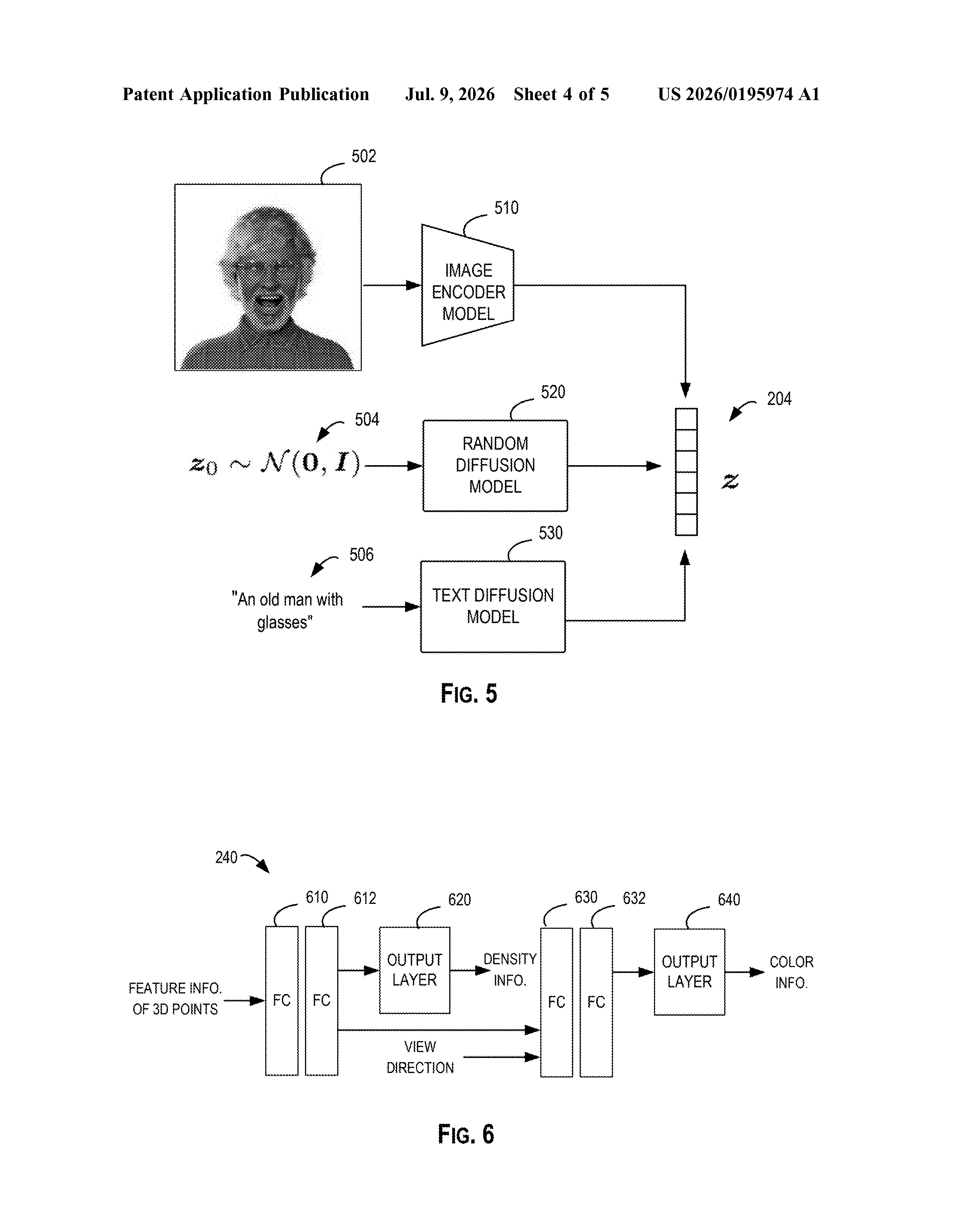
The system uses a type of AI called a diffusion model (the same family of technology behind image generators like DALL-E) that has been trained on real 3D human scans. You give it some input, such as a photo or a description, and it produces a full 3D representation of a person, not just a flat picture.
The patent specifically highlights that this approach uses less memory and computing power than older methods, which matters if Microsoft wants to run this inside something like Teams or Xbox rather than on a supercomputer.
How the diffusion model maps a face into 3D space
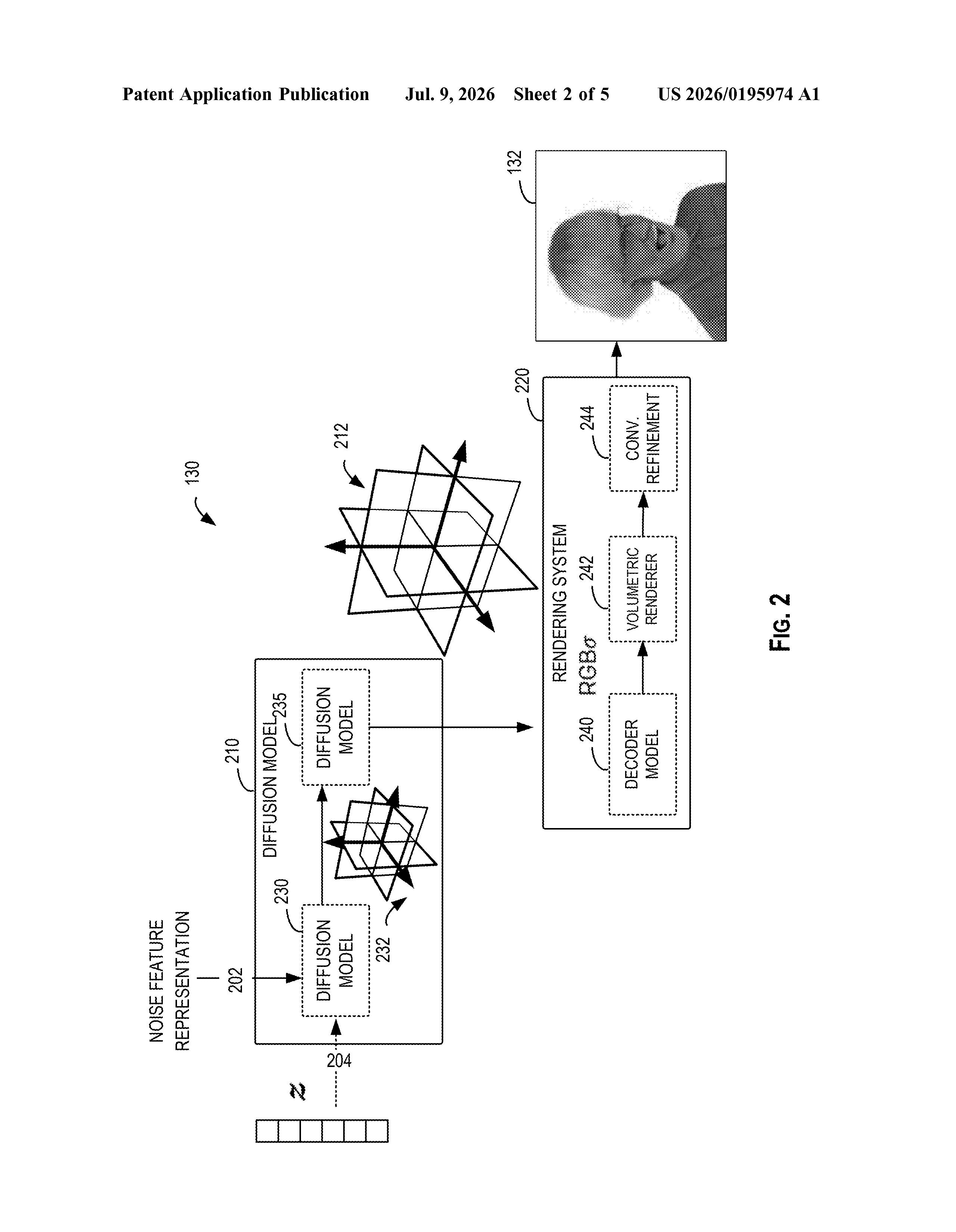
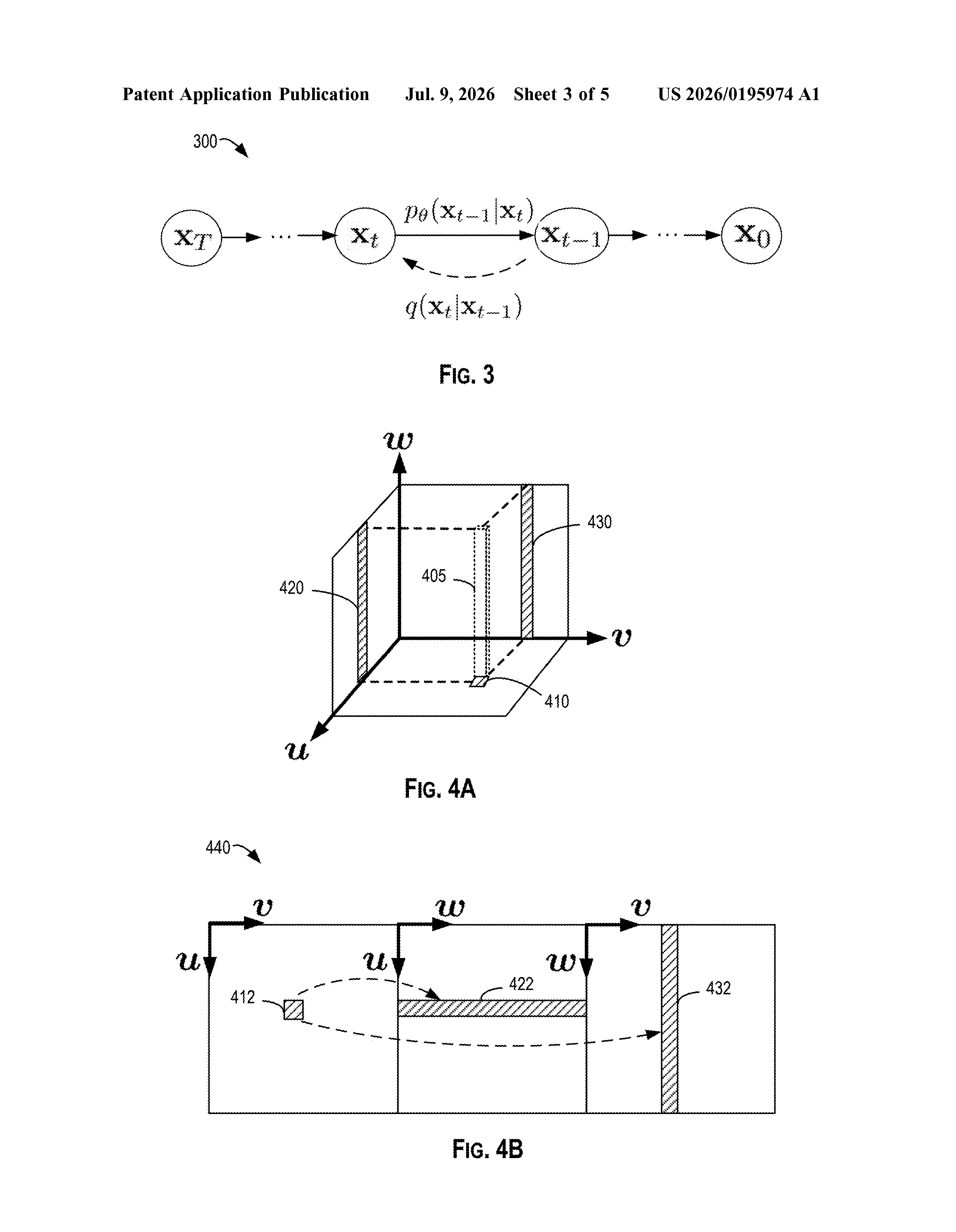
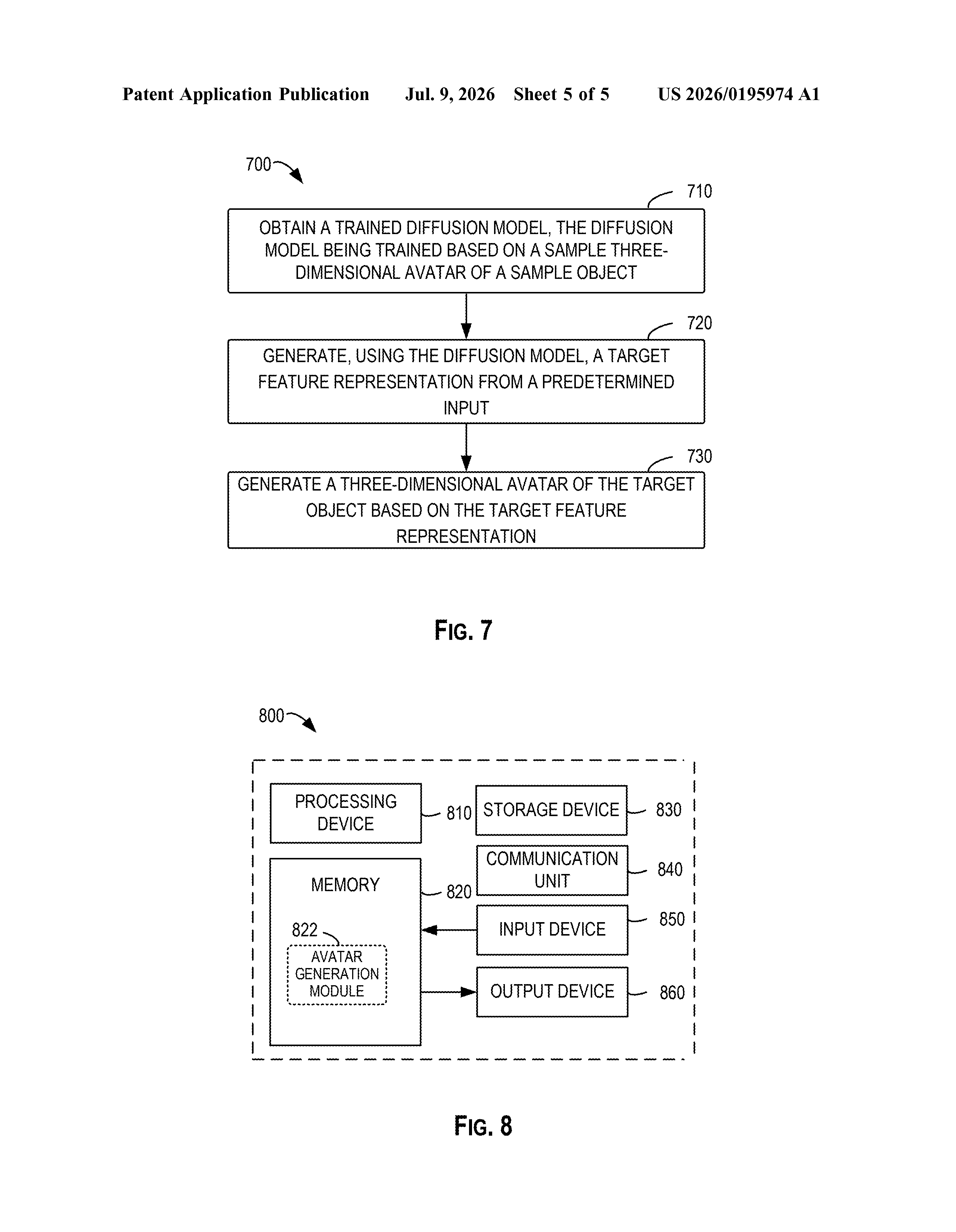
The core of Microsoft's approach is a trained diffusion model, an AI system that learns by gradually adding and then removing noise from data until it can generate new examples from scratch. Here, the training data is made up of three-dimensional scans of real people.
When you want a new avatar, the model produces a target feature representation: a structured set of data that captures what a person looks like from multiple angles simultaneously. Microsoft uses a format called a tri-plane (three flat grids arranged along the X, Y, and Z axes) to store this spatial information efficiently without requiring the system to track every point in full 3D volume.
From that feature representation, a separate rendering step reconstructs the actual 3D avatar you can see and move. The claimed advantage is that tri-plane storage is much more memory-efficient than storing a complete volumetric representation of a head.
- Input: a photo, text prompt, or other reference
- Processing: diffusion model generates tri-plane feature maps
- Output: a fully renderable 3D avatar of the target person
What this means for Teams, Xbox, and virtual meetings
The push toward 3D avatars in video calls, mixed-reality meetings, and gaming has been slowed by one consistent problem: generating a convincing 3D human is computationally expensive. If Microsoft can make that process fast and light enough to run on ordinary hardware, it changes the calculus for features inside Teams, Microsoft Mesh (its mixed-reality collaboration platform), or even Xbox.
For you as a user, this could eventually mean your video call avatar looks genuinely like you in three dimensions, not a cartoon approximation, without requiring a 3D scanner or a high-end PC. The patent is early-stage research, so there is no product announcement attached to it, but the direction is clear.
This is a real research contribution in a field Microsoft has been building toward through its Mesh and Teams investments. The tri-plane diffusion approach is a recognized technique in academic 3D vision research, so this patent is less about inventing something entirely new and more about Microsoft staking a claim on a specific implementation pipeline. Worth watching, but don't expect it in your next Teams update.
Get our take in your Top Stories
Liked this breakdown? Add Patentlyze as a preferred source on Google, and our plain-English take shows up more often in your Top Stories the next time Microsoft patent news breaks.
There are more where this came from
We read every patent application Big Tech publishes and send you the ones worth knowing. Plain English, free, every week.
The drawings
5 drawing sheets from US 2026/0195974 A1 · click any drawing to enlarge
Want this weekly breakdown for a company we don't cover? Patentlyze Pro →