
Microsoft's New Patent Teaches Depth Cameras to Stop Confusing Near and Far Objects
Time-of-flight cameras measure distance by timing how long a pulse of light takes to bounce back, but they have a fundamental quirk: the signal repeats itself, like a clock that can't tell whether it's 1 PM or 1 AM. Microsoft's new patent describes a smarter way to figure out which 'lap' of the signal you're actually on.
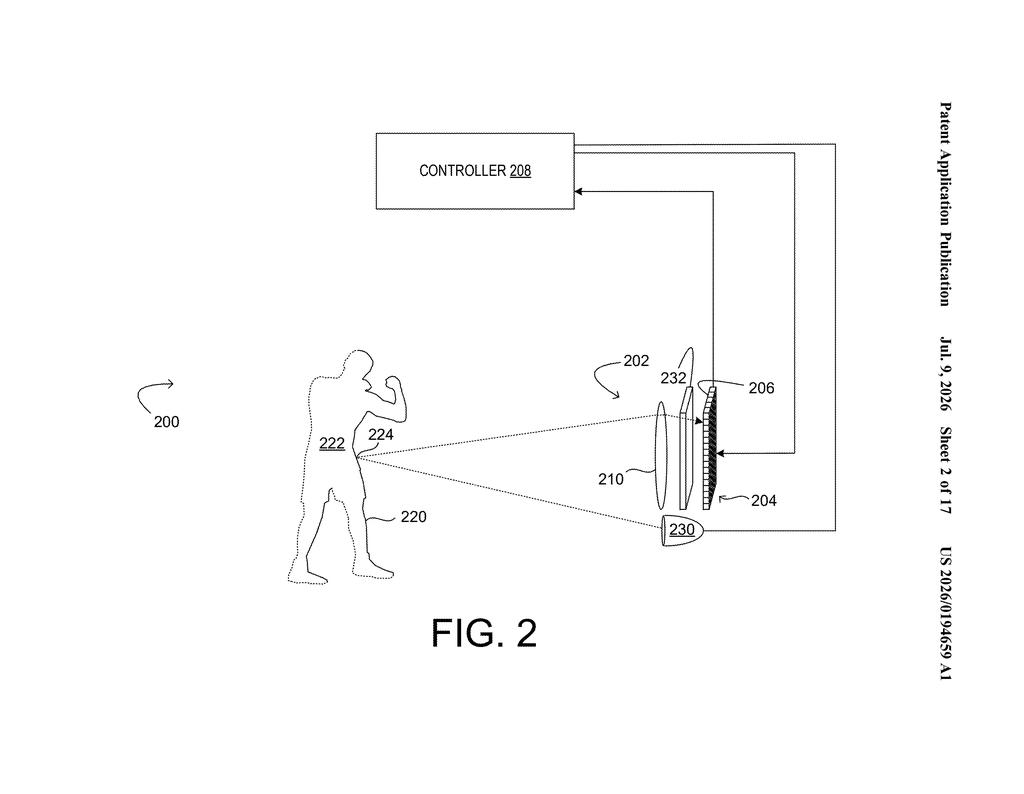
What Microsoft's depth-camera fix actually does
Imagine you're timing a runner who laps a track, but you only have a stopwatch that resets every lap. If you see "0:45," you don't know if they've done one lap or three. Time-of-flight depth cameras have the same problem: the light signal they use wraps around, so the camera can confuse a nearby object with a faraway one.
Microsoft's patent describes a method to resolve that confusion by using multiple light frequencies at once. Because each frequency wraps at a different rate, comparing them together narrows down the true distance, the same way two out-of-sync clocks can help you figure out the actual time.
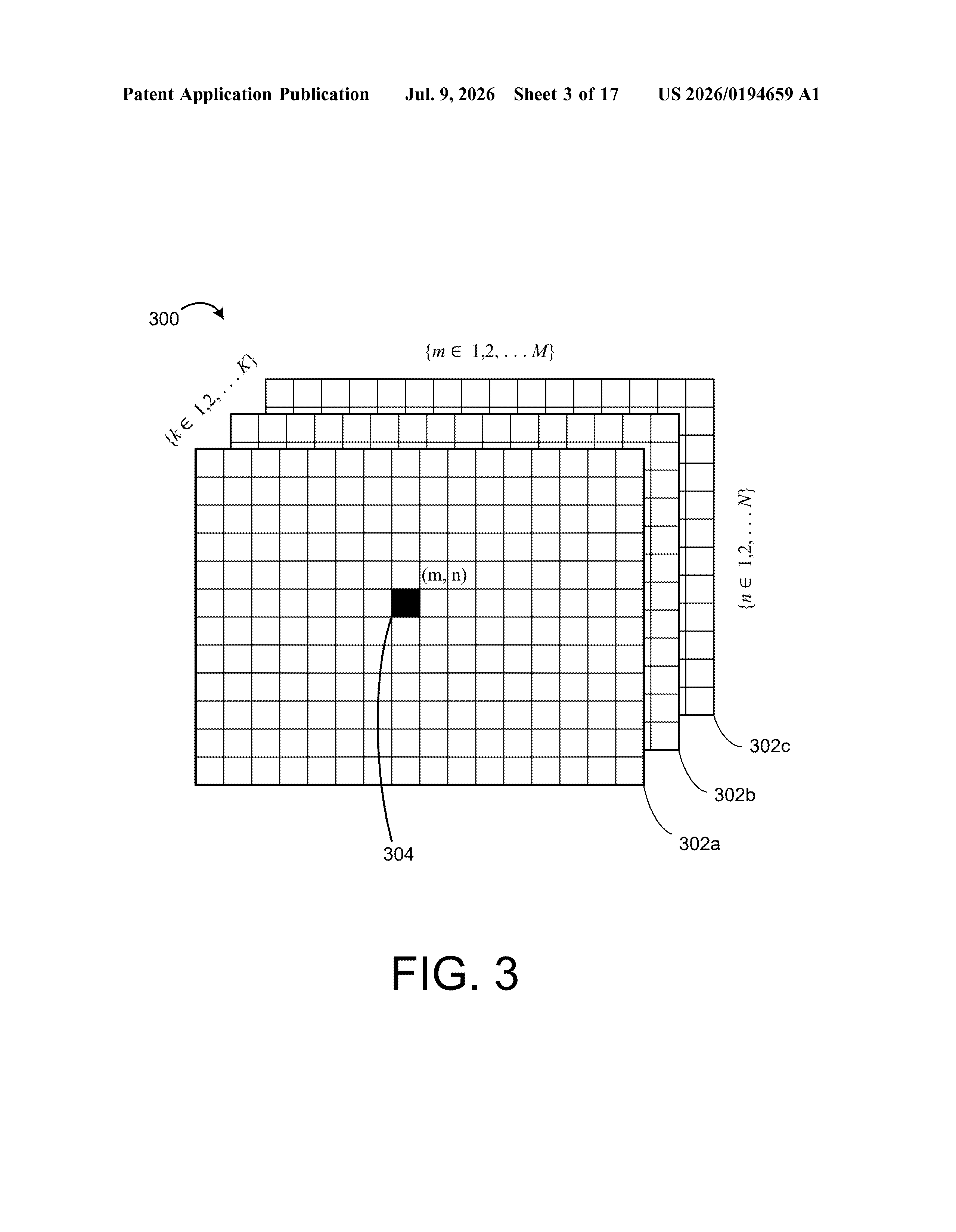
The system tests a series of candidate distance readings and picks the one that best fits a consistent pattern across all the frequencies. The result is a more reliable depth measurement for every pixel in the camera's image, even when objects are at tricky distances that would normally fool a single-frequency system.
How the phase-order selection method works
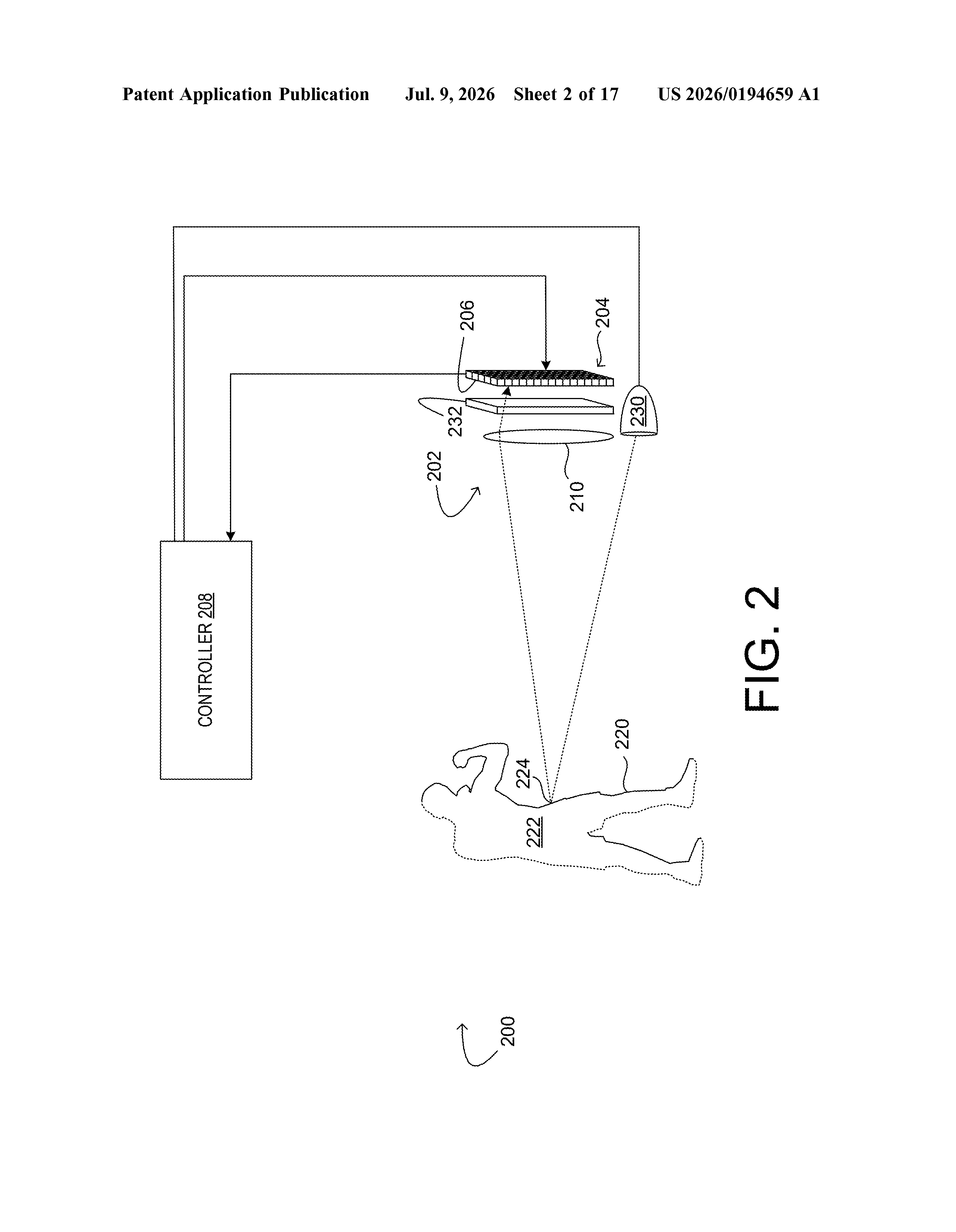
Time-of-flight (ToF) cameras emit amplitude-modulated light (light whose brightness pulses at a set rate) and measure the phase shift (the delay) when it returns to figure out how far away a surface is. The trouble is that phase is periodic: a delay of, say, 10% of one cycle looks identical to 110% or 210%. This is called phase wrapping, and resolving it is one of the central engineering challenges of ToF depth sensing.
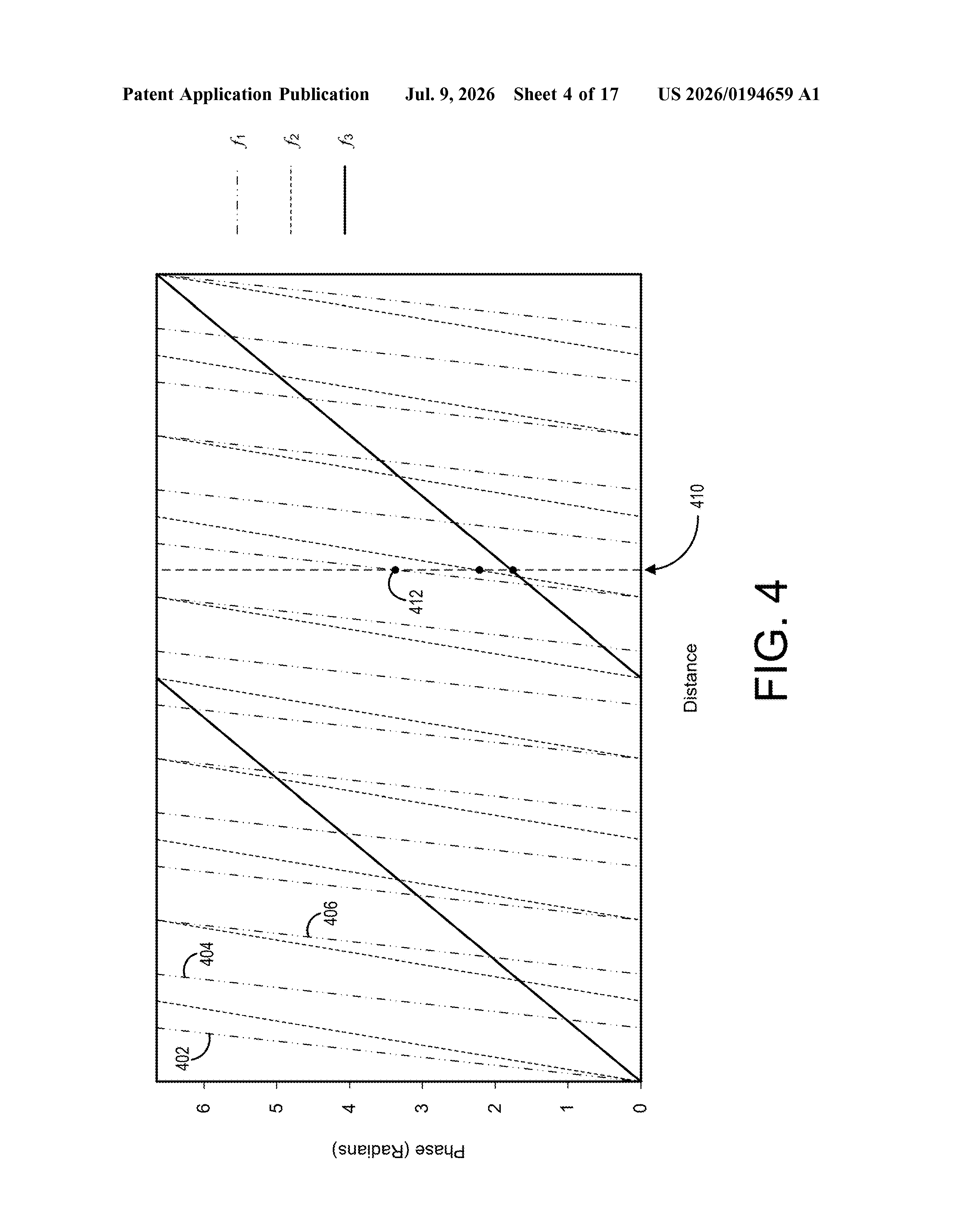
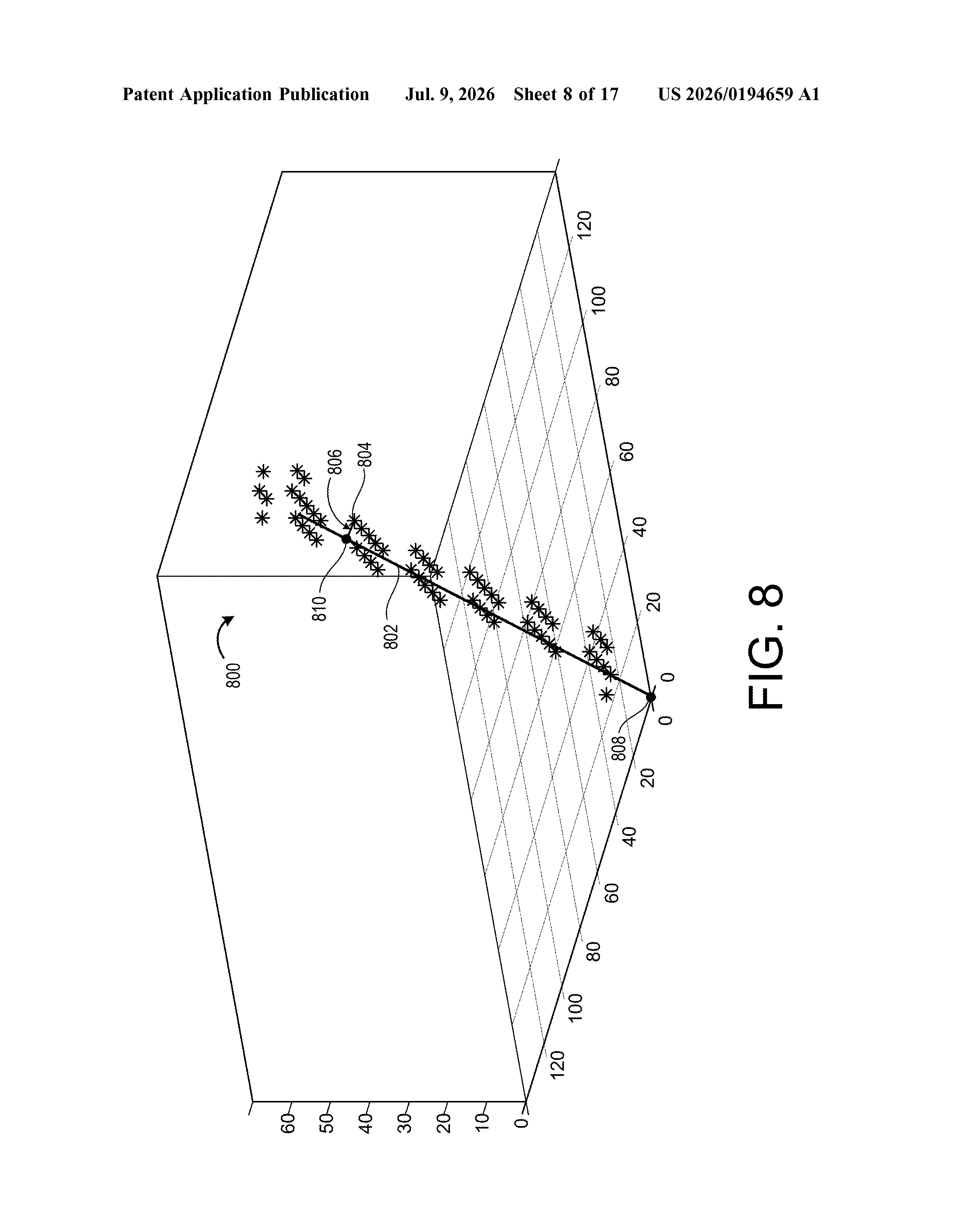
Microsoft's approach uses two or more modulation frequencies simultaneously. For each frequency, the patent describes drawing a line representing how phase changes with distance across every possible "wrap" of that signal. Where a measured phase value intersects one of those lines gives you a candidate distance, called an intersection point.
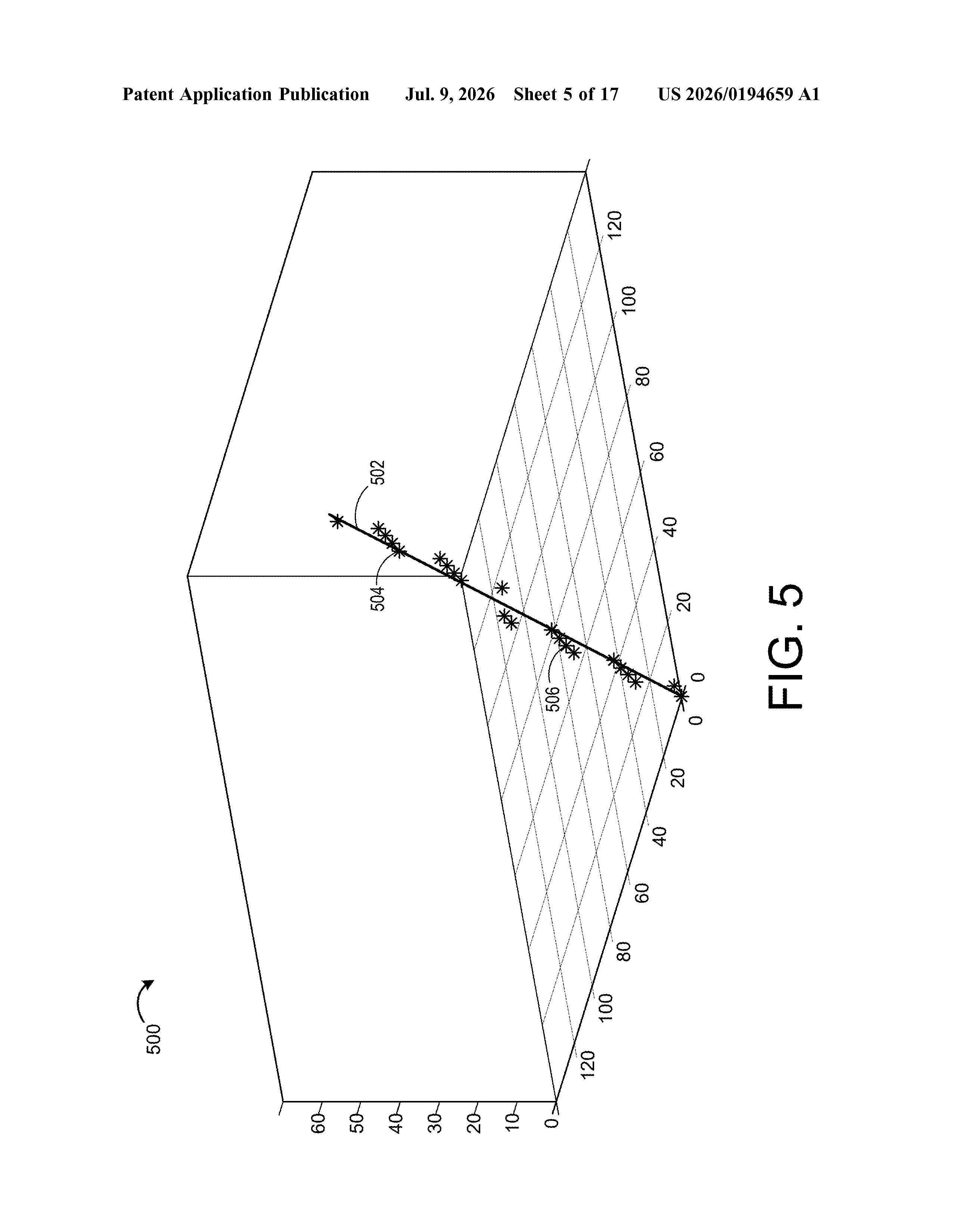
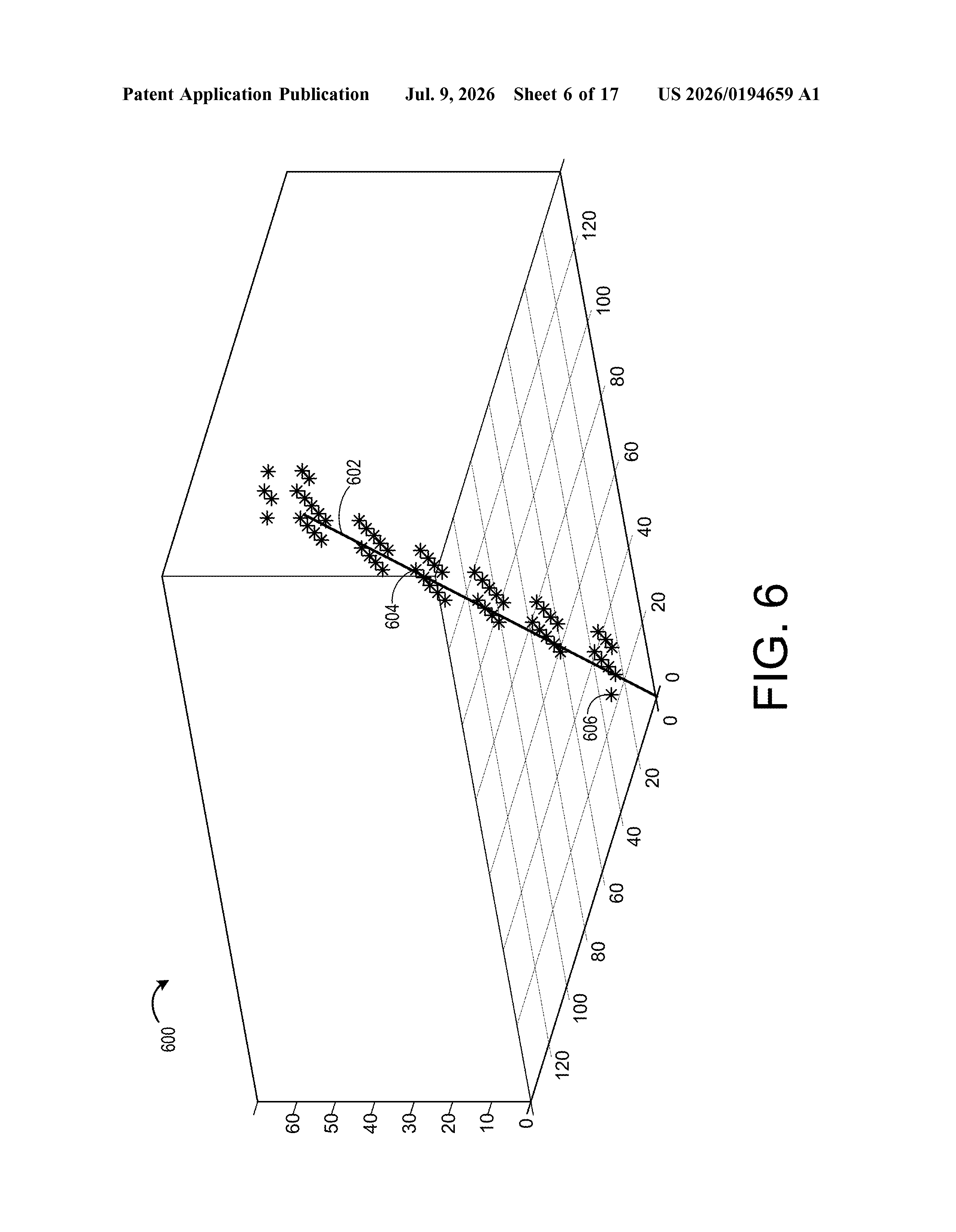
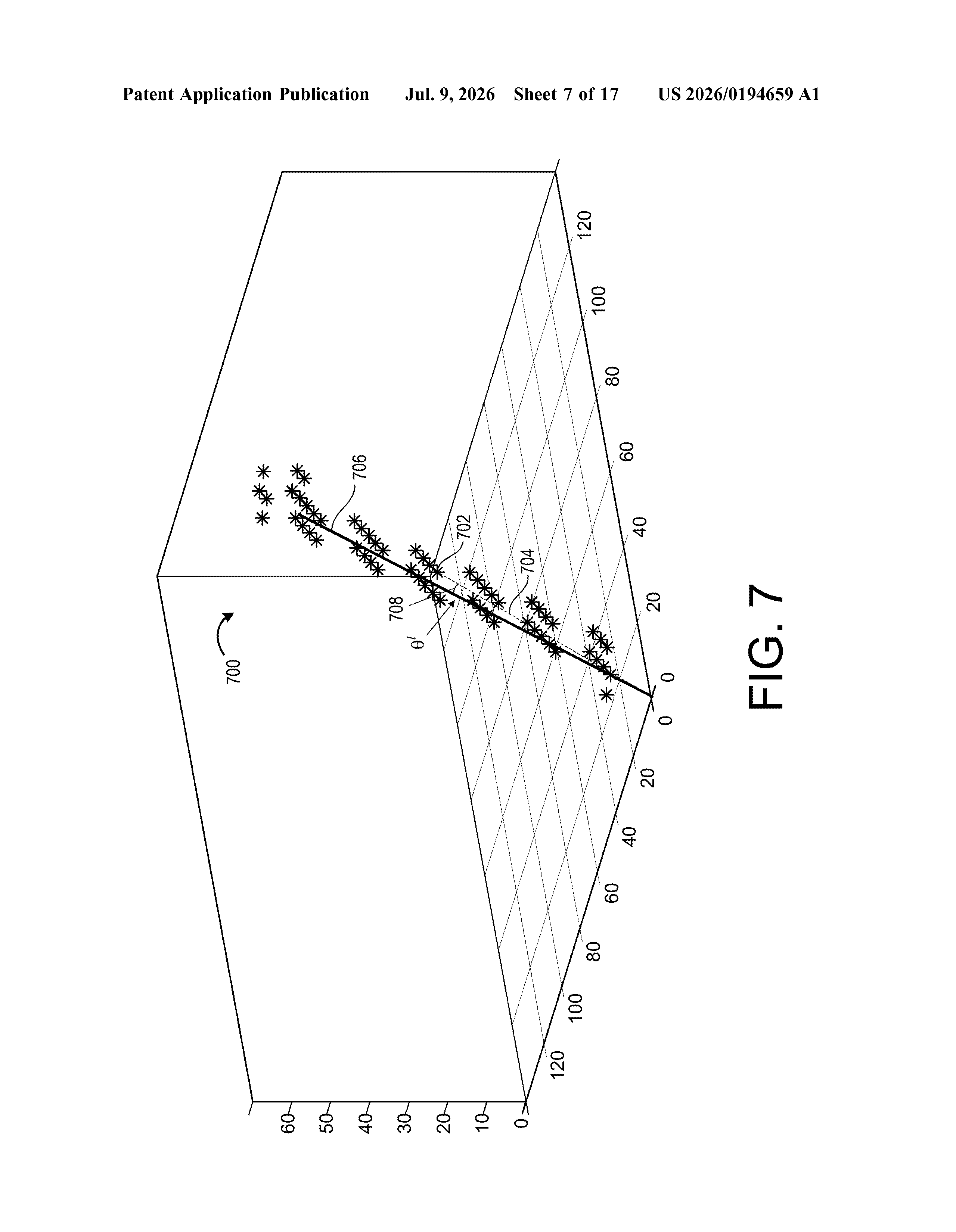
The system then compares the full set of candidate distances across all frequencies and selects the combination with the smallest spread between them (the lowest inter-distance). The logic: if you've picked the right wrap count for each frequency, all the candidates should agree on roughly the same distance.
- Receive phase measurements at multiple modulation frequencies
- Generate candidate distance lines for every possible wrap of each frequency
- Find intersection points between each measured phase and its candidate lines
- Pick the set of intersections with the tightest clustering as the most likely true distance
What this means for depth sensors in real devices
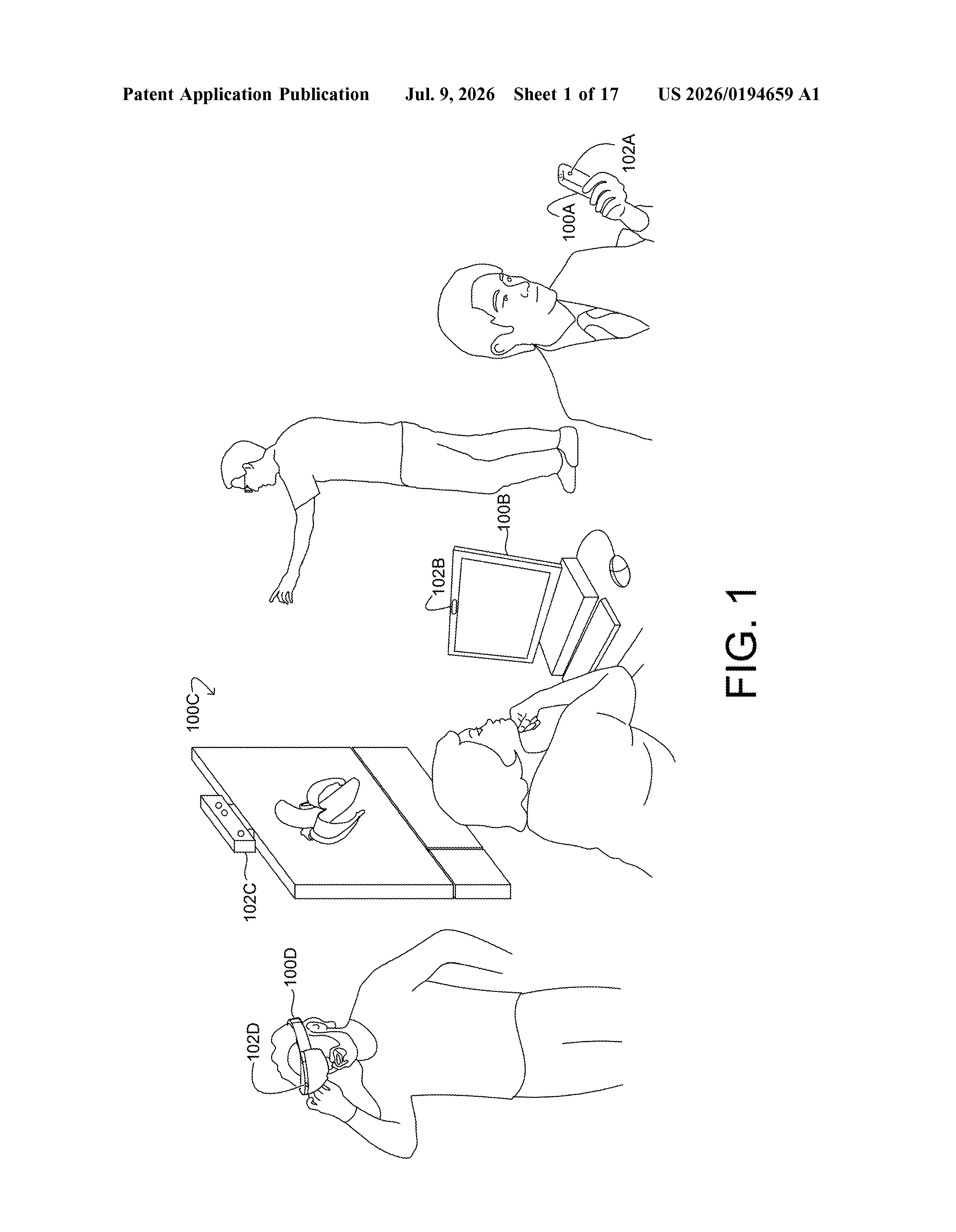
ToF depth cameras are the core sensor in devices like the Microsoft Azure Kinect, augmented-reality headsets, robotics, and gesture-control systems. Phase ambiguity is a known accuracy ceiling for all of them, and solving it in software rather than hardware keeps costs down and works on existing sensor designs.
For you as a user, better phase unwrapping means fewer depth-sensing errors: fewer ghost objects floating in an AR scene, more reliable hand-tracking, and cleaner 3D scans. This is the kind of foundational signal-processing work that rarely gets a product announcement but determines how good the final experience feels.
This is a focused, technically credible patent on a real and well-known problem in depth sensing. It won't make headlines, but phase unwrapping accuracy is a genuine bottleneck for ToF cameras, and Microsoft filing this suggests they're still investing seriously in depth-sensor hardware or platforms that depend on it.
Get our take in your Top Stories
Liked this breakdown? Add Patentlyze as a preferred source on Google, and our plain-English take shows up more often in your Top Stories the next time Microsoft patent news breaks.
There are more where this came from
We read every patent application Big Tech publishes and send you the ones worth knowing. Plain English, free, every week.
The drawings
17 drawing sheets from US 2026/0194659 A1 · click any drawing to enlarge
Want this weekly breakdown for a company we don't cover? Patentlyze Pro →