
IBM Patents a System That Diagnoses Why Edge Networks Start Breaking Down
When a network starts behaving erratically, finding out which device or connection caused the problem is often a painful, manual guessing game. IBM's new patent describes a system that watches how the network changes over time and uses a mathematical stability test to point the finger at the exact culprit.
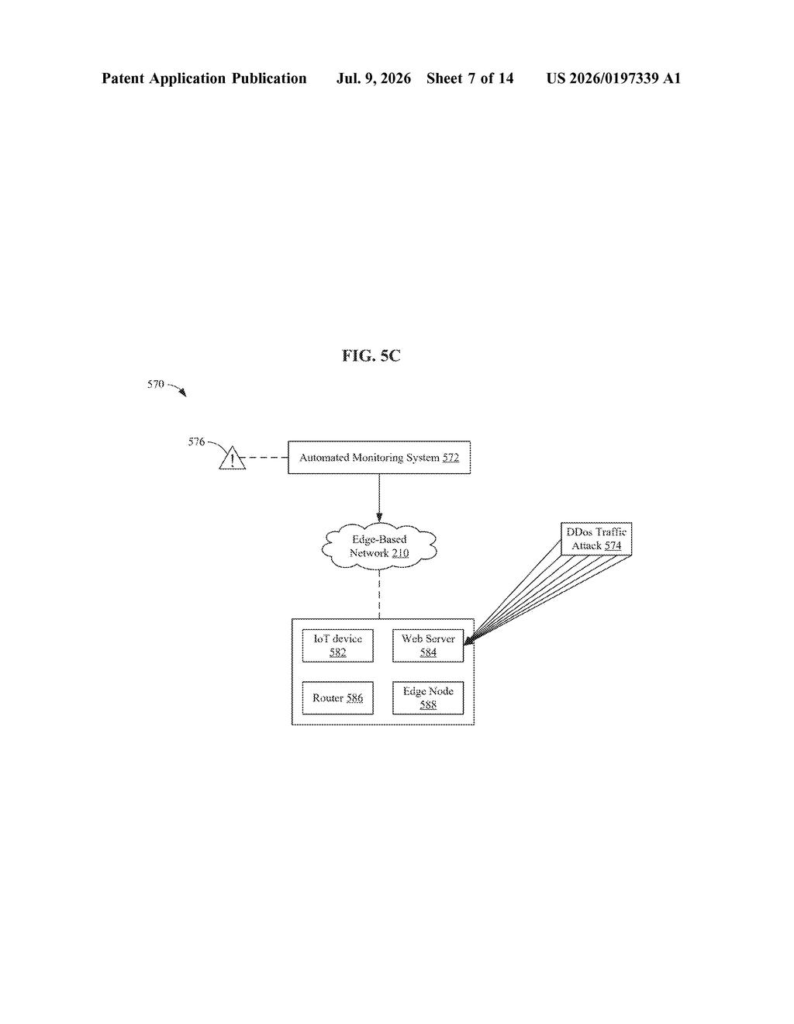
How IBM's network stability tool finds the culprit device
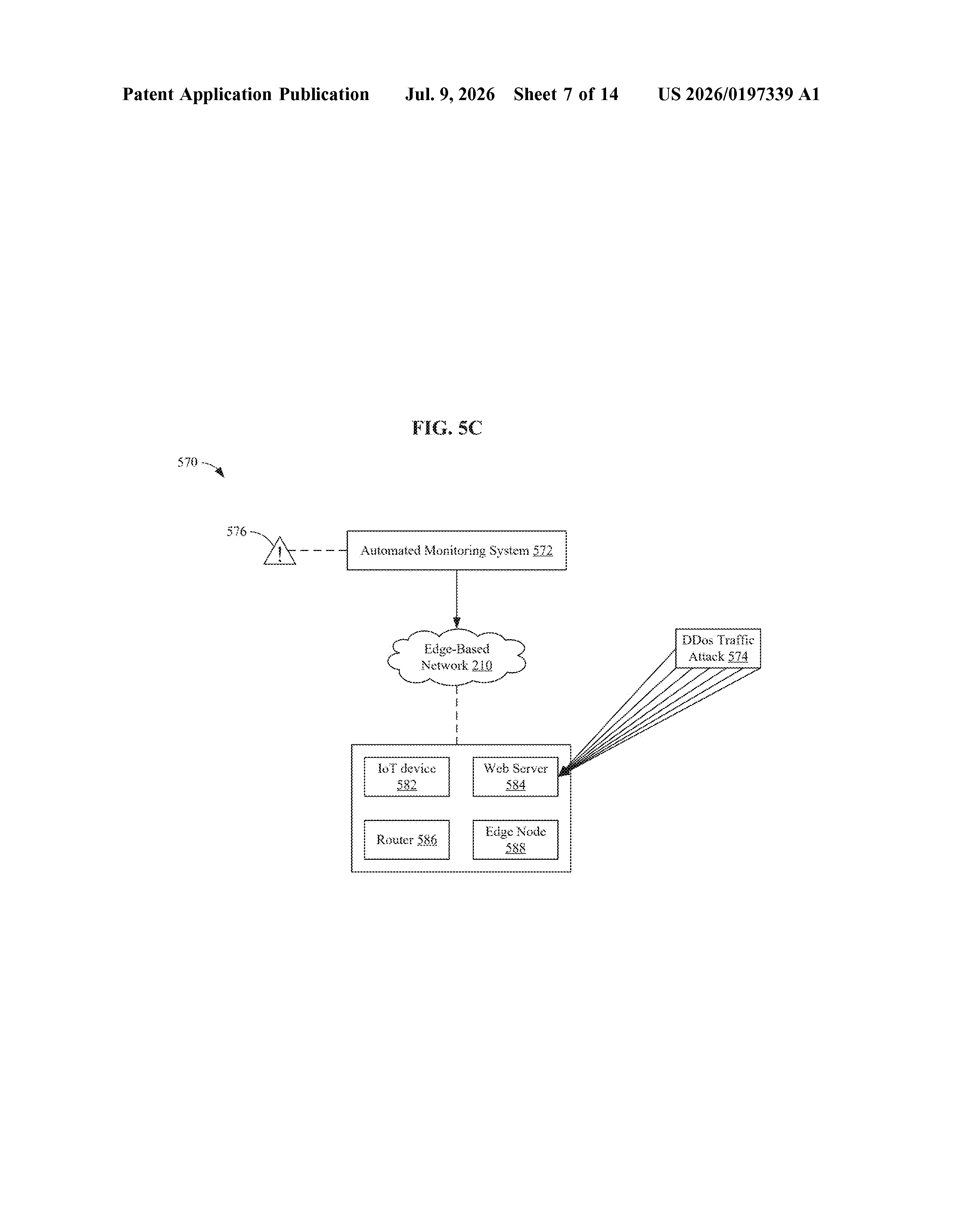
Imagine a hospital running dozens of connected devices on a local network: monitors, sensors, scanners. If things start going wrong, it can take hours to figure out which device or link is the source of the problem. IBM's patent describes a system designed to catch and diagnose that kind of trouble automatically.
The system watches how the network behaves over time, treating each snapshot of the network's condition like a frame in a slow-motion video. It uses a well-established mathematical test, borrowed from physics, to measure whether the network is stable or drifting toward chaos. When it spots a problem, it traces back through those frames to identify which specific device or connection was responsible.
Once it has a diagnosis, the system can output targeted repair instructions rather than just sounding a generic alarm. You get a specific answer, not just a warning light.
How the Lyapunov scalar function scores network state shifts
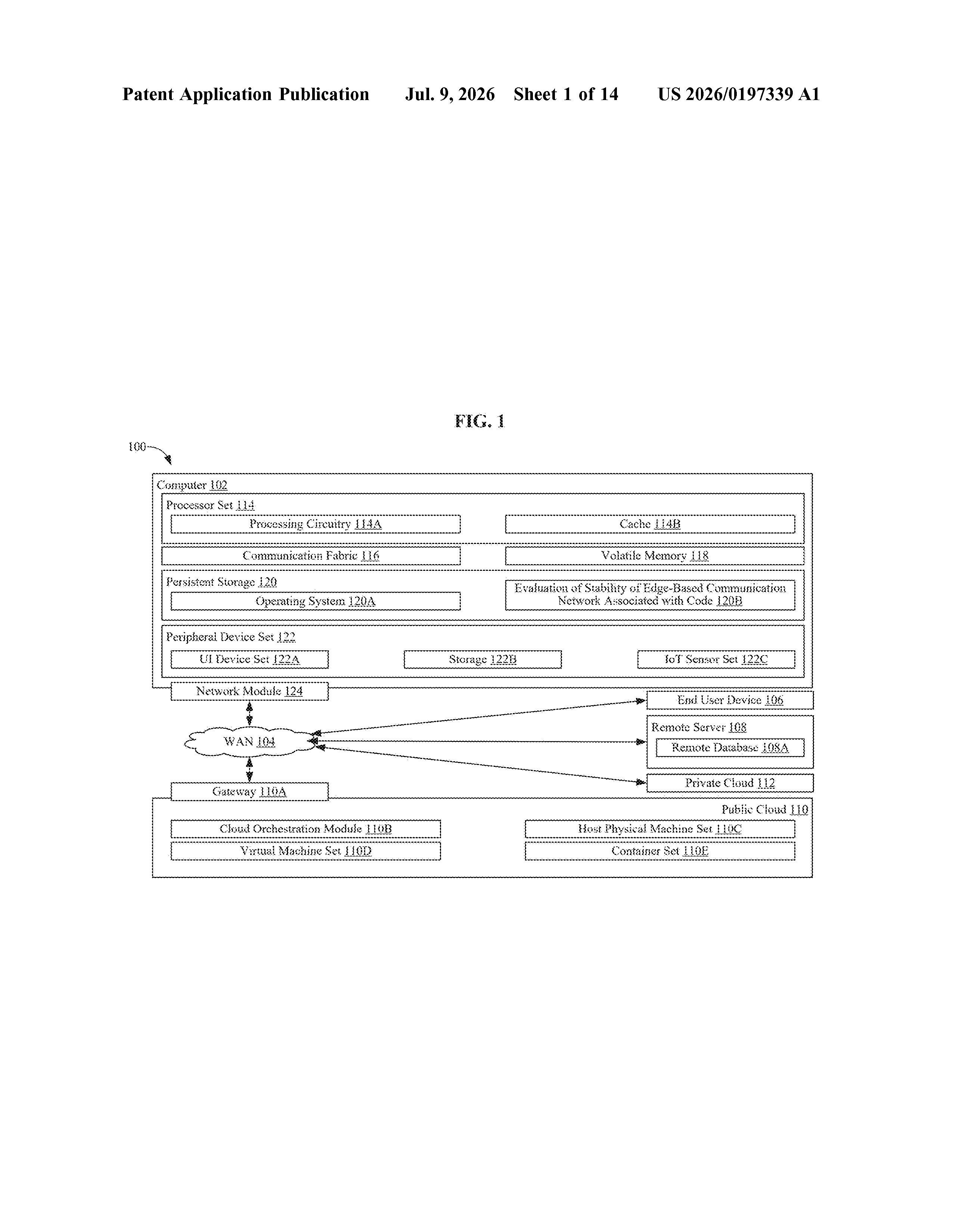
The patent describes a multi-step pipeline for monitoring edge-based networks (local networks of devices that process data close to where it's generated, rather than in a central cloud).
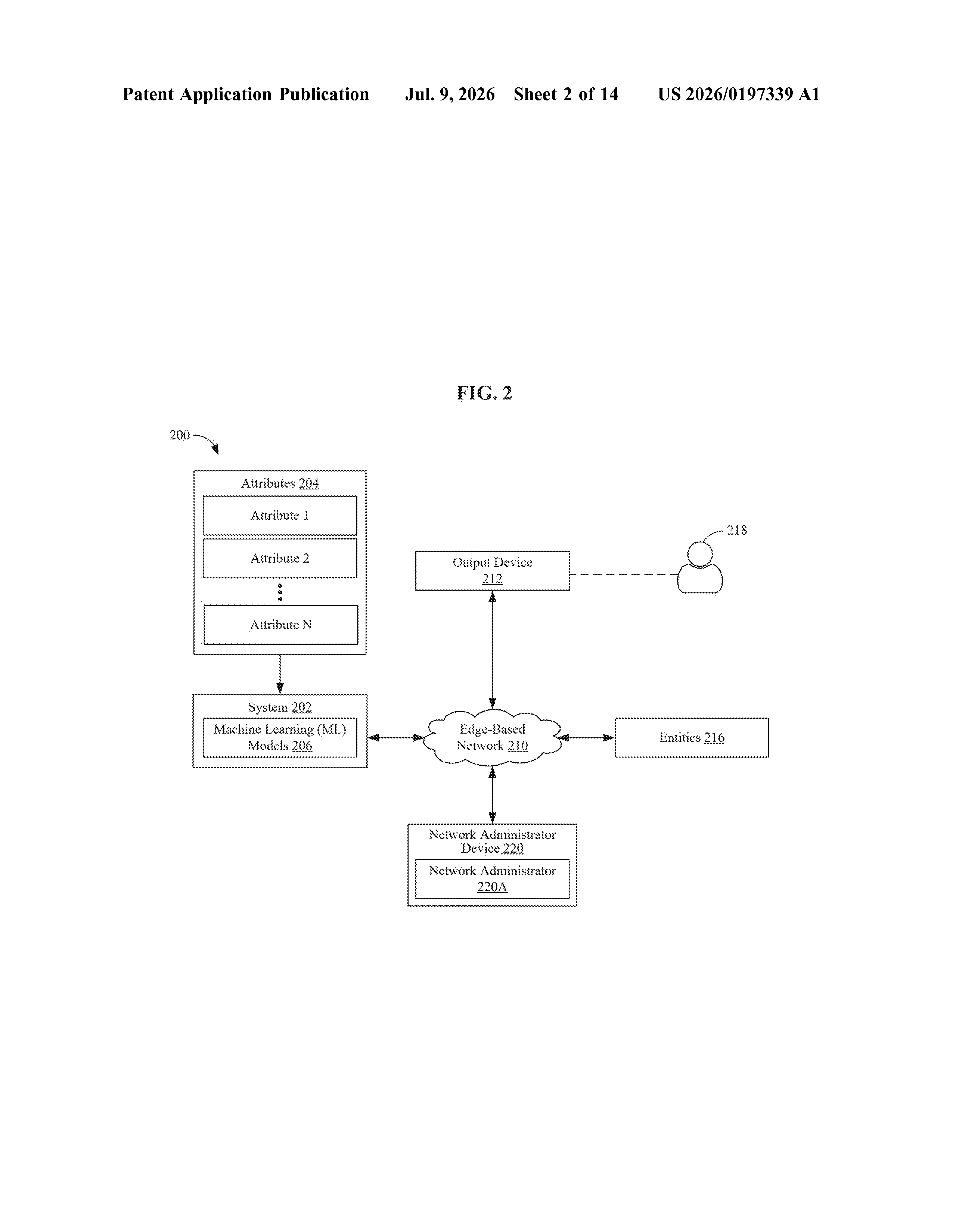
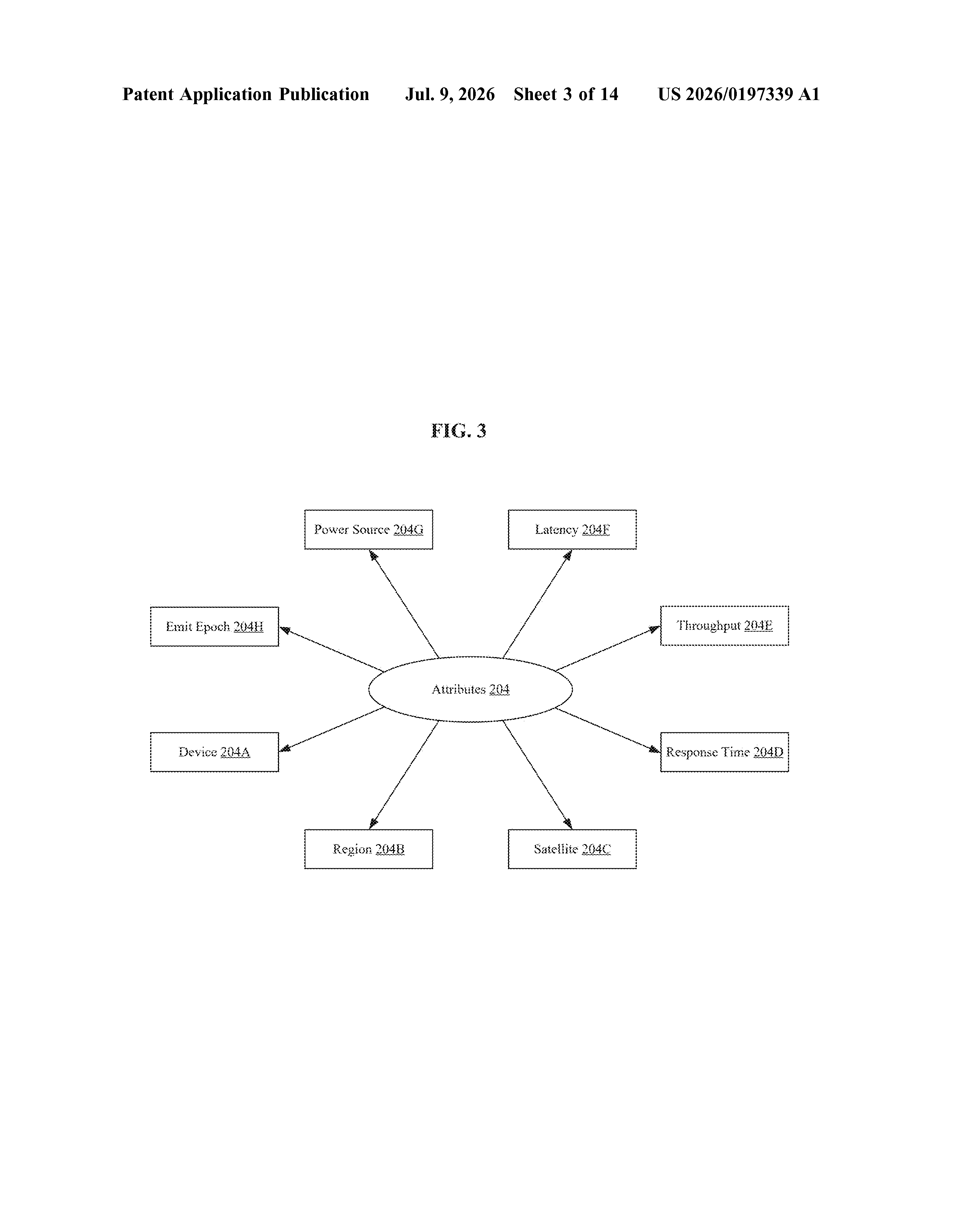
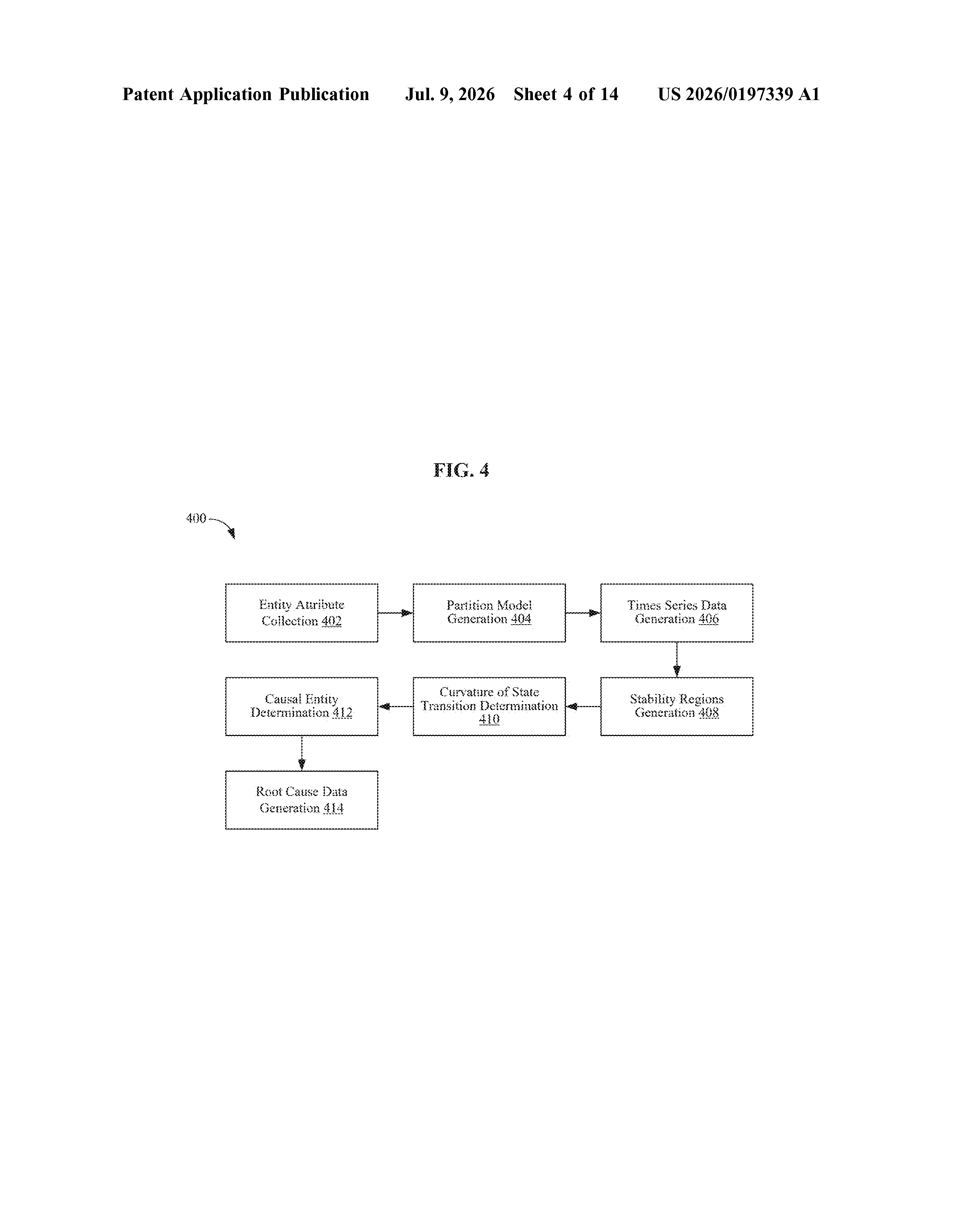
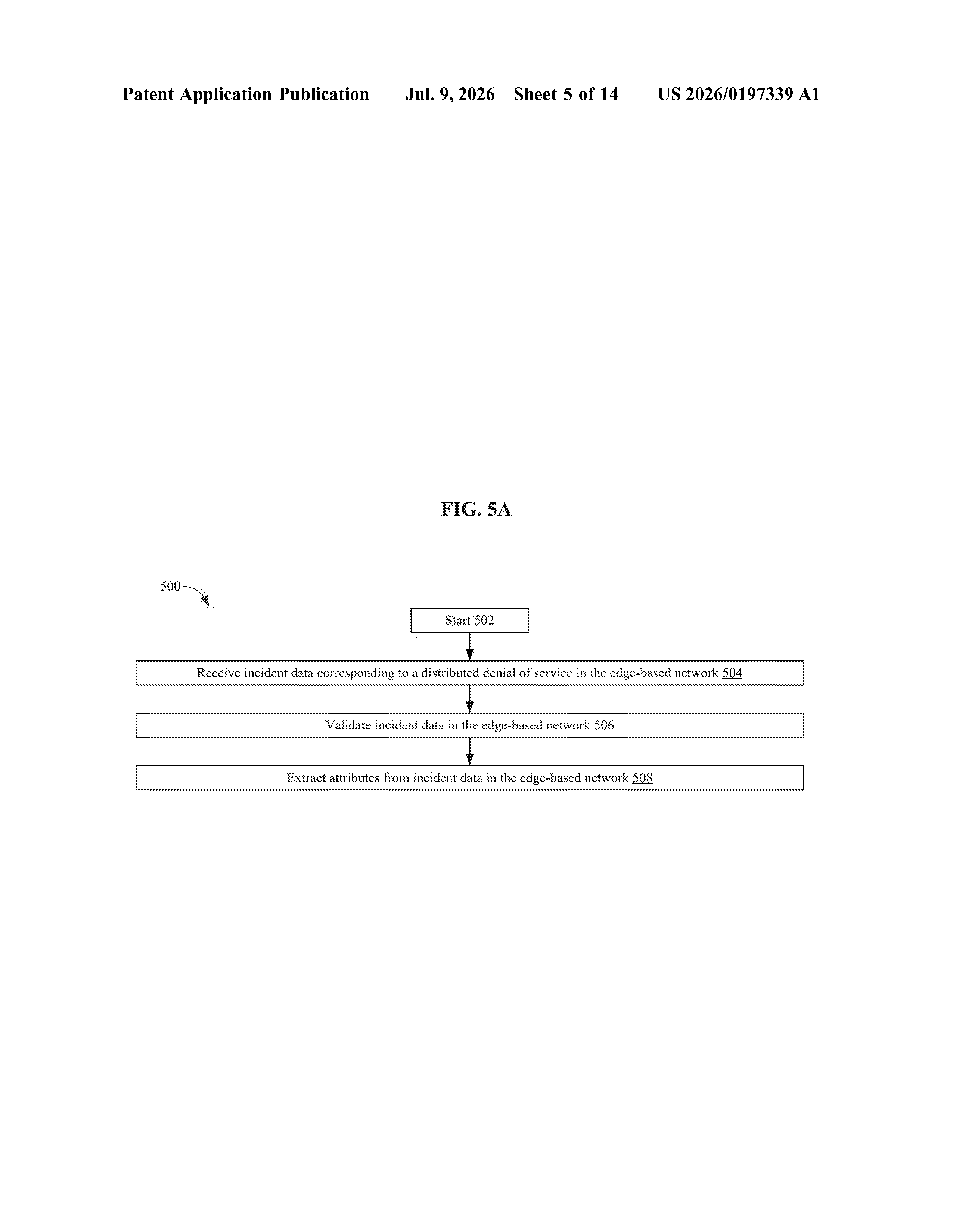
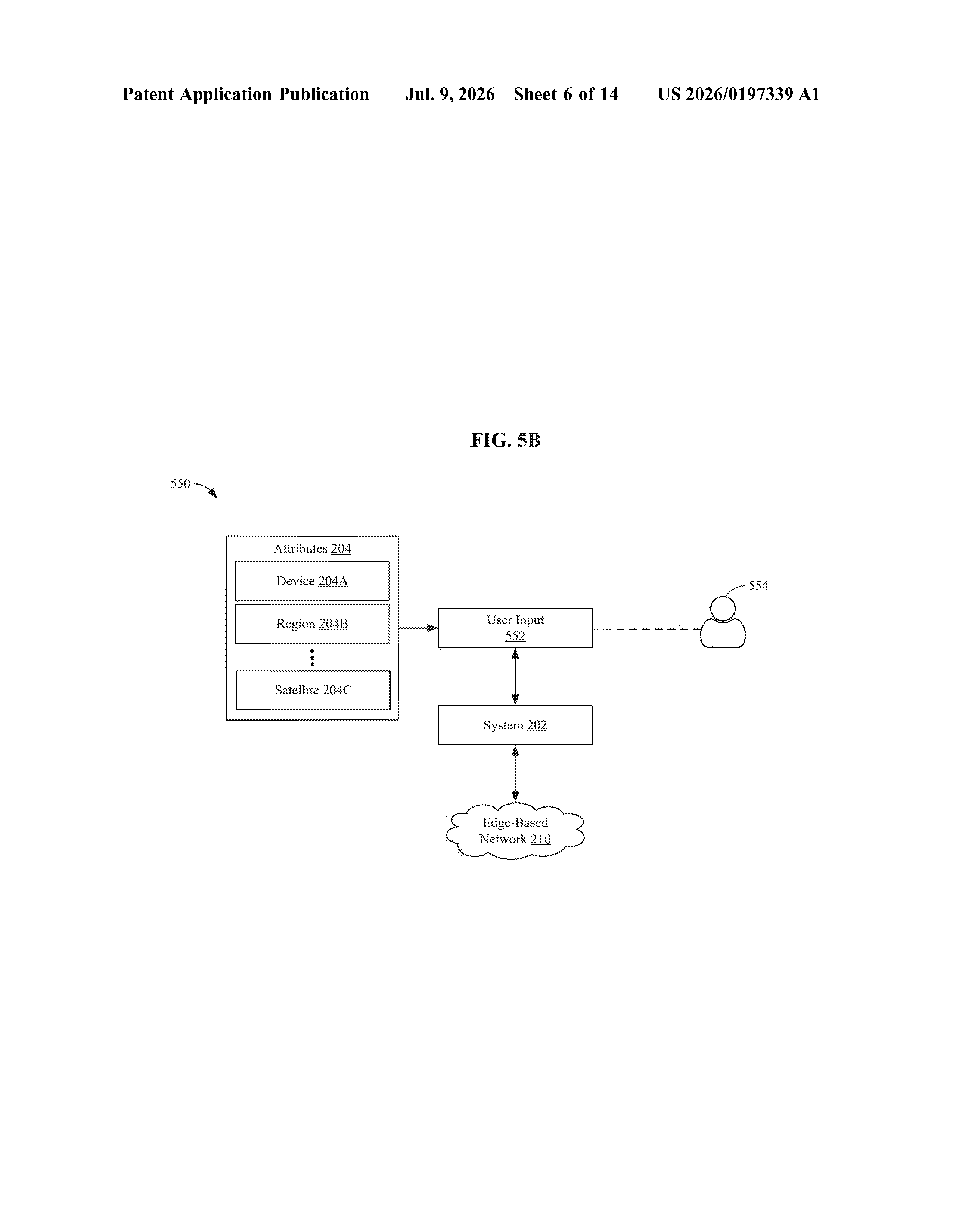
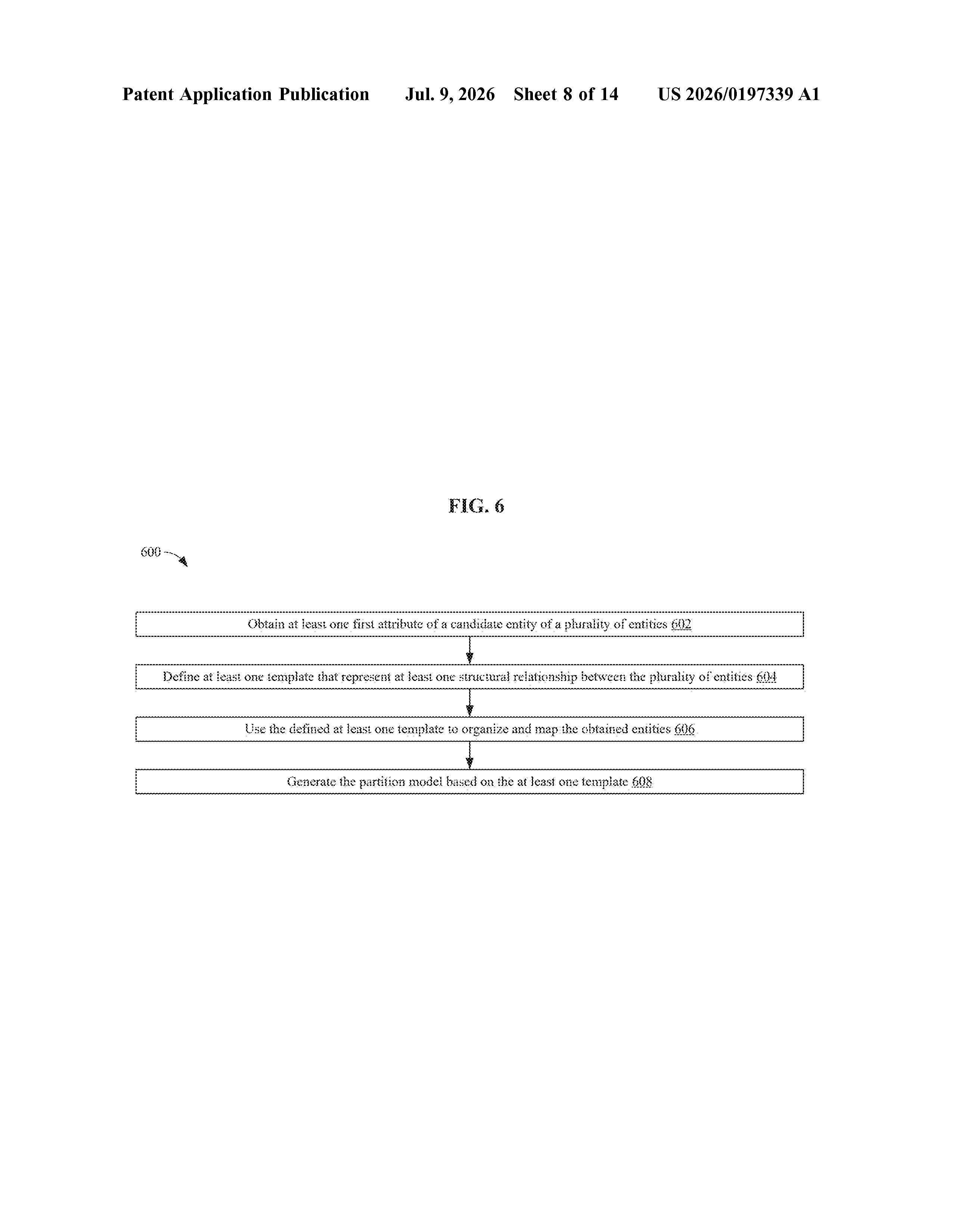
First, the system collects attributes about each device in the network and builds a semantic graph (a map of how devices relate to each other). It then creates a partition model that describes how the network's overall state changes over time as a mathematical function.
From that model, the system generates time-series data (a chronological record of network states, like a health log taken at regular intervals). It then feeds that data through a Lyapunov function, a scalar mathematical tool originally used in control theory to determine whether a dynamic system is stable or spiraling out of control. Each measurement produces a single number indicating how stable the network is at that moment.
The system then analyzes the curvature of state transitions (how sharply the network's condition changed between measurements). A sudden, steep curve signals instability. By tracing which device attributes correlate with those sharp transitions, the system identifies the causal entity, the specific device or link responsible, and generates root cause data plus repair commands.
What this means for factories and hospitals running edge networks
Edge networks are increasingly common in settings where reliability is non-negotiable: factory floors, hospitals, smart buildings, and telecommunications infrastructure. Traditional network monitoring tools are good at detecting that something has gone wrong, but weak at explaining why. IBM's approach tries to turn that diagnosis from a manual investigation into an automated one.
The use of Lyapunov stability analysis is notable because it's a principled mathematical framework, not just a heuristic alert threshold. That said, the patent's real value depends entirely on how well the partition models reflect real-world network behavior. If the models are accurate, this could meaningfully cut the time between a network problem starting and a fix being applied.
This is solid, unglamorous infrastructure work aimed squarely at enterprise and industrial customers who run local device networks and need faster root-cause analysis. It's not a consumer-facing idea, and it's not trying to be. The Lyapunov function angle is genuinely interesting from an engineering standpoint, but the patent's value will live or die on implementation quality, not the concept itself.
There are more where this came from
We read every patent application Big Tech publishes and send you the ones worth knowing. Plain English, free, every week.
The drawings
14 drawing sheets from US 2026/0197339 A1 · click any drawing to enlarge
Want this weekly breakdown for a company we don't cover? Patentlyze Pro →
Be the first to weigh in