
IBM
IBM · AI / ML · Filed Jan 6, 2025 · USPTO published Jul 9, 2026 · Jul 9 release
IBM Patent Cuts Inference Short Once a Single Answer Is Confirmed
What if an AI could recognize that it already knows the answer and just stop thinking? IBM is patenting exactly that shortcut, built around a concept borrowed from neuroscience called the 'grandmother neuron.'
- Publication number
- US 2026/0195575 A1(US20260195575A1)
- Applicant
- INTERNATIONAL BUSINESS MACHINES CORPORATION
- Filed · Published
- Jan 6, 2025 · Jul 9, 2026
- Inventors
- ANDREW CHRISTIAN MORRELL HICKS, JEFFREY WILLOUGHBY, KHAALID PERSAUD JUGGAN MCMILLAN
- Status when we published
- Waiting for an examiner
- Document
- 25 claims
- US classification
- 706/15
How IBM teaches an AI to quit while it's ahead
Imagine you're playing a word-association game and the very first clue is so specific that you know the answer instantly. There's no need to hear the rest of the clues. IBM is applying that same logic to AI.
When an AI model processes something, like identifying an image or answering a question, it normally runs the input through many layers of calculations before producing an answer. IBM's patent describes a way to detect when a single internal signal fires that has always meant the same answer, with zero exceptions, during the AI's training. When that signal fires, the system skips the remaining steps and returns the answer immediately.
These special signals are called grandmother neurons, a term from brain science referring to a hypothetical neuron that fires only when you see your grandmother's face. In IBM's version, if that neuron lights up, the AI already knows what it's looking at. No need to keep processing.
How the grandmother neuron triggers an early exit
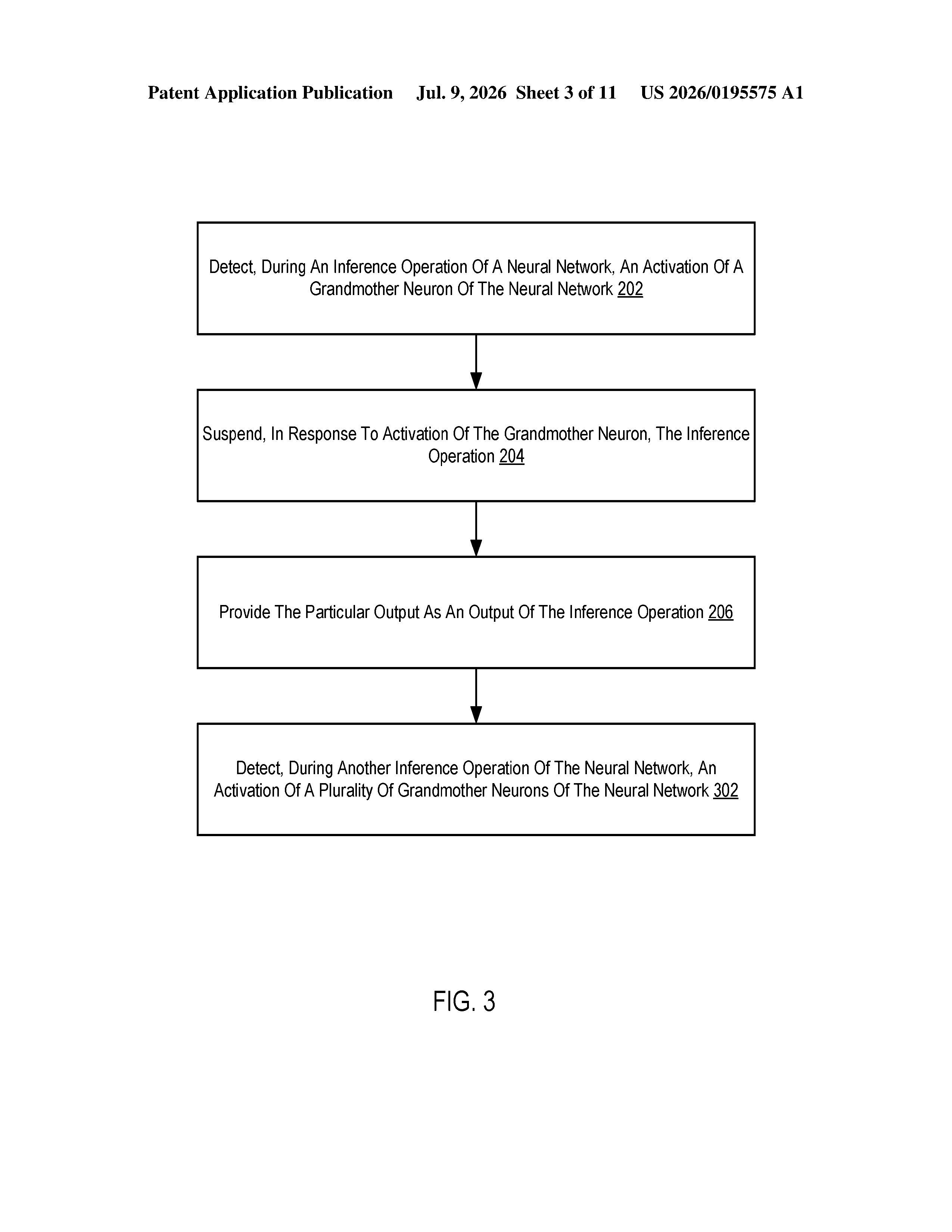
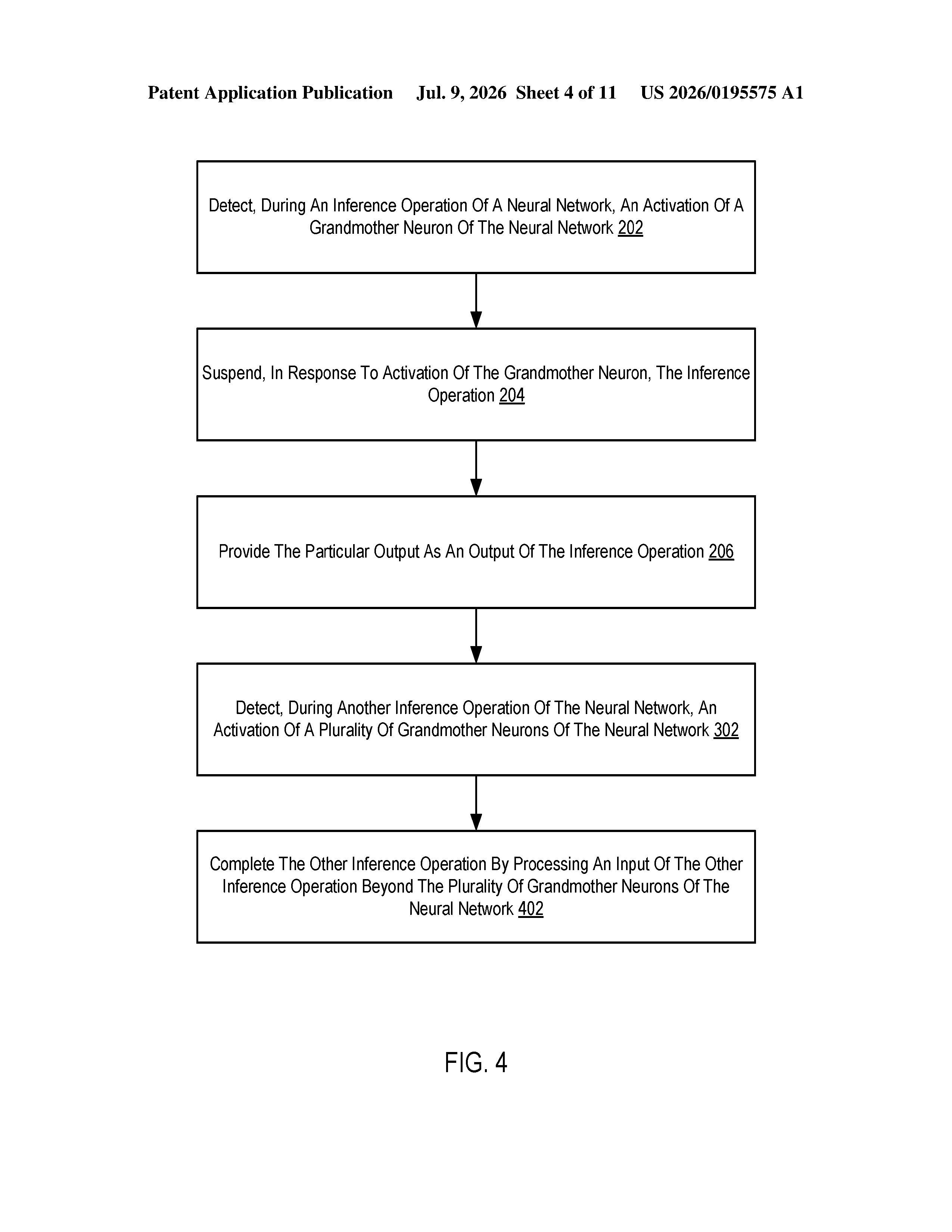
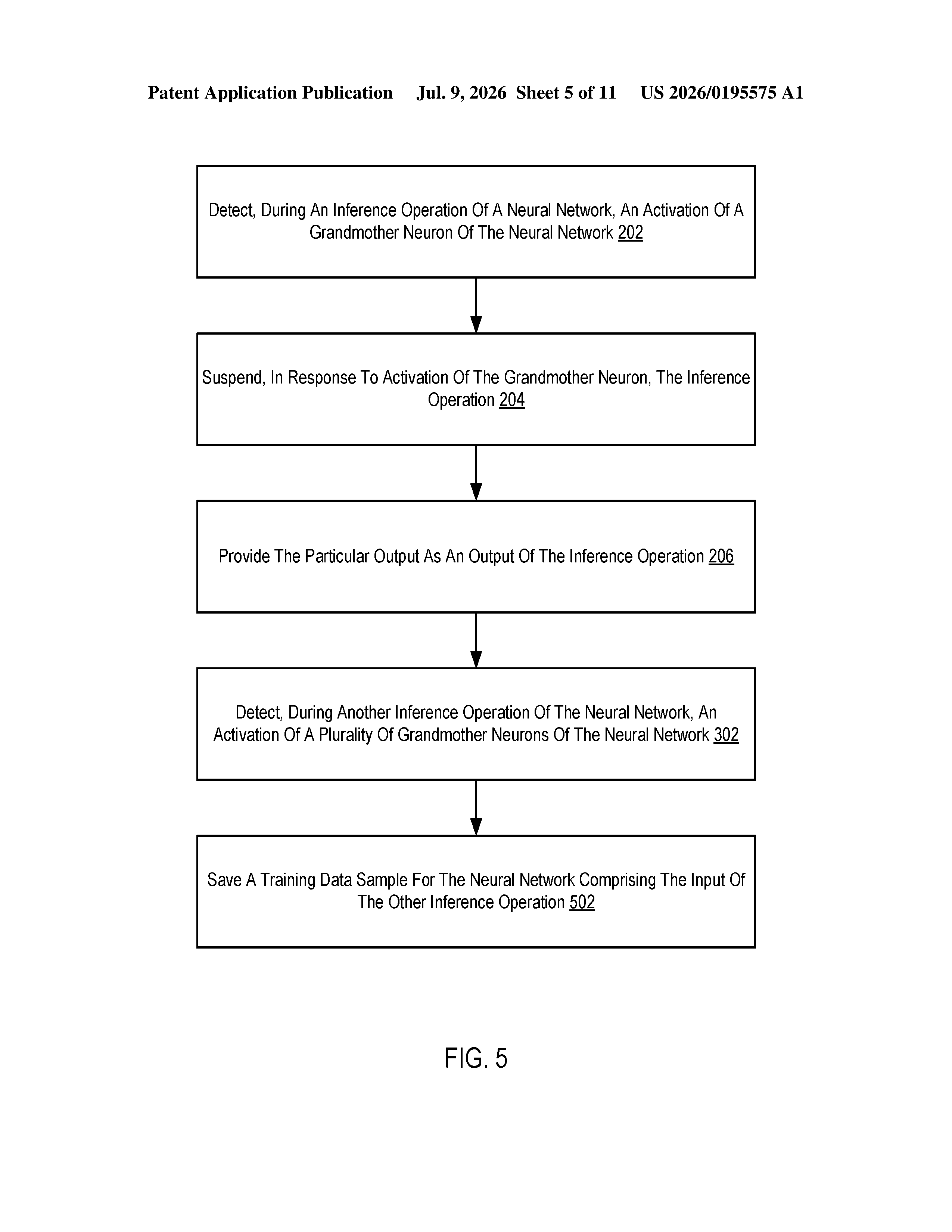
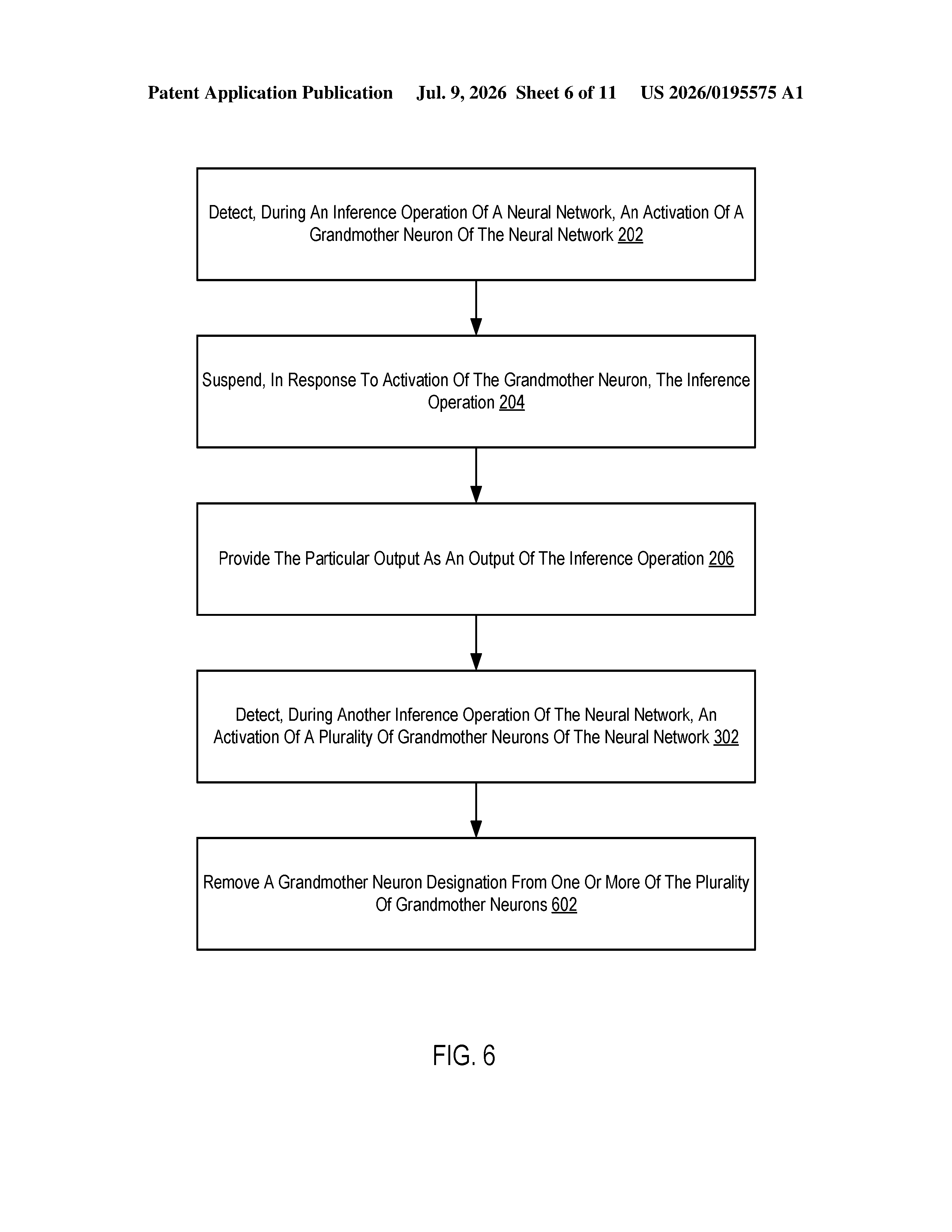
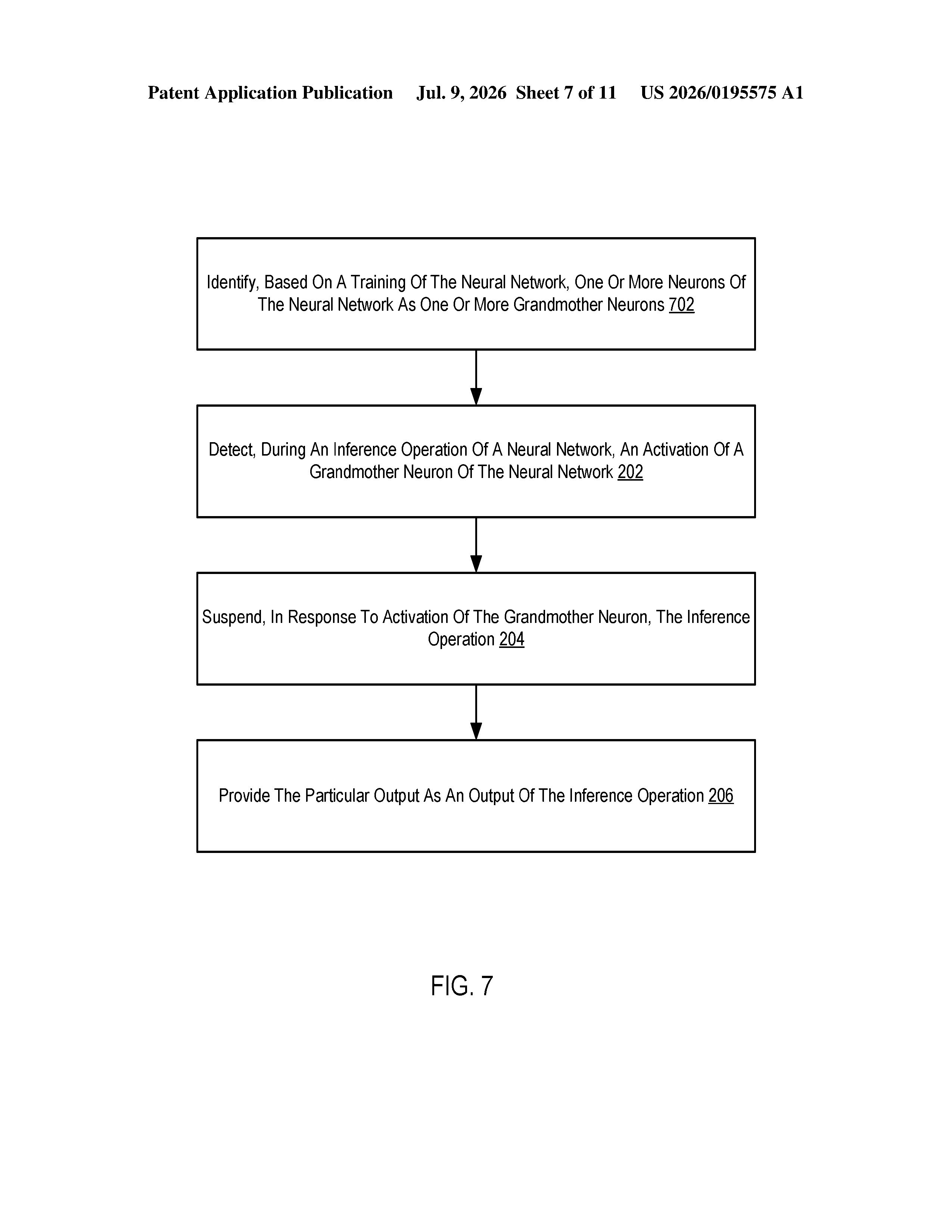
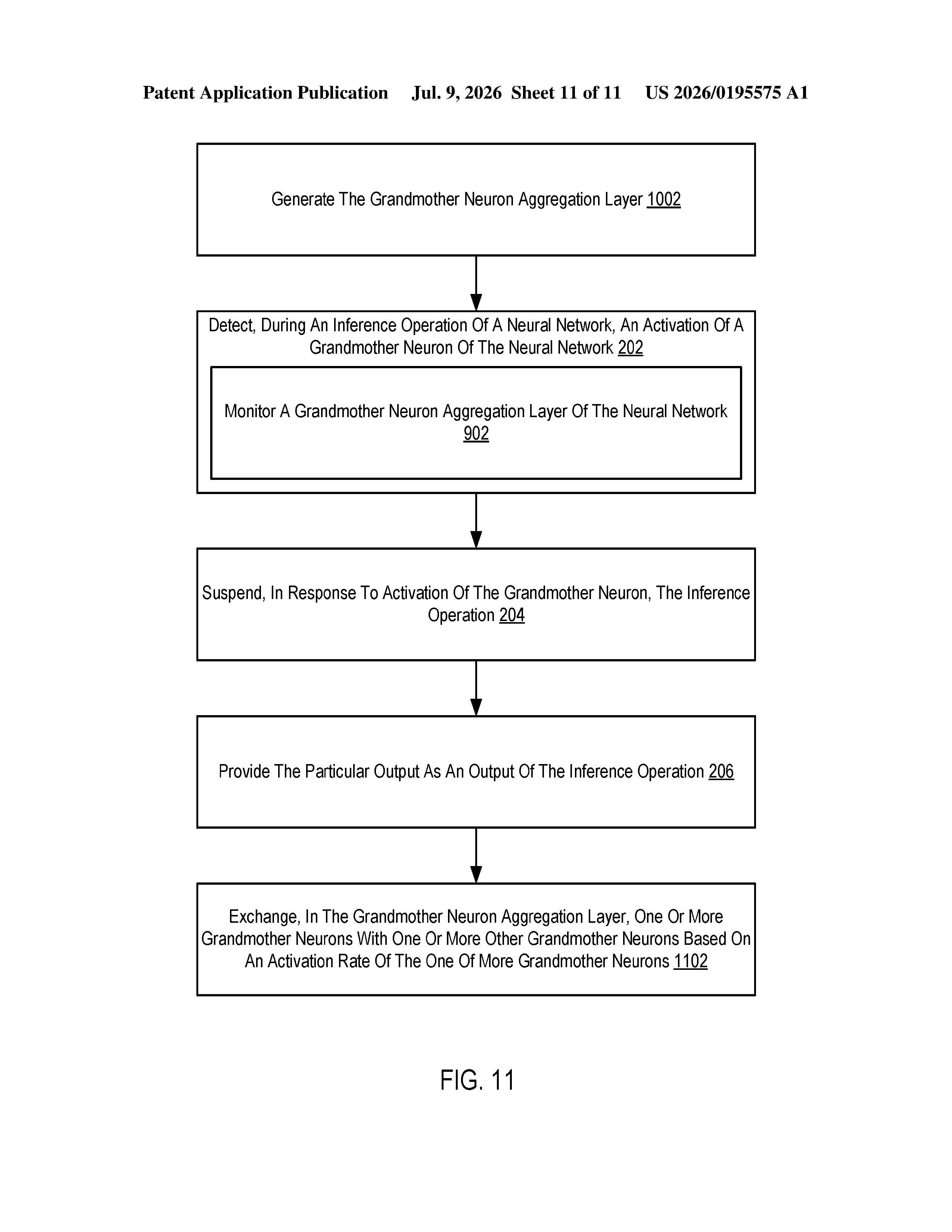
The patent describes a method for early exit inference in neural networks, triggered by what IBM calls a grandmother neuron. During a neural network's training phase (when it learns from data), researchers identify neurons that fire exclusively for one specific output and never for any other. These are the grandmother neurons.
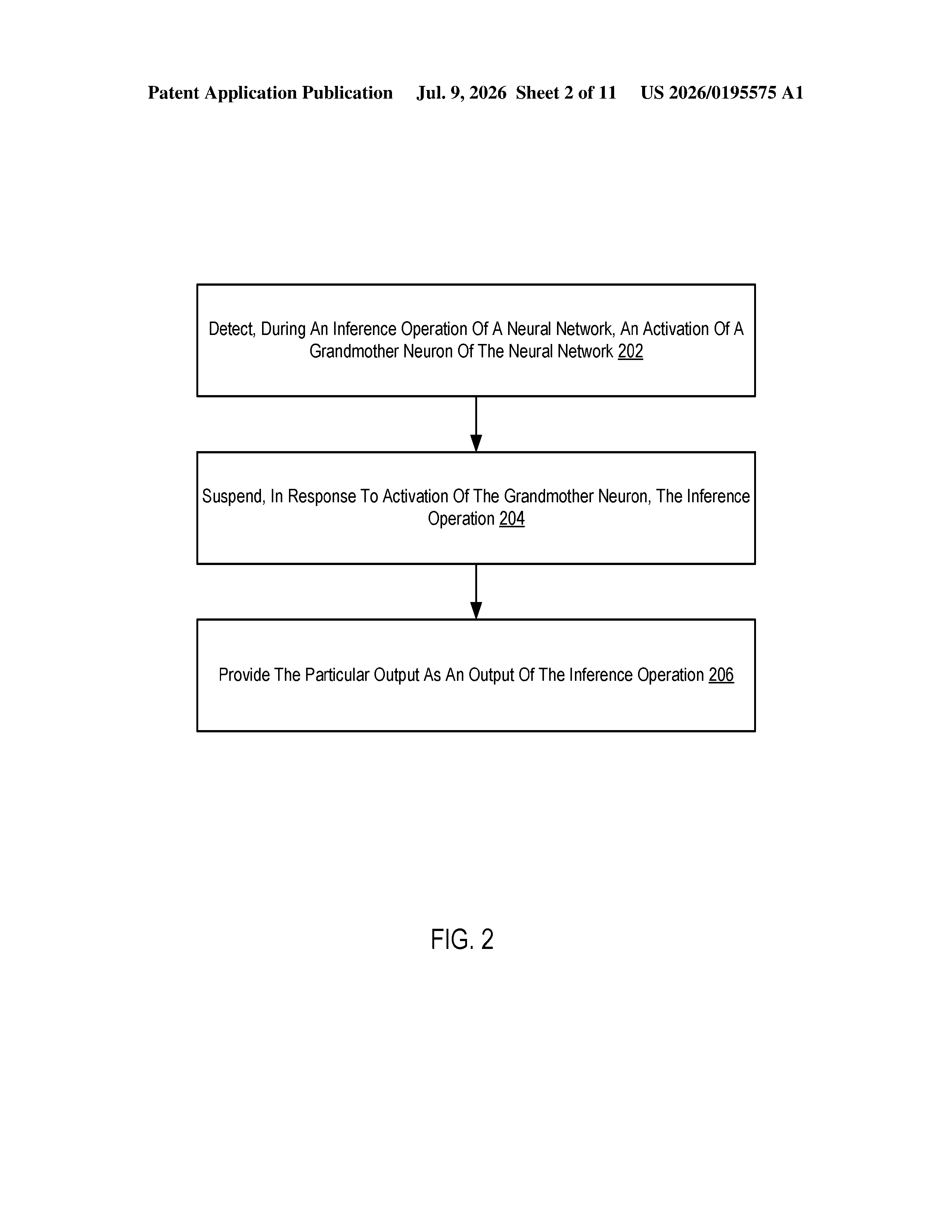
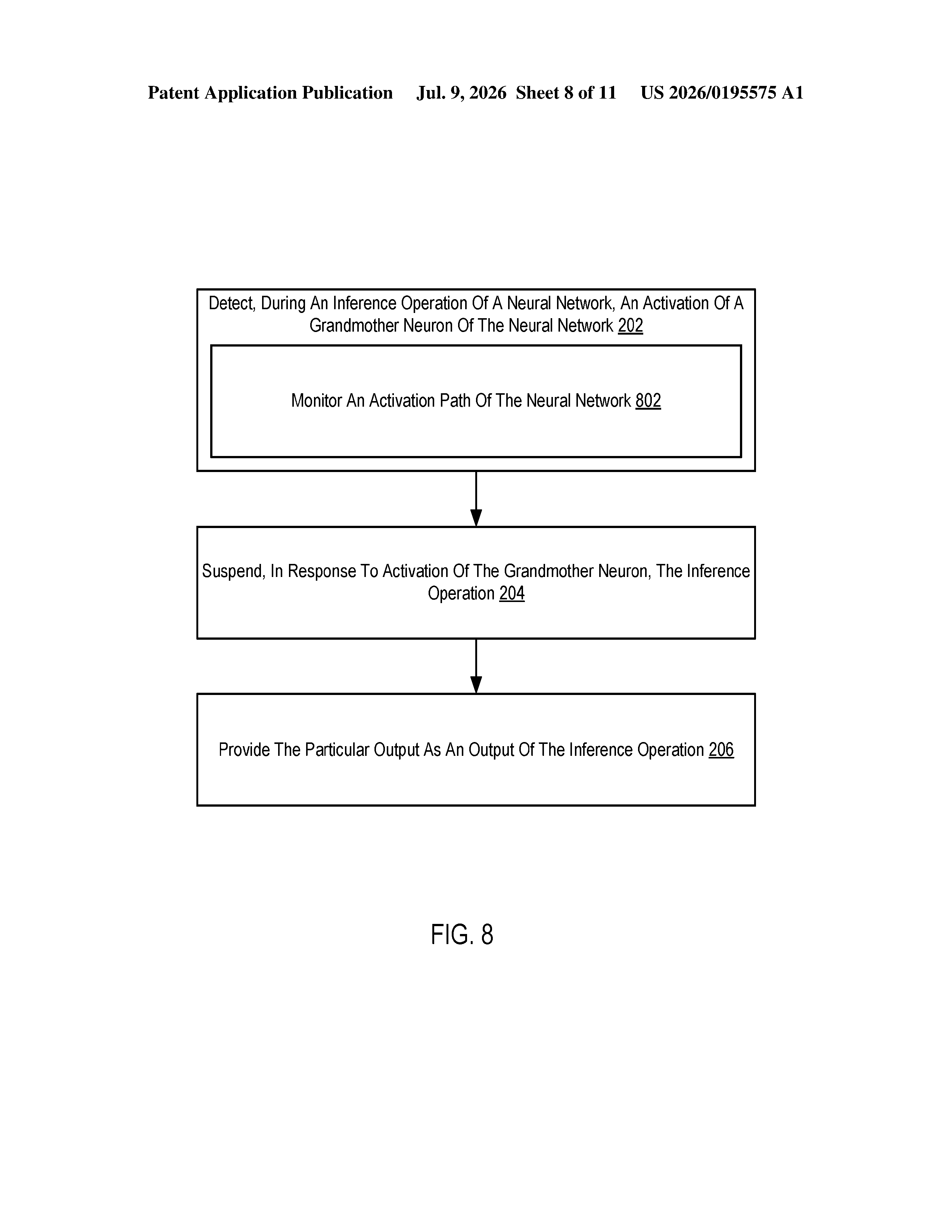
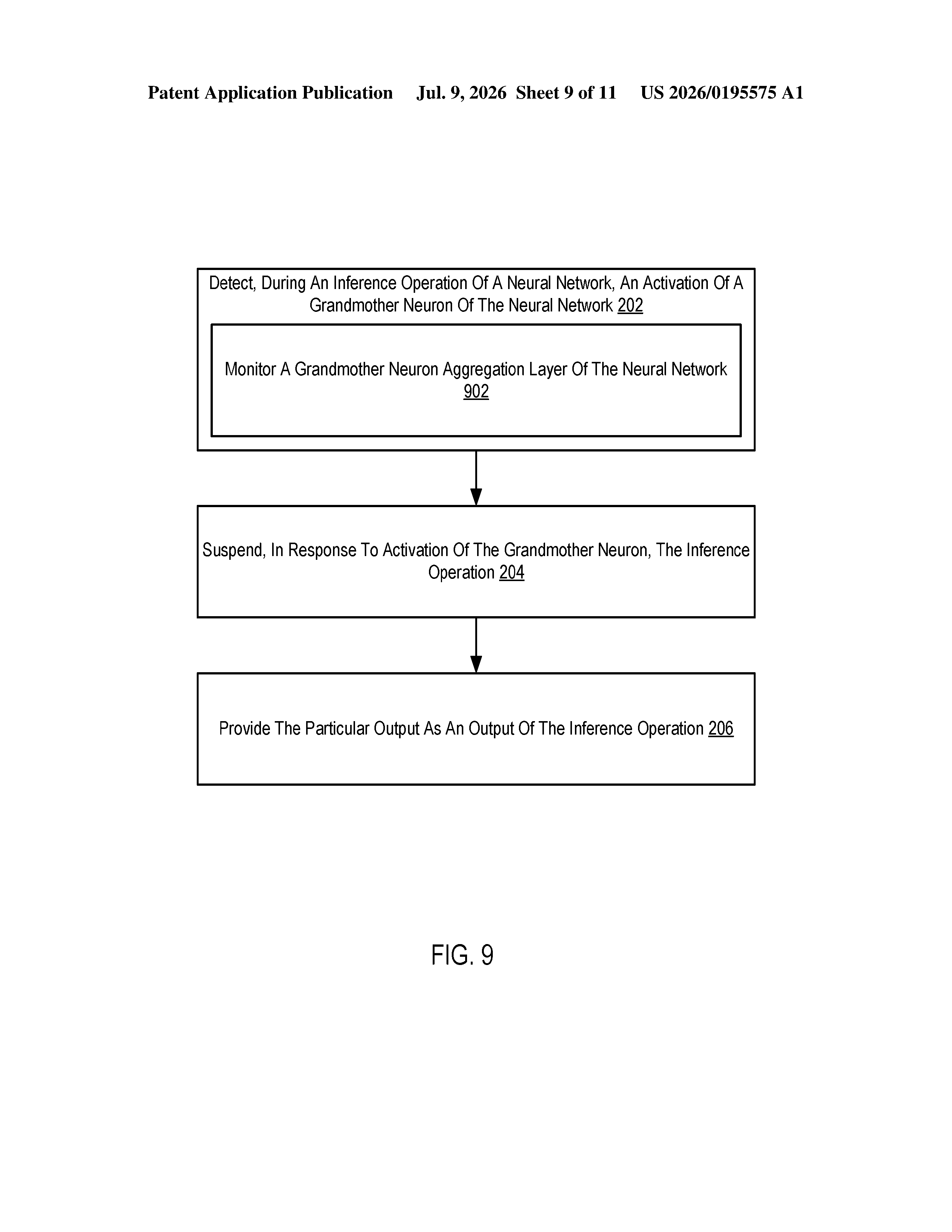
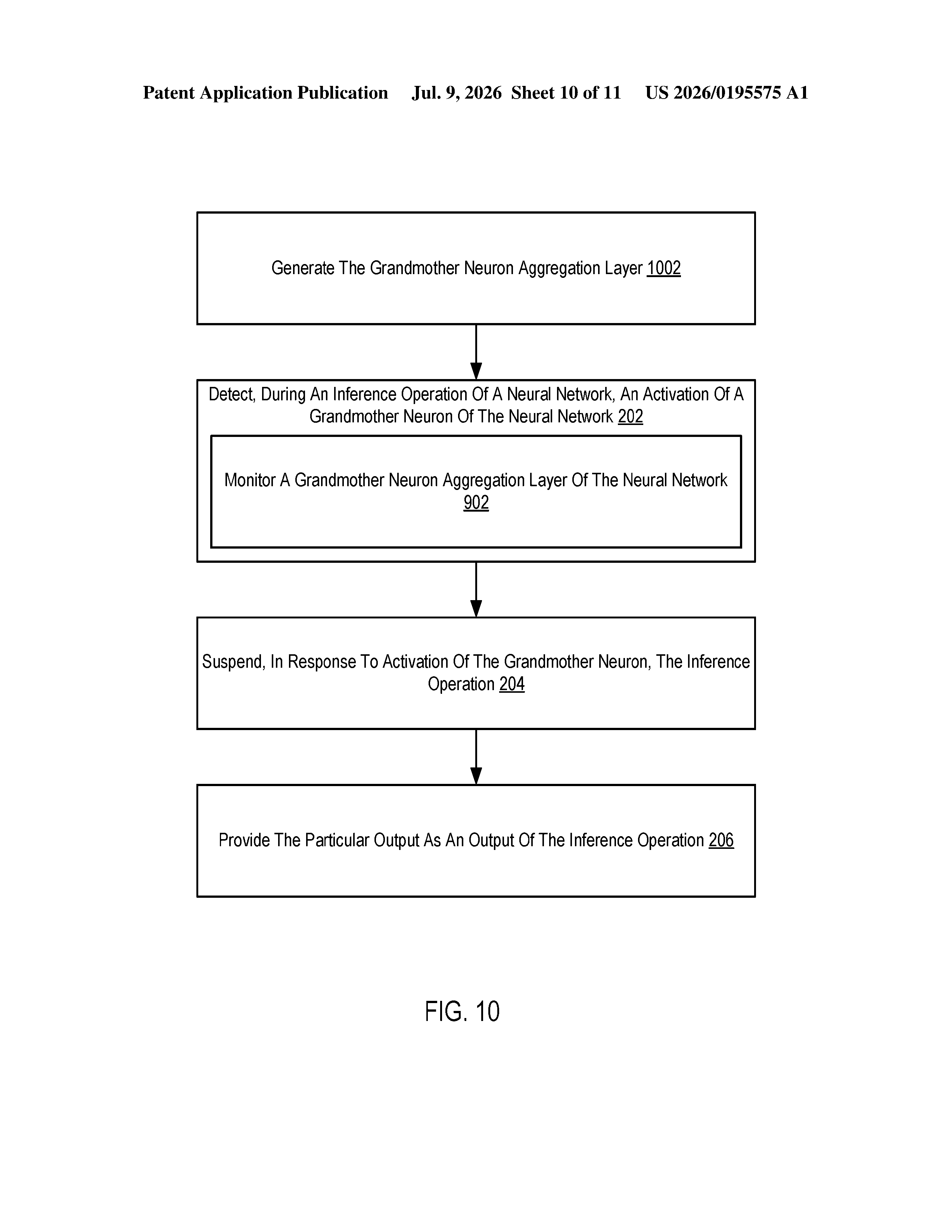
Once the model is deployed and running in the real world (the inference phase, where it's actually making decisions), the system monitors for those neurons to activate. The steps are:
- The network begins processing an input normally, layer by layer.
- If a grandmother neuron fires mid-process, the system pauses all further calculation.
- The output that neuron exclusively represents during training is returned immediately as the final answer.
This works because the grandmother neuron's activation is, by definition, a perfect predictor of that output. There is no ambiguity to resolve. The patent also covers detecting these neurons in the first place, using training data to verify that a neuron's activation pattern is truly exclusive to one output before tagging it as a grandmother neuron.
The concept is most useful for inputs that fall into a category the model knows extremely well, where running the full network is pure overhead.
What early AI exit means for compute costs and speed
Neural network inference is expensive. Running a large AI model on a server costs money per query, and on a device like a phone or an embedded chip it drains power. Any technique that legally skips work the model doesn't actually need to do has real commercial value. IBM's approach doesn't require retraining the model or changing its architecture. It layers on top of an existing trained network, which makes it relatively easy to apply broadly.
The practical limits matter, though. Grandmother neurons only exist for outputs the model encountered very consistently during training, so this shortcut won't fire on ambiguous or unusual inputs. For high-volume, well-defined classification tasks, such as spam detection, defect recognition in manufacturing, or medical image screening for common conditions, the savings could add up fast.
Source: US 2026/0195575 A1 at the USPTO (PDF). Full patent text and figures are in the official publication.
Get our take in your Top Stories
Liked this breakdown? Add Patentlyze as a preferred source on Google, and our plain-English take shows up more often in your Top Stories the next time IBM patent news breaks.
Add Patentlyze on Google
One click.
There are more where this came from
We read the new patents from Big Tech, carmakers and more and send you the ones worth knowing. Plain English, free, every week.
The drawings · 11 sheets
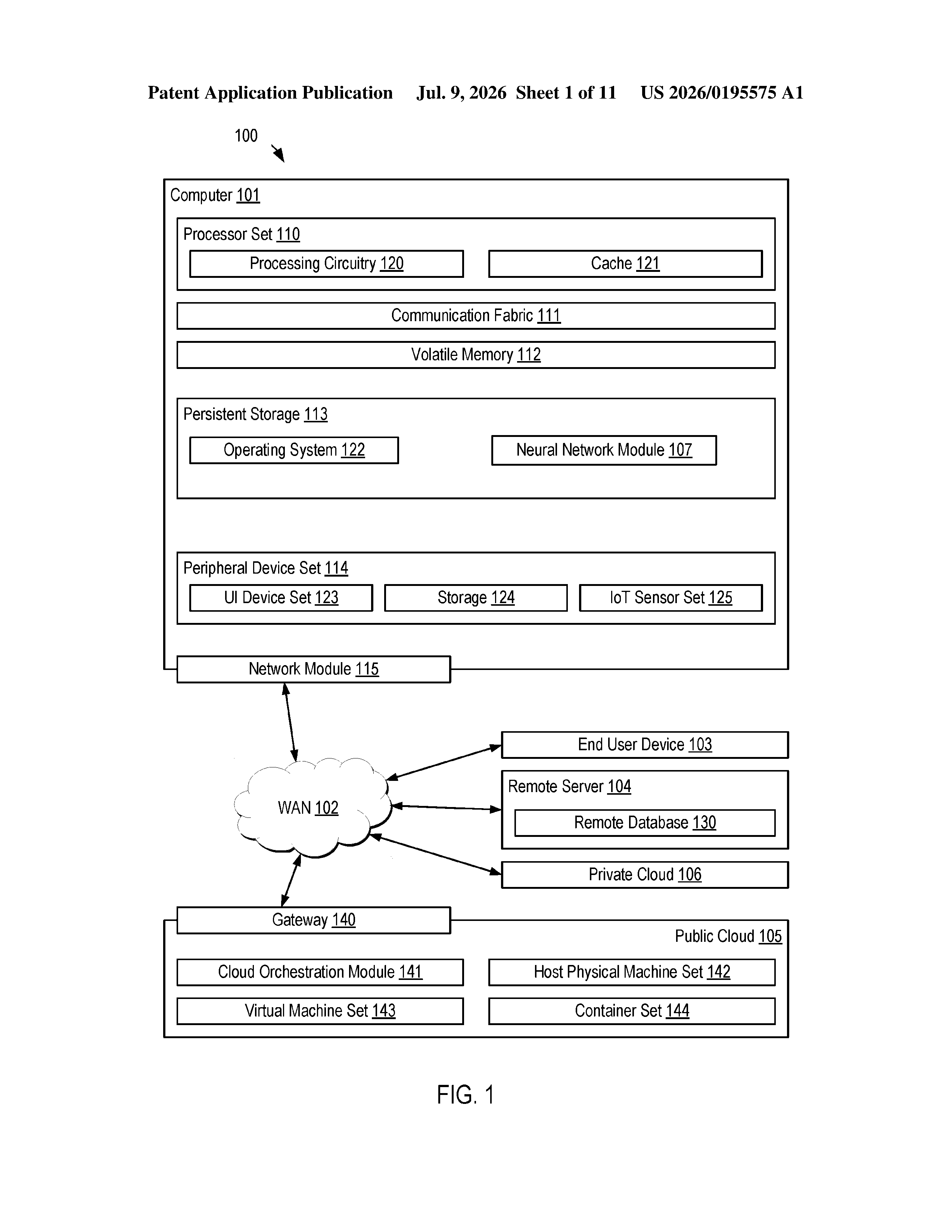
11 drawing sheets from US 2026/0195575 A1 · click any drawing to enlarge
Show the other 3 sheets
More from IBM
All 481 IBM patents →
More in AI vision
All 352 AI vision patents →
Amazon
Amazon Patent Gives Home Robots Spatial Memory to Track and Map Belongings
Disney
Disney Patent Uses Visual AI to Spot Ride Malfunctions Before They Occur
Disney
Disney Patents an AI That Tracks Live Shows Scene by Scene to Trigger Effects
Google