
Apple Files Patent for Finding the Next Wi-Fi Hotspot Before Your Connection Drops
Every time your phone silently switches from one Wi-Fi access point to another in your office or home, there's a brief moment of searching that can drop calls or stall video. Apple's new patent tries to eliminate that pause before it starts.
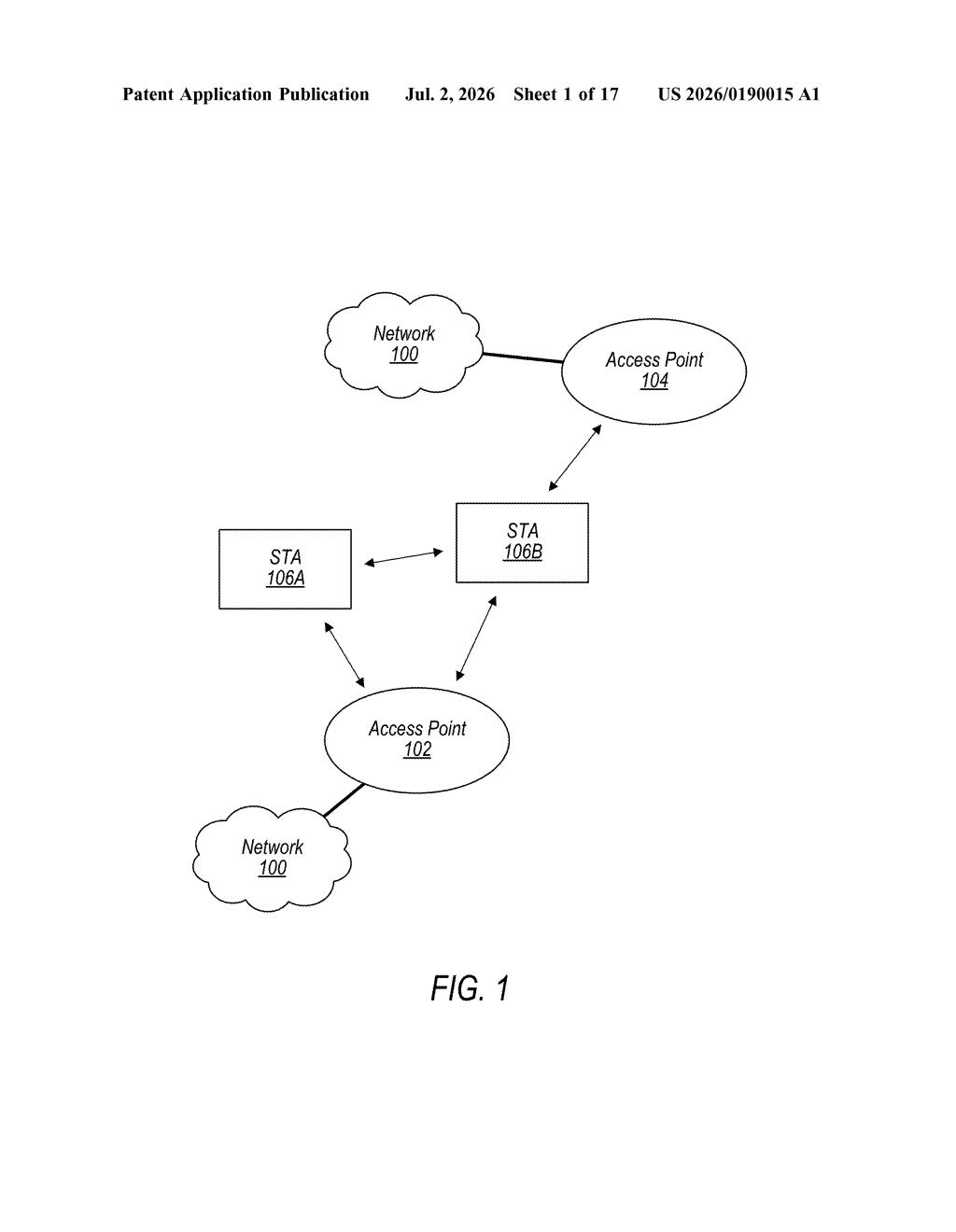
What Apple's Wi-Fi roaming discovery actually does
Imagine you're on a video call at work, walking from a conference room to your desk. Your phone is connected to one Wi-Fi router, but as you move, it needs to switch to a closer one. Right now, your device often doesn't know where the next router is until it's already lost a good signal, which can cause brief stutters or drops.
Apple's patent describes a way for your device to ask its current router: 'Hey, can you tell me about other access points nearby?' The router answers with a list, so your device already knows where to go before the signal gets weak. The conversation uses a specific type of Wi-Fi management message that Apple is proposing to repurpose for this scouting job.
The goal is that you never notice the switch at all. Your call stays clear, your file keeps downloading, and your device handles the whole handoff in the background.
How the query-and-response handoff protocol works
The patent describes a two-message exchange built on top of an existing Wi-Fi protocol mechanism called BSS Transition Management (BTM), which is part of the 802.11 Wi-Fi standard and is already used to nudge devices toward better access points.
Currently, BTM is mostly used by access points to tell a device to move. Apple's patent flips the direction: the device can now ask for information first. Specifically:
- The device sends a BTM Query frame to its current access point, with a flag indicating this is an 'AP discovery' request, not a standard roaming suggestion.
- The access point responds with a BTM Request frame that includes either a success status plus a list of nearby access points, or a failure status if no useful data is available.
The discovery information returned can include details like signal strength estimates or network identifiers for nearby access points, giving the device what it needs to plan a handoff proactively rather than reactively. The patent covers both the device side and the access point side of this exchange, as well as the framing of the new 'AP discovery' indicator inside existing Wi-Fi management messages.
What this means for Wi-Fi on your Apple devices
Wi-Fi roaming has always been a weak spot in wireless networking, especially in enterprise offices, large homes with mesh networks, and crowded venues. Most devices today roam reactively, meaning they only look for a new access point after the current one degrades, which causes the brief drops you might notice on calls or streaming video.
If Apple builds this into iPhones, Macs, and AirPods, users in multi-access-point environments could see noticeably cleaner handoffs. It also signals Apple is investing in the Wi-Fi protocol layer itself, not just hardware antennas, which could give its devices an edge in environments where competitors' products still stumble.
This is quiet infrastructure work, but the kind that actually shows up in everyday experience. Wi-Fi roaming is one of those problems most people blame on 'bad Wi-Fi' without realizing their device is just slow to look for a better option. A proactive scouting mechanism is a sensible fix, and reusing existing BTM message types rather than inventing new protocol overhead is a clean engineering choice.
There are more where this came from
We read every patent application Big Tech publishes and send you the ones worth knowing. Plain English, free, every week.
Want this weekly breakdown for a company we don't cover? Patentlyze Pro →
Be the first to weigh in