
Intel Files Patent for Sharing AI Models Across 5G Network Analytics Systems
When one part of a 5G network has already done the hard work of training an AI model, why should another part build the same thing from scratch? Intel's latest patent tries to answer that question.
What Intel's 5G AI model sharing actually does
Imagine your phone company's network is a massive organization with dozens of departments, each crunching data to keep your calls clear and your video streams smooth. Right now, if two departments each need the same AI model to do their jobs, they might each build one independently, wasting time and computing power.
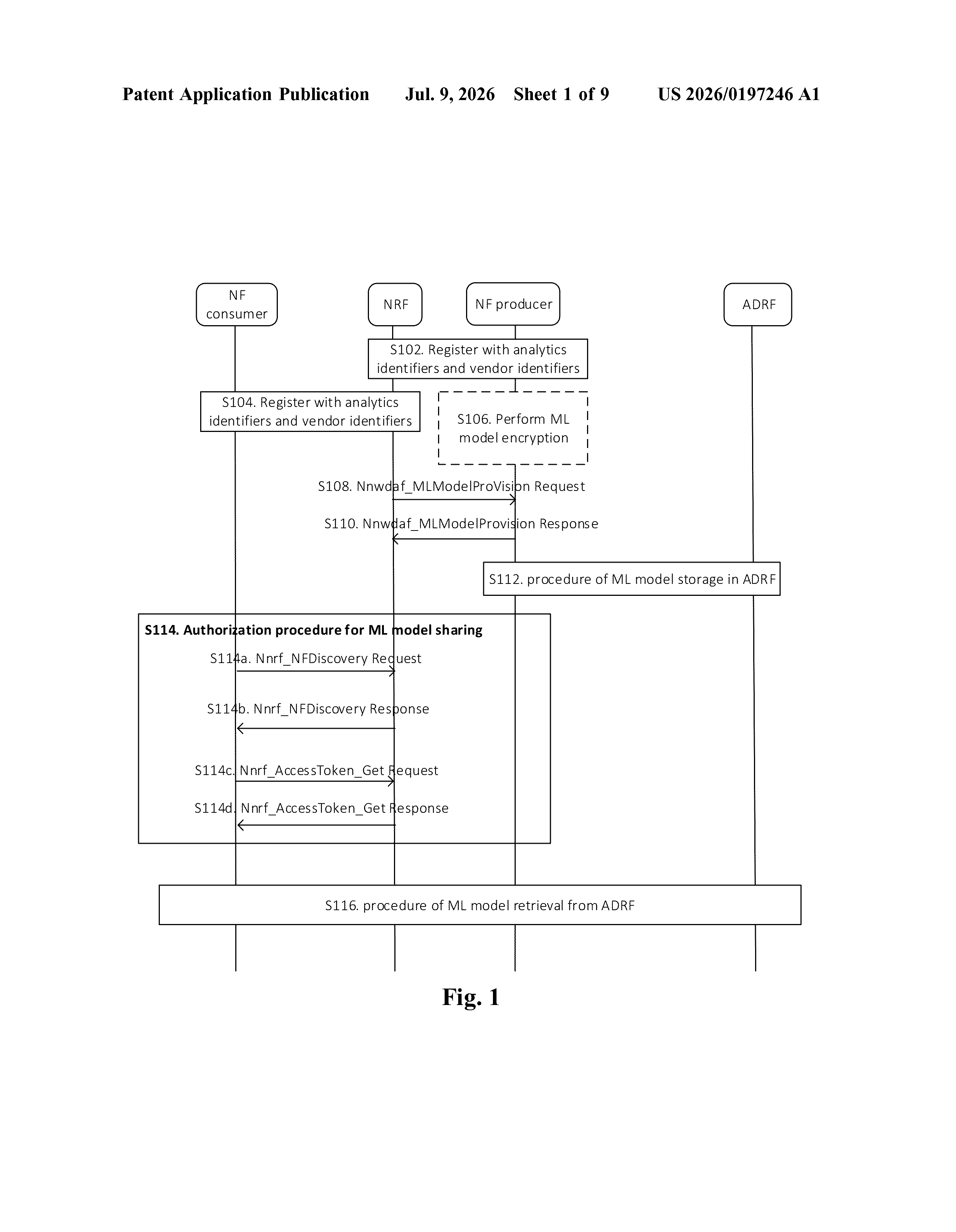
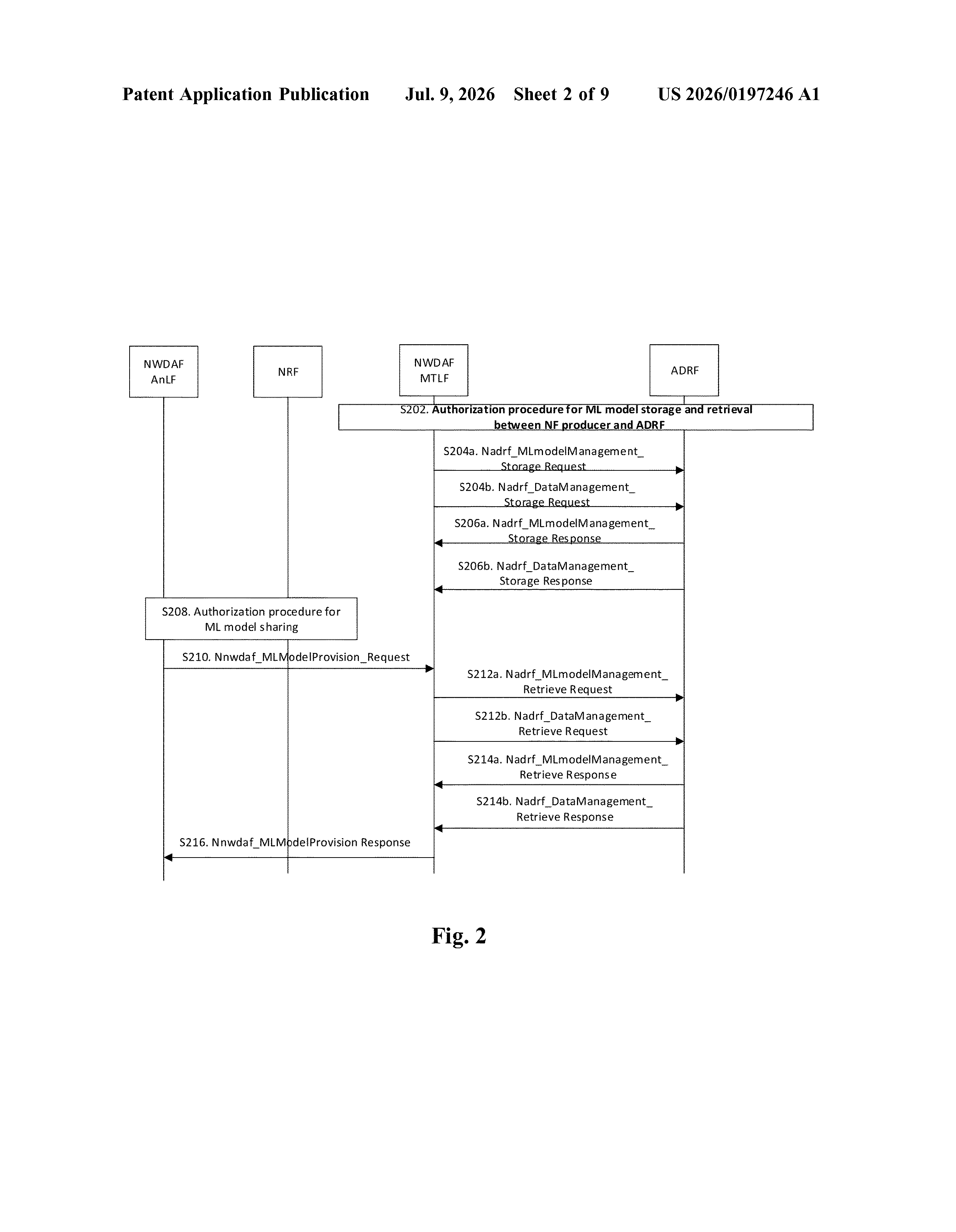
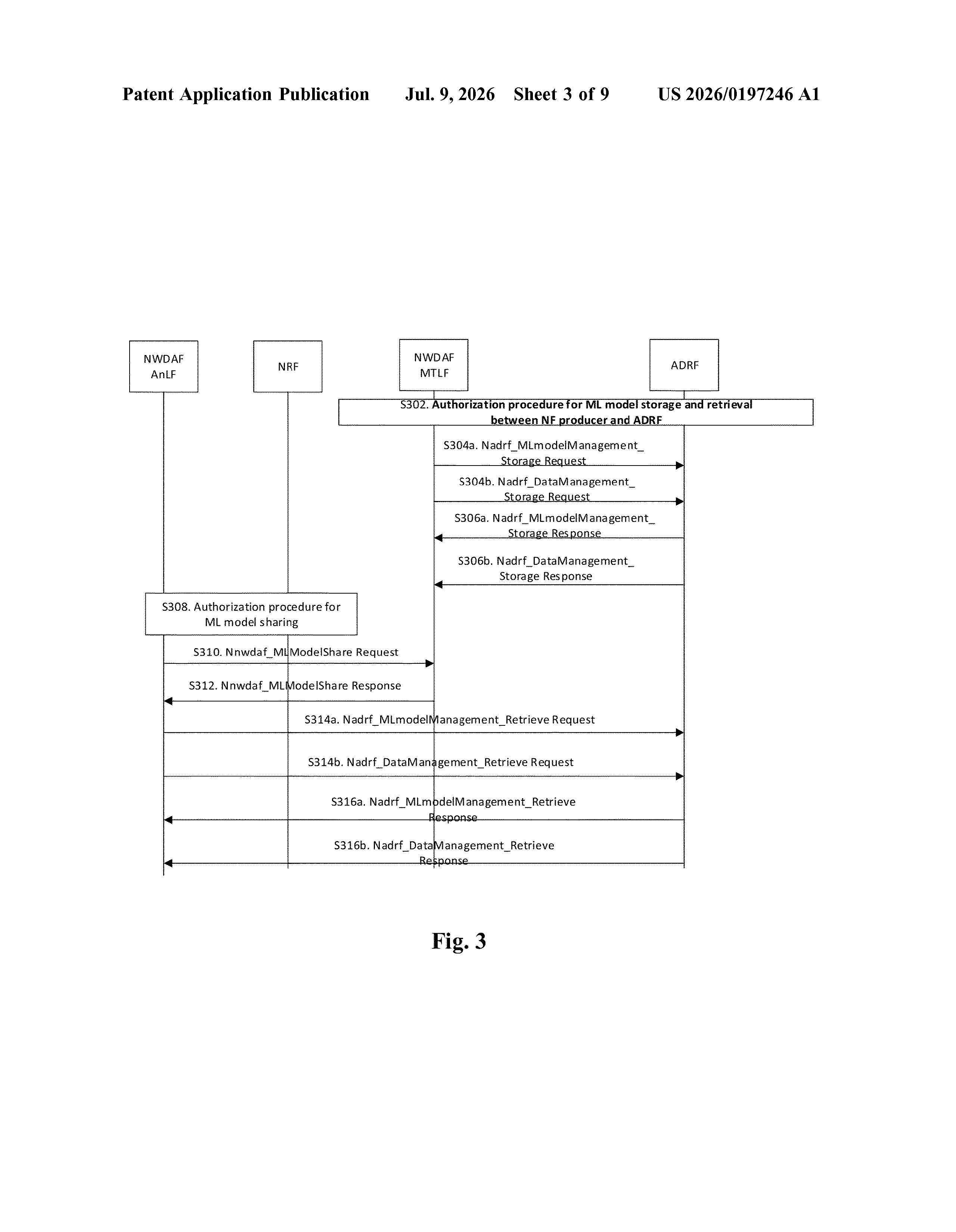
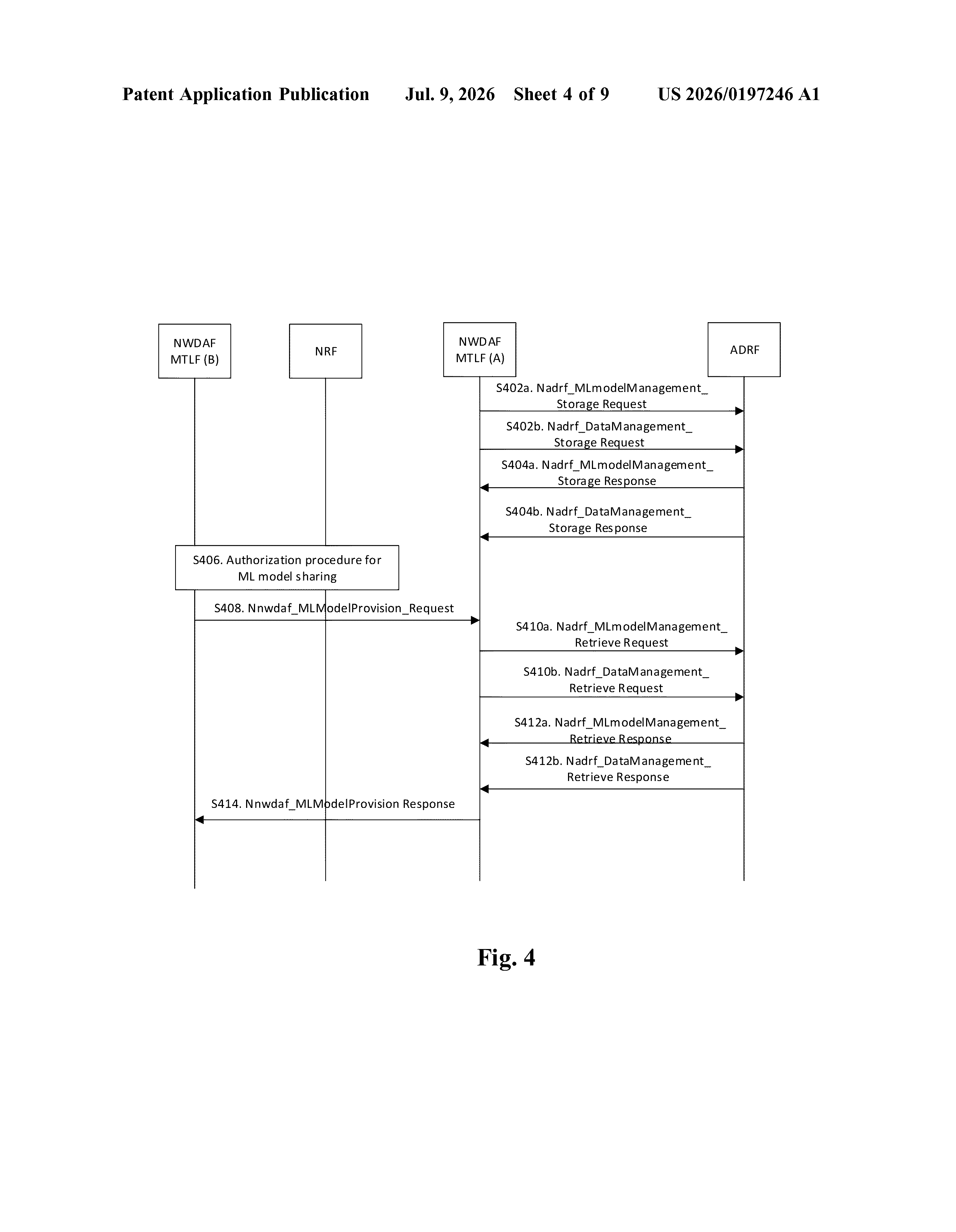
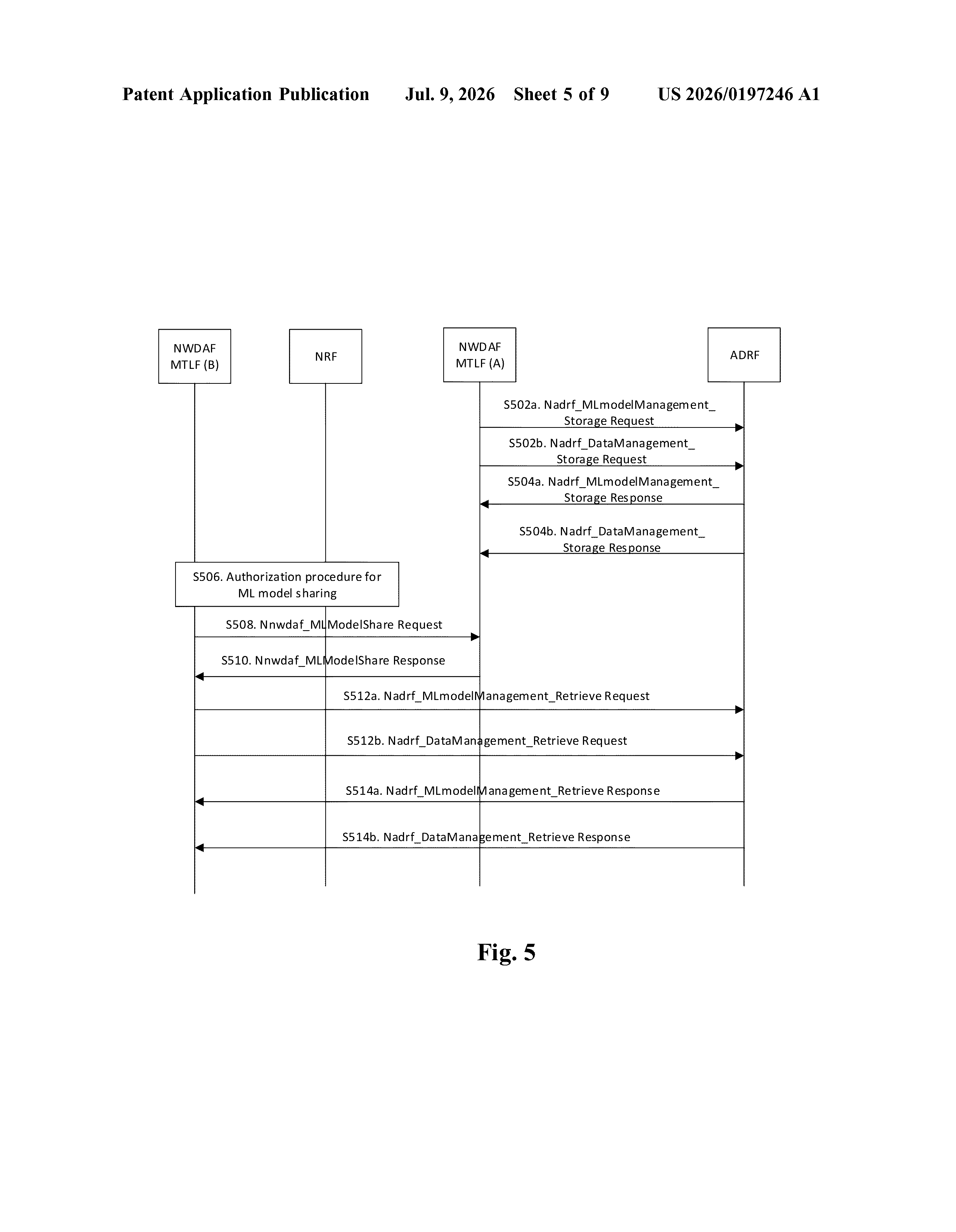
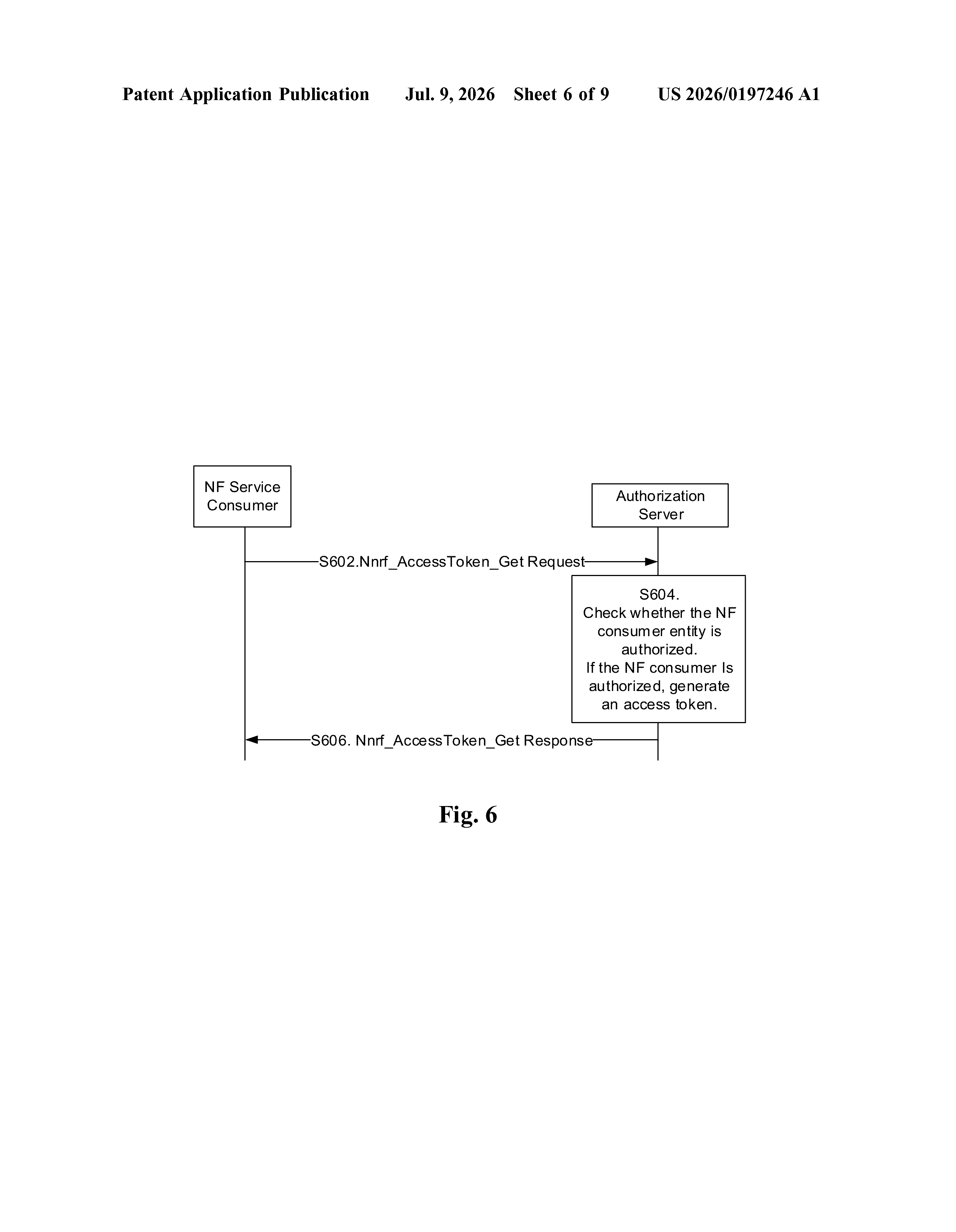
Intel's patent describes a system where one part of a 5G network can simply request and receive an already-trained AI model from another part, instead of starting over. One node asks for a specific model by name or ID, proves it has permission using an access token, and the other node sends back either the model itself or a link to where it's stored.
This is essentially a lending library for AI models inside a 5G network, letting different network analytics functions share their work rather than duplicate it.
How the model request and transfer process works
The patent centers on two types of logical functions inside a 5G core network: the Model Training Logical Function (MTLF), which is the part that actually trains AI models, and the Analytics Logical Function (AnLF), which uses those models to generate network insights.
Under Intel's design, an AnLF or MTLF node that needs an AI model can send a model provision request to another MTLF node. That request includes:
- An access token (a credential proving the requester is authorized)
- An analytics identifier or ML model identifier (a name or ID tag for the specific model needed)
The receiving MTLF then sends back a model provision response containing either the full model file packaged in a container, or a network address pointing to where the file can be downloaded.
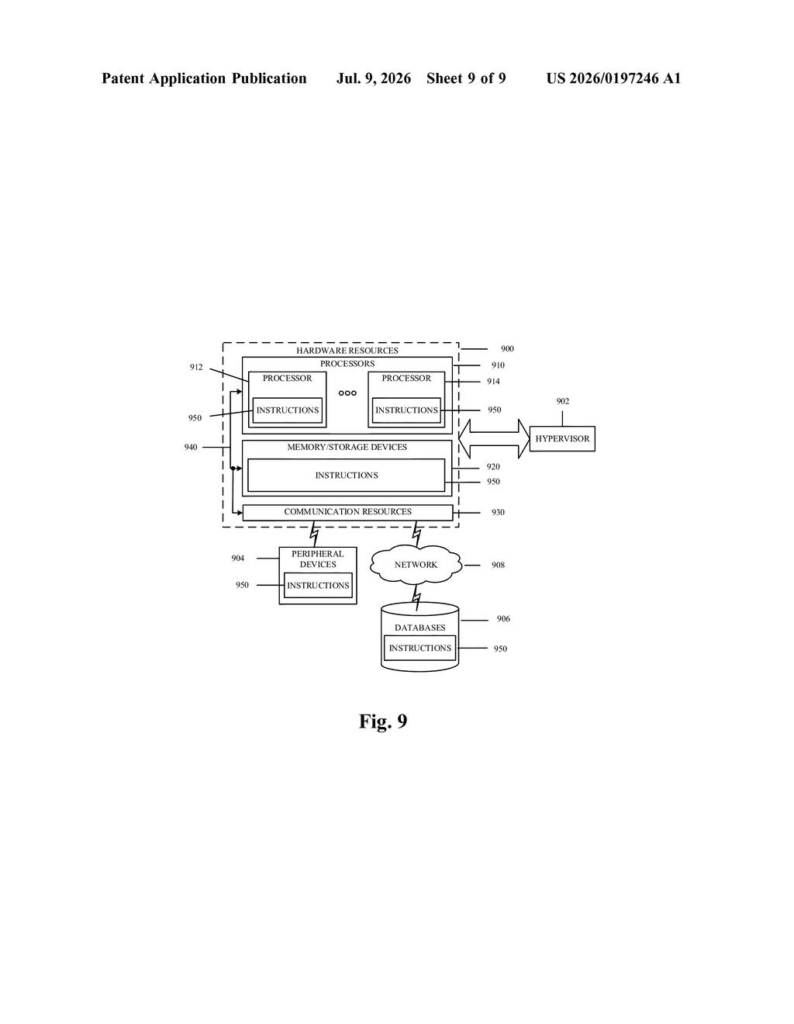
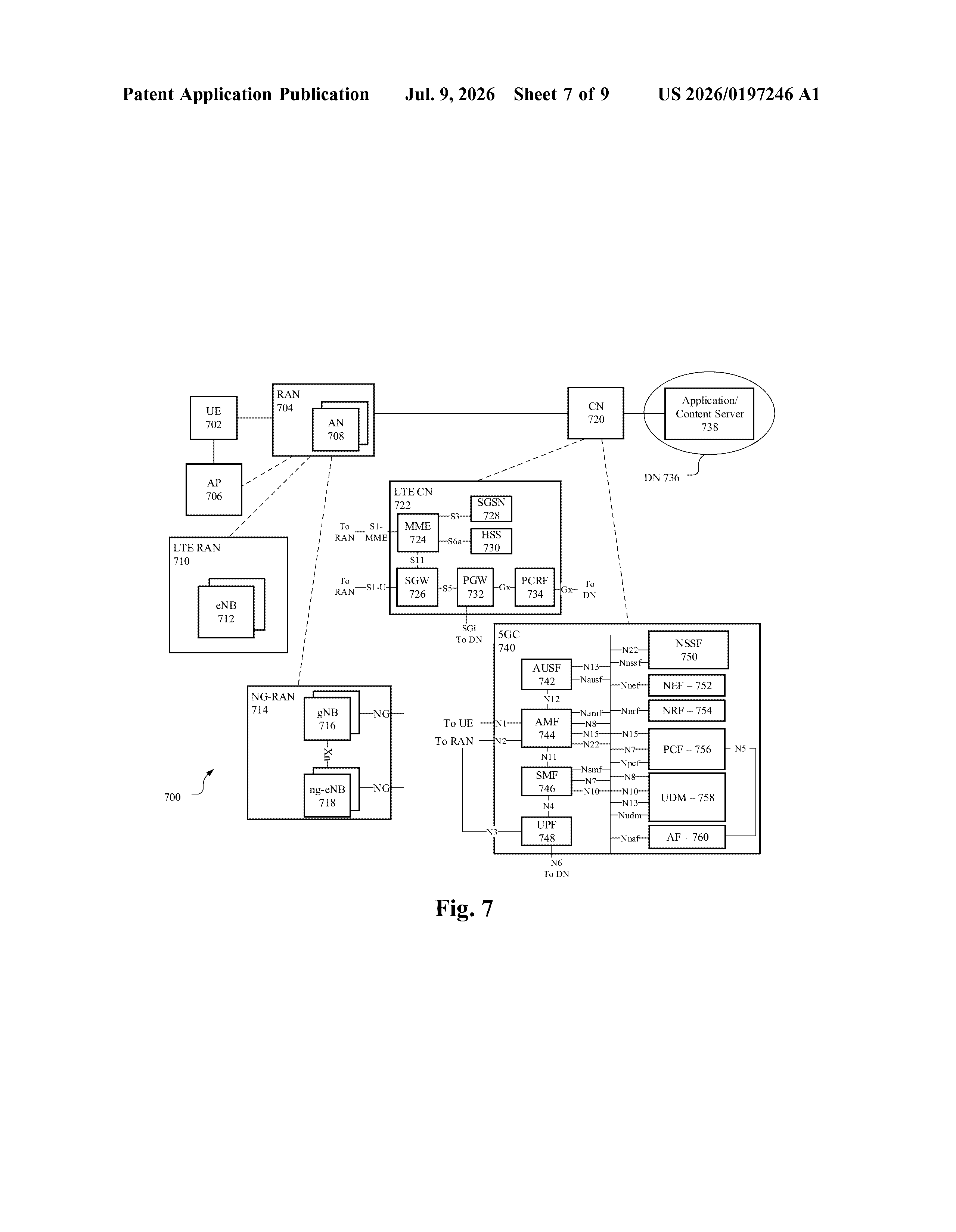
These functions all live inside what 5G standards call Network Data Analytics Functions (NWDAFs), which are the AI-driven analytics engines baked into the 3GPP 5G core network specification. Intel's contribution is a defined handshake protocol for moving trained models between these engines.
What this means for 5G network efficiency
For mobile operators, training AI models is expensive in terms of computing time and energy. If multiple analytics nodes in the same network need the same model, having a built-in sharing protocol reduces redundant work and speeds up how quickly new analytics capabilities can be deployed across the network.
This patent sits squarely in the infrastructure layer that most people never see, but it shapes how efficiently your carrier's network can adapt in real time to congestion, interference, and traffic spikes. Intel, as a major supplier of hardware and software to telecom operators, would benefit from having this kind of model-sharing framework standardized in ways that align with its network platform products.
This is a narrow, infrastructure-level patent aimed at a specific gap in 5G network standards, not a flashy consumer-facing idea. Its value depends entirely on whether telecom equipment vendors and operators adopt this kind of model-sharing protocol, and on whether standards bodies like 3GPP pick up similar approaches. Worth a note for anyone tracking Intel's 5G software strategy, but not something that will make headlines beyond that audience.
Get our take in your Top Stories
Liked this breakdown? Add Patentlyze as a preferred source on Google, and our plain-English take shows up more often in your Top Stories the next time Intel patent news breaks.
There are more where this came from
We read every patent application Big Tech publishes and send you the ones worth knowing. Plain English, free, every week.
The drawings
9 drawing sheets from US 2026/0197246 A1 · click any drawing to enlarge
Want this weekly breakdown for a company we don't cover? Patentlyze Pro →