
Samsung Patents an Indoor Location System That Combines Wi-Fi Scans and Motion Sensing
GPS is useless inside a mall or hospital, and Samsung thinks a combination of Wi-Fi signals and your phone's motion sensors can fill that gap.
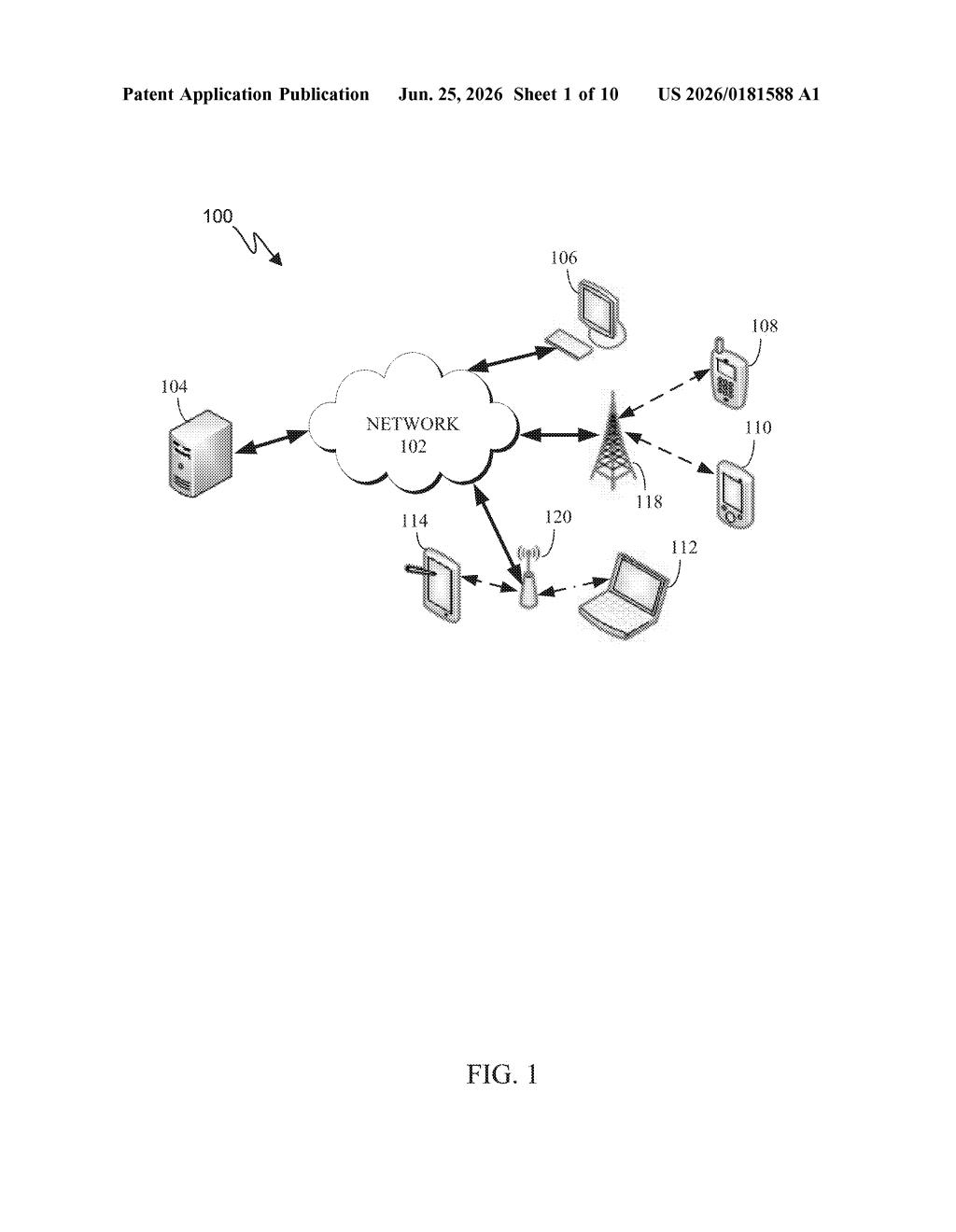
How Samsung's indoor positioning actually works
GPS stops working well the moment you step inside a large building. Malls, airports, hospitals, and office complexes all create the same problem: your phone knows you're in the building, but not where in the building.
Samsung's patent describes a system where a network server collects Wi-Fi signal readings from your phone and uses them to figure out roughly where you are indoors. The server groups those readings into location clusters, kind of like plotting dots on a map and circling the ones that belong together. What makes this different is that it also checks whether you're standing still, walking, or moving quickly, and it adjusts those location clusters based on your movement.
The practical result is that your indoor position estimate gets more accurate over time because the system updates its picture of where you are whenever your motion changes. If you stop at a store, it reinforces that location. If you start walking, it begins tracking your new path.
How the network clusters Wi-Fi signals and motion data
The system has two main inputs: Wi-Fi scan data and inertial measurement unit (IMU) data. Wi-Fi scans are what your phone does naturally when it looks for networks nearby, logging which access points it can see and how strong each signal is. IMU data comes from your phone's built-in accelerometer and gyroscope, the sensors that tell apps whether you're walking, running, or sitting still.
A network entity (a server-side component, not the phone itself) receives this combined information. It then runs a clustering algorithm, which groups similar Wi-Fi signal fingerprints together to estimate probable locations. Think of it as the server building a map of signal patterns and pinning you to the most likely spot on that map.
The key technical step is the motion-state update. The processor identifies your motion state (stationary, walking, or faster movement) from the IMU readings, then uses that state to decide how aggressively to shift or lock down the location clusters. If you're standing still, the system holds your position estimate steady. If you're moving, it expects your cluster assignment to change and adjusts accordingly.
Importantly, the processing happens on the network side, not entirely on your phone, which means the phone sends raw sensor data upstream and receives a refined location estimate back.
What this means for indoor navigation on Galaxy phones
Indoor positioning has been a long-standing gap in consumer navigation. Dedicated indoor mapping solutions like those used in large airports exist, but they typically require specialized hardware infrastructure. A Wi-Fi-plus-motion approach works with equipment already installed in most buildings and sensors already built into every modern smartphone.
For Samsung, this filing fits into a broader push to make Galaxy devices more context-aware in everyday environments. Better indoor location could improve features like floor-level navigation in Samsung's own Maps experiences, location-based reminders triggered by entering a specific room or store section, or emergency services that need to know which floor you're on, not just which building.
This is genuinely useful infrastructure work rather than a flashy feature. Indoor location has been an unsolved problem for most smartphone users for years, and combining Wi-Fi fingerprinting with real-time motion detection on the network side is a practical approach that doesn't require special beacons or building upgrades. The server-side processing model is worth noting because it means Samsung could roll this out as a network service rather than a phone-side update.
There are more where this came from
We read every patent application Big Tech publishes and send you the ones worth knowing. Plain English, free, every week.
Want this weekly breakdown for a company we don't cover? Patentlyze Pro →