
Samsung Patents a Smart Home Network That Tracks Your Movements Room to Room
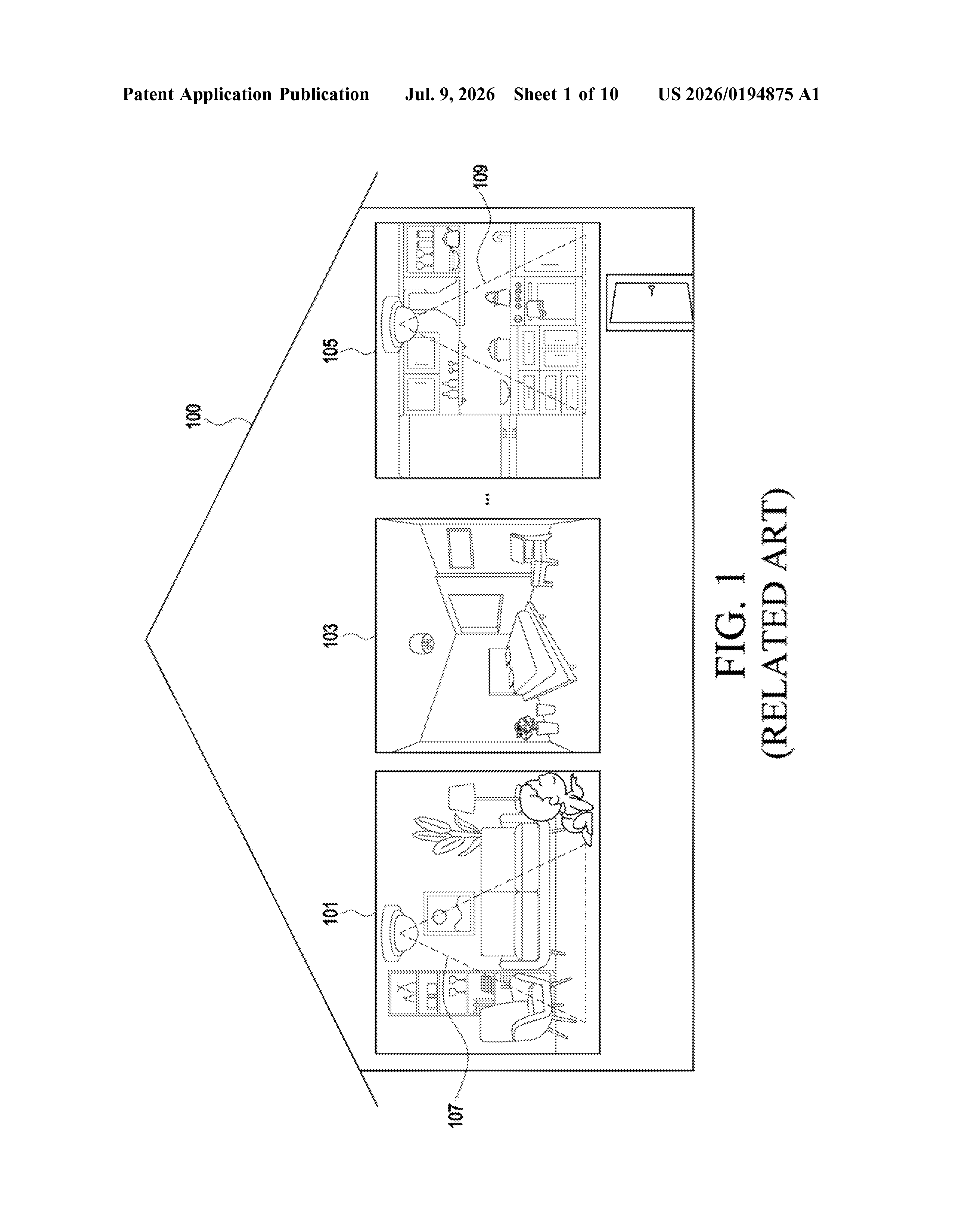
Most smart home sensors only watch what's in front of them. Samsung's new patent describes a system that figures out where you're going next and hands your monitoring off to the right sensor before the current one loses you.
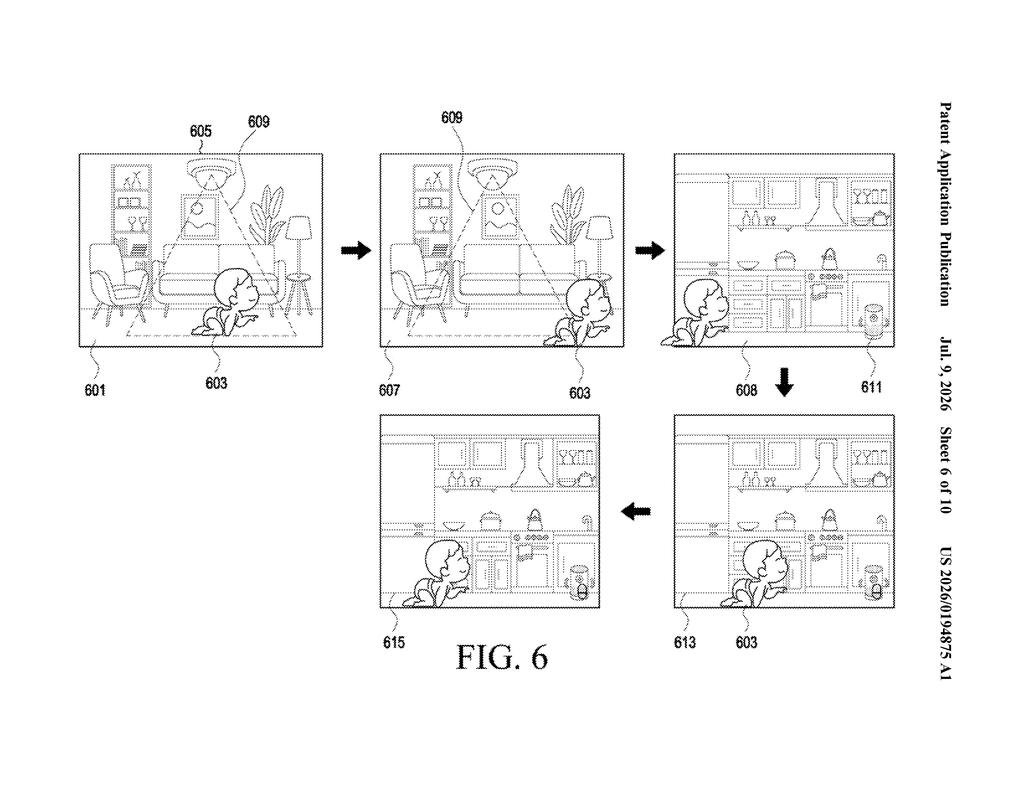
How Samsung's room-to-room sensor handoff works
Imagine you're wearing a health monitor at home and your smartwatch is keeping tabs on your heart rate, your gait, your activity. The moment you walk into a room where that sensor can't reach, the system goes blind. That gap is the problem Samsung is trying to solve.
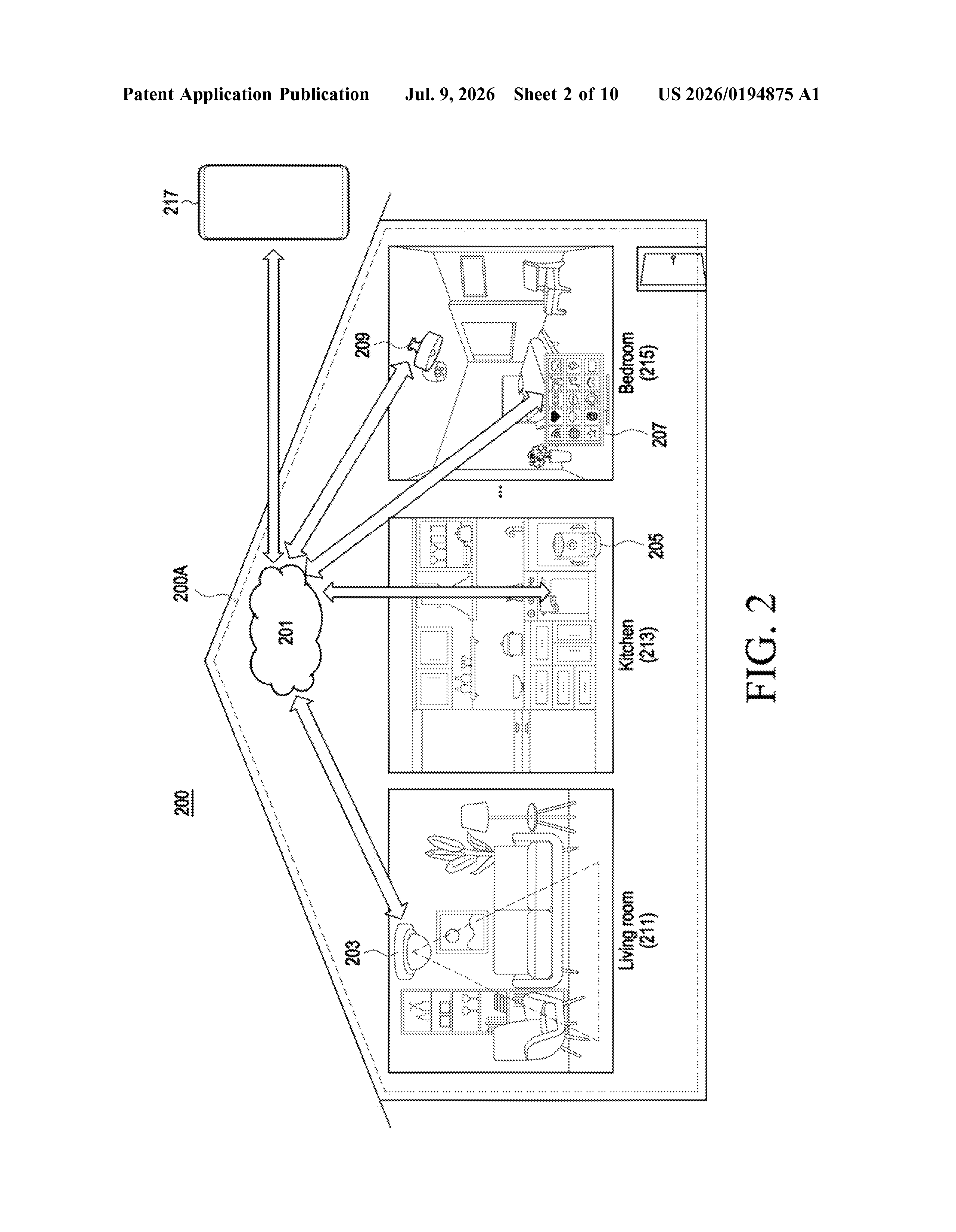
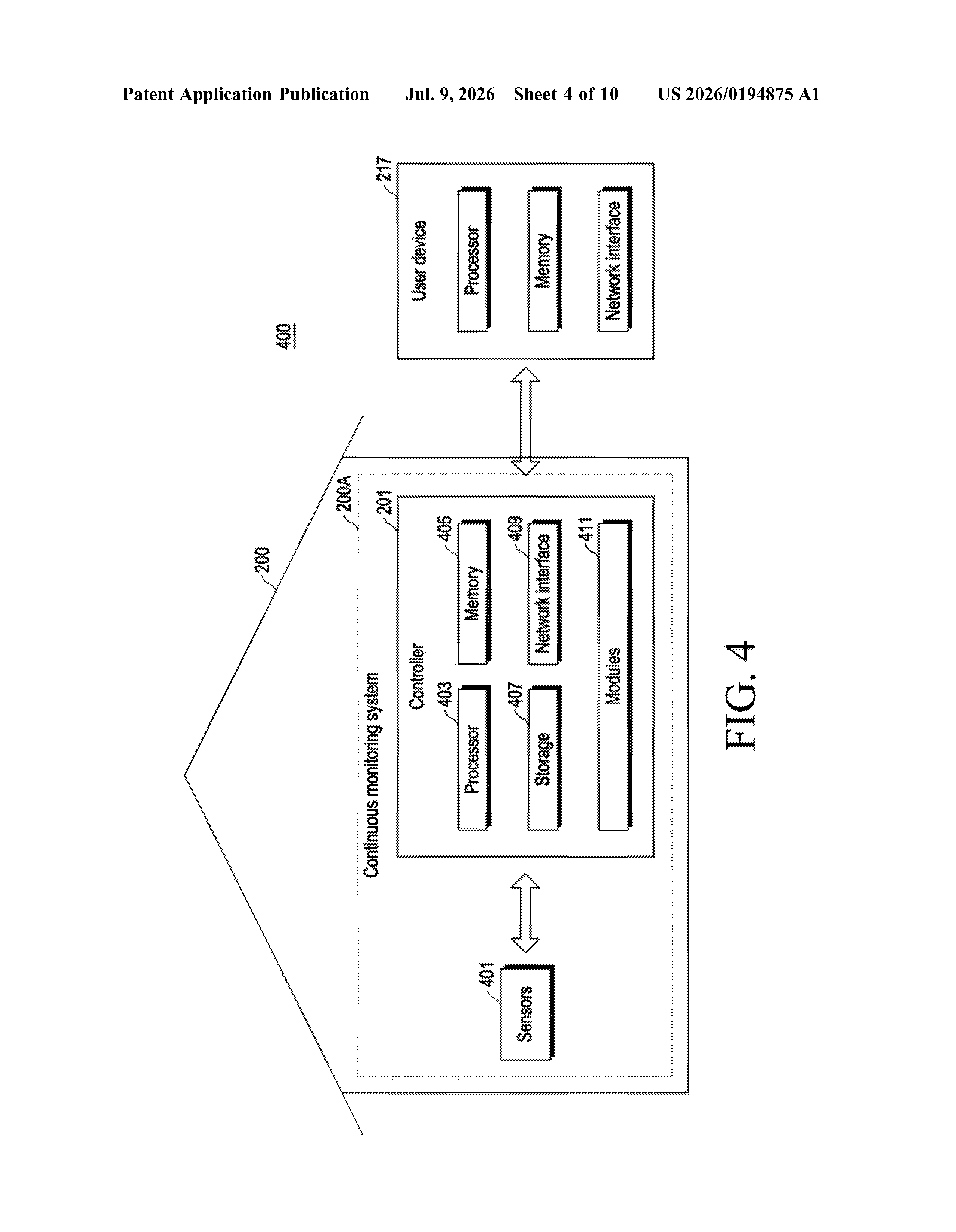
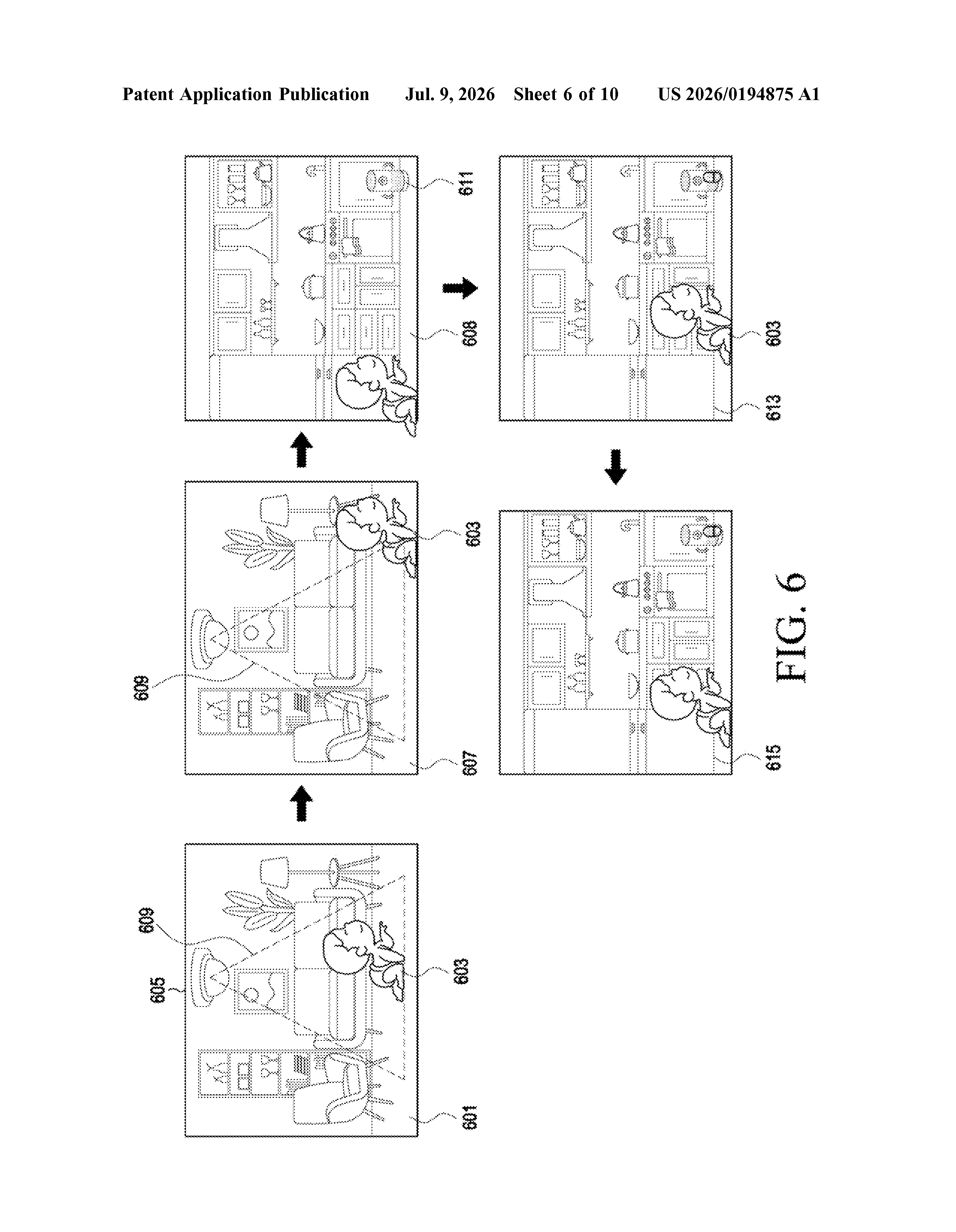
This patent describes a network of sensors spread across a home or building, each with its own coverage zone. When the system detects that you're moving into an area the current sensor can't cover, it automatically identifies which other sensor nearby is best suited to pick up where the last one left off, and hands tracking duties over to it.
The swap isn't random. The system uses stored knowledge about the environment (which sensors are where, what each one can detect) and trained AI models to decide which behaviors to keep watching in the new location. Think of it like a relay race where the baton is your health data.
How the system picks the next sensor and what it tracks
The patent describes a method for continuous behavioral monitoring of a person or object (called an "entity") inside an IoT environment (a space filled with connected sensors, like a smart home, hospital ward, or assisted-living facility).
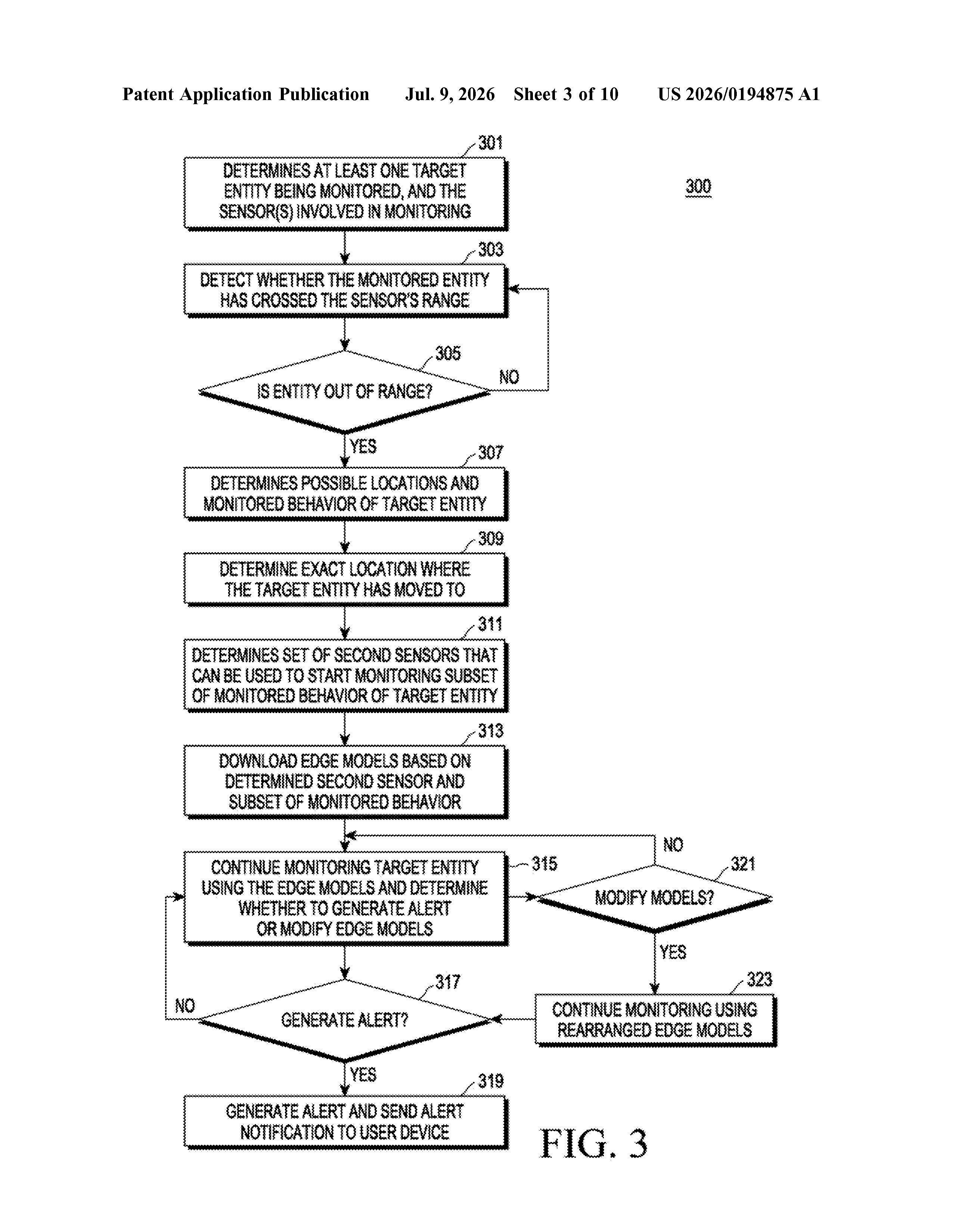
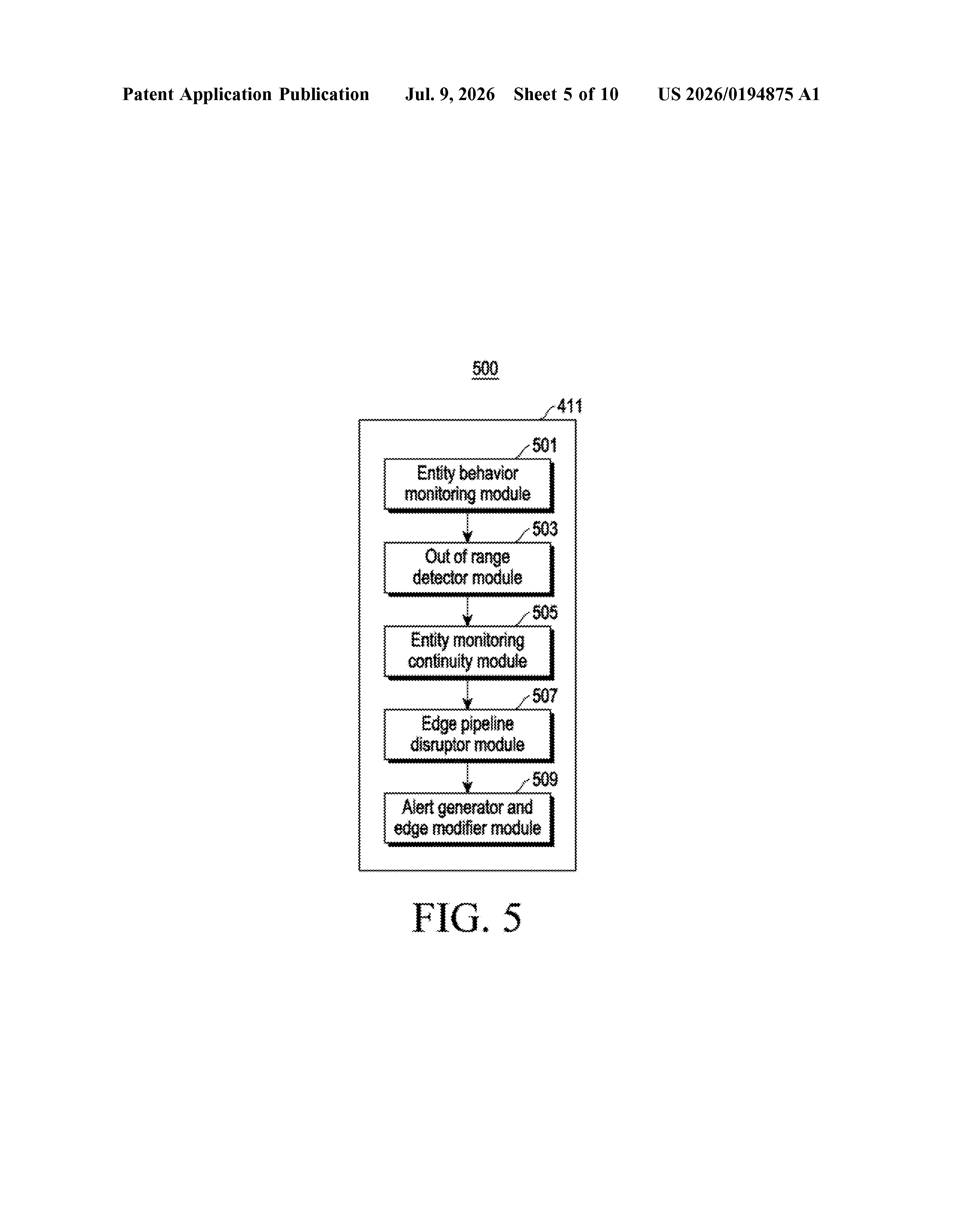
Here's the sequence the system follows:
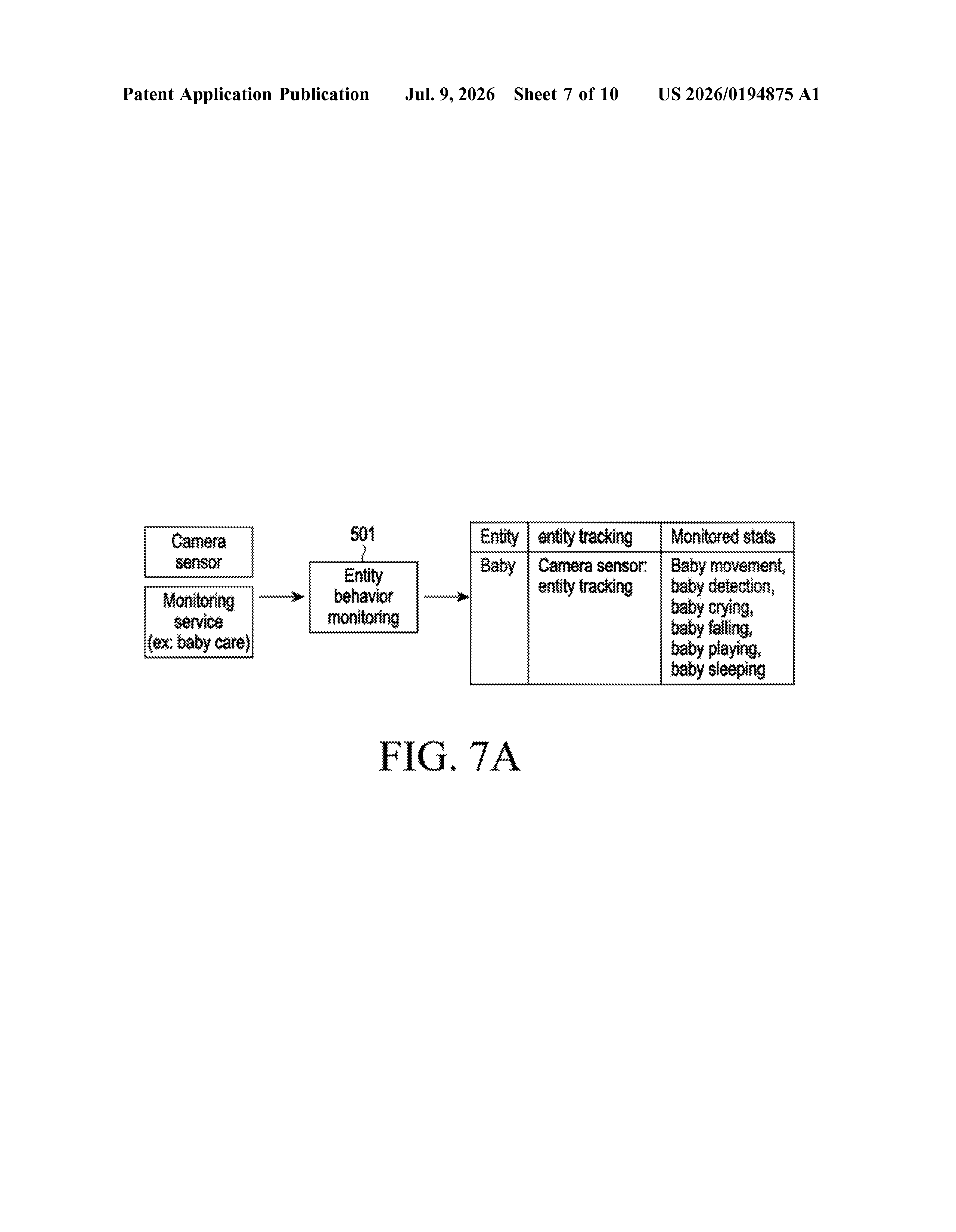
- A first sensor monitors a set of behaviors at a person's current location, things like movement patterns, activity levels, or physiological signals depending on what that sensor can detect.
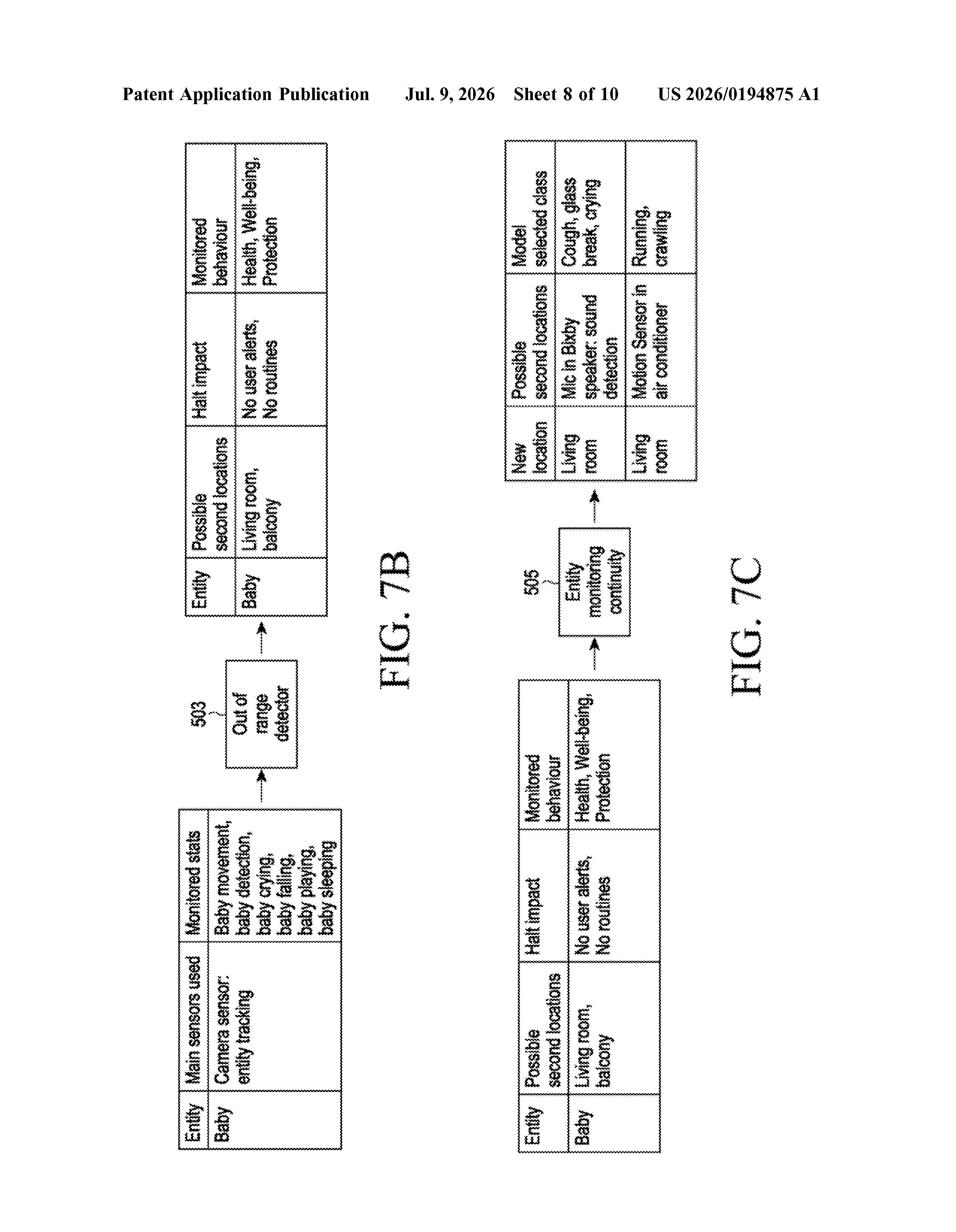
- When the system determines the person is moving somewhere outside that sensor's detection range, it identifies a second location where the person is headed or already present.
- It then consults pre-stored information about the environment (a kind of map of which sensors are deployed where and what each can do) to select the best sensor for that new location.
- The chosen sensor takes over monitoring, but only for the subset of behaviors it's capable of tracking, guided by trained AI models that interpret the incoming data.
The key idea is that no single sensor needs to do everything. The system is designed to intelligently divide monitoring duties across a network, filling coverage gaps as the person moves through a space.
What this means for smart home and elder-care monitoring
The most obvious application is elder care and health monitoring. Keeping tabs on an older adult's movement, activity, and behavior across an entire home, without requiring them to carry a device or stay in one room, is a genuine challenge. A system that passes coverage smoothly between sensors could make continuous, passive health monitoring far more practical at home.
For Samsung specifically, this fits neatly with its SmartThings platform and its broader push into connected home devices and health technology. Whether this becomes a product feature or stays a research patent is an open question, but the underlying problem it addresses (patchy sensor coverage in multi-room environments) is real and unsolved in most consumer smart home setups today.
This is a practical, clearly scoped patent solving a real problem: IoT monitoring systems tend to have blind spots whenever someone moves between rooms or zones, and that's a serious issue for health and safety applications. It's not flashy engineering, but the relay-style handoff logic combined with AI-driven behavior inference is a sensible architectural approach. Whether Samsung ships something like this in a consumer product depends on execution, not on whether the idea is sound.
Get our take in your Top Stories
Liked this breakdown? Add Patentlyze as a preferred source on Google, and our plain-English take shows up more often in your Top Stories the next time Samsung patent news breaks.
There are more where this came from
We read every patent application Big Tech publishes and send you the ones worth knowing. Plain English, free, every week.
The drawings
10 drawing sheets from US 2026/0194875 A1 · click any drawing to enlarge
Want this weekly breakdown for a company we don't cover? Patentlyze Pro →