
Samsung's New Patent Teaches Robot Arms to Ask "Can I Reach That?" Before Moving
Before a robot arm reaches for something, it needs to know two things: can it physically get there, and will it crash into anything on the way? Samsung's new patent builds both checks into a single AI step.
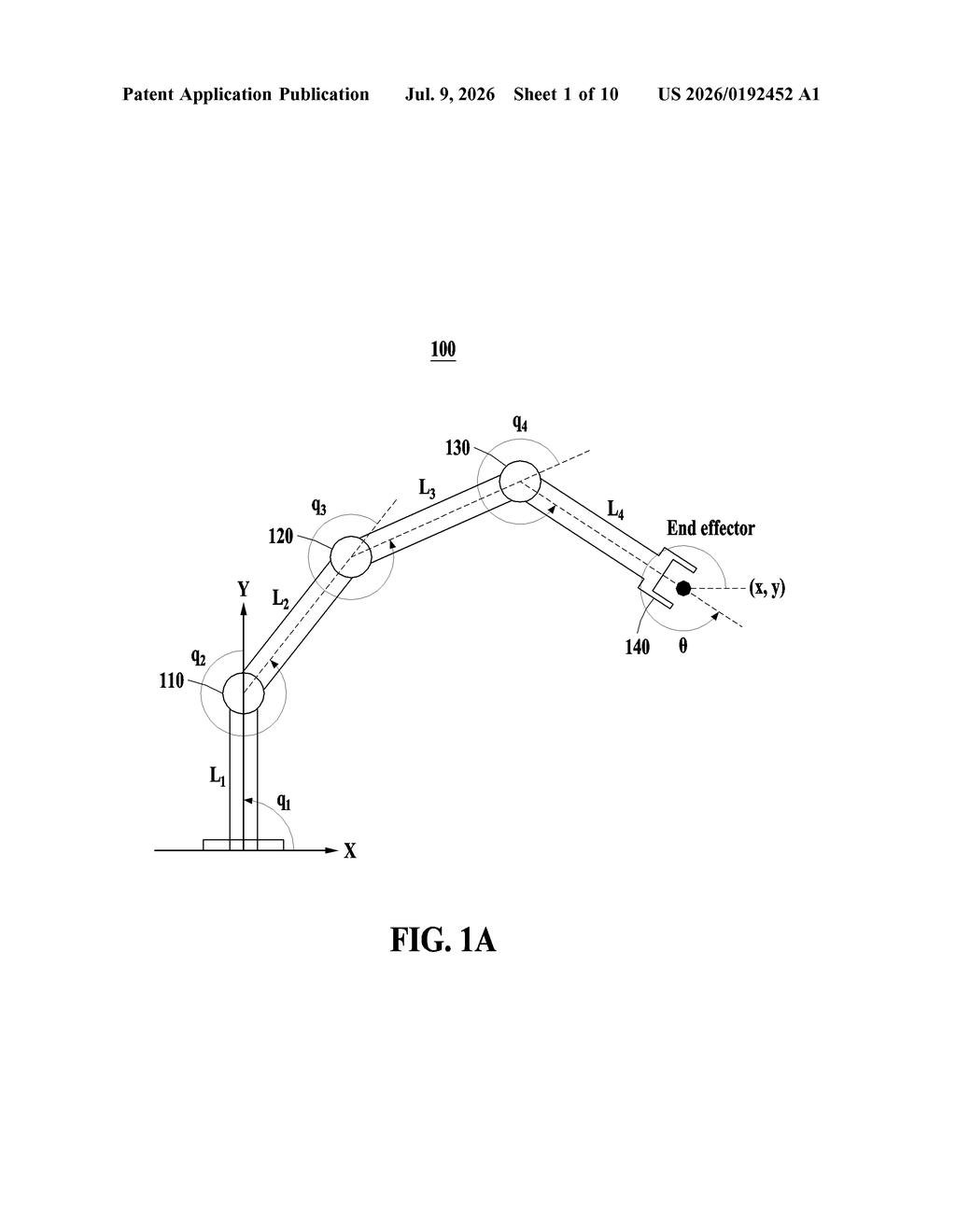
How Samsung's robot figures out its next safe move
Imagine a robot arm in a warehouse trying to grab a box. It can't just lunge at the target. It first has to ask: is that position even within my reach? And second: will I knock something over getting there? Doing both checks quickly and reliably is harder than it sounds.
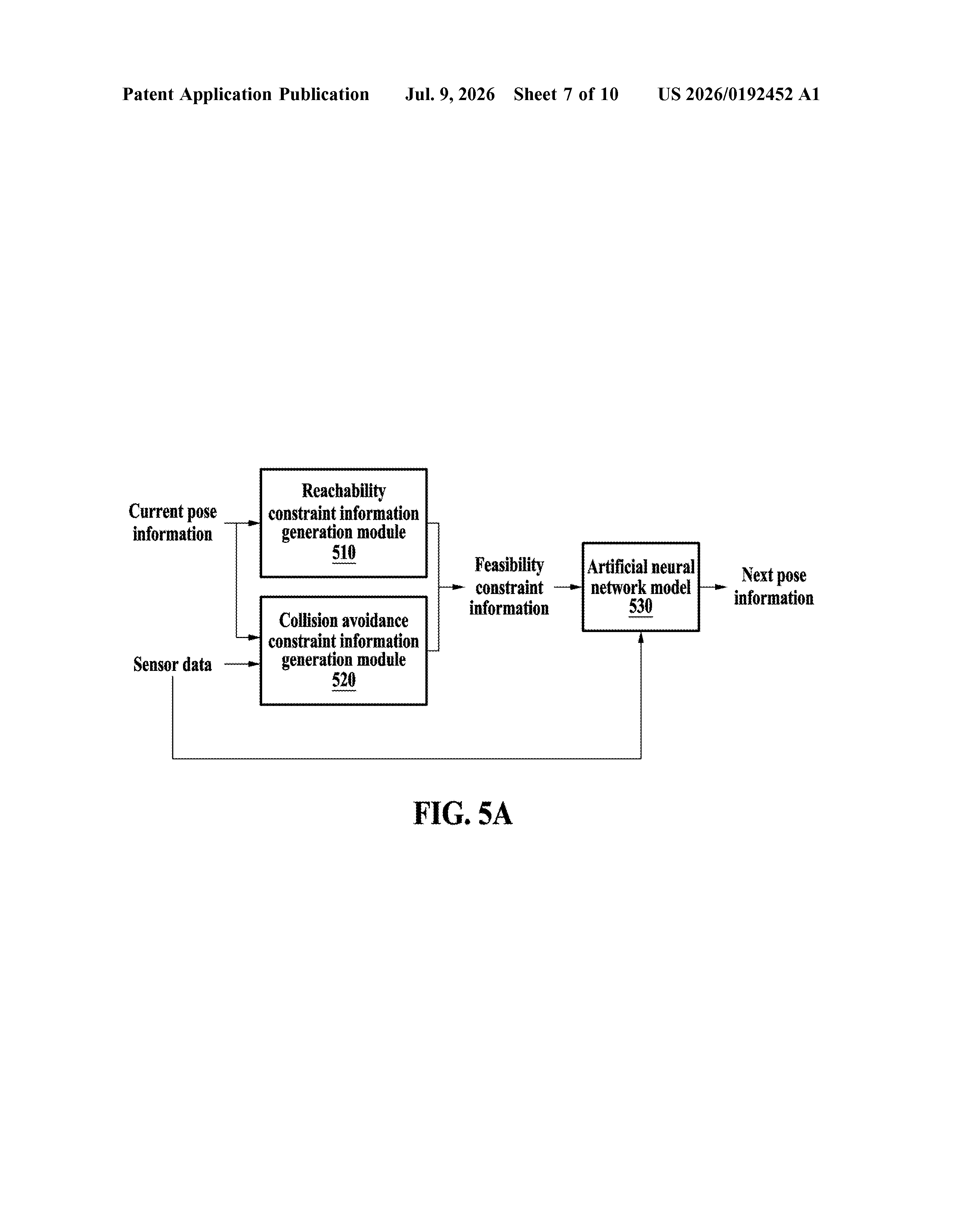
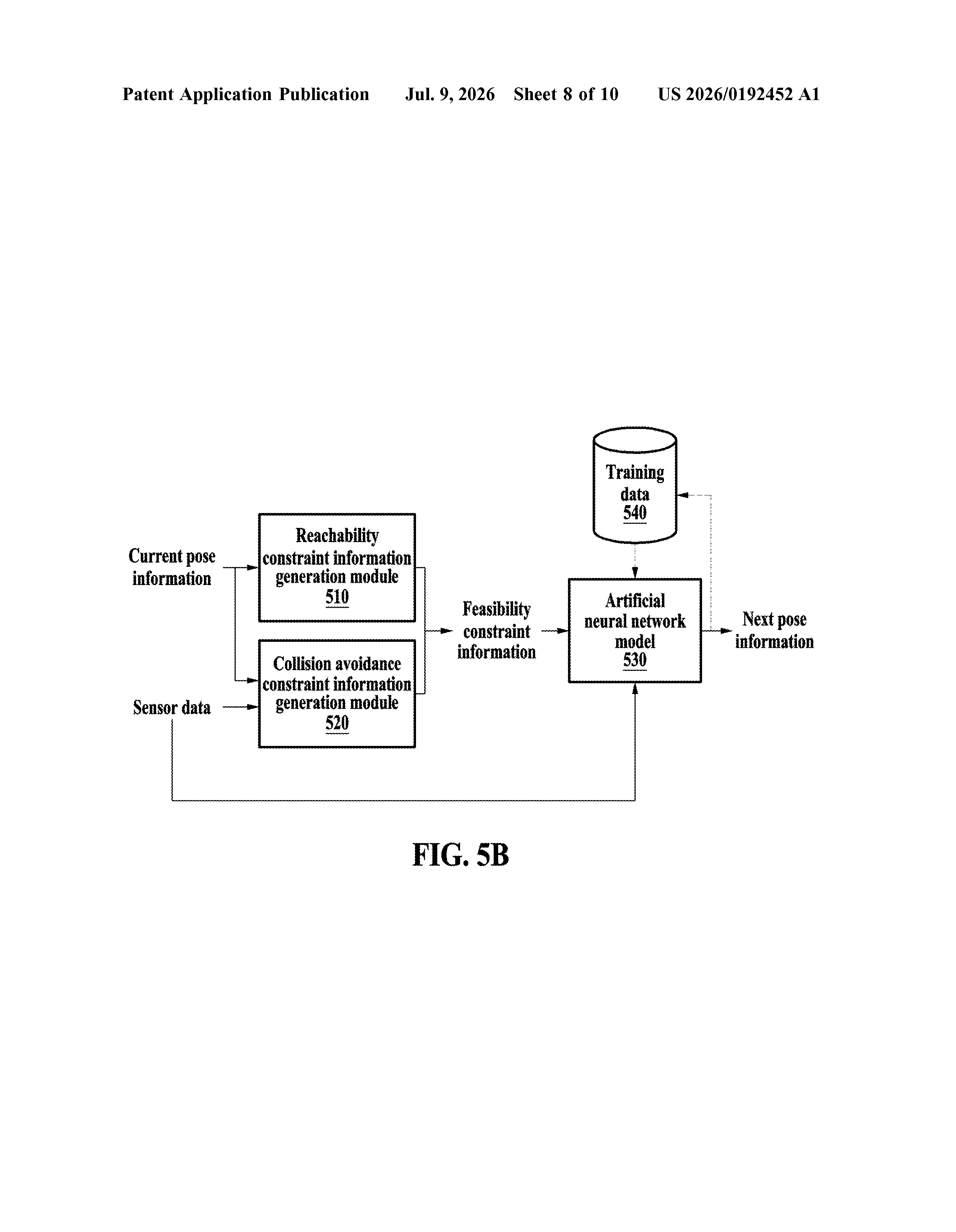
Samsung's patent describes a system that bundles those two questions into a single package of rules, then feeds that package into an AI model trained to figure out the robot's best next position. The robot's current pose (how it's currently positioned) and live sensor readings (what the cameras or range finders see around it) go in, and the AI spits out where the robot should move next.
The key idea is doing the physical and obstacle checks before the AI makes its decision, rather than letting the AI guess and then correcting mistakes after the fact. That upfront check is what Samsung calls feasibility constraint information, and it's the core of this filing.
How the neural network fuses constraints and sensor data
The system runs through three steps before the AI model ever makes a prediction:
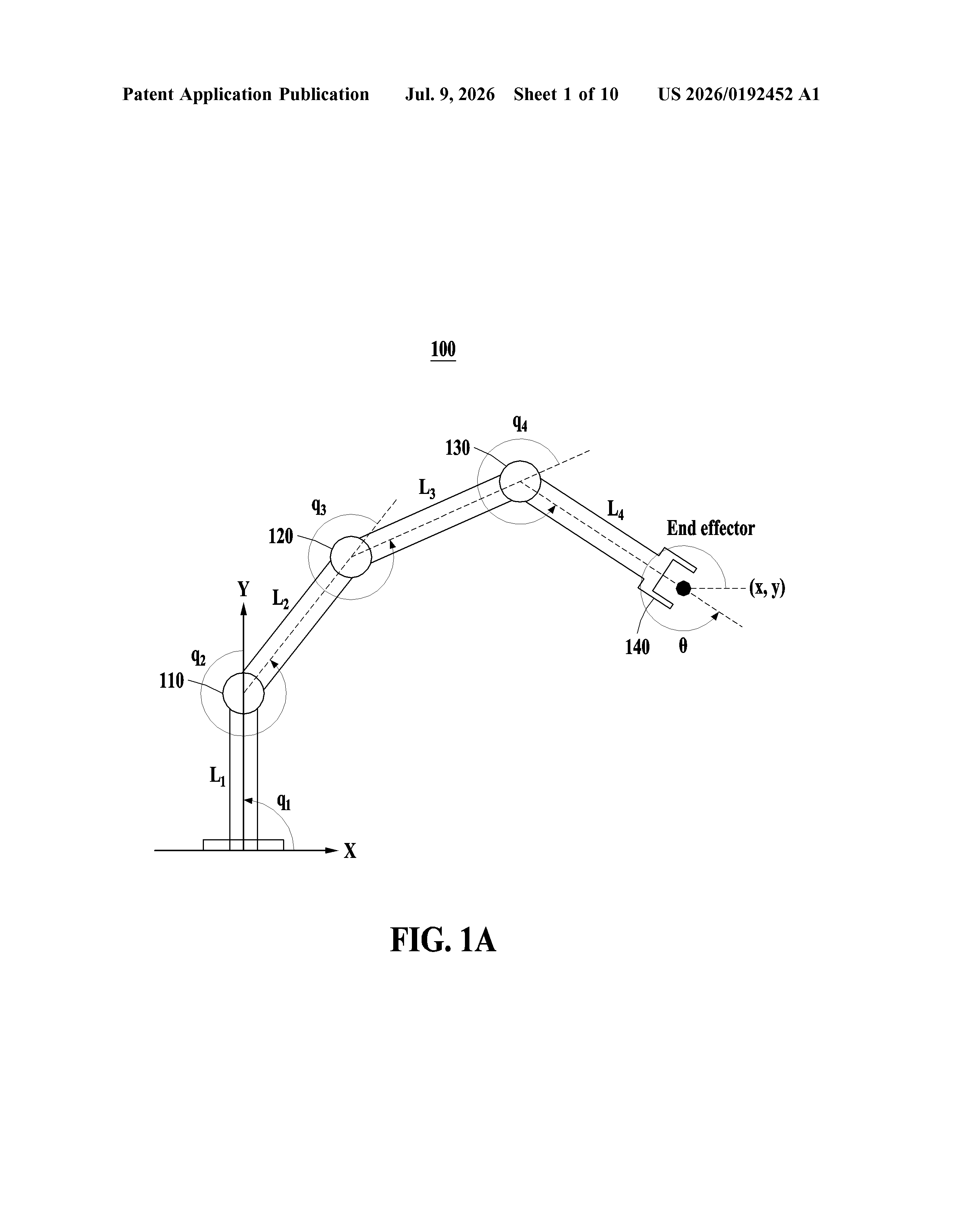
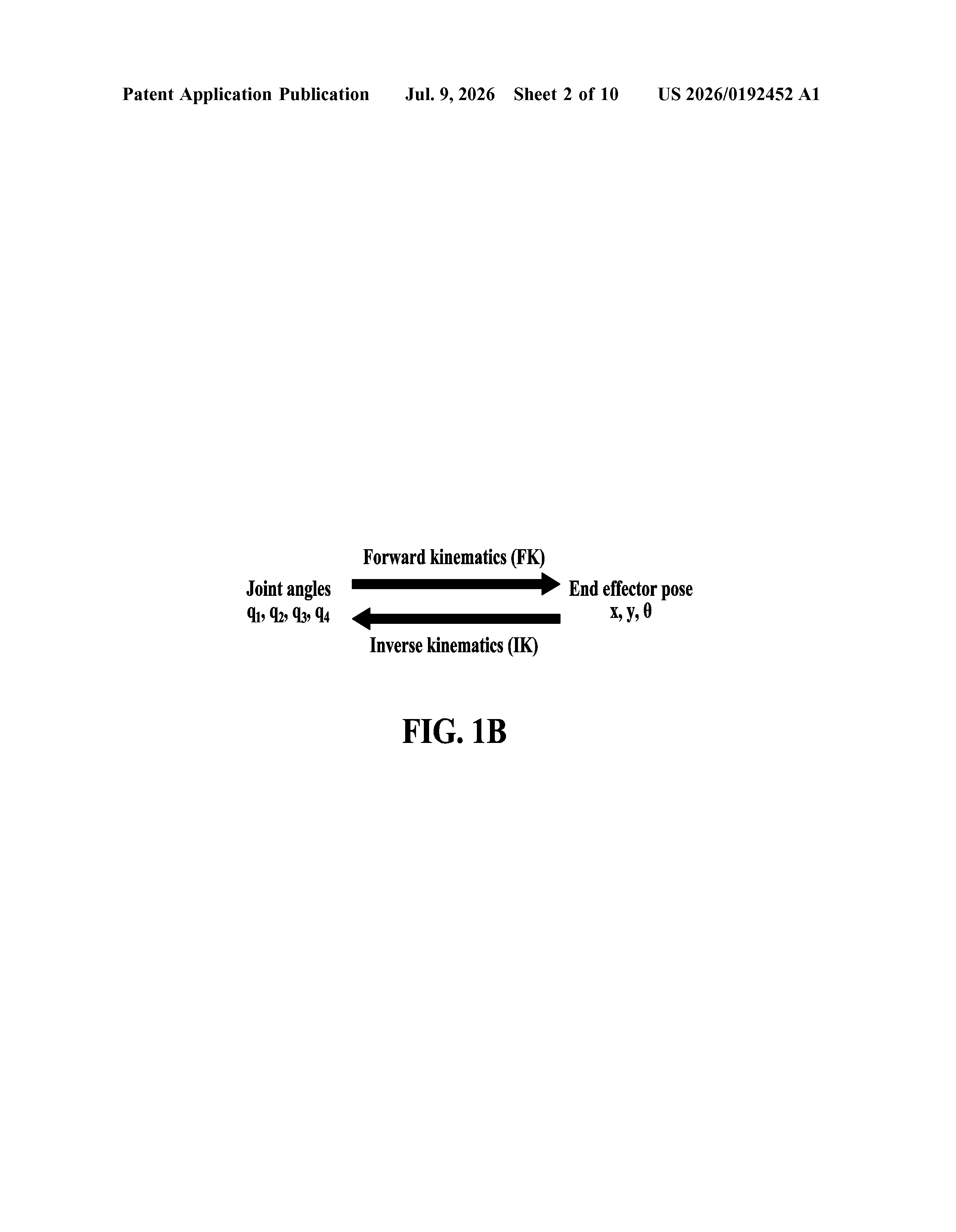
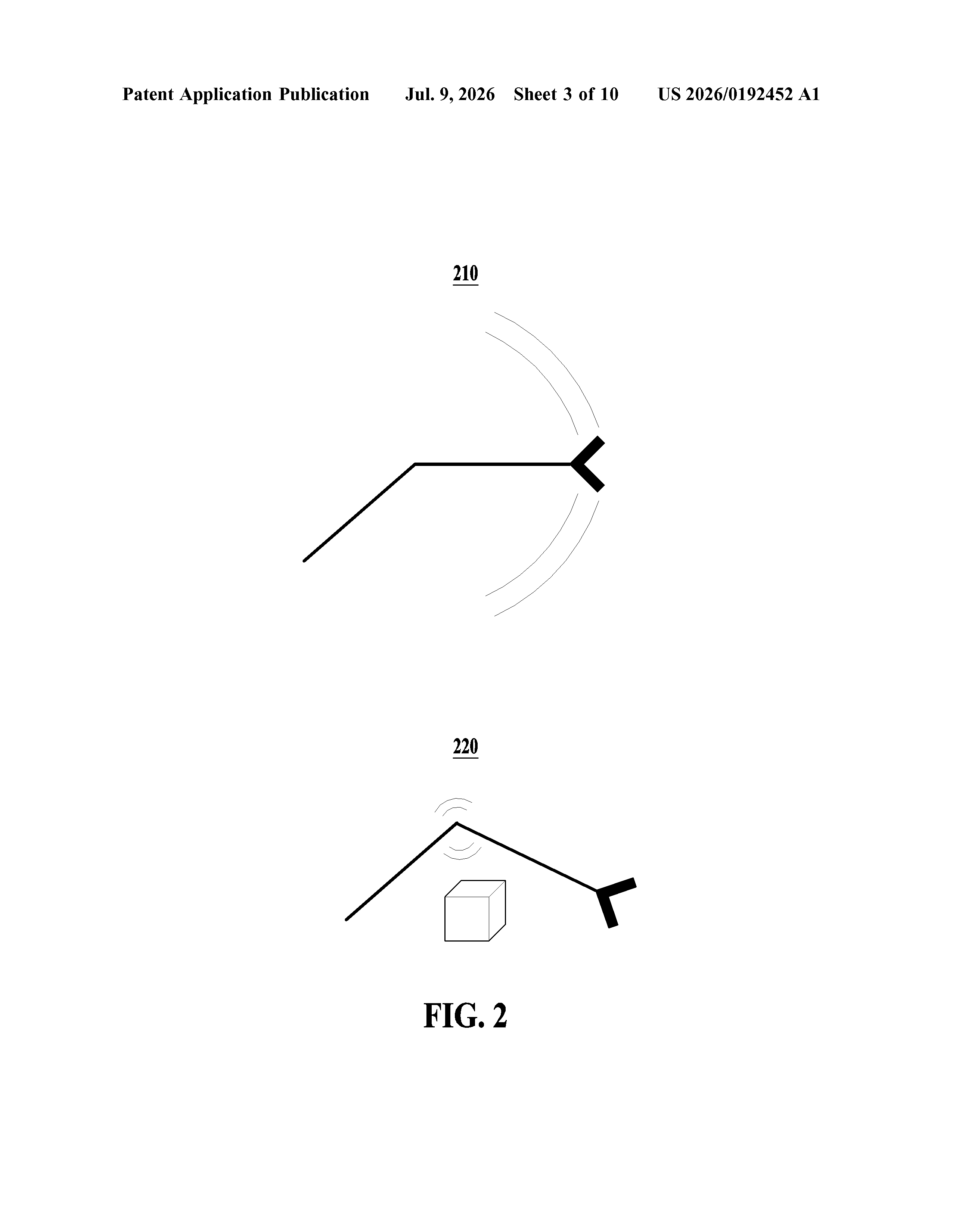
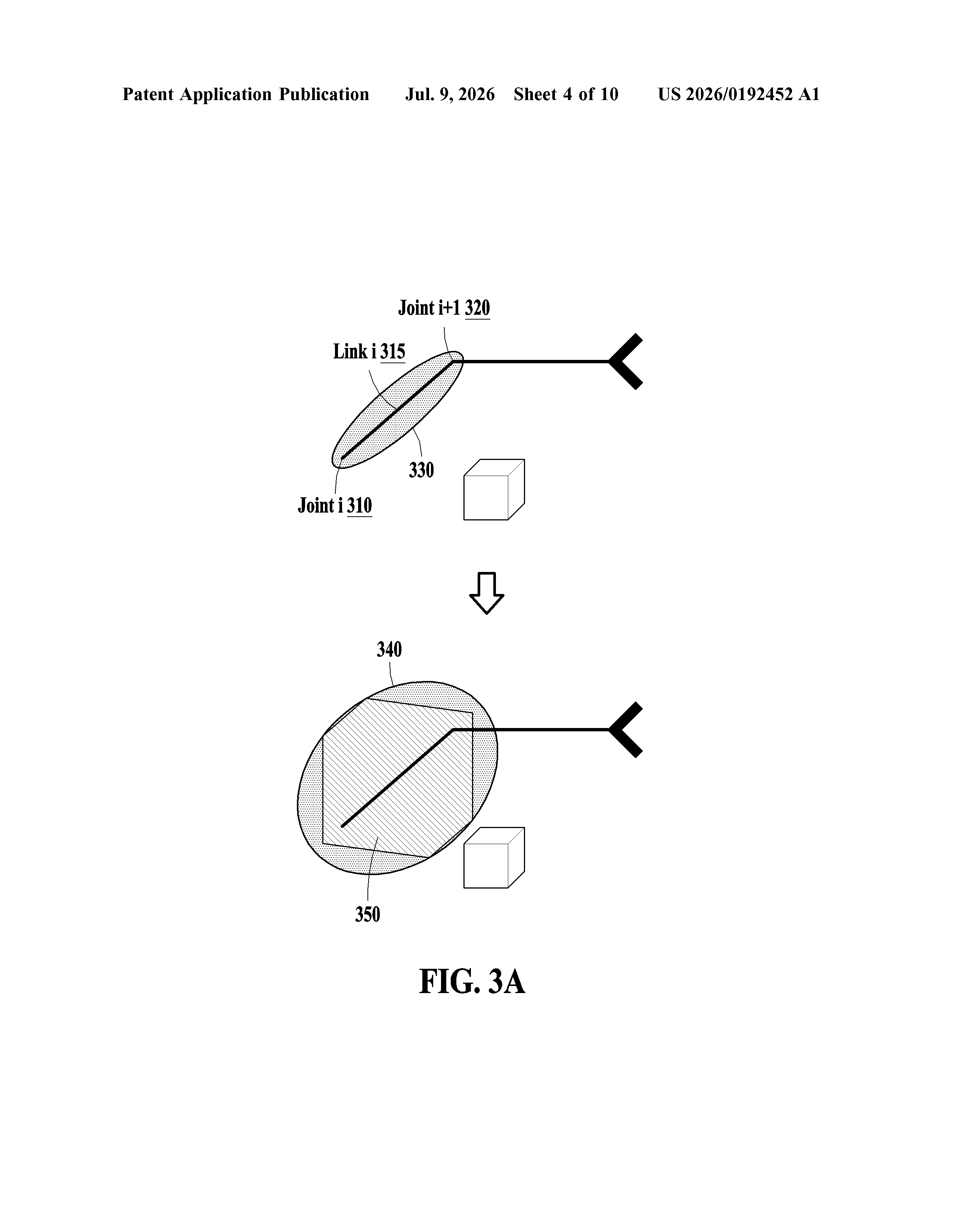
- Reachability constraints: The device checks whether a target position is physically within the robot's range of motion, given its current pose (joint angles, arm position, etc.). Think of it as confirming the robot's arm is long enough to get there without dislocating a joint.
- Collision avoidance constraints: Using live sensor data (camera feeds, depth sensors, lidar), the system identifies nearby objects and calculates which paths or positions would cause a collision.
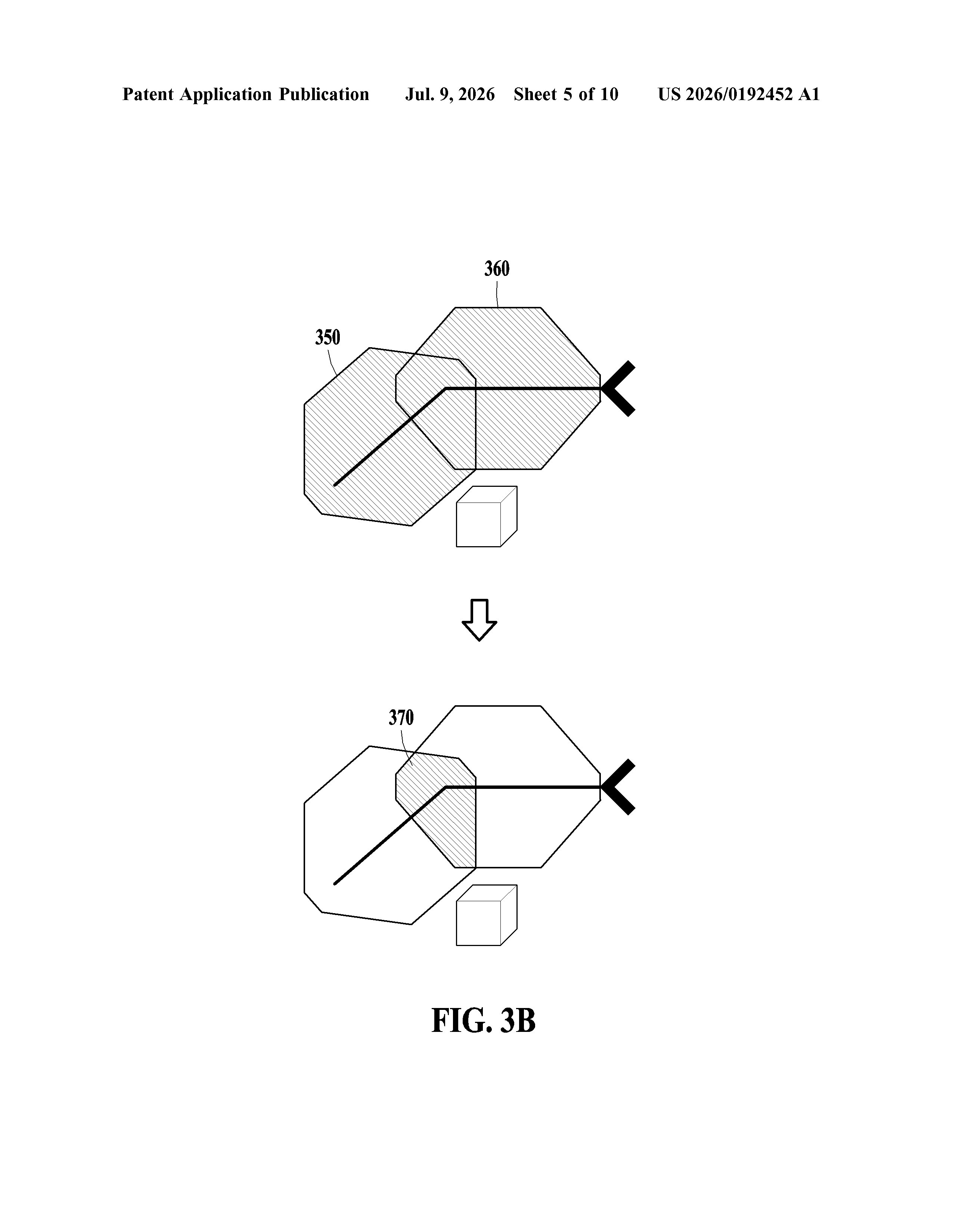
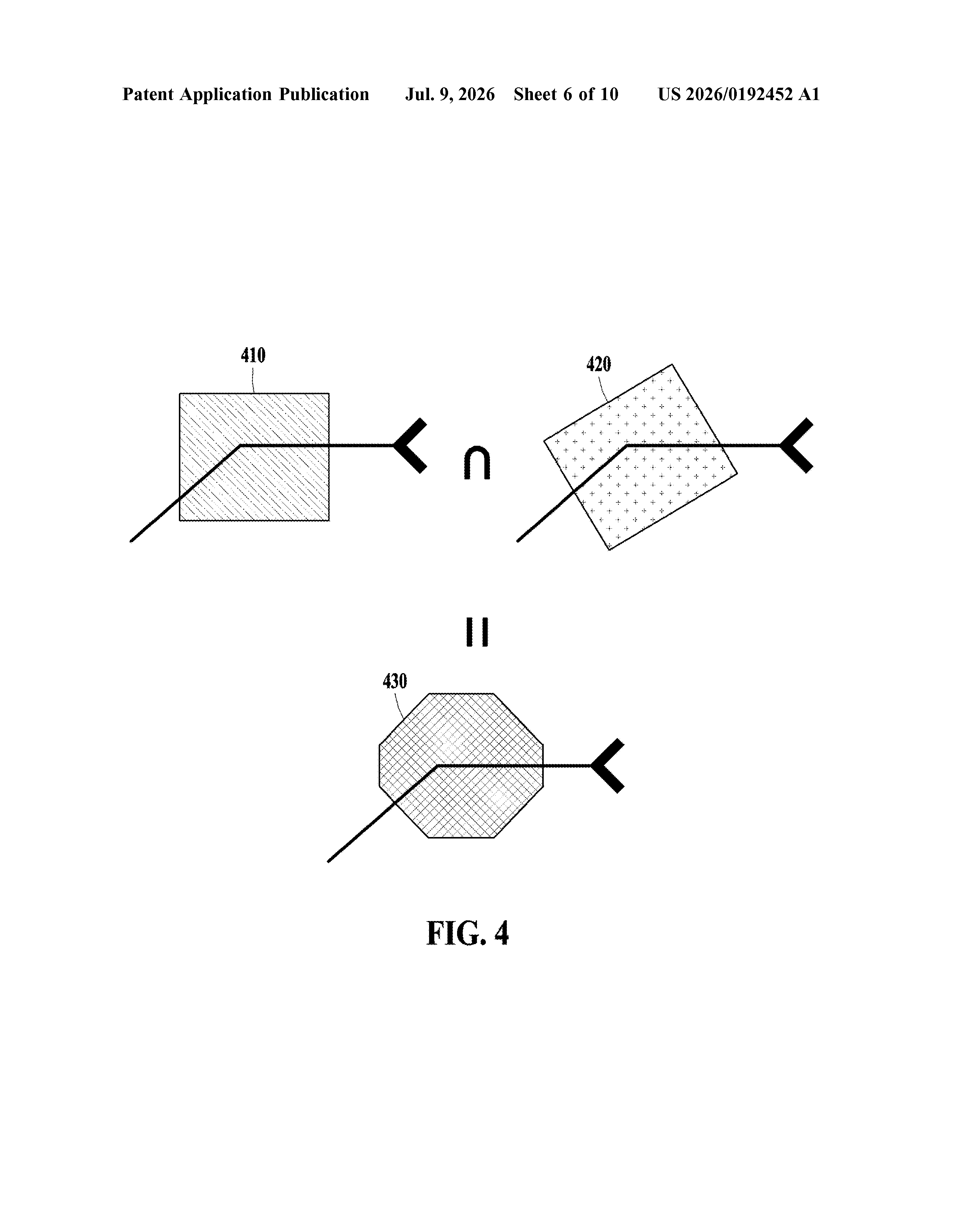
- Feasibility constraints: The two constraint sets above are merged into a single rule set that describes what moves are actually possible right now.
That combined feasibility package, along with the raw sensor data, is then fed into an artificial neural network (an AI model trained on movement patterns) to infer the robot's optimal next pose.
The critical distinction here is sequencing. Traditional approaches sometimes ask the AI to learn physical limits implicitly through training data alone, which can produce unreliable outputs at edge cases. Samsung's method bakes hard physical rules into the input, so the AI operates inside a pre-validated solution space rather than reasoning about constraints from scratch.
What this means for Samsung's robotics ambitions
Samsung has been expanding into robotics hardware and has shown off humanoid robot concepts in recent years. A motion-planning system that pre-checks physical and spatial constraints before querying an AI model is exactly the kind of foundational infrastructure needed to make robots practical in unstructured environments like homes or factories, where obstacles change constantly.
For you as a future user of a Samsung household robot, this kind of system is what stands between a robot that gracefully sets down a glass and one that sweeps it off the counter. It's not a flashy feature, but it's the type of core reliability work that determines whether consumer robotics ever feels trustworthy.
This is solid foundational robotics engineering, not a headline moment. Samsung is solving a real problem (making AI-driven motion planning more predictable by pre-computing physical constraints) but the approach is incremental rather than a departure from how serious robotics labs already think about this problem. It's worth watching as a signal that Samsung is doing genuine engineering work in robotics, not just demo videos.
Get our take in your Top Stories
Liked this breakdown? Add Patentlyze as a preferred source on Google, and our plain-English take shows up more often in your Top Stories the next time Samsung patent news breaks.
There are more where this came from
We read every patent application Big Tech publishes and send you the ones worth knowing. Plain English, free, every week.
The drawings
10 drawing sheets from US 2026/0192452 A1 · click any drawing to enlarge
Want this weekly breakdown for a company we don't cover? Patentlyze Pro →