
Google's New Patent Stops Your Phone From Waiting on Its Own SIM Card
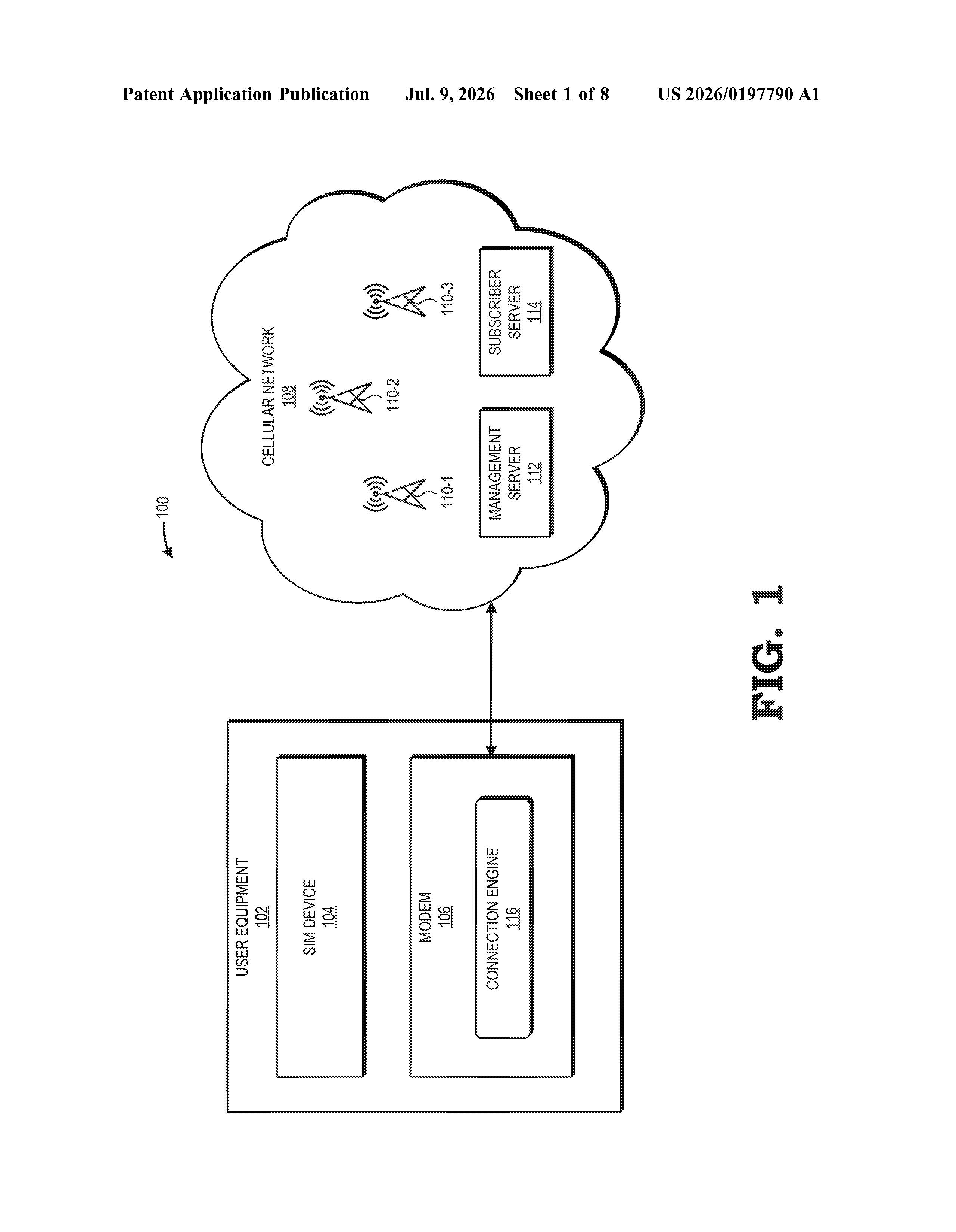
Every time your phone connects to a carrier network, your SIM card and modem go through a slow back-and-forth handshake. Google has filed a patent for a way to cut that wait by having the modem check in on the SIM card at exactly the right moment instead of waiting in the dark.
What Google's faster SIM activation actually does
Imagine you order food and the restaurant tells you it'll be ready "at some point" but gives you no buzzer or updates. You'd either hover awkwardly at the counter or risk missing your order. That's roughly what happens when your phone first connects to a cellular network: the modem sends a message to your SIM card and then waits, often longer than necessary, for the SIM to signal it's ready.
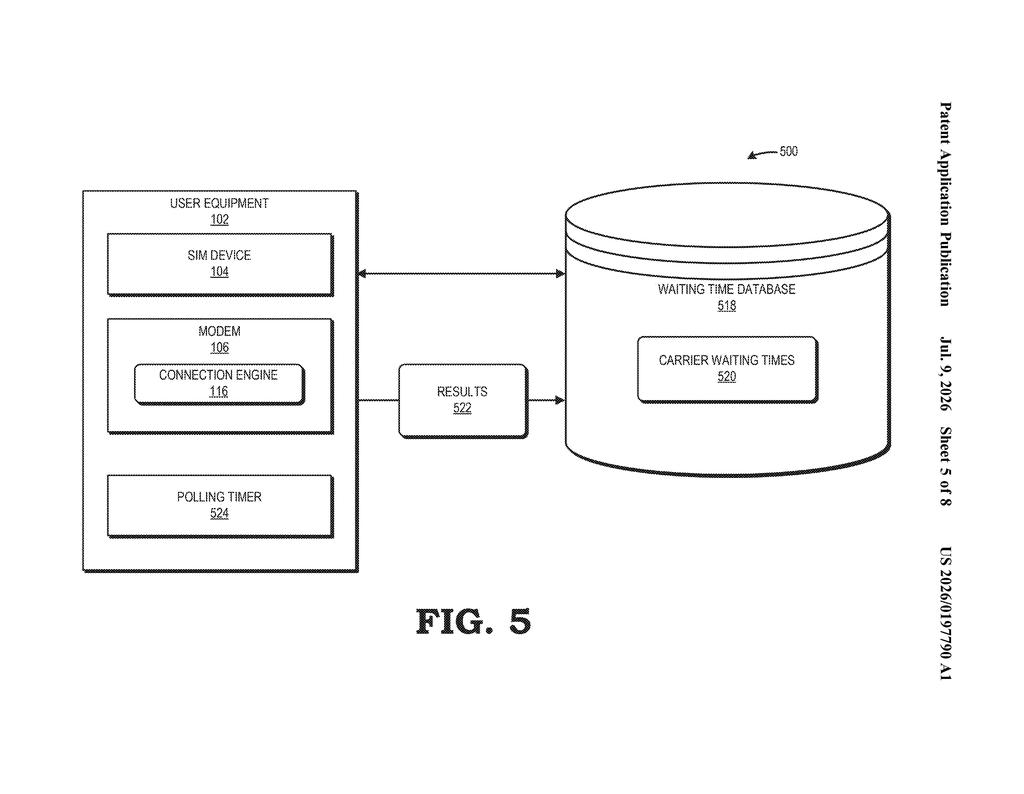
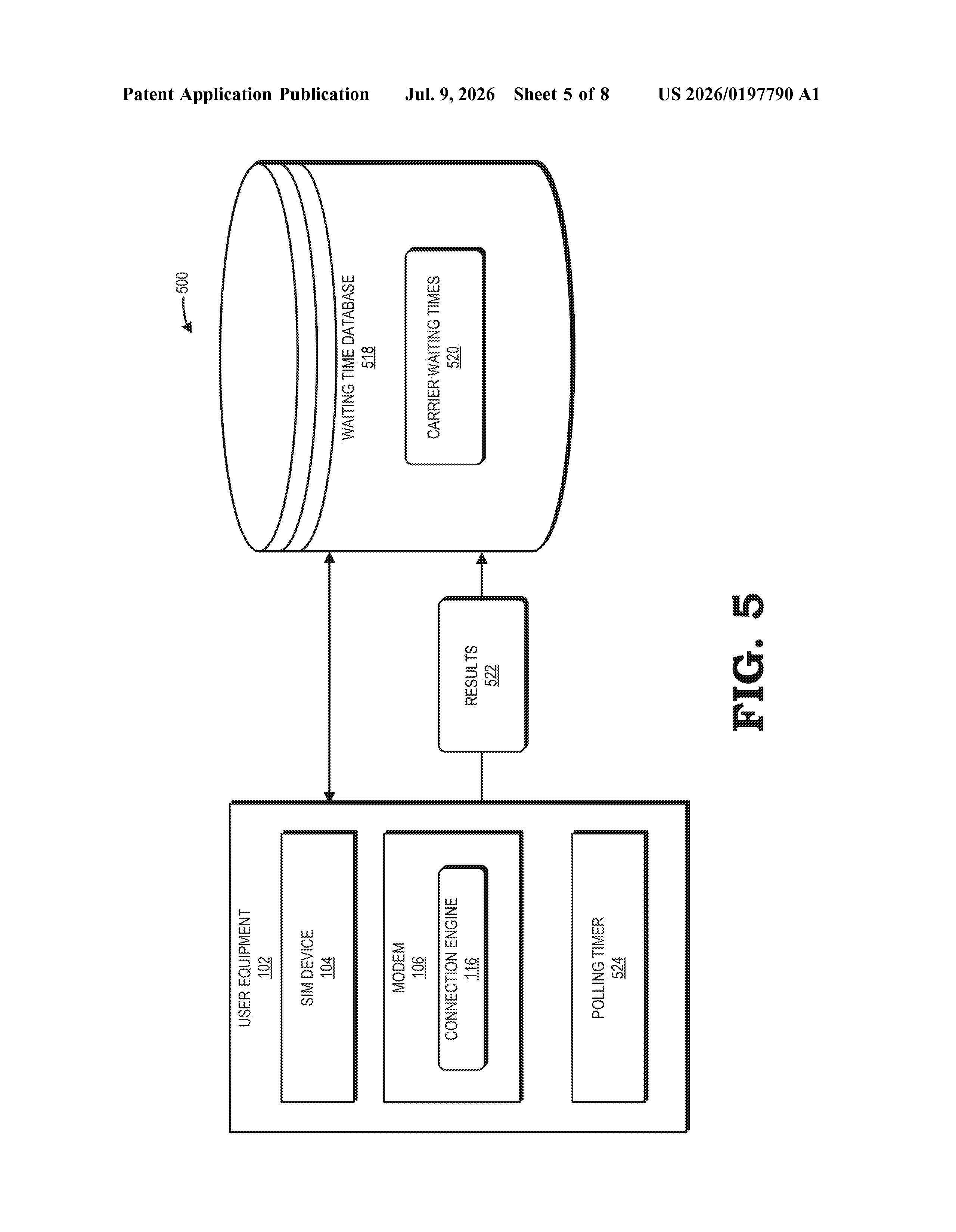
Google's patent describes a system where the phone already knows, from a stored lookup table, roughly how long a given carrier takes to complete that handshake. Instead of staring blankly at the counter, your phone sets a timer based on that carrier-specific estimate and only checks in with the SIM when the time is actually right.
The result is that your phone can fetch the SIM's setup instructions sooner, connect to the network faster, and get your data running without the extra idle time baked into today's one-size-fits-all approach.
How the timed status-query loop works
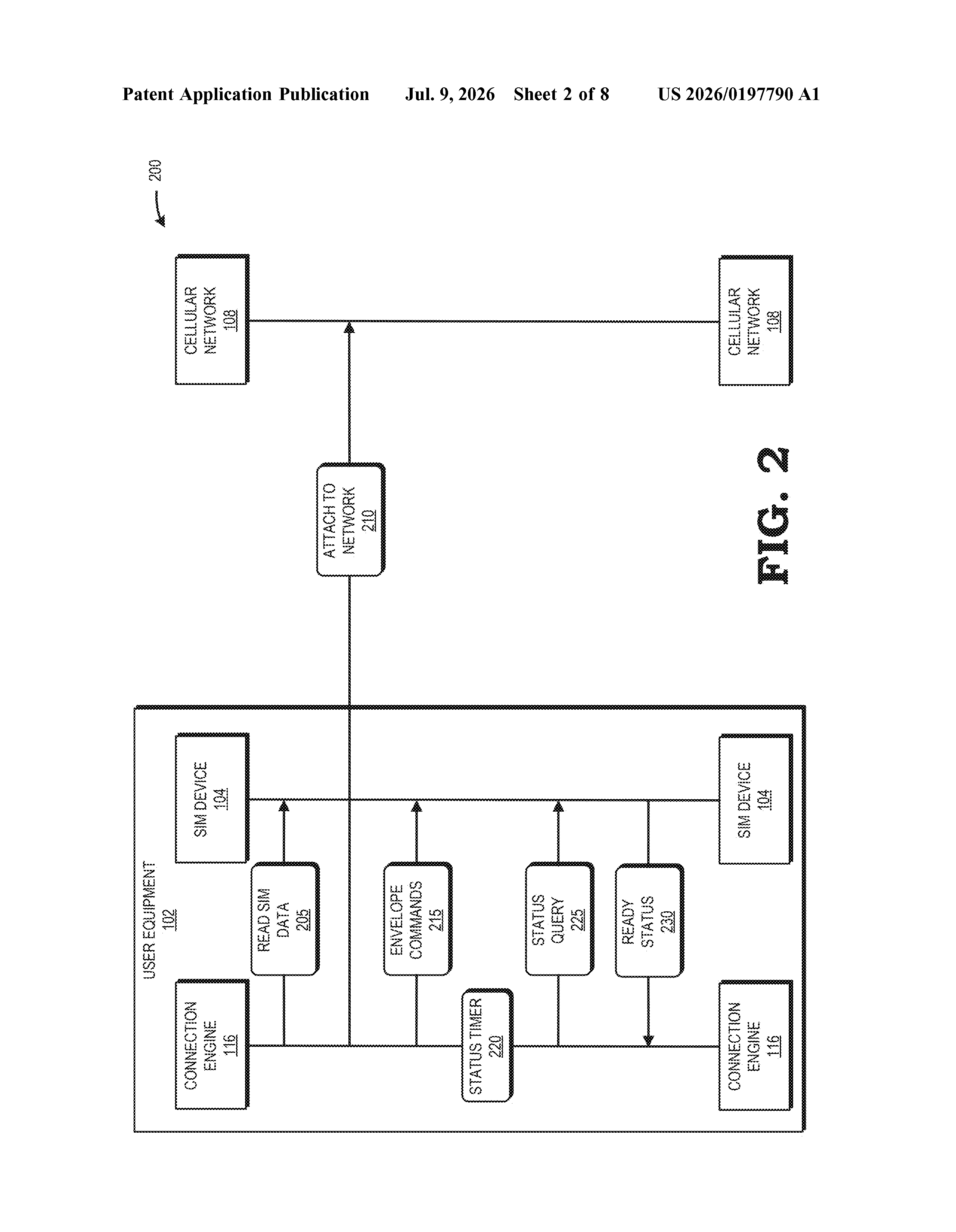
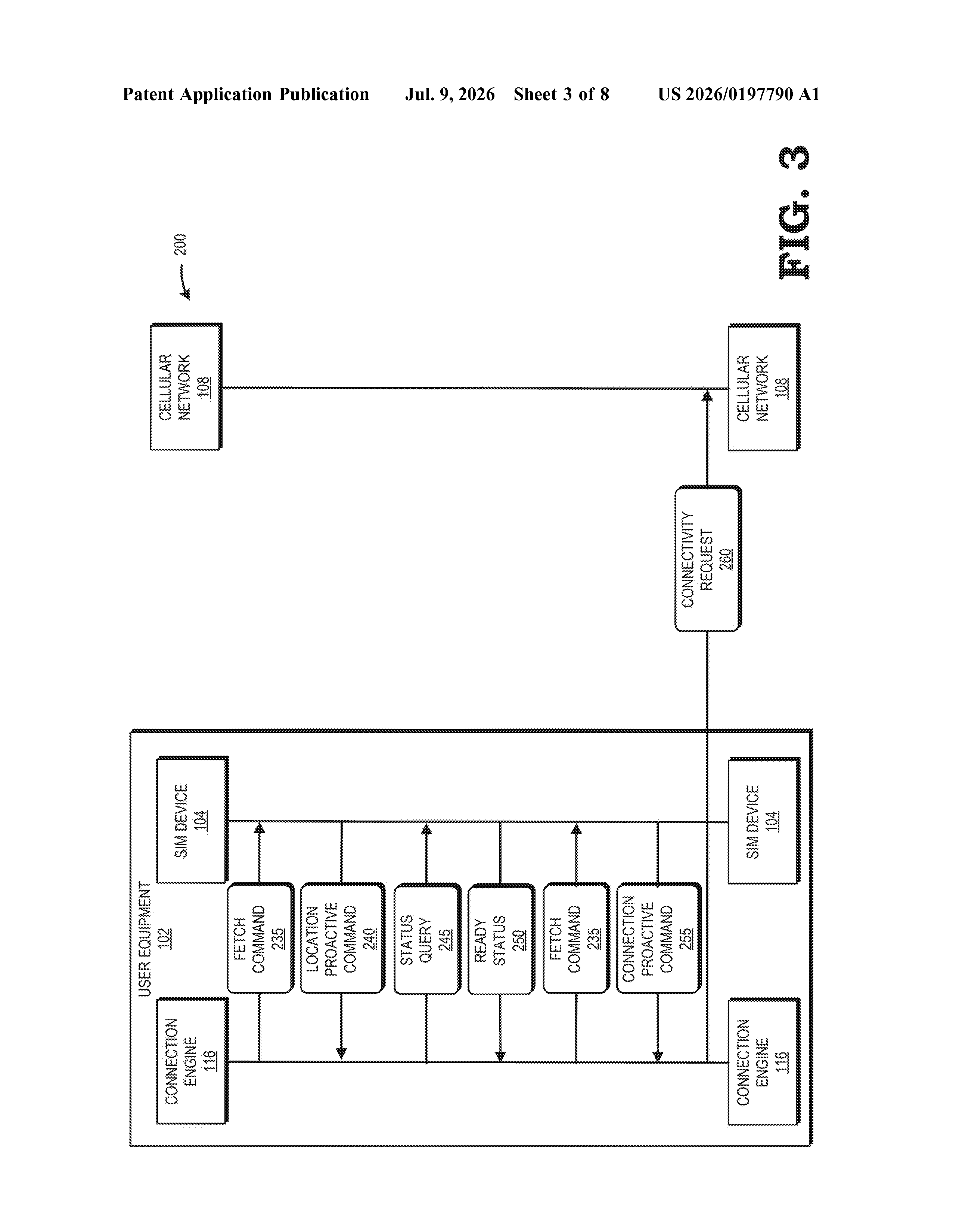
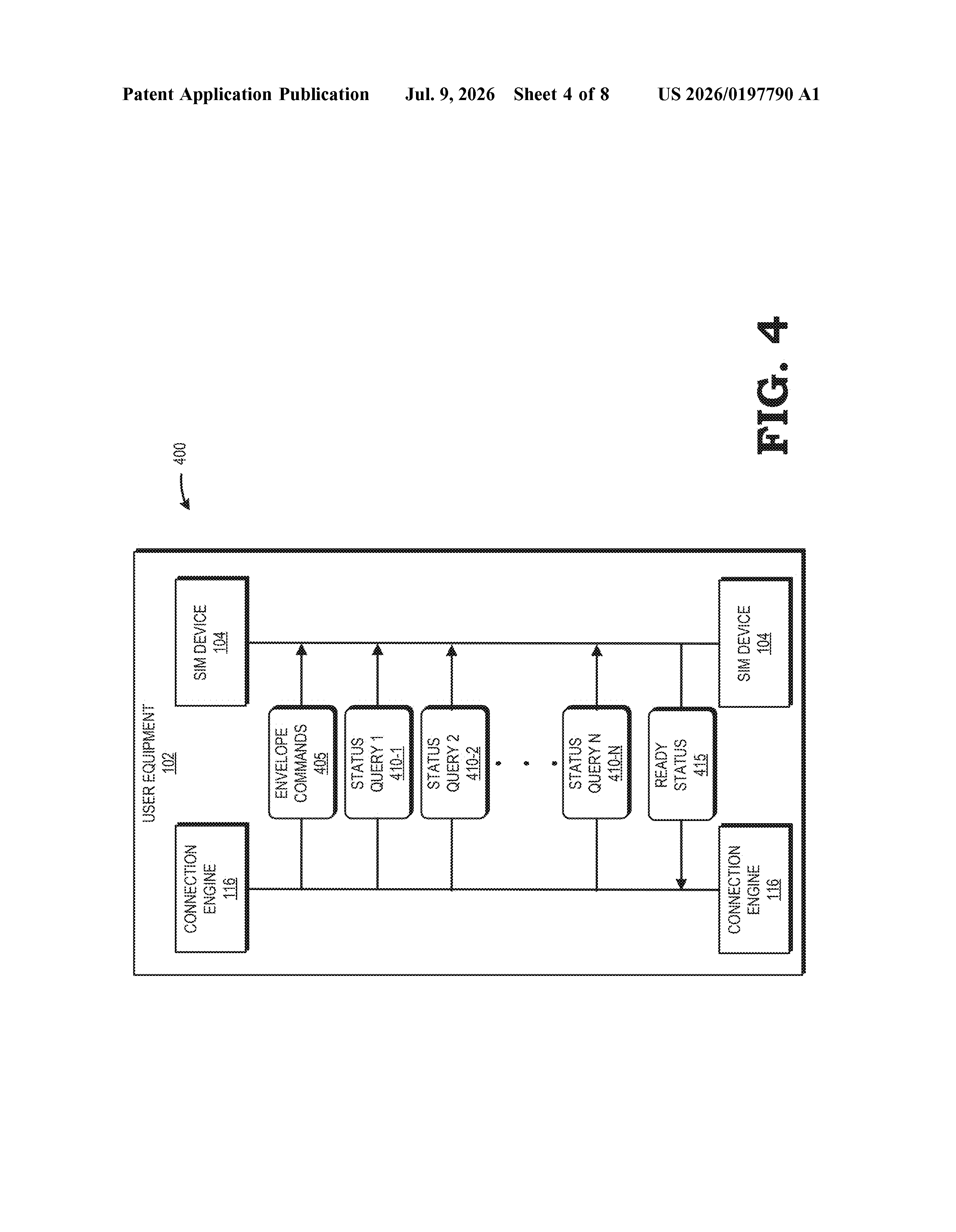
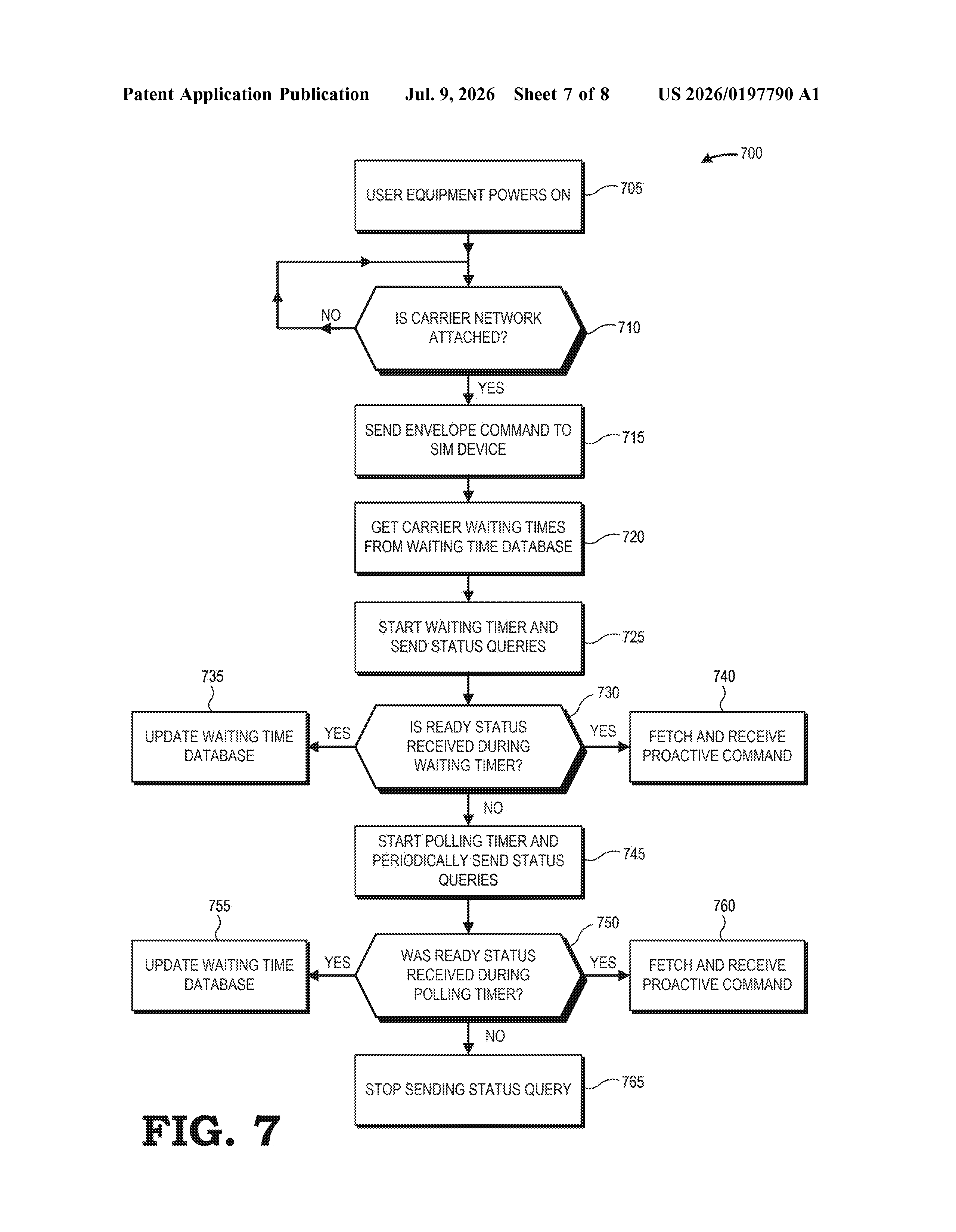
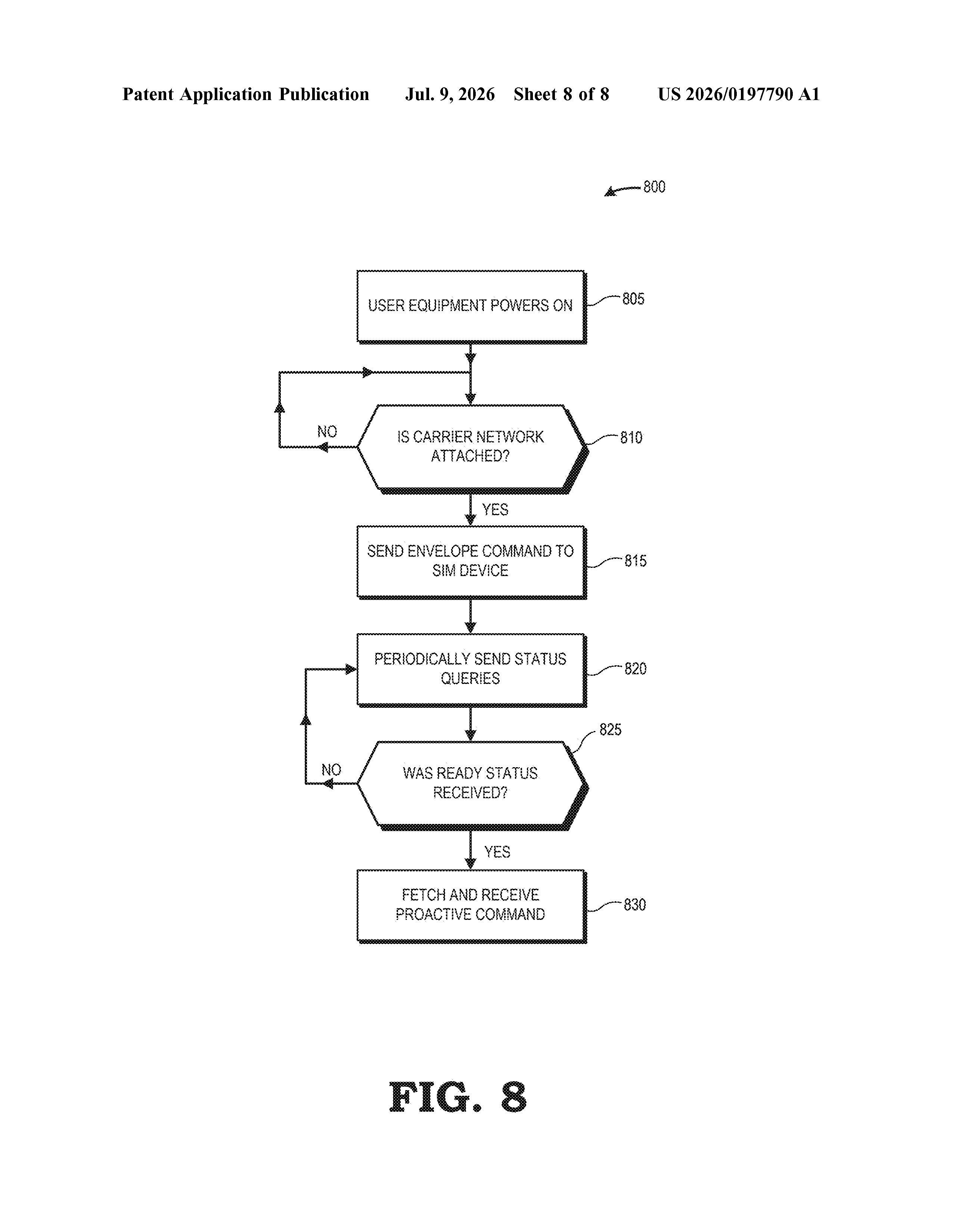
When a phone attaches to a cellular network, the modem sends what the patent calls an envelope command to the SIM card. This tells the SIM to kick off a proactive command, which is a set of instructions the SIM issues back to the phone (things like establishing a data connection or configuring network settings).
The old approach: the modem sends the envelope command and then waits for a generic, often conservative timeout before checking whether the SIM is ready. That timeout is designed to work for every carrier, so it tends to be longer than most carriers actually need.
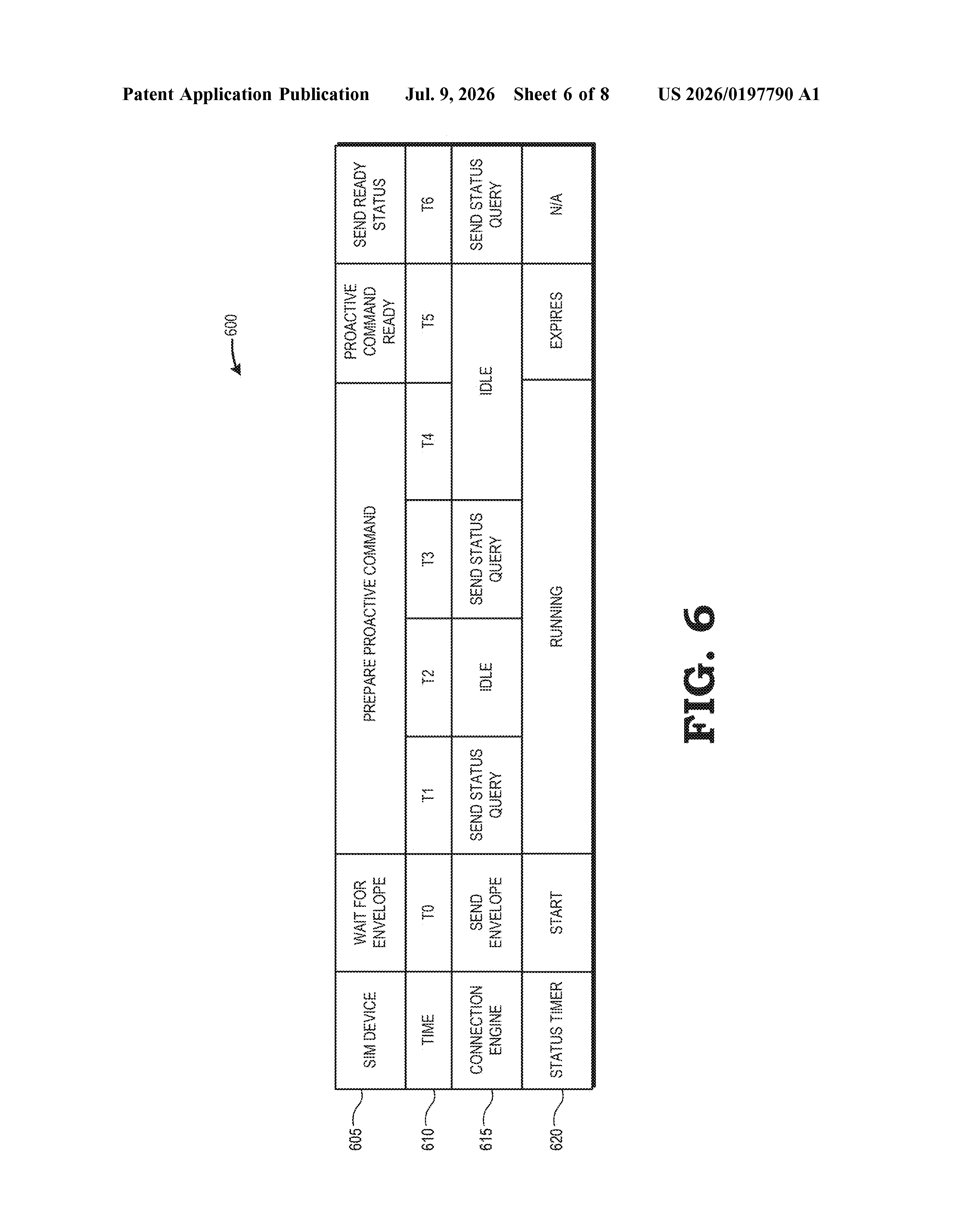
Google's approach adds a carrier-specific timing database stored on the device. After sending the envelope command, the modem looks up how long this particular carrier typically takes and sets a timer to match. When that timer runs out, the modem sends a status query to the SIM (essentially asking "are you ready yet?"). Once the SIM confirms it's ready, the modem immediately fetches the proactive command and completes the network setup.
- Envelope command triggers the SIM's setup sequence
- Carrier-specific timer replaces the generic wait
- Status query checks readiness at the right moment
- Proactive command fetched and executed to finish network attachment
What this means for Android activation speeds
For most people, the practical payoff is a slightly faster moment when your phone "finds" its network after you restart it, swap SIMs, or move between coverage areas. That few-second improvement matters most in situations where you urgently need data, like navigating in an unfamiliar city right after landing.
For Google, the broader significance is in Android's relationship with carriers. A per-carrier timing database means Google (or device makers) would need to maintain and update those carrier profiles, which gives Google more influence over how network attachment behaves across the Android ecosystem. It also hints at ongoing work to make eSIM and physical SIM activation feel faster as carriers push users toward digital SIM provisioning.
This is unglamorous plumbing work, but it's the kind of fix that makes a real difference in the moments that actually frustrate people. Shaving seconds off network attachment isn't flashy, but it's meaningful. Whether Google ships this in Android or pitches it to chipset partners for modem firmware is the interesting open question.
There are more where this came from
We read every patent application Big Tech publishes and send you the ones worth knowing. Plain English, free, every week.
The drawings
8 drawing sheets from US 2026/0197790 A1 · click any drawing to enlarge
Want this weekly breakdown for a company we don't cover? Patentlyze Pro →
Be the first to weigh in