
Apple's New Patent Helps iPhones and Cell Towers Agree on How to Run AI Together
Before your iPhone can use AI to improve its cellular connection, the phone and the tower need to be speaking the same language. Apple has filed a patent for exactly that negotiation.
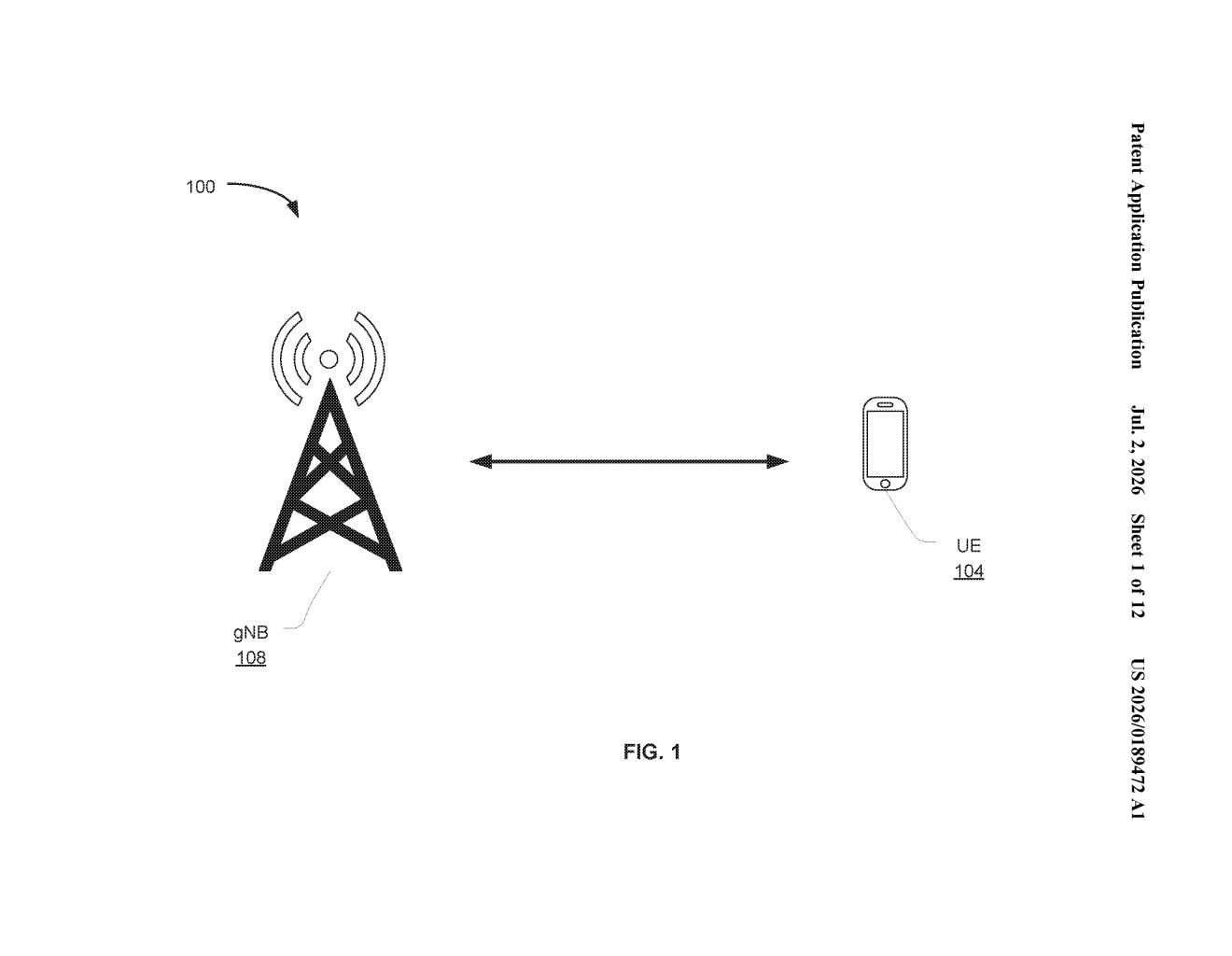
What Apple's iPhone-to-network AI handshake actually does
Imagine you want to share a document with a coworker, but your software saves files in a format their computer can't open. You'd need to agree on a common format first. Apple's patent describes the same kind of problem, except it's happening between your iPhone and the cell tower it's connected to.
When AI is used to improve how a phone connects to a network (think smarter signal tuning or faster handoffs between towers), the phone and the network both need to run compatible AI models. This patent describes a system where either side can advertise what AI formats it supports, and the two can agree on one format before any AI-powered work begins.
The coordination also accounts for what happens when your phone's state changes, like switching from idle to active, which can trigger a fresh round of negotiation to make sure everything stays in sync.
How the device and network negotiate an AI model format
The patent describes a two-way negotiation protocol between a user equipment (UE) (the iPhone or other device) and a cellular network to coordinate which AI model format both sides will use for a shared network function.
Either party can initiate the exchange:
- The network broadcasts the AI model formats it supports, and the device picks one.
- Alternatively, the device advertises its supported formats, and the network chooses.
Once a format is agreed upon, the system can carry out one of three AI model operations: a model transfer (sending the actual AI model from one side to the other), a model inference (running the AI to produce a result, like a signal prediction), or model training (refining the AI using real-world data from the connection).
The patent also covers UE state changes, meaning if your phone shifts from a low-power idle state to an active call or data session, the system can detect that transition and restart or adjust the coordination process to keep the AI operation valid under the new conditions.
What this means for AI-driven cellular performance
As cellular standards like 5G Advanced and the emerging 6G framework start baking AI directly into network management, the ability for phones and towers to run compatible AI models becomes a real engineering problem. Without a coordination layer like this, a network upgrade or a device software change could silently break the AI-driven features both sides depend on.
For everyday users, this kind of infrastructure work is invisible but consequential. It's the plumbing that would allow future iPhones to benefit from AI-optimized signal routing or adaptive bandwidth allocation without requiring every device and every carrier to use identical software stacks.
This is a foundational standards-layer patent, not a flashy feature announcement. Apple is staking out IP in the negotiation protocol space for AI-in-the-radio-access-network, which is an area that 3GPP (the body that writes cellular standards) is actively developing. The timing, filed in April 2025, lines up with ongoing 5G Advanced and early 6G standardization work, which makes this worth watching even if it won't show up in a product keynote.
There are more where this came from
We read every patent application Big Tech publishes and send you the ones worth knowing. Plain English, free, every week.
Want this weekly breakdown for a company we don't cover? Patentlyze Pro →
Be the first to weigh in